

England 258 lost to India 262-4 by six wickets
All-rounders share century stand to secure victory
A recent rise to No 1 in the men’s T20 rankings preserved one half of Brendon McCullum’s role as England head coach, yet the one-day international (ODI) format remains a challenge.
England suffered a six-wicket defeat to India in the series opener at Edgbaston, marking their 13th ODI loss since McCullum assumed leadership of the white-ball teams at the start of last year. During this period, England have recorded just six wins, including three against the lower-ranked West Indies, and have now fallen to eighth place in the global ODI rankings.
For India, this victory was a welcome response following a 4-0 whitewash in the preceding T20 series. Shubman Gill contributed a polished 80 runs to help chase a target of 259 with 28 balls remaining, having earlier managed his bowlers effectively. Gill’s affinity for Birmingham continues, having amassed 430 runs at this ground during previous matches.
McCullum and captain Harry Brook misjudged the dry pitch conditions, which offered inconsistent bounce for the pace bowlers and led to several injuries throughout the match. Brook selected five spin bowlers in his XI but only three seamers, limiting England’s genuine wicket-taking options and compelling him to deploy Jofra Archer extensively in the early overs.
Including an additional seamer might have excluded Liam Dawson from the squad, but Dawson’s presence proved crucial. Coming to the crease at 107 for six in the 22nd over, Dawson scored 68 runs off 83 balls, while Joe Root remained unbeaten on 76, providing England’s bowlers with a platform to build upon.
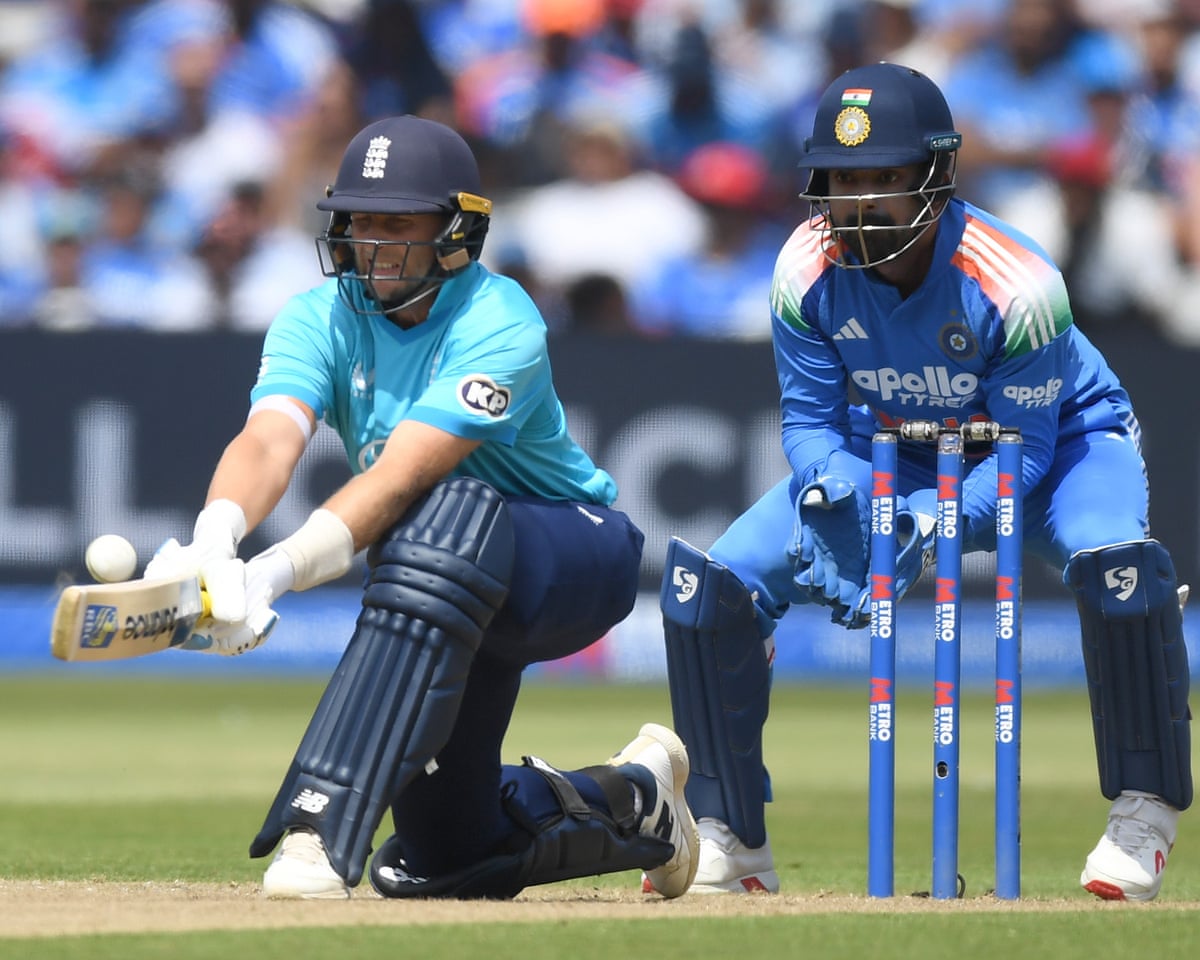
This partnership offered a glimmer of hope for a full recovery after the returning Indian batsmen Rohit Sharma and Virat Kohli were restricted to 11 and 5 runs respectively. Meanwhile, Gill maintained his excellent form, attacking Josh Tongue early and significantly reducing the target before retiring hurt due to cramp.
India experienced a brief setback when Shreyas Iyer was run out for 35 via a direct hit from Brook, and KL Rahul was dismissed by Tongue for one run. However, this proved temporary as unbeaten half-centuries from Axar Patel (57 from 52 balls) and Washington Sundar (52 from 63 balls) steered India home from 160 for four in the 28th over.

England’s innings was marked by two collapses, the first triggered by Gurnoor Brar, a 6ft 5in fast bowler from Punjab playing only his fifth ODI. Brar curtailed Jacob Bethell to 14 runs and then had Ben Duckett caught in the deep for 43.
The pivotal wicket came from a more familiar bowler, Jasprit Bumrah, who was recalled specifically to bowl to the in-form Brook and claimed his edge on the third ball he bowled. This match marked Bumrah’s first ODI since the previous series, an absence that caused him to drop out of the official rankings, though his quality remains unquestioned.
Gill managed his pace bowlers astutely, with Prasidh Krishna taking two wickets as Jos Buttler (5), Sam Curran (0), and Will Jacks (20) all fell. A crucial moment came when Shivam Dube dropped a straightforward return catch off Root when he was on seven, allowing the vital 121-run partnership with Dawson to flourish.
Despite this, Root ended the innings frustrated, witnessing the last four wickets fall for just 30 runs as England were bowled out inside the 48th over. While Root is not known for power hitting, an additional partner alongside Dawson might have extended the total further.
Axar Patel was instrumental in dismantling England’s tail, finishing with figures of four for 62 and only bowling at the end when Brar succumbed to cramp. Patel’s greatest influence, however, was during the chase, where he joined Sundar and helped guide India to victory with a confident innings.
Had England possessed a few more runs and an extra pace bowler, the outcome might have differed for Brook. Instead, he was largely unable to prevent the decisive final partnership, which Sundar concluded by hitting Adil Rashid over his head for six, sealing both the win and his half-century.
While England currently excel in T20 cricket, this success contrasts with their ODI struggles, especially considering the next World Cup is a 50-over tournament scheduled for late 2027. McCullum, whose role has been reduced to half of his previous responsibilities, may require improved results to maintain his position through to that event.


