

Governing Board Faces Claims of Blocking International Pathway
The England and Wales Cricket Board (ECB) has been accused of permitting non-disabled players to participate in its Disability Premier League (DPL), thereby obstructing the pathway to international cricket for players with learning disabilities.
Parents of Jai Charan and Alex Jervis—both former England internationals with diagnosed learning disabilities—assert that their sons have been replaced in the DPL by players who do not meet the disability criteria established by the ECB’s assessment process.
The DPL is designed as the pinnacle of the pathway to the England Mixed Disability team. However, another parent, who wished to remain anonymous, estimates that 12 out of the 64 players selected in the December draft do not have disabilities.
Eligibility and Assessment Criteria
The ECB is a signatory to Virtus, the international sports federation for athletes with intellectual impairments. Under Virtus regulations, cricketers wishing to compete internationally under the learning disability (LD) category must demonstrate an IQ of 75 or lower.
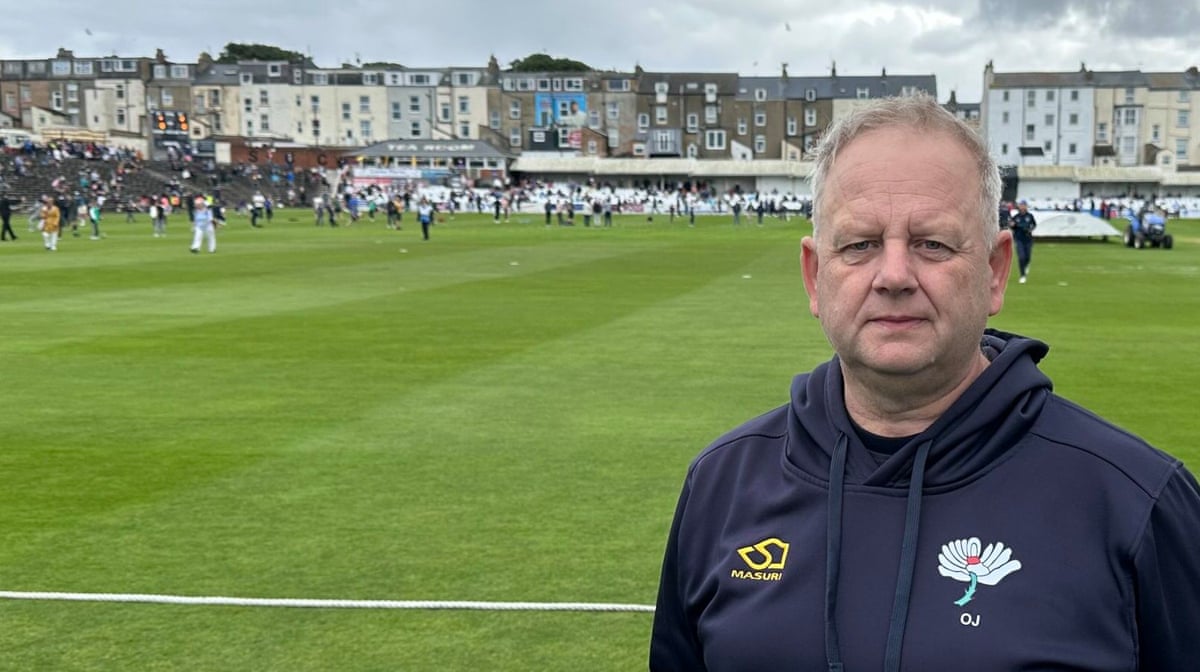
Owen Jervis, volunteer manager of Yorkshire’s disability team, alleges that the ECB has allowed several neurodiverse players to participate in the DPL despite their not meeting the LD criteria as assessed by an educational psychologist.
The majority of neurodiverse players do not satisfy the ECB’s LD eligibility requirements for disability cricket. Several neurodiverse cricketers play professional mainstream cricket, including England bowler Em Arlott, who was diagnosed with ADHD and autism in 2023.
While the ECB is not obligated to follow Virtus regulations for the DPL as it is a domestic competition, including non-disabled players risks undermining the tournament’s intended purpose.

"You can’t call it a Disability Premier League if the players aren’t disabled," Tracey Jervis stated.
Another parent of a player with a learning disability expressed concern that his son has been disadvantaged because he plays county disability cricket rather than mainstream (non-disabled) cricket. Many England-qualified players do not participate in any disability county cricket.
"It seems the county game isn’t used at all for assessing potential," he said. "The DPL is meant to be the pinnacle for England-qualified players but after five years it has the feeling of now being a closed old boys’ club, with coaches and captains picking favourites rather than on form."
Because of the transition to mixed disability cricket—where players with learning disabilities, physical disabilities, and deafness compete together—there are fewer opportunities available in each XI.
"Players with misallocated impairment and who have no LD are being categorised as LD players and take game space away from those with a qualifying disability," Owen Jervis said. "They take the lion’s share of the game in terms of bowling and batting. Many of the LD guys are left with carrying the drinks or being good in the outfield.
"The learning disability lads, they don’t know what to say. They know they can’t meet that standard and they never will. So they just kind of go into themselves and say: ‘Well, what’s the point? I’ll do something else.’"
spoke to several other parents who shared similar concerns but requested anonymity due to fears of repercussions for their sons.
"You get a feeling that the LD people are being quietly put to one side," one parent said.
Owen Jervis raised the issue via email with Richard Hill, events and competition manager for disability cricket at the ECB, in September 2024. Hill, in an email seen by , acknowledged being "aware of several challenges that are presenting themselves around the emergence of players in our game with high-functioning conditions" and stated that the ECB was developing an action plan "to manage the situation." However, Owen reports that the situation has deteriorated, with more LD-classified players now excluded from the DPL.
Impact on Players and Performance
Bowler Jai Charan debuted for the England LD team in 2023 and holds the best bowling average and best strike rate in the history of the DPL, which has been running since 2022. Alex Jervis has represented the England LD team for a decade and has won the LD Ashes three times with England. Despite their achievements, both were relegated to the role of drinks carrier in the 2025 DPL.
Jai’s father, Shanial Charan, expressed his disappointment:
"The one place where I genuinely thought that my son would not be discriminated against because of his learning disability was disability cricket.
"Jai didn’t play a single game last season, yet he went to every single game. And in the end he made his own decision. He said: ‘Dad, I don’t want to do this any more, because all I do is I come here and I sit and I run on water. But my stats say that I’ve got the best bowling average and I’ve got the best strike rate in the history of the DPL. How come they’re not selecting me?’ How do I explain that to him?"
ECB Response
An ECB spokesperson said:
"The Disability Premier League provides top-level competition for 60 mixed disability players each year, all of whom have an impairment, and is driving forward the standards of disability cricket. With only 60 places available – and squads needing a mix of physical disability, learning disability and deaf players – competition is intense. We recognise there are debates around the appropriate eligibility criteria, and with the competition now five years old we are currently reviewing this with a view to any changes coming into place in 2027."


