

Blackpool Cricket’s Rich Heritage and Current Challenges
What links Harold Larwood, Rohan Kanhai, Richie Richardson, and Mushtaq Mohammad? Each played professional cricket at Blackpool Cricket Club, Lancashire’s seaside outground, distinguished by the iconic tower resembling a steel Mona Lisa wearing a kiss-me-quick hat.
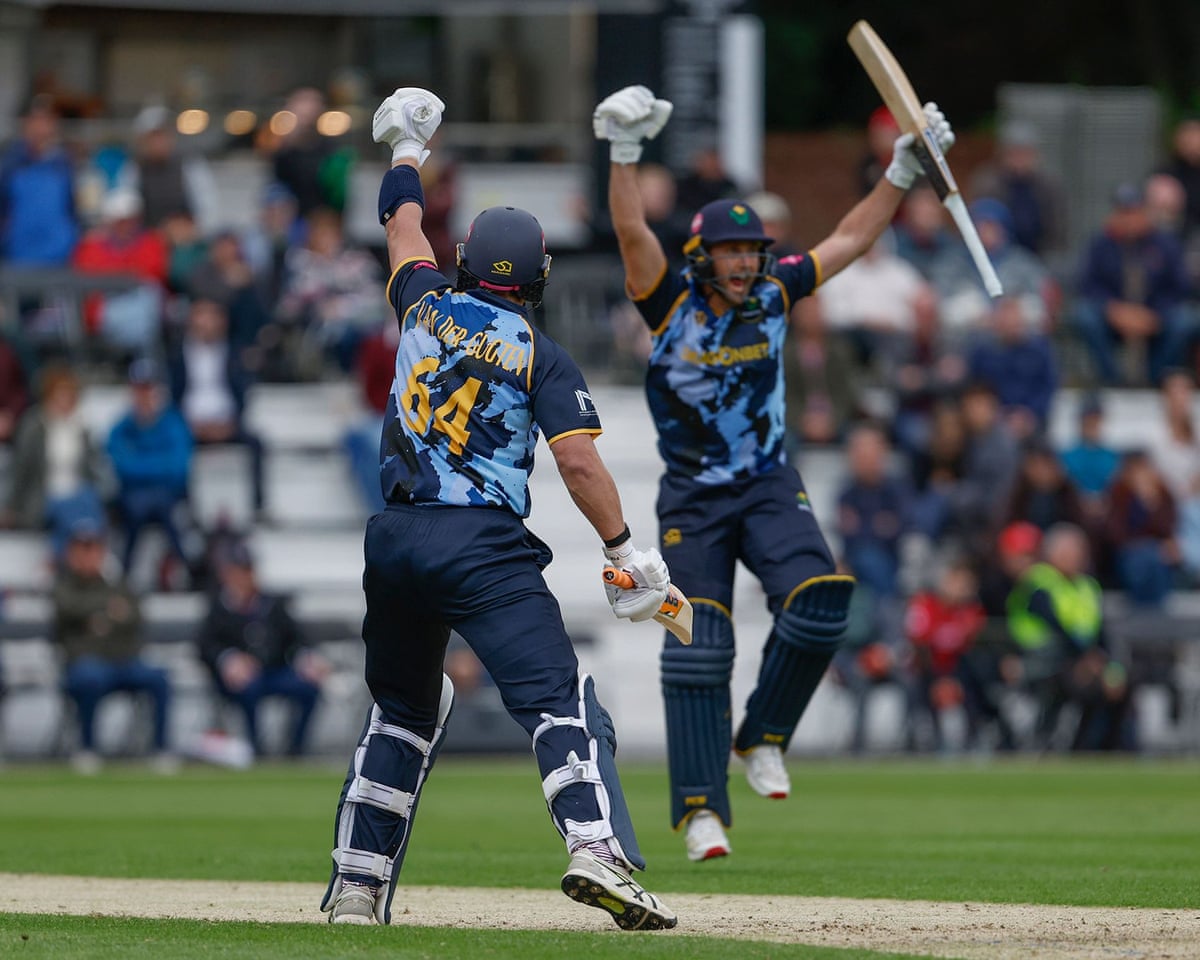
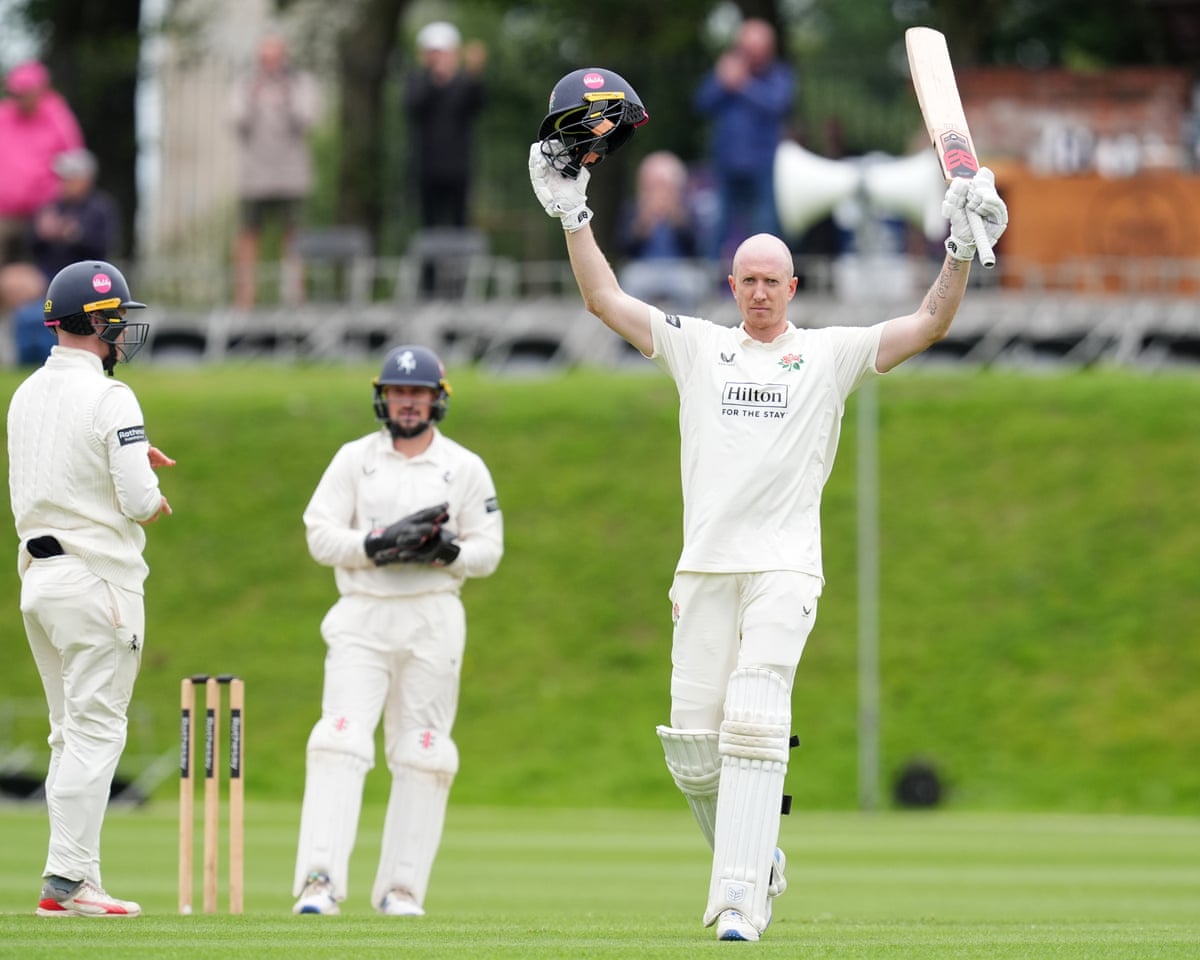
Last week, Blackpool hosted Lancashire’s men in what has been reinstated as an annual County Championship match, intended as four days of cricket, picnics, and community enjoyment. However, Kent secured a 140-run victory on the third evening, marking Lancashire’s third demoralizing loss following defeats to Middlesex and Durham.
While the top of Division One is contested among three counties without Test venues—Essex, Sussex, and Somerset—Lancashire have become increasingly familiar with Division Two after their relegation at the end of 2024.
They began last season as strong promotion contenders but endured a difficult start, leading to the resignation of captain Keaton Jennings and coach Dale Benkenstein. Although a late-season resurgence re-established them as promotion favorites for 2026, their form declined after two early wins. At mid-season, Lancashire sit fifth in Division Two, looking upward but trailing the leaders.
The men’s team also occupy the bottom position in the Blast north group, suffering defeats including a notable collapse against Glamorgan at Blackpool, while the women’s team ranks seventh out of nine.
Off the field, the club has faced internal strife, with divisions among members prompting multiple special general meetings and a vote of no confidence.
Daniel Gidney, the club’s chief executive for 14 years, announced his intention to step down at year’s end amid perceptions that Old Trafford has evolved into a successful events venue with cricket as a secondary focus. Lancashire last won the County Championship in 2011 with a largely homegrown team known for their determination, a memory now fading.
Despite these challenges, Lancashire and Yorkshire continue to effectively utilize their outgrounds for Championship cricket, contrasting with counties that restrict matches to their headquarters. These outgrounds, including Southport, Scarborough, York, and Blackpool, offer members opportunities to socialize and enjoy cricket in pleasant weather, though concerns exist that Lancashire’s new facility, scheduled to open later this summer, might reduce future visits to the north-west coast.
The walk from Blackpool North station to Stanley Park, where Blackpool CC is located, takes about 20 minutes, passing landmarks such as a large Salvation Army building, a Citizen’s Advice bureau, various takeaways, and formerly Jeanette’s Sewing Alterations and Haberdashery, now for sale. The cricket ground is enclosed within Stanley Park, which features an art deco café known for quality poached eggs on toast.
The ground’s perimeter is shaded by numerous trees, contributing to a tranquil atmosphere, though winds from the Irish Sea can be severe. Similar to Hampshire’s Rose Bowl, Blackpool CC is shaped like an amphitheatre. Recently, the club refurbished the concrete seating with donated wooden planks, sanded, painted, and installed by the ground improvement team comprising one groundsman and four volunteers. During the Kent match, amenities included a pizza and coffee van and a pop-up bar, while the pavilion offered a barm cake and crisps for £4.
Blackpool Cricket Club relies heavily on volunteer support. Chairman Dave Cresswell, a lifelong member, has served for 15 years. Having retired at 55, he now dedicates himself full-time to the club.
The club fields teams across various age groups: under-10s, under-11s, under-13s, under-15s, under-17s, women’s softball, women’s 11-a-side, and four men’s teams on Saturdays. However, recruiting and retaining players remains challenging.

“We’re very high in deprivation terms, with a low-wage economy, and attracting even junior players to the club is a real effort at the moment,”
“We do run All-Stars [a nationwide initiative for 5-8-year-olds] and have loads down on a Friday, but we don’t have any [feeder] private schools and.
“We host Kwik cricket games here for the primary schools and it’s fantastic to see, but getting secondary schools in particular to even signpost people who are interested in cricket to come here is very, very difficult. There’s no town team any more. There’s no inter-school competitions any more. Unless you’re from an elite group of players, you don’t really know that it is even available.”
Despite these difficulties, the club has found encouragement through Afghan refugees directed to them by the local council. Players from diverse backgrounds participate together, largely without the social cohesion issues seen in some local areas.
“Though larger companies have disappeared from Blackpool – British Nuclear Fuels, ICI and some civil service jobs,”
“the council, through their regeneration process, are starting to attract more people to the town centre. Higher-value jobs are on the way but it’s taken a long time for those to become available. There’s an MOD office near the railway station, which will be employing probably a thousand people, and a multiversity, which sometimes become a feeder into local sports clubs. We hope to tap into them.”
Cresswell also hopes for a reorganization of the league structure to reduce travel distances, such as trips to Carlisle, and seeks contact within the England and Wales Cricket Board to strengthen connections.
More recently than Larwood and Richardson, Stanley Park has nurtured talents like Richard Gleeson, a global T20 player, and Steven Croft, Lancashire men’s current head coach. The club currently has three under-13 players representing Lancashire. Cresswell emphasizes cricket’s positive impact on youth development and society.
“Kids learn respect when they’re playing cricket. And when you see our young players grown up, they’ve got respect for things. It definitely improves their journey to adulthood. I think that’s very important.”
New Zealand’s Women Face Early World Cup Setbacks
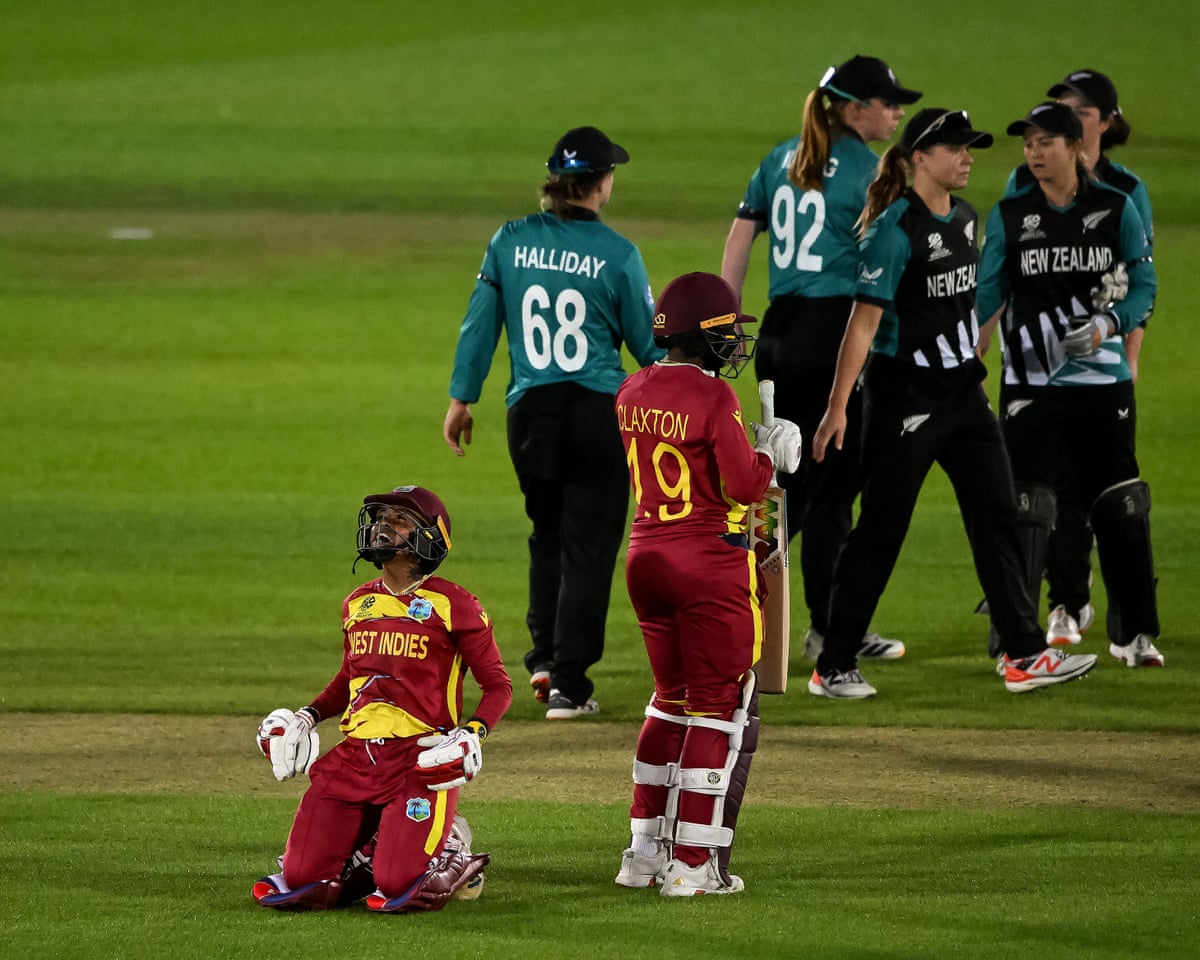
Following recent events, New Zealand’s men’s team may feel optimistic about their upcoming series against England. However, the White Ferns have encountered a difficult start to the Women’s T20 World Cup, losing their first two matches against West Indies and Sri Lanka. This is a humbling position for the defending champions, who had previously secured decisive victories during their 4-1 series win over South Africa in March.
What is particularly surprising is the team’s struggle under pressure despite an experienced core. In their opening match, after posting 162 runs and dismissing opener Qiana Joseph early in West Indies’ innings, New Zealand dropped seven catches, including critical misses off Hayley Matthews, who scored 48 runs. Against Sri Lanka, three additional catches were dropped, including Nilakshika de Silva on 1, whose 54 runs off 37 balls proved decisive.
Captain Melie Kerr acknowledged the fielding shortcomings.
“No one means to drop them, but we’ve dropped a lot,”
she said, adding, perhaps optimistically, that without these errors, the team might have won both games by approximately 50 runs.
With group matches against Ireland, Scotland, and England now carrying increased importance, the question remains whether the White Ferns can rise to the challenge and capitalize on their opportunities.
Stat of the Week
122 – the number of T20 International innings Shemaine Campbelle had played without scoring a fifty before her unbeaten 90 off 62 balls helped West Indies defeat New Zealand in the T20 World Cup opener.
Quote of the Week
“It was really nice to have her in the middle to celebrate that hundred with her two mummies.”
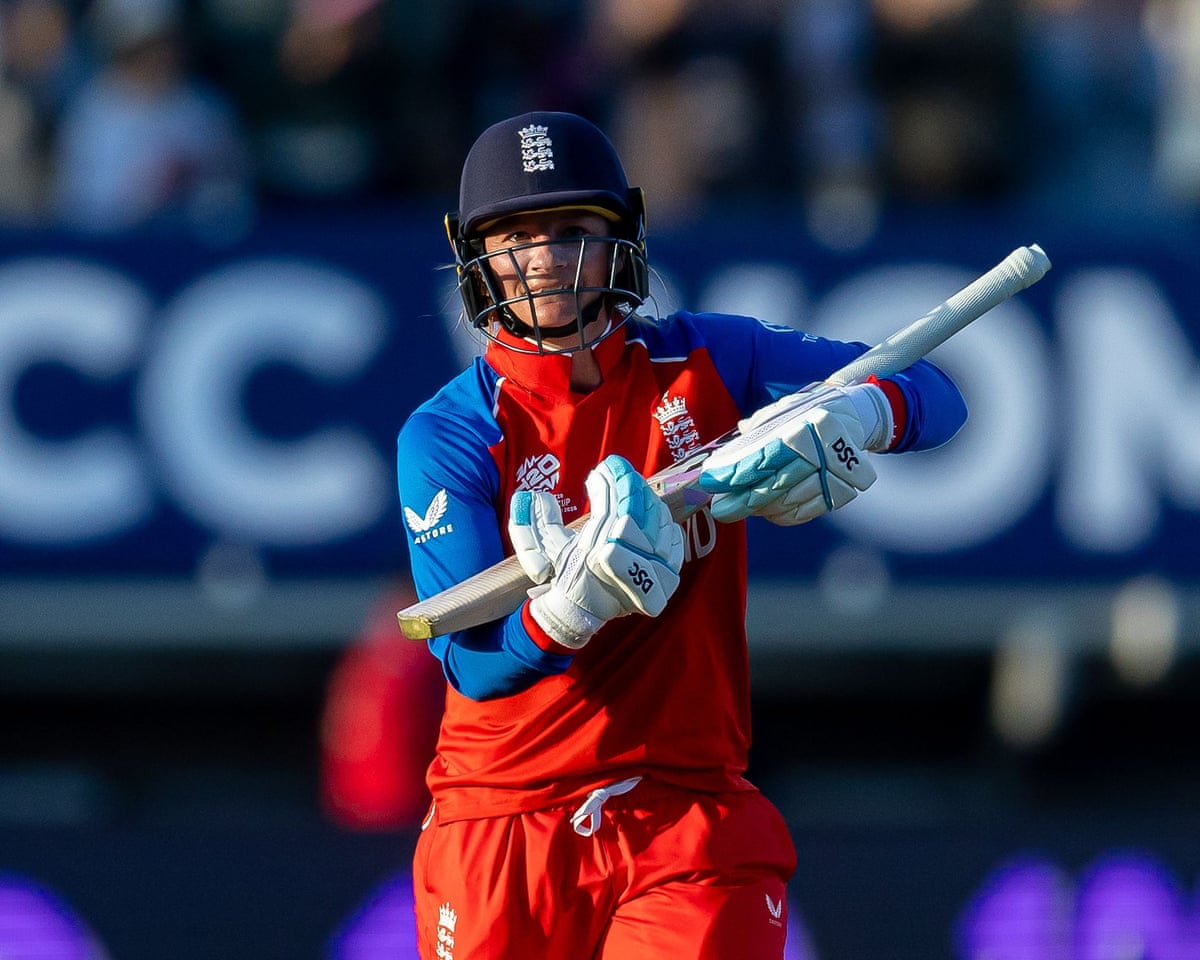
Danni Wyatt-Hodge, who recently became a mother, celebrated England’s 87-run victory over Sri Lanka in the opening T20 World Cup game alongside her wife and their daughter, blending women’s cricket and men’s football World Cup heritage.
Memory Lane: The 1999 World Cup Semi-Final
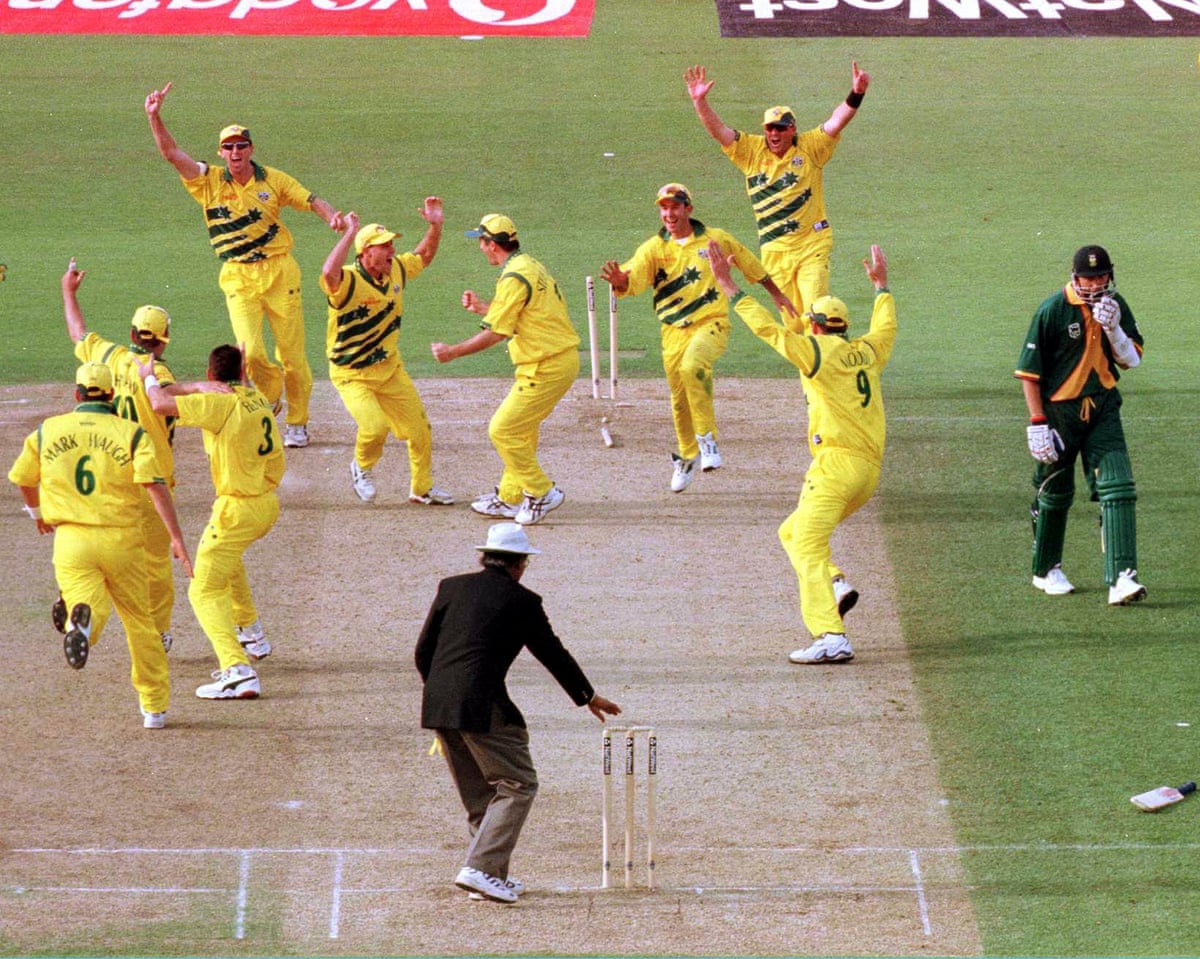
On 17 June 1999, 27 years ago, Australia and South Africa contested a memorable World Cup semi-final at Edgbaston, following their earlier meeting in the Super Six stage at Headingley. South Africa had the opportunity to eliminate Australia but failed to capitalize.
The match was closely contested until South Africa required nine runs from the final over with one wicket remaining. Lance Klusener struck the first two balls for boundaries, while No. 11 Allan Donald nearly faced a run-out on the next ball.
The fourth ball became iconic: Klusener hit the ball and sprinted to the non-striker’s end, but Donald hesitated, turned his back, dropped his bat, and stumbled halfway down the pitch before being run out. This moment ended South Africa’s campaign and initiated Australia’s World Cup dominance.
Additional Cricket Insights
For further appreciation of outgrounds and cricket culture, Gary Naylor offers more insights. Mark Ramprakash shares perspectives on England’s stood-down captain Ben Stokes. Additionally, some cricket events have gone unnoticed despite their significance.


