

Sport’s Morals and Ben Stokes’ Curfew Controversy
There are moments when maintaining a rational perspective on sport is feasible, yet some weeks test that very sanity. This week has been one of those challenging times.
While some global events may seem unusual, such as the US president erecting controversial structures, the focus here is on England cricket’s perplexing situation. The Test captain, Ben Stokes, breached his own curfew following England’s crucial victory against New Zealand. This infraction might have gone unnoticed if not for an incident involving a Saracens rugby player who punched an England team security guard. Without that event, Stokes’ hour-long curfew breach might have remained unknown.
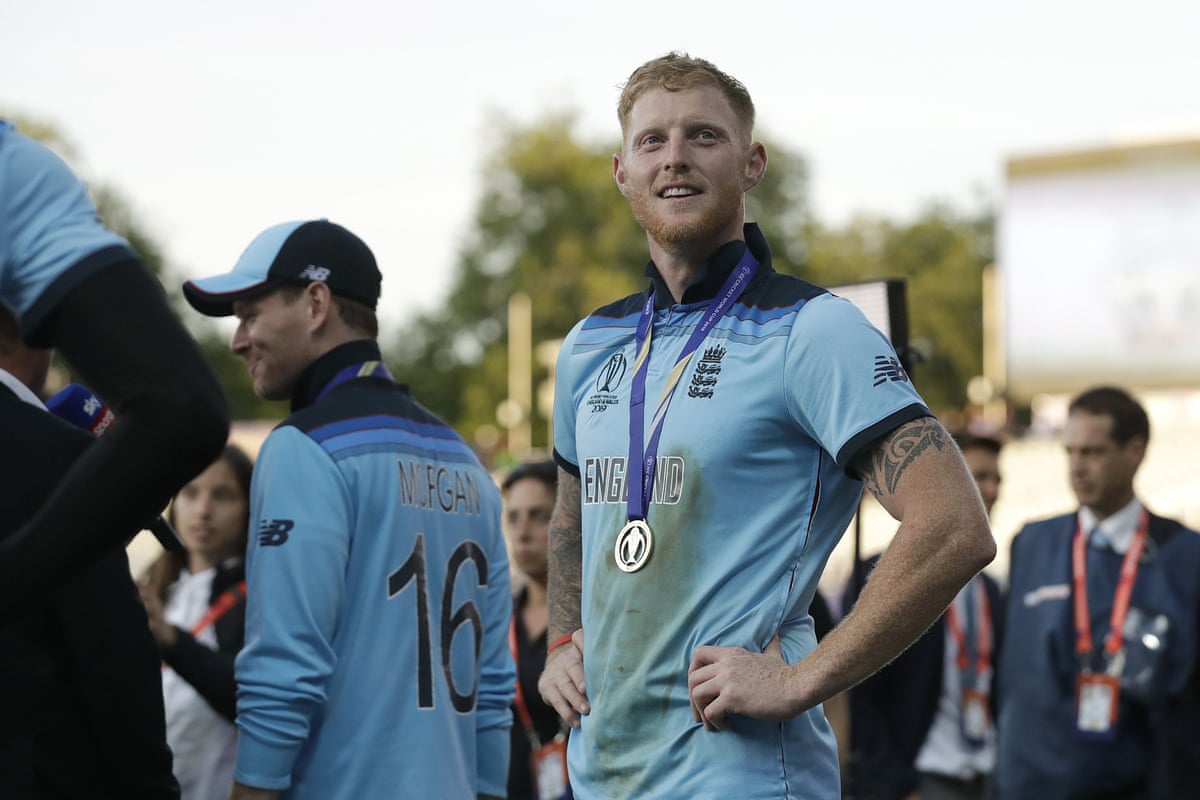
Sympathy for Stokes Amidst Strict Regulations
It is difficult not to empathize with Stokes. His birthday had just passed, and he had maintained sobriety for nearly a year. The curfew was imposed due to other teammates’ misconduct, not his own. When suspended pending investigation, the first replacement named was Harry Brook, who had previously been fined and warned for a similar breach and dishonesty about it.
Even the England and Wales Cricket Board (ECB), which did not hold anyone accountable after the Ashes defeat, was unwilling to overlook Stokes’ breach. Instead, the responsibility falls again on Stokes, who has endured a demanding role where failure is often treated as a public offense.
England Cricket’s History of Self-Sabotage
The Stokes saga has become tiresome for many, reflecting a pattern of self-inflicted setbacks within England cricket. The sport has a history of removing leaders for questionable reasons. Mike Gatting’s 1988 dismissal over unproven allegations during a Test against the West Indies exemplifies this tendency.
Cricket’s class-based origins have contributed to its strict moral expectations of individuals while often ignoring systemic issues. Lord Harris once described cricket as “more free from anything sordid than any game in the world,” reflecting a Victorian ethos that the sport embodies virtue. This legacy subjects England captains and top players to intense scrutiny, as witnessed during Lord’s 150th Test celebrations.

Investigations and Consequences
Stokes’ actions warranted a response once the curfew was confirmed. The ECB might have lifted the curfew retrospectively for the victory celebrations, but the lack of transparency in Brook’s case likely prevented this. Currently, three investigations are underway: one by Saracens, one by the ECB, and a referral to the Cricket Regulator. These processes could take months to conclude.
Meanwhile, Stokes and teammate Gus Atkinson will miss England’s upcoming Test at the Oval, highlighting the widespread dissatisfaction with the situation. English cricket, struggling with its relevance and support over the past two decades, has relied heavily on Stokes, whose blend of passion and composure, combined with exceptional skill, has been a major asset.
Now, Stokes is sidelined for a minor infraction, despite his significant contributions and resilience through injuries and challenges. His presence has been missed during his various recoveries, and his determination to return to play has been widely admired.
Reflection on Public Judgment and Stokes’ Past
The swift criticism of Stokes in some quarters appears misplaced. Reflecting on the “Bristol incident” in 2017, when Stokes faced trial for affray, his subsequent acquittal, on-field heroics, openness about mental health struggles, and emergence as a leader have overshadowed that episode.
However, the ease with which the public assumed the worst then serves as a reminder to withhold judgment. The CCTV footage released after his arrest revealed complexities not initially apparent.
This week’s events may again reflect unfortunate timing for Stokes, but his decade-long record suggests he deserves understanding and respect.


