Historic British Motorsport on Colwyn Bay Seafront
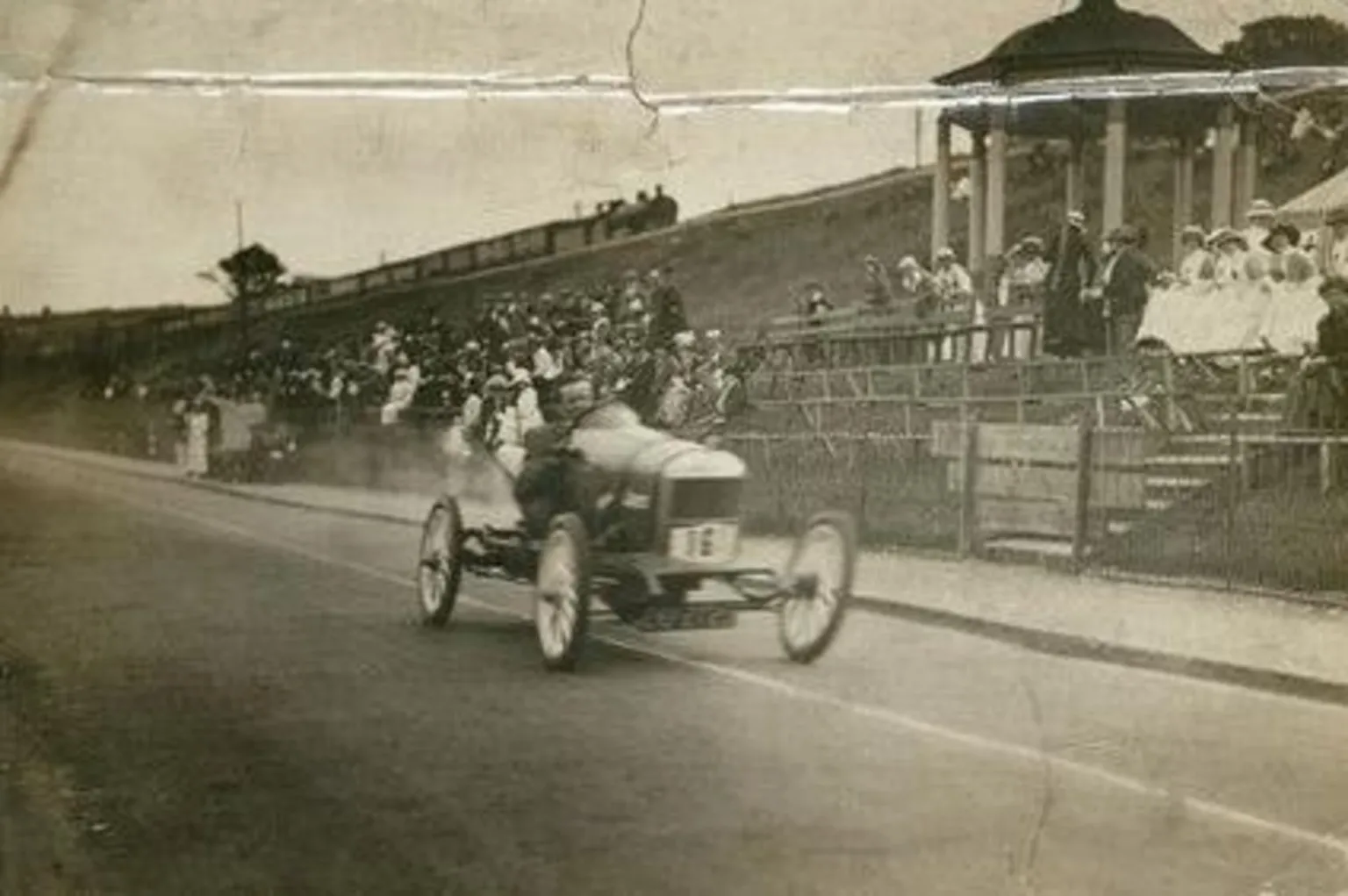
Long before the inception of Formula 1, the premier British motorsport venue was the seafront promenade of Colwyn Bay, a town in north Wales.
Between 1910 and 1928, crowds reaching up to 10,000 amateur motorbike and car enthusiasts gathered along the town's 2km (1.2 mile) stretch of tarmac to witness drivers and riders striving to achieve their highest speeds.
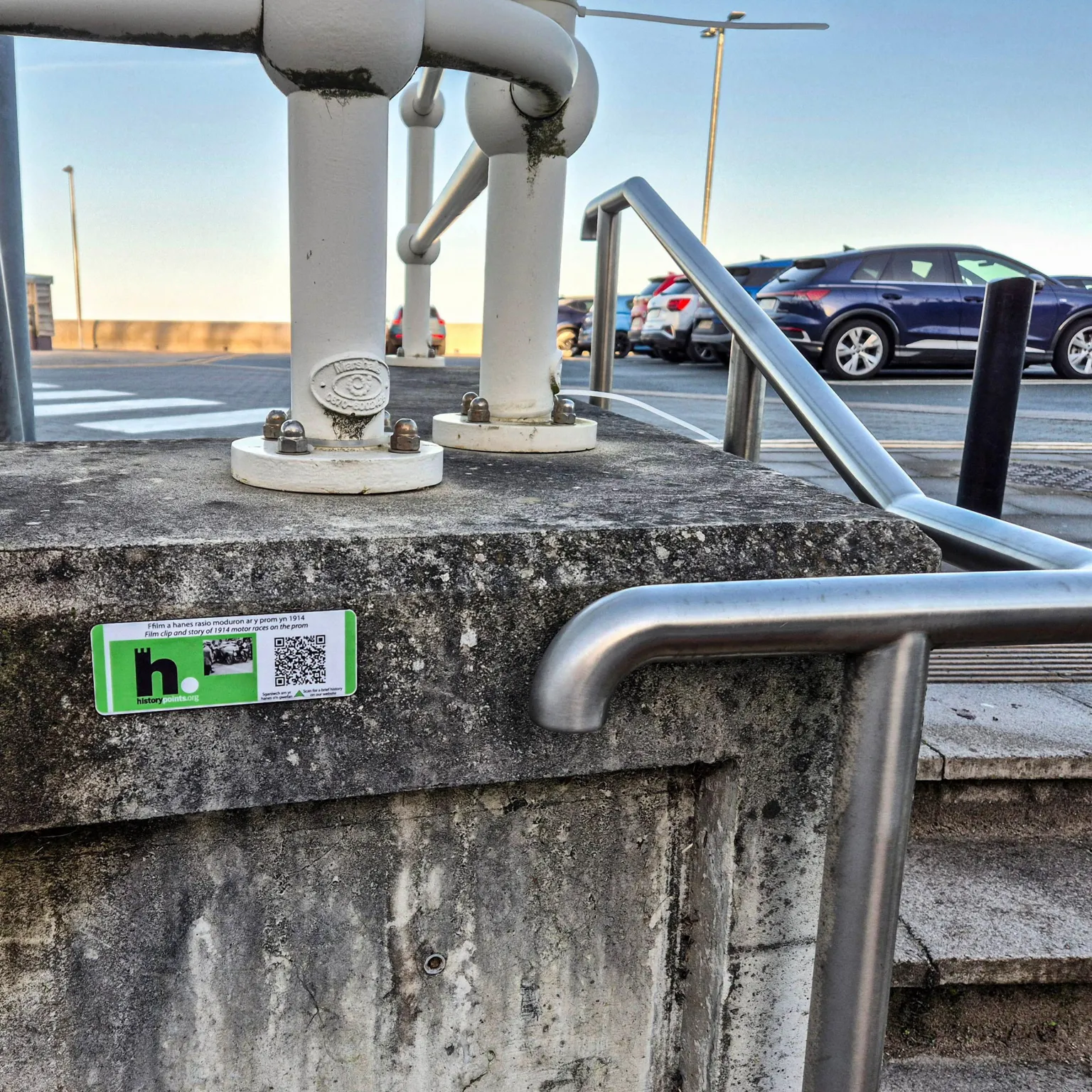
Today, visitors to the promenade can revisit the daring feats of these early racers through a QR code installed at the former finish line.
Non-profit organisation HistoryPoints has placed a plaque that can be scanned by mobile devices, linking to a cine film from the July 1914 trials, recorded just a month before World War One began.
Speeds during these events varied from 60mph (100 km/h) for the least powerful 10 horsepower vehicles, to over 90mph (145 km/h) for the most powerful 50+ horsepower category.
Entrants were categorized by their starting method: "flying" starts, which involved a 350m run-up, or "standing" starts, where competitors launched directly from the start line.
The Mersey Motor Club, now known as the Liverpool Motor Club, organised these events along with similar spectacles across north Wales and north-west England. Prizes offered reached up to £160, equivalent to approximately £20,000 today.
Challenges of Early Motorsport
John Harden, current chairman of the Liverpool Motor Club, explained that the main challenge was not accelerating to high speeds but stopping safely at the end of the promenade.
"Even by the earliest days of the trials, engines were powerful and efficient enough to propel vehicles to eye-watering speeds for the day, however harnessing that power was something else altogether.
Steering was rudimentary and initially wheels were wooden with leather brake pads - they'd stop you... eventually, but not without a spectacular display of sparks, and often not before a wall had already done the job for you."
During the 1914 event, one motorbike's engine jammed, causing the rider to be thrown through several cartwheels. Although he escaped uninjured, riders following him crashed while attempting to avoid the incident, with one sustaining serious head injuries.
Despite the risks to both competitors and spectators, thousands paid between sixpence and 2 shillings to witness the events.
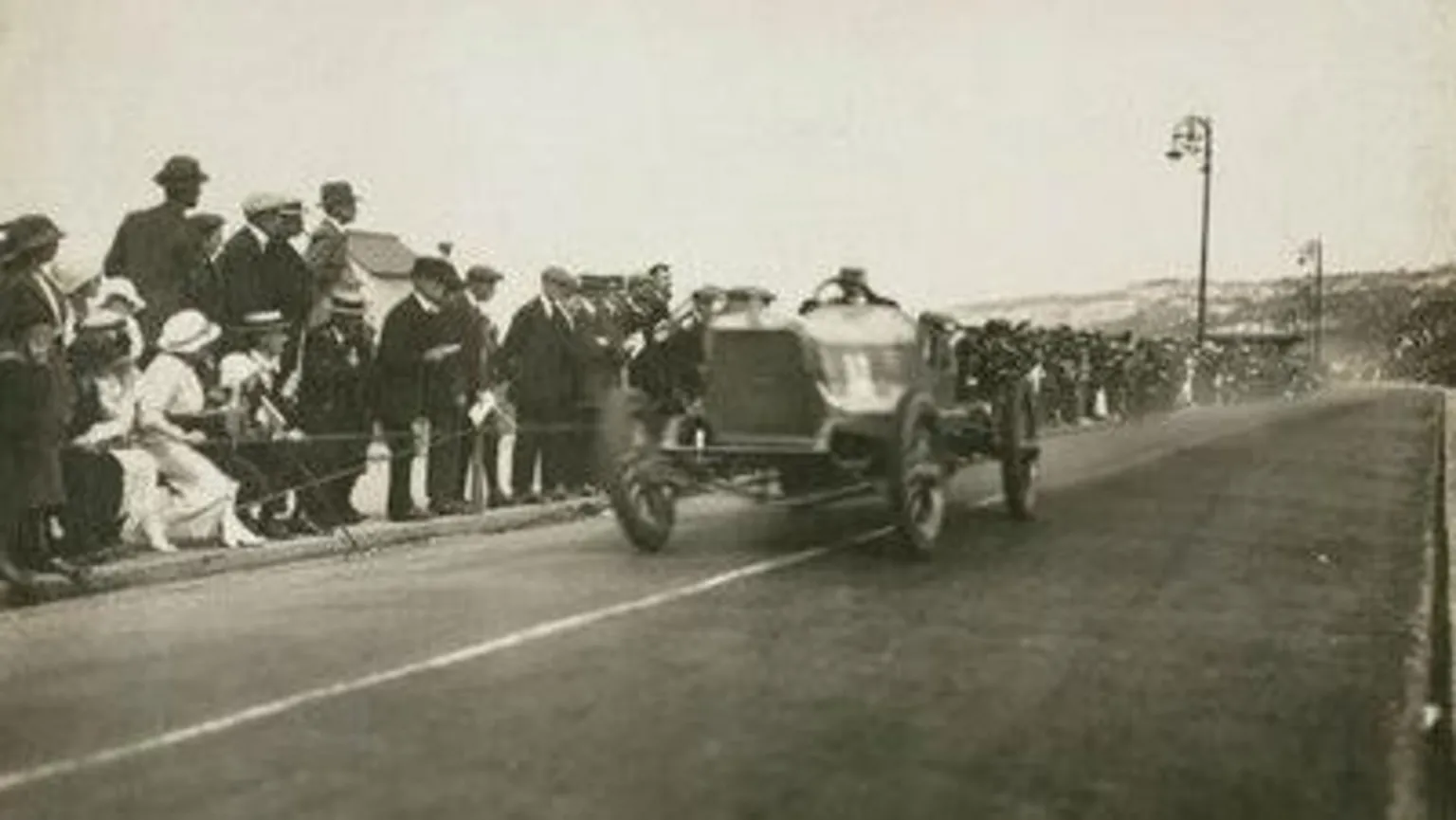
John said: "The pictures are unbelievable! The fans are standing six or 10 feet away from the track, sometimes separated by a rope, but more often just relying on their common sense to get out of the way of a speeding car.
The appetite for speed in those days was phenomenal – almost as popular a spectator sport as football – it was the Space Race of its day, because many of the crowd wouldn't have ever seen a car before these races, far less have ridden in one."
Female Participation and Post-War Changes
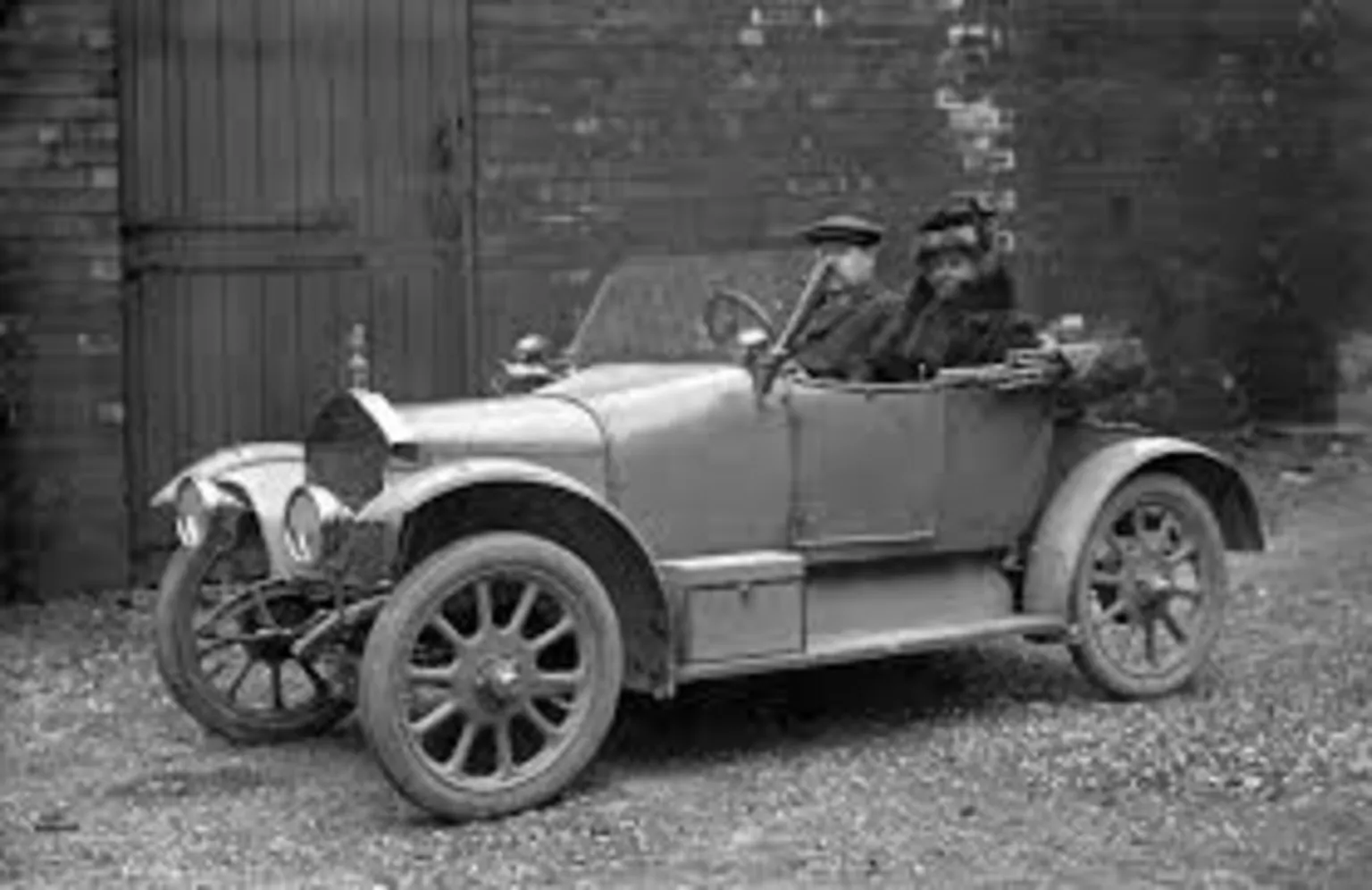
Initially, the Colwyn Bay time trials were relatively inclusive for female competitors. For example, Miss LB Starkey of Bournemouth won the 1914 12/16hp category driving a Sunbeam, achieving a top speed of 60.4mph.
However, by the period immediately following World War One, the dynamics shifted significantly.
"After the war there were a lot of former servicemen trying to replicate the sort of adrenaline rush they must have experienced at the front, and as many of them were from affluent officer classes, a lot more money came into the sport, and the barrier to entry became a lot higher."
The End of an Era
This intense competition for speed and financial investment, likened to a Space Race, ultimately led to the decline of the Colwyn Bay Trials.
After 18 years of thrilling high-speed events, the roaring engines on the seafront ceased.
John said: "The cars just got too quick for the 2km strip, by the late 1920s they had to find venues which were longer and safer for competitors and spectators."