

Trump's $1.8bn 'Anti-Weaponisation' Fund Abandoned After GOP Revolt
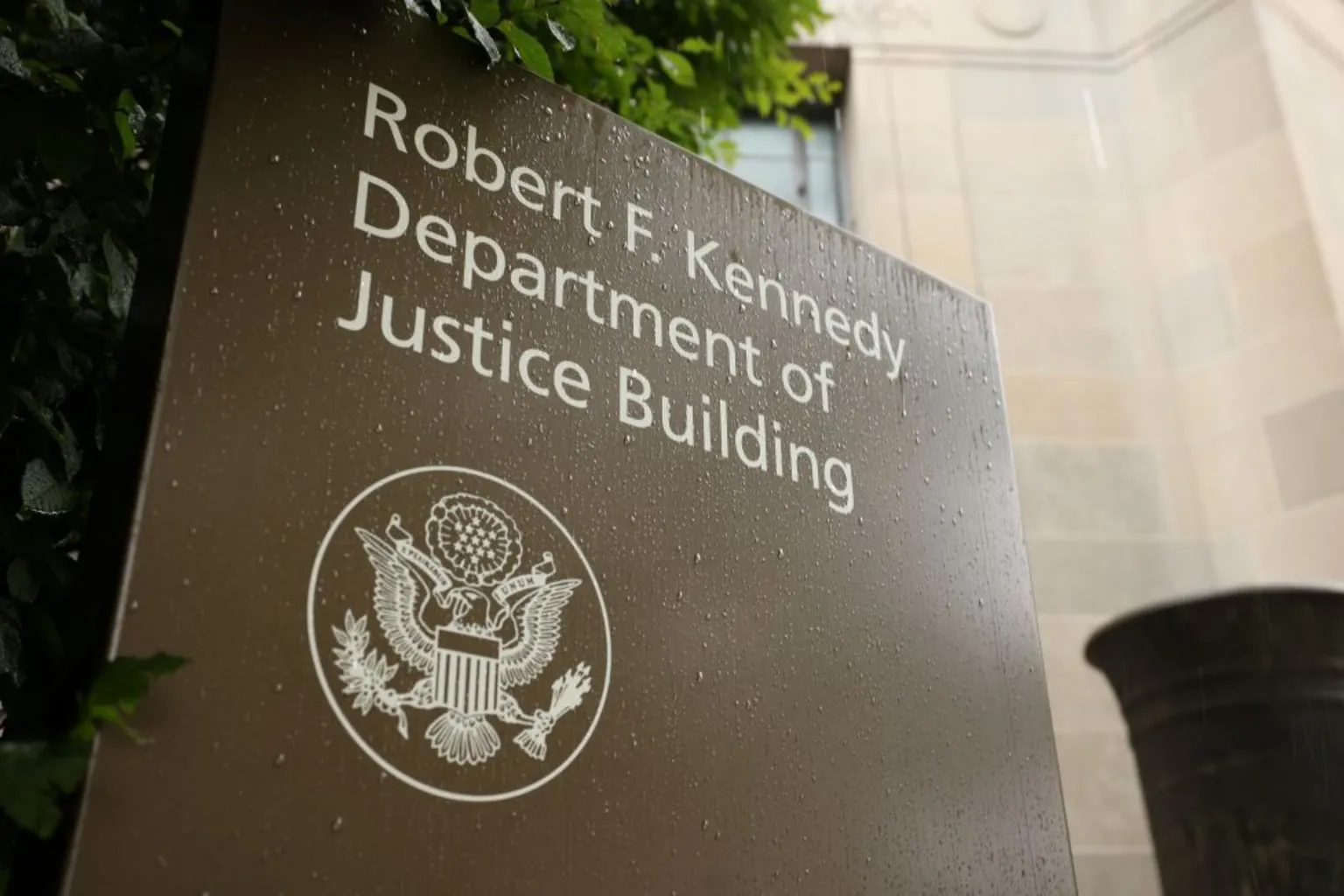
President Donald Trump's initiative to distribute $1.8 billion (£1.3 billion) in taxpayer funds to political allies lasted only two weeks before the Department of Justice (DOJ) terminated the plan following strong opposition from Republicans in Congress.
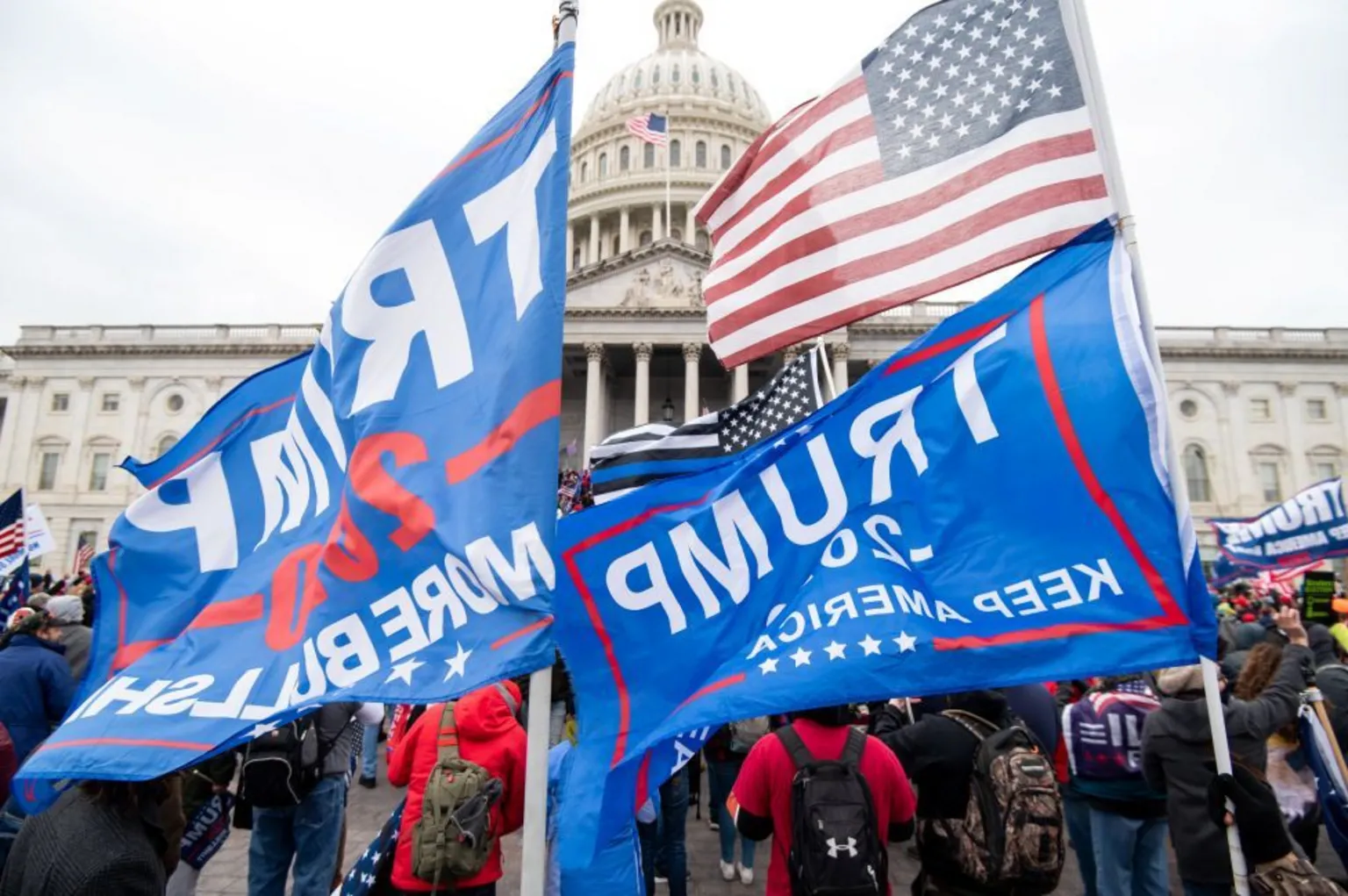
The DOJ's announcement on Tuesday to end the "anti-weaponisation" fund came after a rebellion within Trump's own party. Republican lawmakers threatened to block a vital immigration bill unless the administration withdrew the proposal to allocate public funds to Trump supporters, including potentially individuals involved in the 6 January 2021 US Capitol attack.
Republican officials and Trump allies regarded the controversy as an unnecessary misstep by the former president at a time when both he and his party face significant challenges.
"This was a total self-inflicted wound and completely unnecessary," said a former Trump adviser who requested anonymity to speak candidly.
"It speaks to the president's myopic view sometimes," the source added. "He's going to do what he wants to do regardless of whether it hurts Republicans."
Trump is contending with an unpopular conflict in Iran, rising domestic fuel prices, and a low approval rating that could negatively impact Republicans in the upcoming midterm elections.
Details of the Fund and Its Controversies
The fund was part of a settlement related to a lawsuit Trump dropped against the IRS. It aimed to compensate individuals the administration deemed unfairly targeted by the Biden administration.
The settlement also included a ban on current tax audits of Trump, his family, and his businesses—a provision criticized by both Republicans and Democrats as corrupt. The administration justified the fund as necessary to "make whole" Americans who were wrongly prosecuted, asserting that payouts were open to all, including Democrats.
However, officials did not exclude the possibility of compensating January 6 rioters. On Tuesday, Acting US Attorney General Todd Blanche confirmed that the provision protecting Trump and his family from tax audits would remain, further angering Republicans who called for its removal.
Republican Pushback Signals Limits to Trump's Party Control
The uproar surrounding the fund exemplifies a growing trend in Trump's second term: some Republicans are increasingly willing to resist when they perceive the president's efforts to expand his power, reward allies, or punish opponents as excessive.
Since returning to office, Trump has faced multiple challenges from within his party, indicating his influence is not absolute.
For instance, several Senate Republicans joined Democrats last month in passing a war powers resolution aimed at limiting the duration of the conflict with Iran. (A similar resolution has yet to pass the House, and its effectiveness in compelling Trump to act remains uncertain.) Last year, Republicans voted to compel the Justice Department to release files related to the late sex offender Jeffrey Epstein, another setback for Trump.
The White House attempted to manage Republican discontent over the Epstein matter for months before Trump ultimately conceded to pressure and agreed to release the files. In contrast, the Republican backlash against the DOJ fund was swift and appeared to catch Trump and his senior aides off guard.

Senate Republicans Confront Attorney General Over Fund
On 21 May, Senate Republicans criticized the fund during a tense private meeting with Acting Attorney General Blanche, just two days after the fund's announcement. Senator Ted Cruz of Texas described the meeting on his podcast Verdict, stating Republicans were vocally opposed.
"There were multiple senators yelling at the attorney general, saying this feels like self-dealing," Cruz said.
Following the meeting, Republican pressure to abandon the fund intensified.
Republicans delayed legislation to finance US Immigration and Customs Enforcement (ICE) and Customs and Border Patrol (CBP), signaling to Trump that the fund could jeopardize a long-overdue spending bill for these critical immigration agencies. Upon lawmakers' return to Washington, Senate Majority Leader John Thune urged the administration to terminate the fund.
"The best way to handle it is if the administration decides to shut it down themselves," Thune told reporters at the Capitol on Monday.
Republican opposition grew as Democrats pledged to block the immigration bill over the fund, and multiple groups filed lawsuits seeking to halt the program.
Bipartisan Opposition and Legal Challenges
The controversy marked a rare moment of bipartisan consensus against Trump. While Democrats have consistently opposed the president during his second term, few Republicans publicly defended the fund amid the backlash.
The legal system also became a battleground. On Friday, a federal judge ordered the DOJ to suspend the fund to allow a lawsuit challenging it to proceed.
In response, the DOJ announced on Monday a temporary suspension of the compensation program, citing the court ruling. However, critics—including some Republicans—called for a complete abandonment of the plan. On Tuesday, Blanche officially ended the fund, informing House lawmakers: "We're not moving forward with the fund."
Despite this, the issue is unlikely to be resolved soon. Blanche also indicated he was not "committing to putting anything in writing," which some interpreted as leaving open the possibility of revisiting the fund in the future. Meanwhile, critics vowed to continue legal challenges.
"Litigation provides a safeguard to make sure" Trump doesn't revive the idea, said Norm Eisen, co-founder of the Democracy Defenders Fund, representing plaintiffs in one lawsuit against the administration.
Democrats have pledged to introduce amendments to the immigration bill to prevent presidents from using taxpayer funds to reward political allies. The issue has become a significant point of contention on the left and is expected to feature prominently in Democratic campaign advertisements against Trump ahead of the midterm elections.
Democratic Leaders Demand Permanent End to Fund
On Tuesday evening, Senate Minority Leader Chuck Schumer, the top Democrat in the chamber, declared the administration's promise to end the fund insufficient.
"Blanche and Trump's words are worthless," Schumer said in a social media post. "The only way to stop Trump's nearly $2 billion MAGA slush fund and his blank check to commit tax fraud is to abolish it by law - permanently."
He added: "Senate Democrats will force a vote on the floor to end Trump's corrupt scheme for good."

Follow the developments of Trump's second term with North America correspondent Anthony Zurcher's weekly US Politics Unspun newsletter. Readers in the UK can here. Those outside the UK can here.


