

Deep Space Mission Amid Political Division
The first deep space journey since 1972 occurs at a pivotal moment in Donald Trump's presidency. The United States remains sharply divided on issues such as ongoing US strikes in Iran, immigration policies, and the economy.
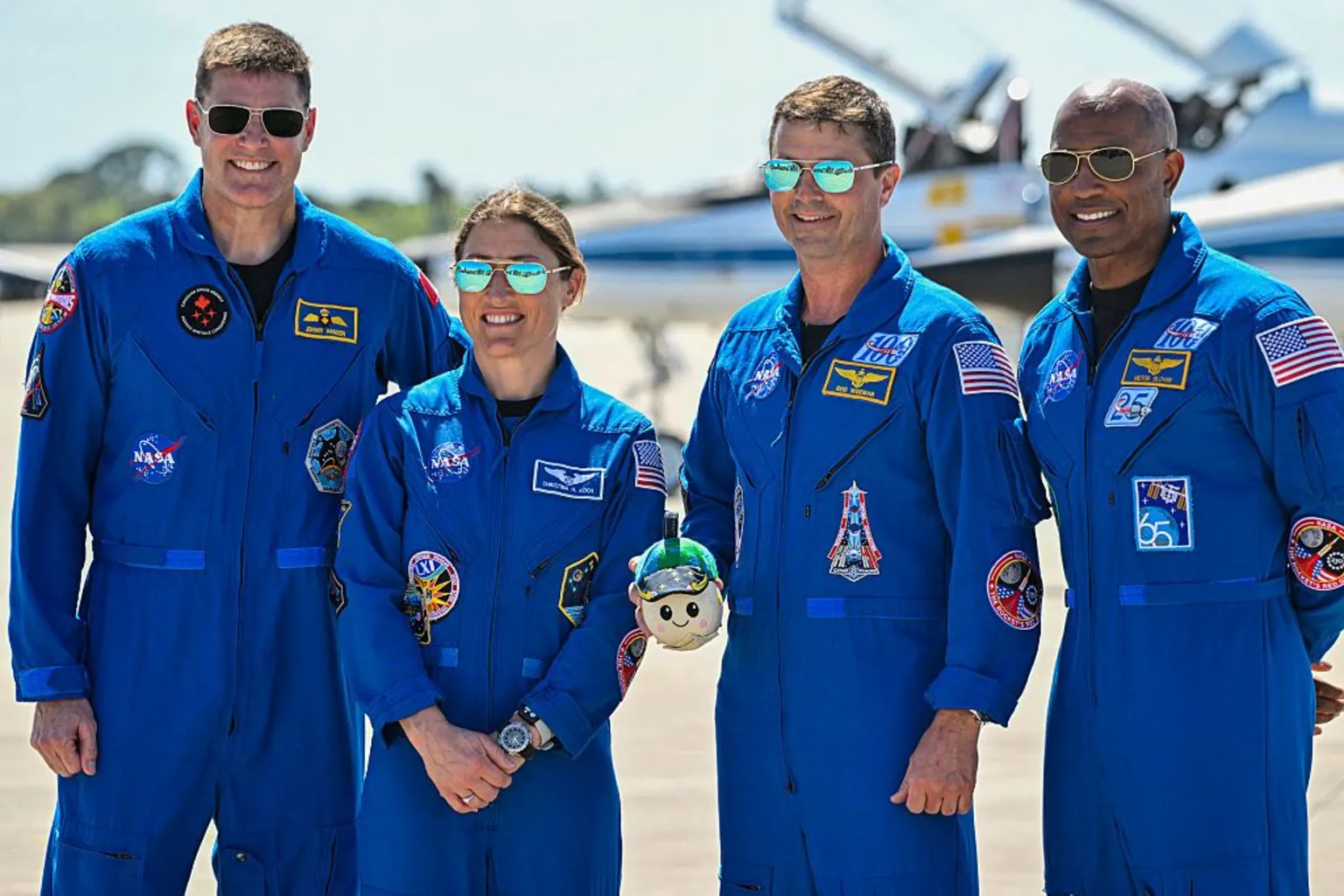
A successful Artemis mission, scheduled to send four astronauts to the Moon on Wednesday, could provide a significant boost to the Trump administration. The potential advantages include gaining a competitive edge over China, initiating a possible lunar resource boom, and fostering a rare moment of national unity.
Officially, NASA describes the mission—which will take the crew farther into space than any humans have traveled before—as a stepping stone toward establishing a permanent lunar base and ultimately reaching Mars.
'Stars and Stripes on the Planet Mars'
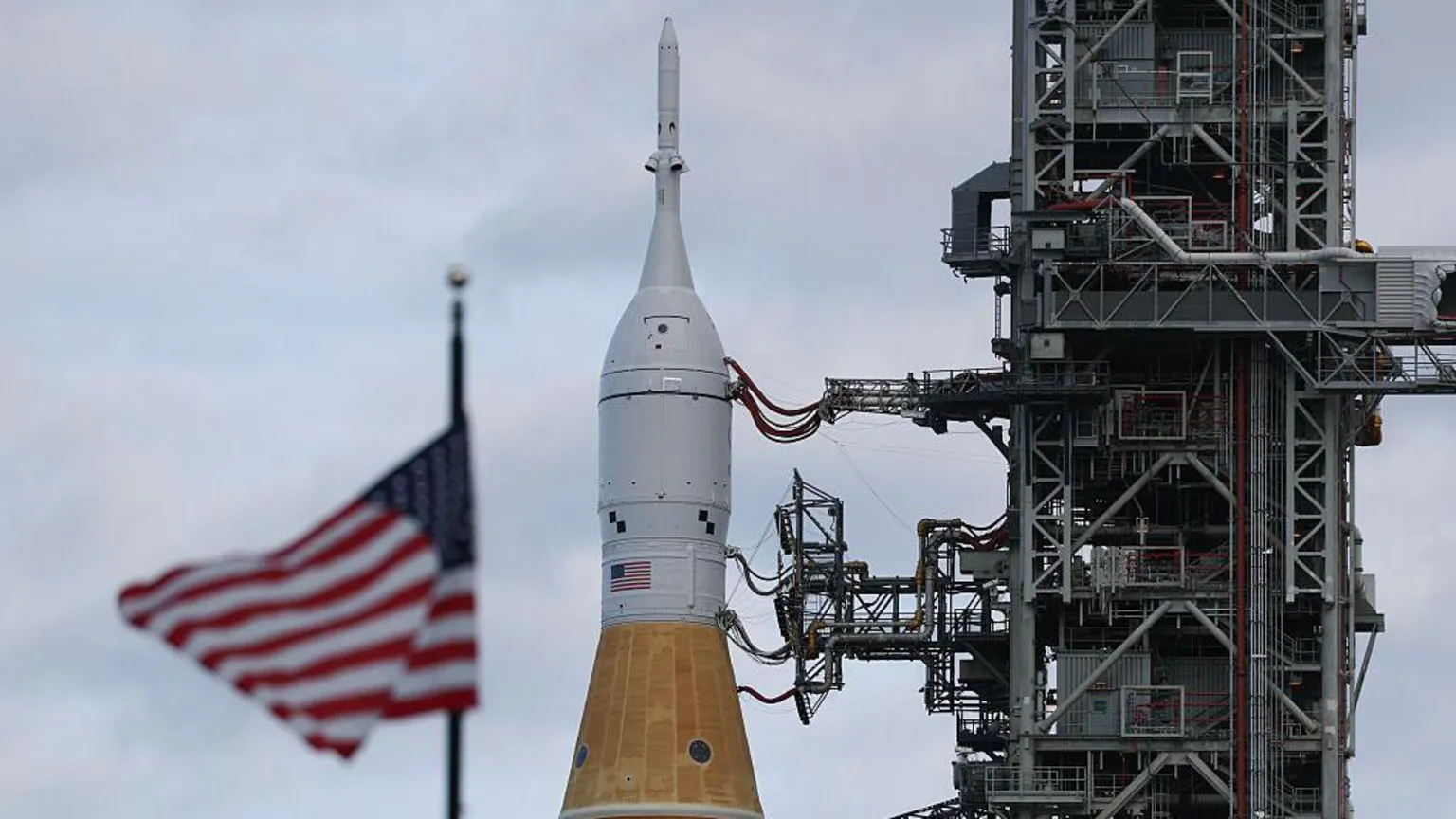
While US interest in returning to the Moon predates Trump's political career, he directly initiated what became the Artemis program during his first term, pledging to "launch American astronauts to plant the Stars and Stripes on the planet Mars." He also recognized military opportunities in space and established the Space Force as a new branch of the Pentagon.
In his second term, Trump's focus shifted toward the Moon. In December of the previous year, he signed an executive order mandating a US return to the Moon by 2028 and the creation of a permanent lunar outpost by 2030. The order emphasized that US dominance in space reflects national vision and determination, contributing to the country's strength, security, and prosperity.
The executive order did not explicitly mention competition from China, a factor NASA Administrator Jared Isaacman has openly addressed.
"We find ourselves with a real geopolitical rival, challenging American leadership in the high ground of space," Isaacman stated at a NASA event on 24 March. "This time, the goal is not flags and footprints," he added. "This time, the goal is to stay. America will never again give up the Moon."
Battle for Ideological Influence on Earth
During the Cold War space race with the Soviet Union, reaching the Moon was primarily a geopolitical objective.
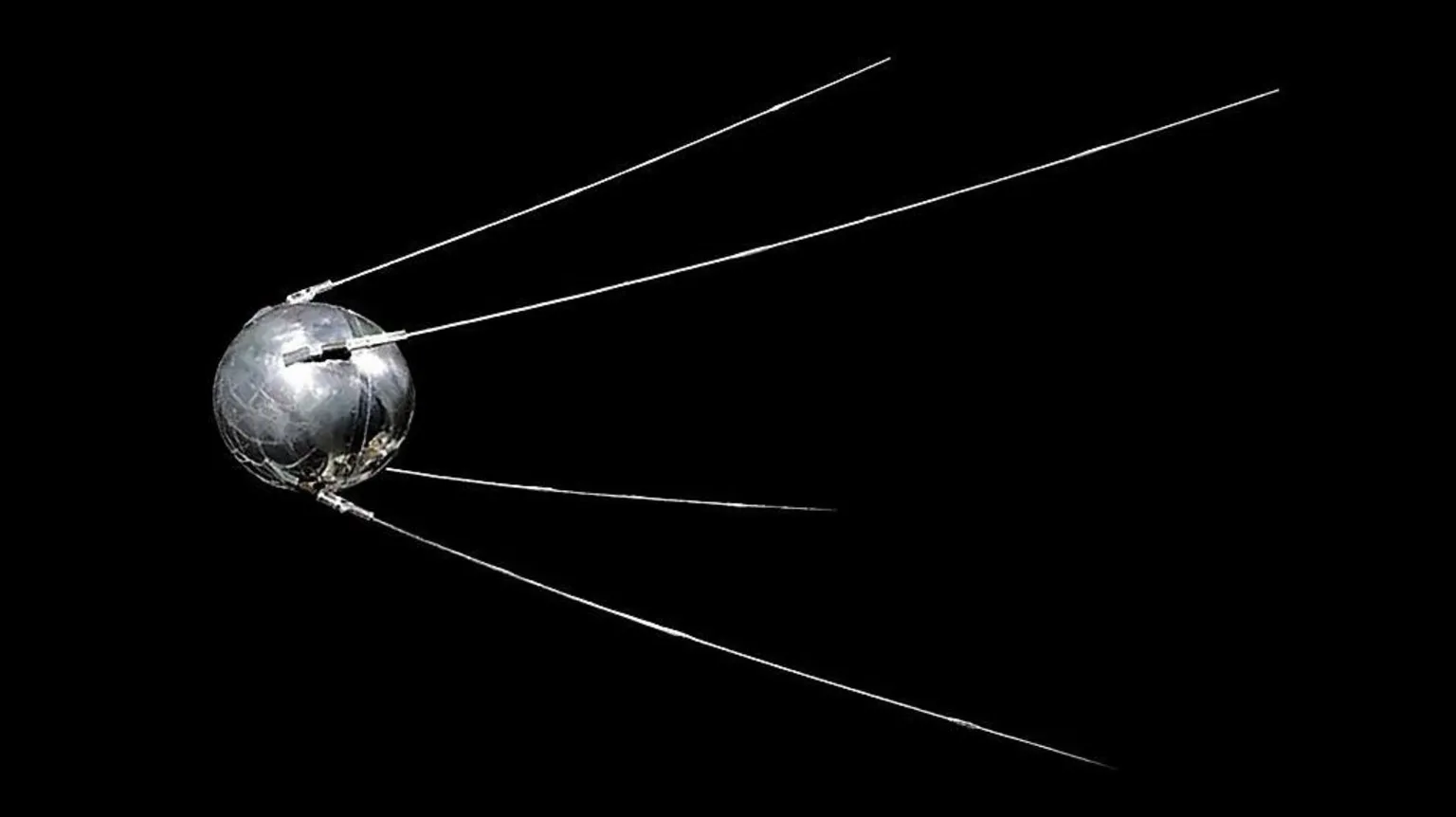
With Washington and Moscow engaged in a struggle for ideological dominance on Earth, space became a new arena to demonstrate technological superiority. This urgency intensified after the Soviet Union launched Sputnik, the world's first satellite, in 1957, which sent shockwaves through the United States.
President John F. Kennedy explicitly framed the mission as political, both publicly and privately.
"This is important for political reasons," Kennedy said in a declassified 1962 White House conversation with NASA Administrator James Webb. "This is, whether we like it or not, a race."
Space Race with China
The current Moon race is between the US and China, which has accelerated plans to land a crew on the lunar surface within the next few years.
This exploration carries a potentially vast and lucrative economic dimension amid ongoing trade tensions between the two nations.
Former NASA Administrator Sean O'Keefe told the BBC that countries that establish a presence on the Moon will gain advantages in exploring and developing lunar resources.
"After all these years of thinking it was nothing more than a dust bowl, we have come to realise it has a significant amount of helium 3," he said, noting that helium-3 could be used to power small, compact nuclear fusion reactors with relatively long lifespans. "That opens up all sorts of other opportunities."
Additionally, the Moon contains water ice, which can be utilized for rocket propulsion, as well as rare earth minerals such as lithium, platinum, and other materials critical to electronics and clean energy technologies.
On Earth, these markets are currently dominated by Chinese mining operations, a key concern for the Trump administration.

The exact value of these lunar resources remains unknown but could be enormous. Helium-3 alone currently trades at over $20,000 per kilogram, making it one of the most valuable substances on Earth.
'Lunar Gold Rush'
Clayton Swope, a veteran of the CIA's Directorate of Science and Technology and former space affairs adviser on Capitol Hill, compared the "lunar gold rush" to the Lewis and Clark expedition across the western United States in the early 1800s.
"We didn't quite know the value of the western part of the US, or the Pacific Northwest, but we thought it was there," he said. "Part of [the mission] is trying to figure out what that value is. We can't quite put a price tag or a dollar amount on the Moon, but you can't get away from that competition and rivalry with China."
The White House views space as another domain for the US to assert its dominance.
"With President Trump's America-First policies, the United States will lead humanity into space and enter a new era of groundbreaking achievements in space technology and exploration," said White House spokeswoman Liz Huston.
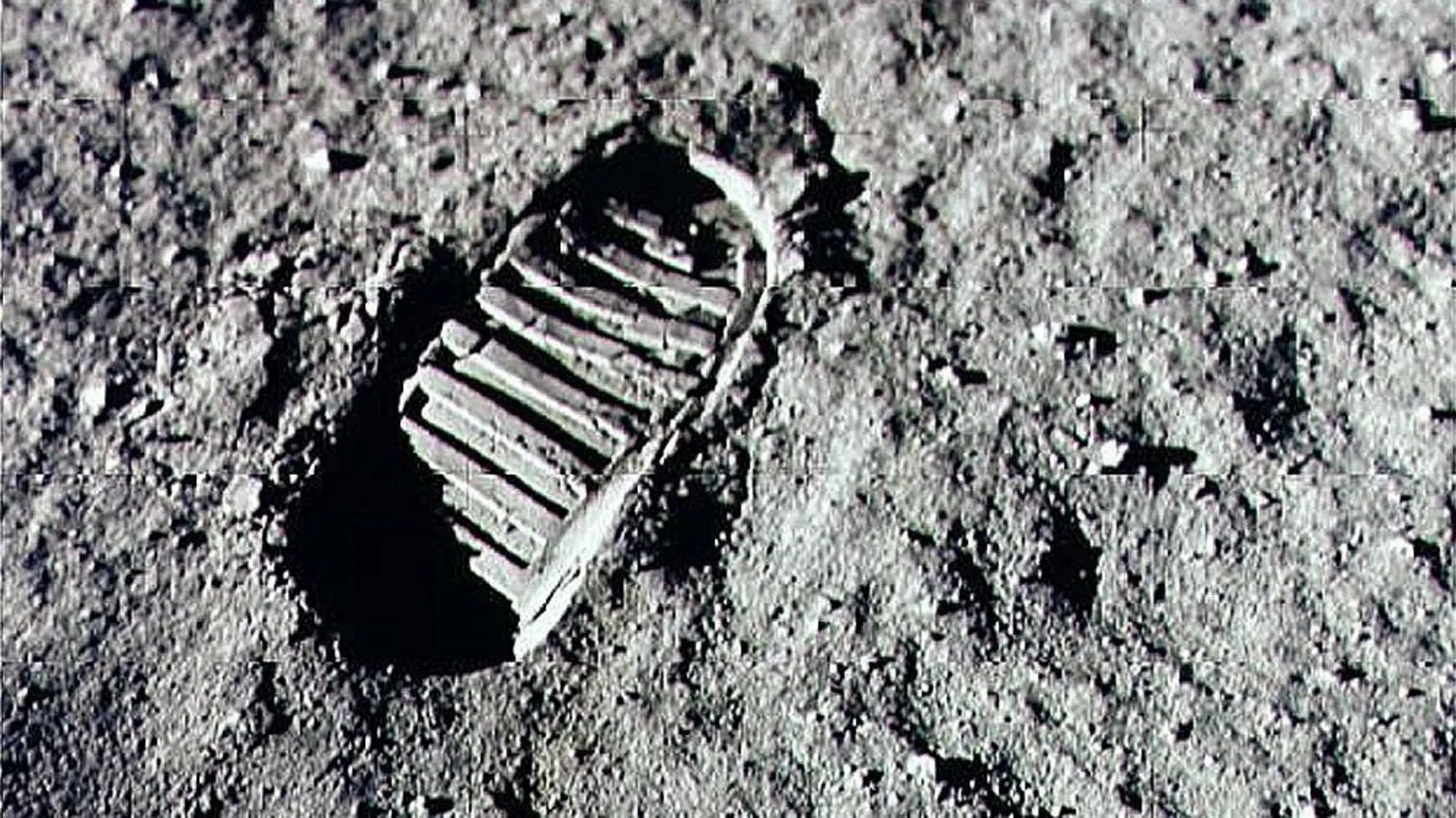
Trump's generation grew up with images of astronaut Neil Armstrong taking his historic first steps on the Moon in July 1969—moments etched deeply into their collective memory.
At that time, the US was experiencing turmoil.
American soldiers were engaged in an unpopular war in Vietnam; civil rights tensions were high; the assassinations of Martin Luther King Jr. and Robert Kennedy were still deeply felt; and the polarizing figure of Richard Nixon occupied the White House.
Despite these divisions, an estimated 125 to 150 million Americans tuned in to watch the Apollo 11 Moon landing, creating a rare moment of collective national pride during a difficult period in US history.
Collective National Pride
Some experts suggest that the Artemis mission could recreate such unity in 2026, at a time when Americans remain polarized and the US is again engaged in war.
"Space is one of the few areas that Americans with different political views can enjoy and watch together," said Esther Brimmer, a senior fellow at the Council of Foreign Relations specializing in space policy.
"The space programme is something that most Americans have grown up with and see as a point of pride," she added. "It's by and large unifying, in terms of the social impact."
Astrophysicist David Gerdes was five years old when Armstrong walked on the Moon.
"One of my very earliest memories was being allowed to stay up way past my usual bedtime, dozing on a blanket in front of our black-and-white television, watching Walter Cronkite report on the Apollo 11 landing," said Gerdes, now a professor at Case Western Reserve University in Ohio.
"Many, many people of all ages were inspired by the technology, the boldness, and the spirit of the astronauts."
He added that for a moment, the event transcended partisan divisions.
"I would certainly hope that a return to the Moon by a group of Americans that is more diverse than those who took part in the 1960s can really help bring the country together."


