

Cause of Death Announced for Teen Found in Singer D4vd's Vehicle
After months of speculation and delays, officials have revealed that the teenage girl discovered in the trunk of singer D4vd's car died from "multiple penetrating injuries."
The Los Angeles County medical examiner's office announced on Wednesday that they had ruled Celeste Rivas Hernandez's death a homicide. The 14-year-old succumbed to injuries inflicted by an undisclosed object or objects.
Rivas Hernandez was found deceased in the front boot of a Tesla registered to TikTok star D4vd, aged 21, in September. The singer faces multiple charges related to her death, including murder.
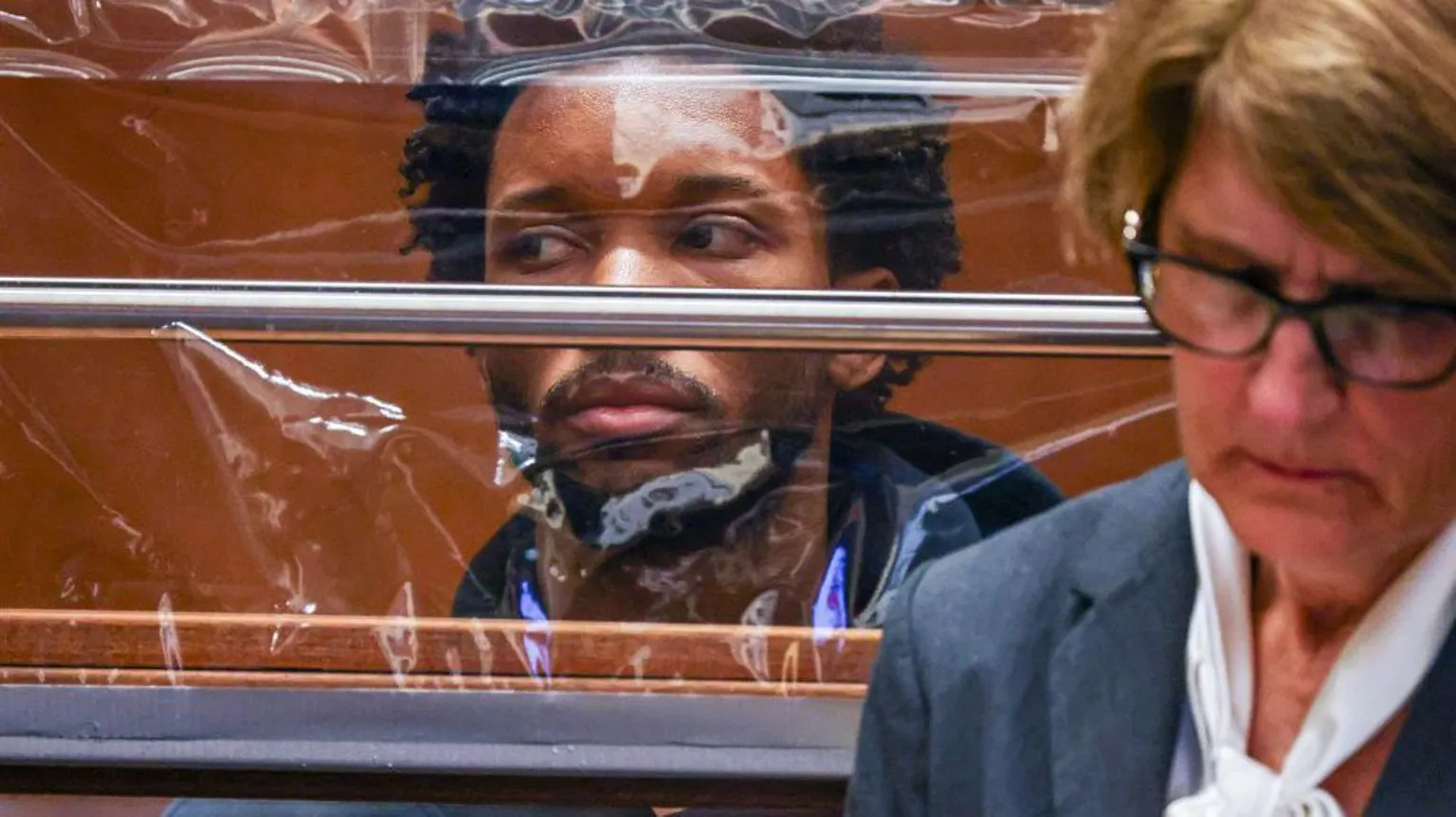
D4vd, whose legal name is David Anthony Burke, has entered a plea of not guilty. His legal team has stated their intention to "vigorously defend his innocence."
The defence has expressed confidence that the "actual evidence will show that David did not kill Celeste" and that he was not responsible for her death.
"We will vigorously defend David's innocence," his attorneys Blair Berk, Marilyn Bednarski and Regina Peter said in a statement to the BBC.
Investigators from the medical examiner's office examined Rivas Hernandez's body soon after her discovery in September. They determined the cause and manner of death on 9 December but were prohibited from releasing this information publicly while police continued their investigation.
"After several months, I am grateful this information can now be released, not only to the public, but also to the grieving family enduring loss," said Chief Medical Examiner Dr Odey Ukpo in a statement.
"It is unfathomable they have had to wait this long to learn what happened to their daughter," said Ukpo, who had criticized the decision to delay releasing their findings.
Family Responds to Tragic Loss
Rivas Hernandez's family issued their first public statement about her death this week, following Burke's arraignment in court on Monday.

They expressed gratitude towards the police, prosecutors, and the Lake Elsinore community for their support throughout the months.
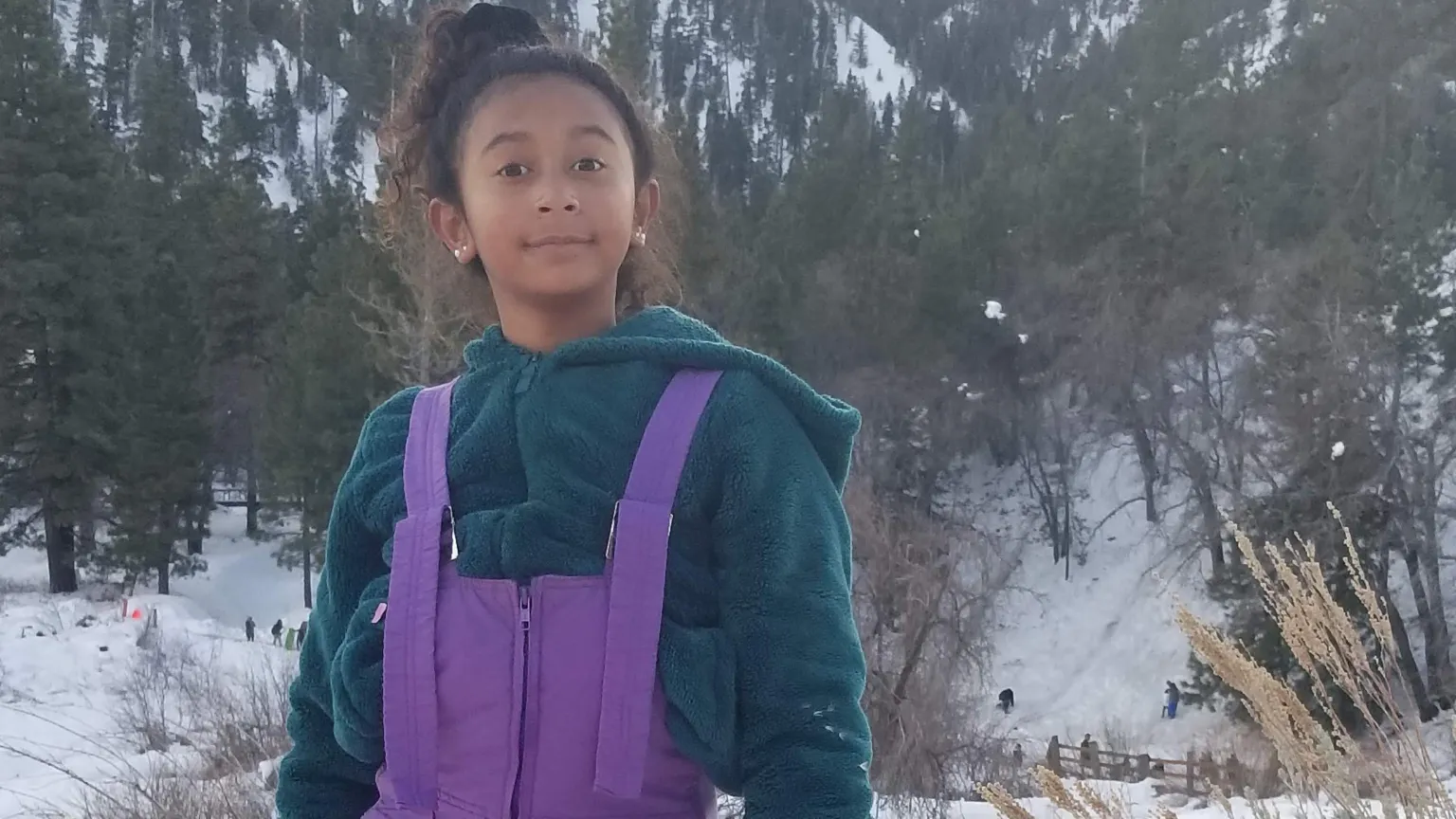
"Celeste was a beautiful, strong girl who loved to sing and dance. Every Friday night was movie night and we spent wonderful times together," her parents Jesus Rivas and Mercedes Martinez said in a statement.
"We love her very much and she always told us that she loved us. We miss her deeply. All we want is Justice for Celeste."
Family attorney Patrick Steinfeld told the BBC that the family was "devastated after hearing the gruesome details that came out in David Burke's arraignment."
Details from Law Enforcement and Legal Proceedings
At a news conference, Los Angeles District Attorney Nathan Hochman stated that the teen had gone to Burke's Hollywood Hills residence on 23 April 2025 and "she was never heard from again."
"A parent's nightmare is a situation where your daughter goes out one night and never comes back," Hochman said.
Her parents reported her missing in April, but it was not until September that her body was found. More than seven months later, police arrested the singer in Los Angeles last week.
Since the discovery of the teen's body in his car last year, the singer has largely withdrawn from public life. His world tour was cancelled, and brand partnerships were reportedly terminated.
Los Angeles Police Department Chief Jim McDonnell defended the agency's handling of the case and the delay in making an arrest during a Monday statement.
"I want to be clear about something. My duty is not to fuel speculation. It's to deliver justice, and that requires patience and discipline on everybody's part," he said.
"This investigation was driven by a single purpose to secure justice for Celeste Rivas and for those who loved her. We had to be certain that nothing we did or said would ever jeopardise this case."
McDonnell added that the condition of the teen's body delayed the determination of her cause of death because a "substantial amount of time" had passed between her death and the discovery of her body, causing evidence to degrade or disappear.
District Attorney Hochman also noted challenges that delayed filing charges. When asked by the BBC about these issues, he described difficulties in interviewing multiple individuals, some cooperative and others not, as well as reviewing all evidence.
"It's the type of case that you want to get maximum information," he said, urging anyone with additional information to come forward.


