

Meta's Muse Image Sparks Privacy Concerns
Meta has come under criticism for its new AI tool, Muse Image, which can generate images using other users' Instagram profile pictures without notifying them. Muse Image is one of several text-to-image tools available publicly, enabling users to create pictures from brief text prompts.
The tool is accessible via the Meta AI app, web browsers, WhatsApp, and Instagram Stories for users in the United States.
Although Meta states that users can opt out of having their images used even if their accounts are public, Donald Campbell, advocacy director at the tech justice non-profit Foxglove, expressed serious concerns to the BBC.
"We've already seen a catalogue of harms from non-consensual AI-altered images on social platforms just in the past year," he said.
"It is hard to see why Mark Zuckerberg thinks facilitating yet more of this creepy image manipulation is a good idea."
This feature is expected to attract increased scrutiny amid growing regulatory and activist concerns about AI-generated images. Ofcom is currently investigating X regarding Grok's involvement in creating and distributing non-consensual AI-altered images of real individuals.
Privacy International also criticized the feature, telling the BBC it represents "the latest sign AI companies see people's images and data as raw material to be exploited." A user on X commented,
"Pulling real users into generated photos without explicit consent is a privacy landmine waiting to detonate."
Meta explained that a dedicated setting, separate from general account privacy controls, allows users to opt out even if their accounts are public. To do so, users must navigate to Instagram's settings menu, select "Sharing and Reuse," and disable "Allow people to reuse your content on Instagram and with AI features at Meta" for posts and reels.

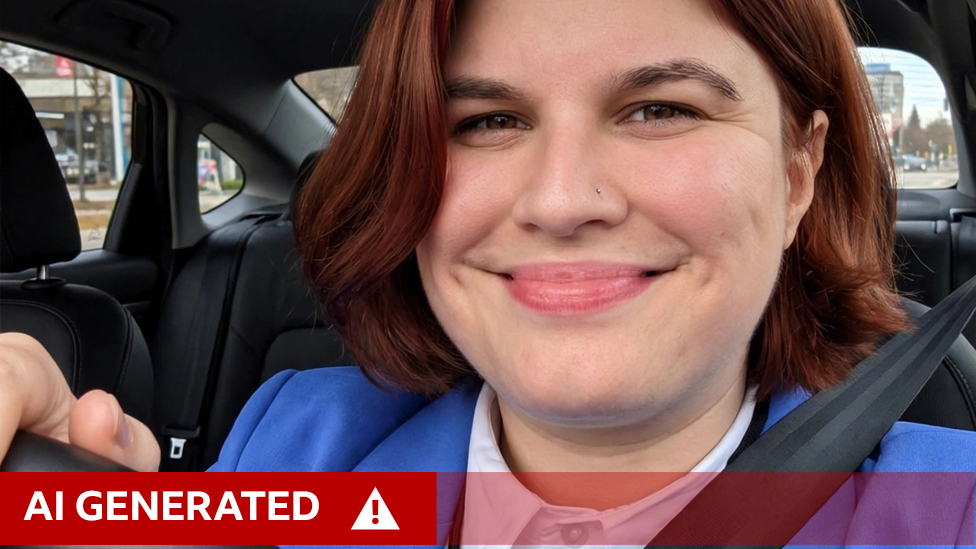
Entering a Crowded Market with Instagram Integration
Numerous AI tools capable of generating images from text prompts already exist, placing Meta in a competitive market. However, Meta's integration with Instagram is a novel and influential development.
To test the tool, I requested Muse Image to create an image portraying me driving a car. The result convincingly depicted me behind the wheel, although the AI did not recognize that in the UK, the steering wheel is on the right side.
In a blog post announcing the tool, Meta described Muse Image as utilizing "advanced reasoning to understand complex prompts, seamlessly blending multiple photos into high-quality creations you can download and share anywhere."
The company also noted that users can select from presets and suggested prompts to inspire creativity, as well as make sketch edits directly onto images.
Muse Image is free for everyday use, but Meta offers subscription plans for users requiring higher usage limits.
Meta further stated that Muse Image will soon be available on Facebook and Messenger, and through an additional tool aimed at advertisers. A video-generation version of the tool is reportedly under development.

Additional Related Information
- Regulators have contacted Meta regarding employees viewing intimate videos recorded with AI-enabled glasses.
- Concerns about smart glasses being an invasion of privacy persist, even as Meta's devices continue to sell well.
- Meta recently settled the Cambridge Analytica scandal with a $725 million agreement.


