‘A sanitized view of America’: inside Trump’s campaign to erase US history from national parks
Critics argue the Trump administration sought to rewrite and whitewash history by removing and altering numerous signs on public lands.
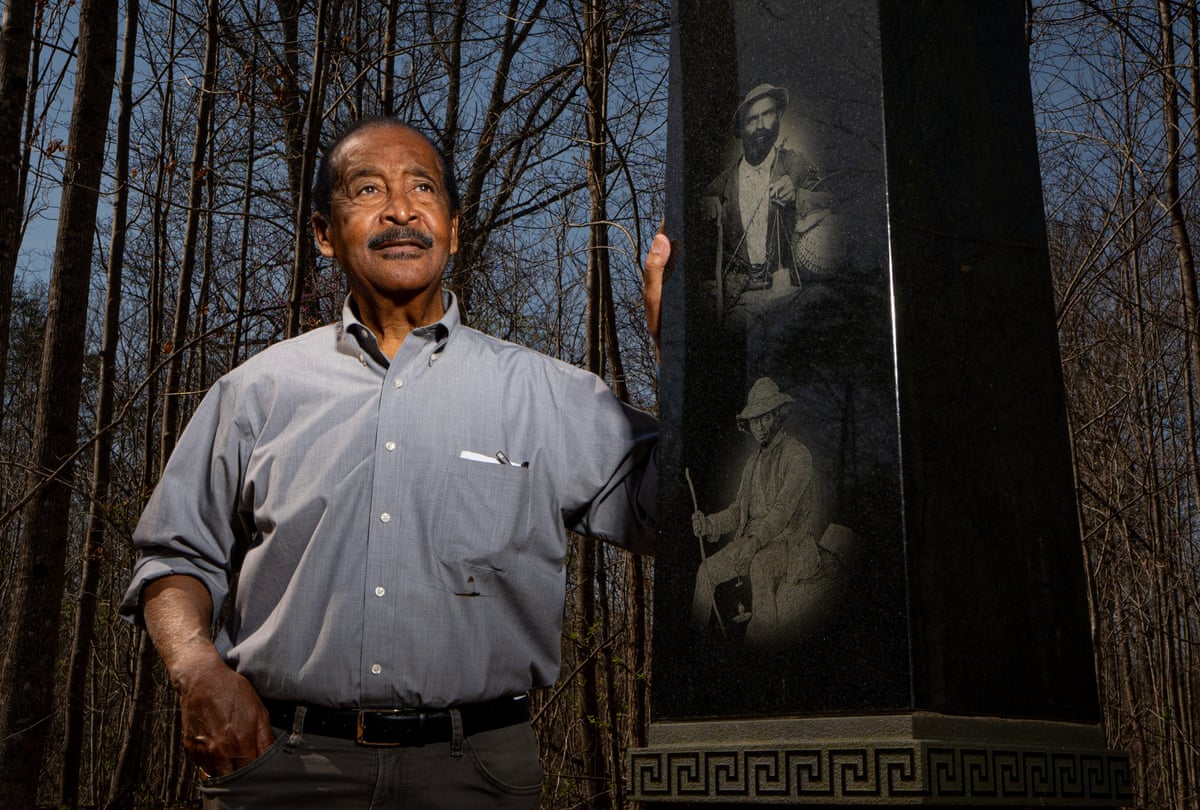
Jerry Bransford, a former US National Park Service (NPS) ranger, has a profound connection to the land he grew up on and the extensive cave system beneath it. His great-great-grandfather, Materson “Mat” Bransford, was among the earliest explorers of Mammoth Cave in south-central Kentucky, the largest known cave system worldwide.
However, for decades, Mat was unpaid for his work. Enslavers rented him out for $100 annually to a man aiming to develop the site into a tourist attraction, which later became Mammoth Cave National Park.
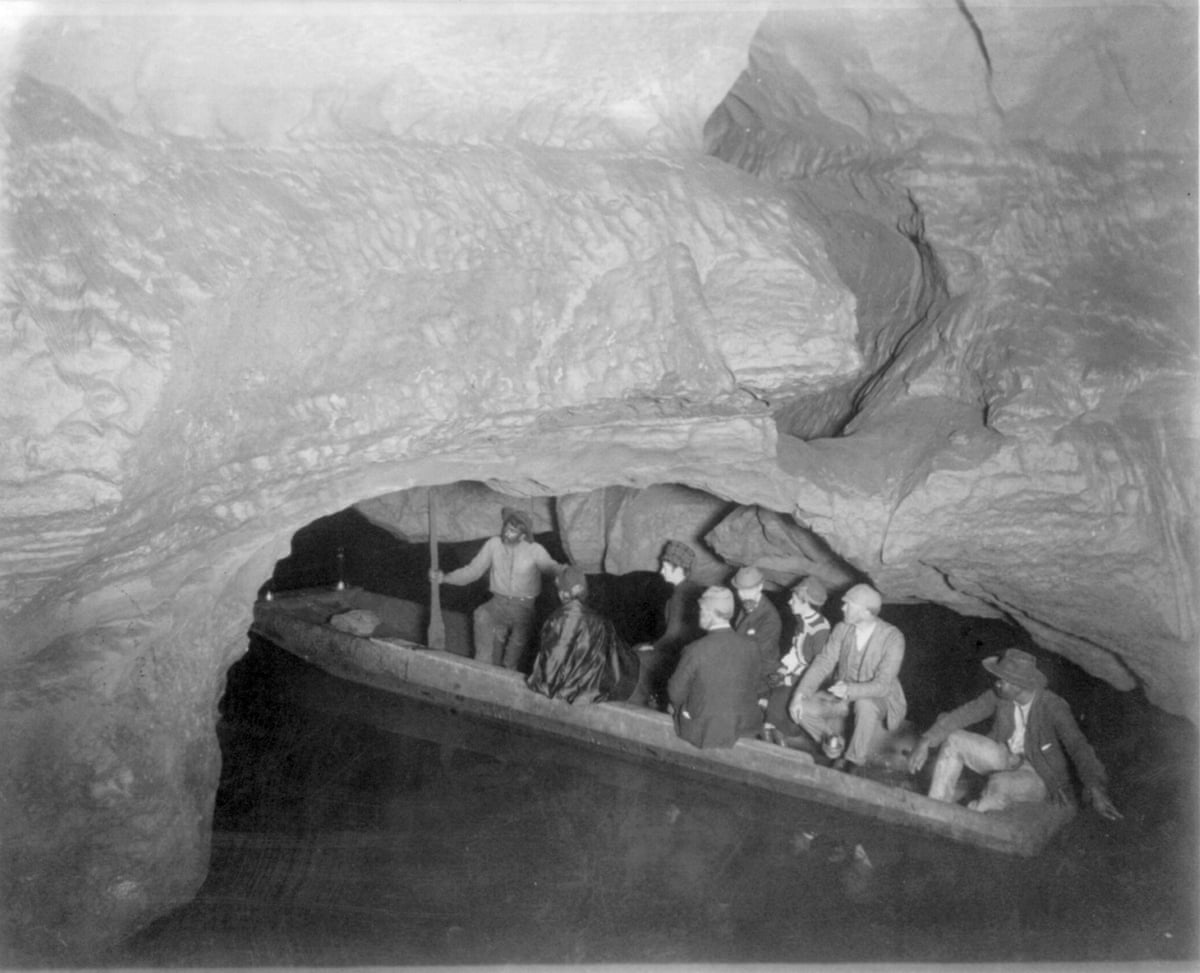
In the mid-19th century, Mat was one of several enslaved guides who mastered the vast underground terrain, leading distinguished visitors such as Emperor Dom Pedro of Brazil and Ralph Waldo Emerson through the extensive network of passageways and caverns.
“At the hotel, restaurant and slave quarters, they were in slavery, but once they went down inside that cave, they were free,”
said Jerry, 79, who worked at Mammoth Cave National Park for over twenty years.
Mammoth Cave commemorated this history with a sign depicting five generations of Bransford cave guides. However, this recognition is now at risk.
Often praised as “America’s best idea,” national parks are considered sacred lands. Many visitors may not realize that US history, alongside nature, is central to the experience at most of the 433 parks, historic sites, and monuments managed by the NPS.
Over the past eighteen months, this history has faced challenges as the Trump administration moved to reconstruct a preferred version of US history—one that omits the Bransford family, ignores Native American genocide, and denies climate change impacts such as glacier melting.
conducted an extensive review of thousands of images, files, and documents and interviewed current and former NPS employees to understand how the administration attempted to rewrite centuries of US history.
This report details how the administration nearly succeeded in removing numerous signs nationwide and the lasting impact of this censorship campaign on the NPS.
Critics contend that the changes in national parks represent more than political pandering or culture wars; they amount to erasing the narratives of those who are not white, wealthy, Christian, or male, potentially chilling historical interpretation in parks for years.
“It’s both stupid and uninformed and very pernicious,”
said Anne Mitchell Whisnant, a history professor at Duke University who contributed to visitor handbooks and historical research for several southeastern US parks before the Trump administration.
“The Trump administration has a very particular idea of whose stories are important and whose stories made the America that they hope to restore.”
The Department of the Interior did not respond to inquiries regarding the review process of flagged materials or the total number of signs removed or altered across the national park system.
‘What would my bigoted neighbor not want to read about?’
In May of the previous year, the Trump administration mandated park employees to review all park content within three months, an enormous task that overwhelmed staff, whose numbers had been reduced by over 25% since the administration began.
One regional park leader instructed staff in a meeting to simply “guess what the offending language was.” Another manager advised,
“If there’s any doubt at all … whether you think it’s appropriate or not, put it on there, report it.”All park employees interviewed by requested anonymity due to lack of authorization to speak publicly and fear of professional repercussions.
With minimal guidance, many staff had to interpret instructions independently. One employee described the process as donning their “white supremacist hat” to flag content; another asked themselves,
“What would my bigoted neighbor not want to read about?”
In March, an anonymous group calling themselves “civil servants on the front lines” leaked a database of staff submissions.
verified the database contents with multiple NPS staff.
The leaked database, containing nearly 2,000 images and files of flagged park material, offers a rare, detailed insight into the implementation of Trump’s executive order and the breadth of park history and science at risk of censorship.
Several entries reveal staff uncertainty about procedures. For example, a sign at the National Mall in Washington DC referencing enslaved dock-workers was flagged with the note,
“is the word ‘enslaved’ ok here?”
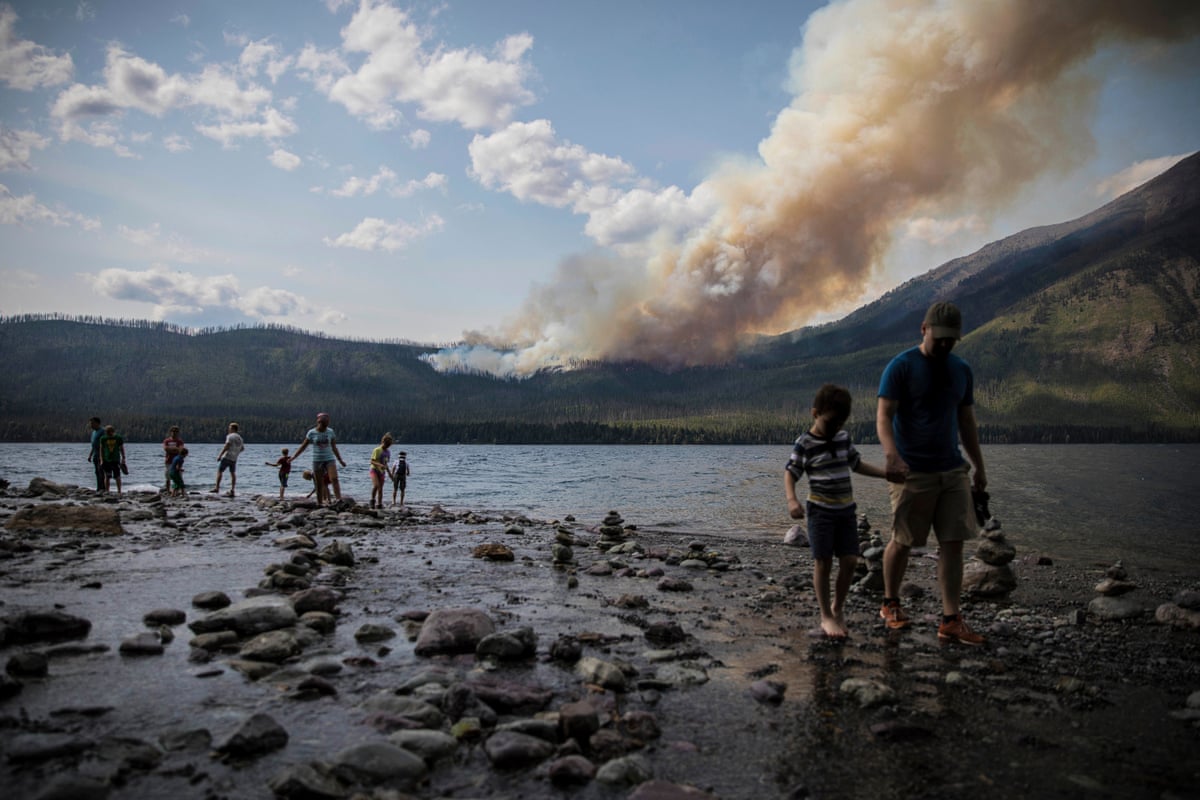
At Cape Hatteras National Seashore, signs addressing sea level rise and climate change were flagged for allegedly diminishing focus on the area's grandeur and abundance.
At Little Bighorn Battlefield National Monument, staff used ChatGPT to evaluate whether signs stating the US “implemented harsher policies and broke more promises” and was “hungry for land and gold” violated the executive order.
Initially, NPS leadership assured staff that submissions would be reviewed by a panel of subject matter experts. Later, officials stated that only a “handful of senior NPS officials” would conduct reviews, a change described by one employee as a “bait and switch.”
“It’s infuriating,”said one ranger.
“I joined the park service because their mission is to educate and to inspire, and you can’t do that with history that’s been sanitized.”
Submissions deemed “out of compliance” were returned to parks for rewriting or removal.
However, park employees report that senior officials kept details about which signs to remove confidential, and most staff were unaware of removals unless directly instructed. Feedback on changes was inconsistent and sporadic.
“There was a meeting and a call that I was on, and [our regional director] said: ‘You need to fix it,’ but you could tell everybody on the call was like: ‘Fix it how?’ And they’re like: ‘You come up with that,’”another anonymous employee said.
60 signs across 38 parks
An official list of removed signs emerged only after a judge ordered the Interior Department to provide an inventory amid ongoing litigation. The list identified at least 60 signs removed across 38 parks, ranging from Alaska to the Virgin Islands.
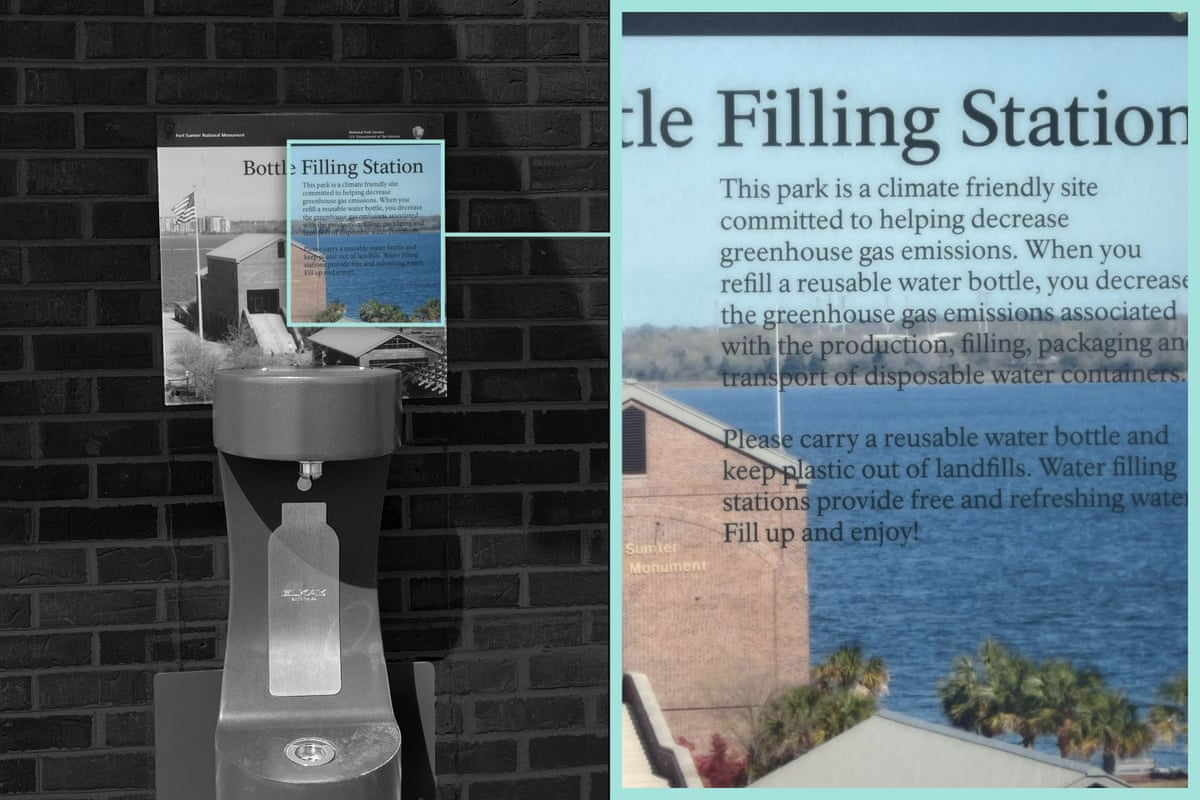
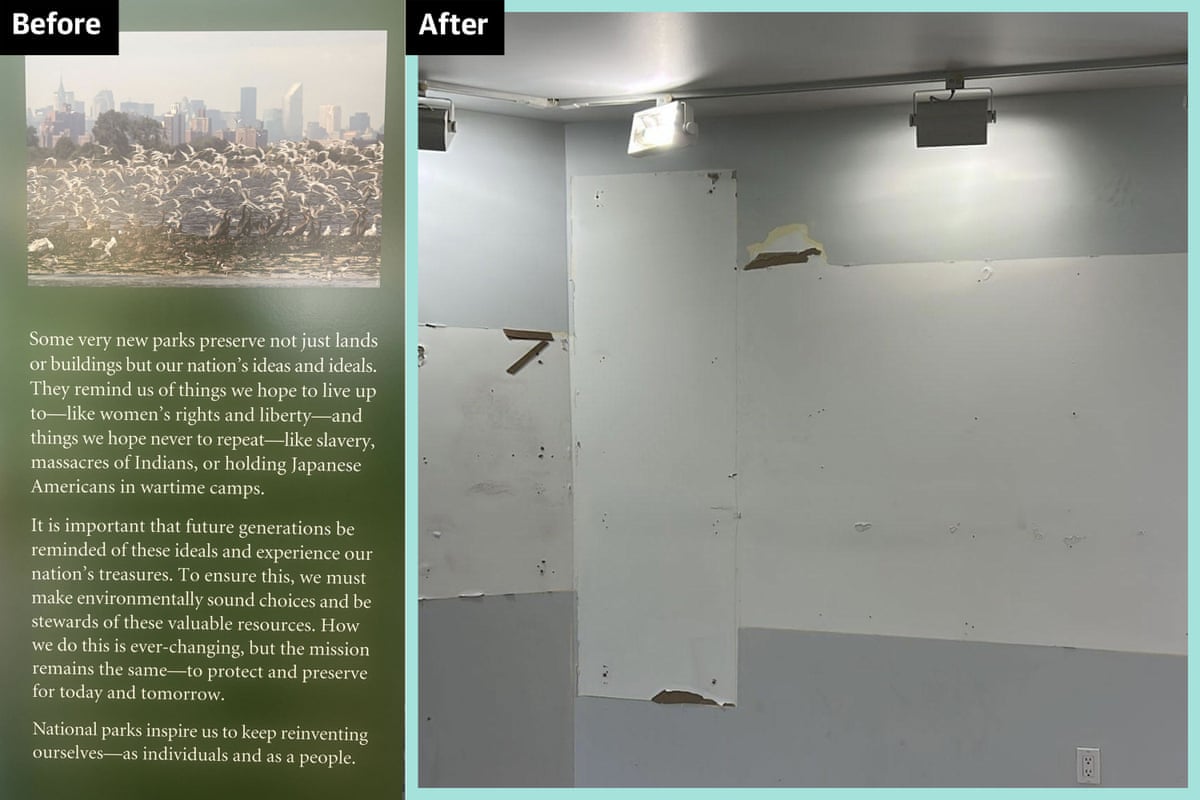
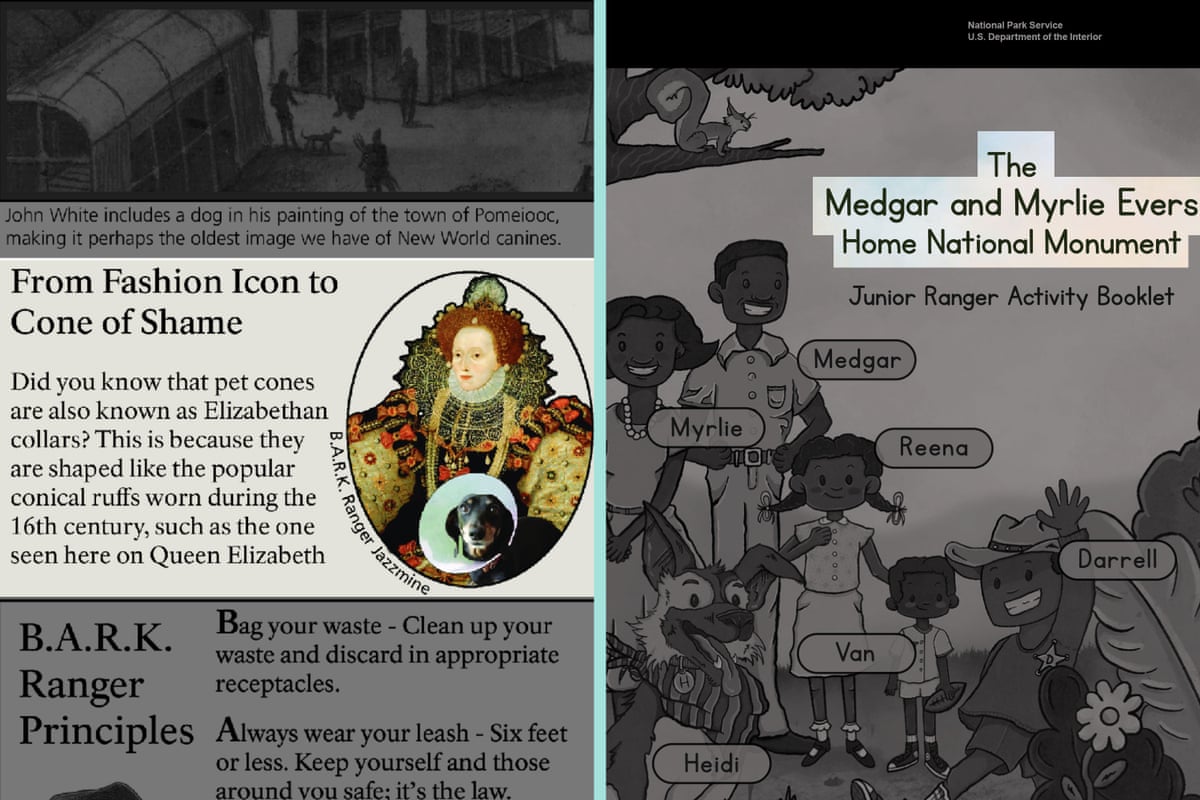
Examples of removals from national parks
Advocates believe the list is incomplete but represents the most comprehensive view of the Trump administration’s censorship campaign to date. The Interior Department later noted additional removed signs not accounted for in the list.
“It’s pretty tragic what’s transpired,”said Bill Hayden, a former interpretive specialist who worked on exhibits and signage at Glacier National Park for 31 years.
Developing park signage typically involved a deliberate, months-long process with consultations from scientists, archaeologists, and historians, Hayden explained.
“The national parks were all about researching science and researching history and telling the truth. I was never in a situation where I felt an administration was dictating what could or could not be shared with the public.”
Turning the clock back on progress
Based on ’s review of flagged and removed materials, narratives concerning slavery, racism, discrimination against Black Americans and Native Americans, and the climate crisis were most vulnerable to censorship. These topics have historically been underrepresented or difficult to present within the NPS.
When Yellowstone, the first national park, was established in 1872, Native peoples including the Shoshone, Bannock, Crow, and Blackfeet were forcibly relocated to reservations and prohibited from entering the park.
For much of Yellowstone’s history, visitors were told it was a pristine wilderness untouched by humans, said Shane Doyle, Indigenous Relations Director for the Nature Conservancy and member of the Crow tribe. Doyle noted that some park signage still reads,
“When you watch animals in Yellowstone, you glimpse the world as it was before humans.”
“It’s like, what?”Doyle said.
“This is not a virgin paradise, like the Garden of Eden, people have been here for 12,000 years.”
It was only in the 1990s that the park service began incorporating fuller histories, including references to slavery as a cause of the Civil War, and established new parks commemorating Black, Asian American, and LGBTQ+ histories.
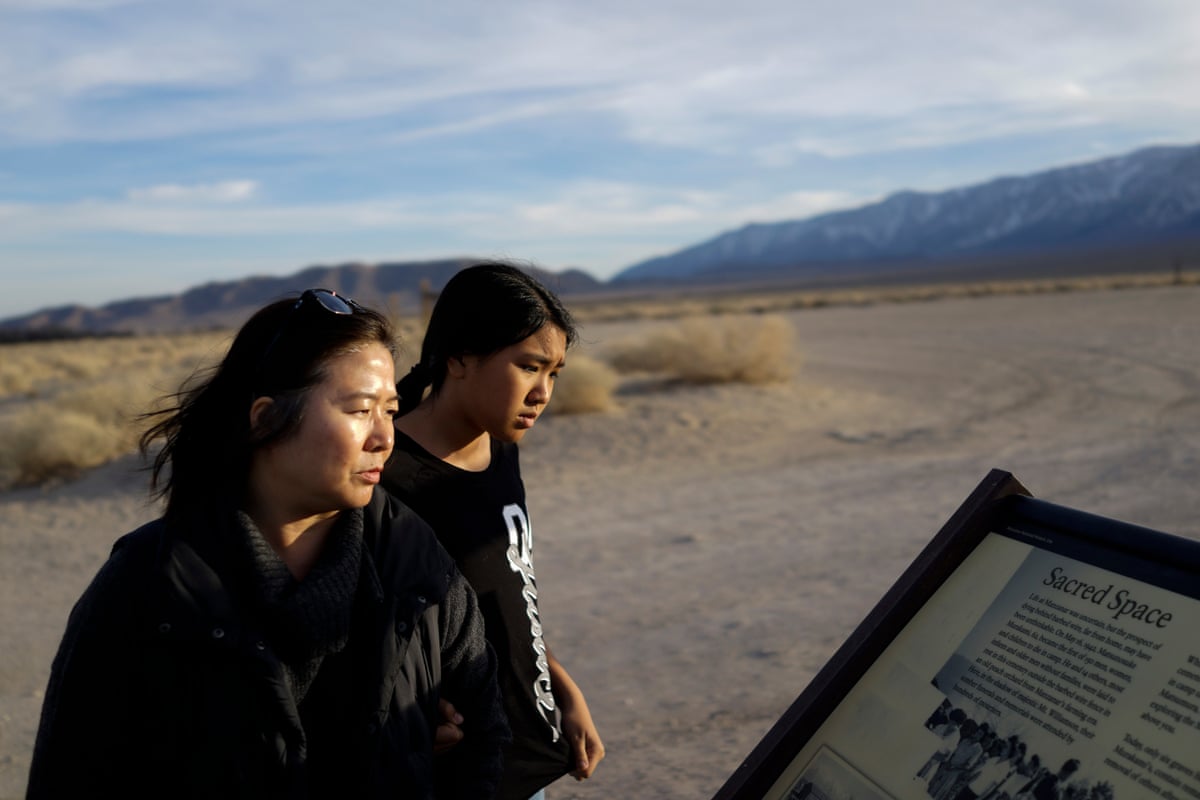
The Manzanar National Historic Site in California, memorializing the incarceration of 120,000 Japanese Americans during World War II, was established in 1992. The Stonewall National Monument in New York, the first national park site dedicated to LGBTQ+ history, was created in 2016. In 2023, three sites part of the Emmett Till and Mamie Till-Mobley National Monument were established in Mississippi and Illinois to honor the legacy of the 14-year-old Till, lynched in Mississippi in 1955.
“Our parks and public lands are like a massive, national system of shared public classrooms,”said Gerry Seavo James, deputy campaign director of the Sierra Club’s Outdoors for All campaign.
“And over the past decade or so, I think we’ve done a much better job with diversifying our national narrative.”
In just one year, the Trump administration reversed much of this progress, James said.
“The goal now is just to sell a whitewashed and sanitized view of that history.”
Nonetheless, Doyle remains optimistic.
“I don’t think it’s going to last long, and we’ll get all that back. But it is hard to watch, and it’s very difficult to endure,”he said.
“For Native people, this ain’t our first rodeo. We’ve endured racism, we’ve been dehumanized since the very beginning, we’ll ride out this storm.”
The pushback: ‘We’ve won the battle but not the war’
also found numerous instances where park staff used Trump’s executive order to highlight existing signage that disparaged Native Americans and other marginalized groups.
At Padre Island National Seashore in Texas, staff flagged an exhibit incorrectly stating that the Texas Karankawa people had perished and no longer exist, noting the Karankawa remain an integral part of American history.
At Horseshoe Bend National Military Park in Alabama, staff noted a stone monument commemorating the Battle of Horseshoe Bend, which led to the cession of 23 million acres from the Creek Nation to the US,
“disparages and incorrectly honors destruction of the Muscogee (Creek) Nation and continues to cause tension and distrust with Tribal partners visiting the park.”
Some employees appeared to subvert the executive order’s intent. One anonymous staff member said colleagues would
“just pick something that’s minor and inconsequential and just put it there because I was told to put something in there.”
This included flagging a sign about a drunken lockkeeper at Chesapeake and Ohio Canal National Historical Park who accidentally released water too quickly, sinking a coal canal boat, with a note that it
“Could potentially be seen as denigrating the lockkeeper.”
Some parks flagged signs due to physical wear, and approximately 200 parks and historic sites reported having
“nothing to report”and submitted no attachments.
The censorship campaign was also unpopular with the public. Thousands of park visitors submitted comments opposing the executive order, and a poll found most Americans across political parties support discussing both positive and negative US history. Park advocates filed lawsuits against the order, and Democratic lawmakers introduced legislation to protect park signage.
Due to these efforts, the censorship initiative is now in legal limbo. In June, a judge halted further removals and ordered restoration of removed signs.
“This Administration seeks to share a limited history by ordering the removal of all signs, displays, and interpretive exhibits at National Parks that do not align with its preferred narrative, thereby telling half-truths,”US District Judge Angel Kelley wrote in a 63-page injunction.
“Not only does this undermine the integrity of the National Parks; it sets a dangerous precedent of censorship and sanitization.”
While advocates and park staff expressed relief at the ruling, they caution it is not a complete victory.
“We’ve won that particular battle, but I’m not sure we’ve won the war yet,”said Bill Wade, executive director of the Association of National Park Rangers and a plaintiff in the lawsuit. The case may take months to resolve as the Trump administration appealed the decision the day after it was issued, Wade added.
‘A true American story’
At Mammoth Cave National Park, a short hike leads to a clearing where approximately 40 members of the Bransford family are buried.
The area is now wooded but was once a thriving community with segregated neighborhoods, churches, farms, and the Bransford Summer Resort, a sanctuary for Black visitors barred from white hotels.
When Mammoth Cave became a national park in 1941, all residents within its boundaries were expelled, and their homes demolished. Black guides were banned from working there, and Jerry Bransford’s great uncle lost his job. For decades, nearly all traces of the Bransford family, except Mat Bransford’s etchings 300 feet underground, were erased from history.
In the early 2000s, Jerry, then in his 50s and living nearby, chose to reclaim his family heritage by becoming a park ranger at Mammoth Cave. He helped restore the Bransford Cemetery.
“I’ve done my best to tell America a true American story of people of color: that we worked there for 101 years, that they were sent away after it became a national park, and shortly after they left, it was as though they were never there,”Jerry said.
Reflecting on the potential erasure of his family’s legacy again, Jerry considers the pain Mat must have felt when his enslaved children were taken from him.
“What more do you want to take away from them?”he asked.
“The system has taken everything from them. So why would Mr Trump and his administration want to at least take away their story? Haven’t they given enough?”
’s Deleted Data series explores how critical US government information is being deleted and the consequences. It aims to preserve or recreate lost datasets. Readers with knowledge of deleted or altered datasets, webpages, or government materials from the past year, or those affected by such changes, are encouraged to contact deleted-data@the.com.
This article was sourced from theguardian