Introduction to Idaho's New Execution Method
The complex landscape of capital punishment in the United States has taken a significant turn as Idaho becomes the first state to designate the firing squad as its primary execution method. This decision comes amid ongoing debates about the method's reliability and the potential for severe pain and suffering during executions.
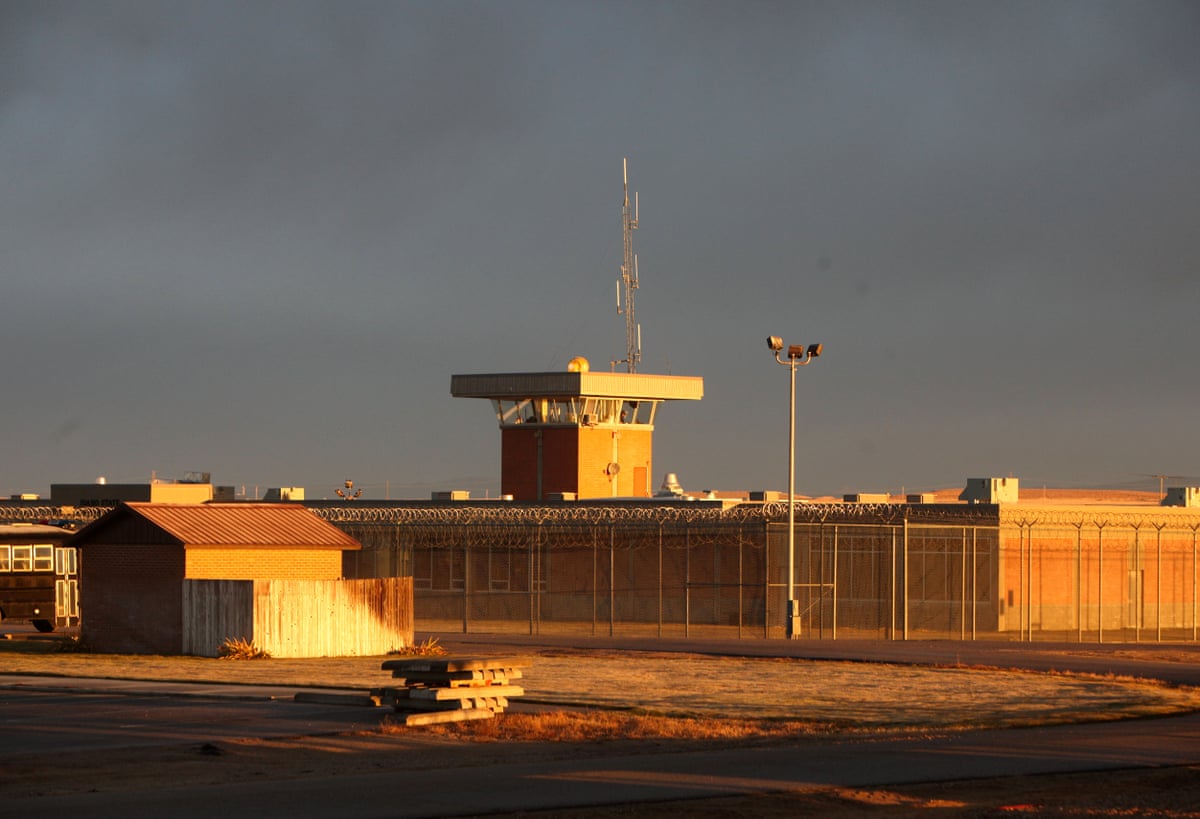
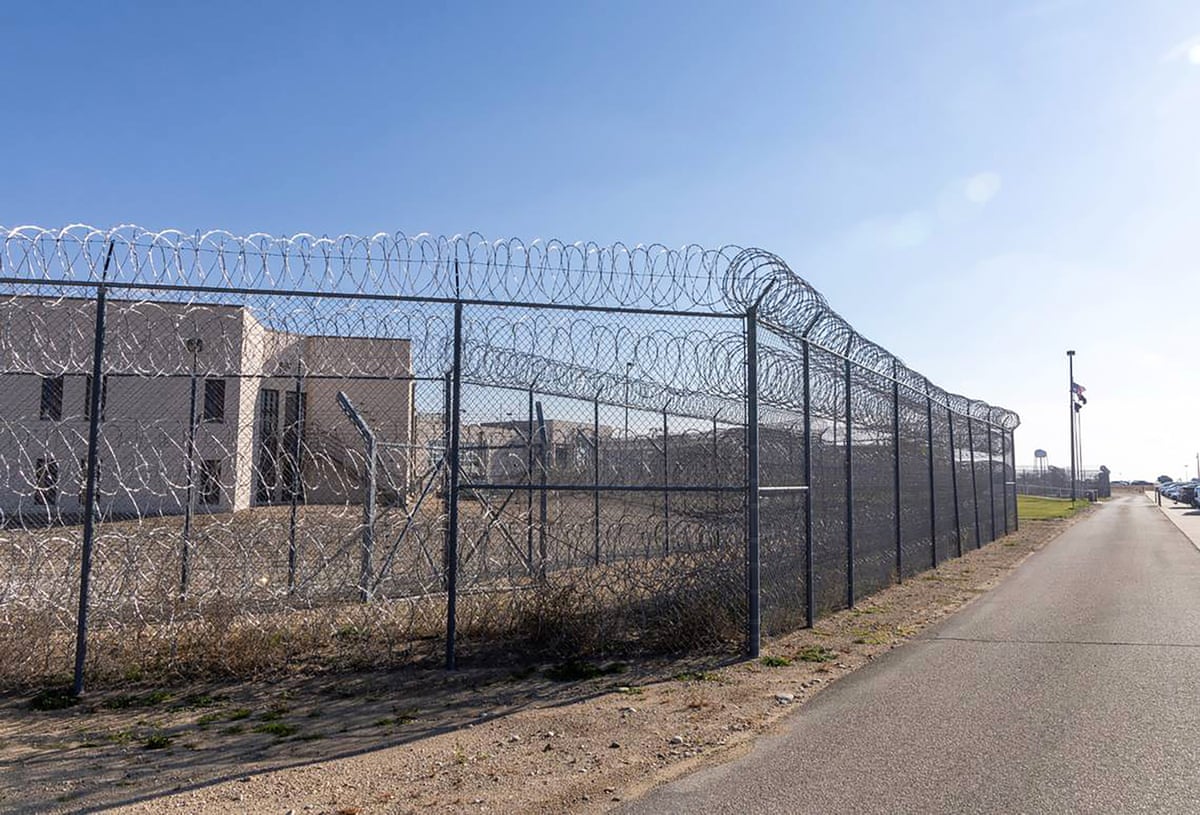
The Idaho Department of Corrections (IDOC) announced it met the deadline set by state law to retrofit and open a death chamber at a maximum security prison located south of Boise by July 1. The project cost over $1 million, including $24,000 spent on a rack of AR-style, .308-caliber, scoped rifles to be used by volunteer marksmen.
Firing Squad's Growing Popularity and Controversy
Once viewed as an outdated and violent method, the firing squad is gaining traction across the US as states explore alternatives to lethal injection. Idaho is now the seventh state to authorize this method, marking the highest number of jurisdictions permitting execution by gunfire in US history.
Supporters argue the firing squad is foolproof, but forensic experts warn it can result in excruciating pain. Since 2010, four firing squad executions have occurred in the US; two of these have been criticized for being botched, with bullets missing the left ventricle of the heart and causing prolonged suffering.
Further concerns have been raised in US Supreme Court filings alleging that some botched executions may have been intentional acts of retributive punishment. Although speculative, these allegations cast a shadow over the firing squad's use.
Idaho’s Execution Protocol and Transition
Under Idaho’s new protocol, the identities of the three volunteer shooters are confidential, known only to the state prisons director and deputy. They will execute court-ordered death sentences for Idaho’s eight death row inmates, including one female prisoner.
“The department will be prepared to carry out an execution order after July 1,”IDOC stated, adding that procedures are designed
“to ensure that any execution is conducted in a secure, orderly, and dignified manner.”
Idaho adopted the firing squad after lethal injection, the most common method in the US, encountered difficulties. In February 2024, the state aborted the execution of convicted murderer Richard Leavitt when medical staff failed to establish an IV line.
Challenges with Lethal Injection and Other Methods
Other states have faced similar botched lethal injections, worsened by an international boycott of medical supplies used in the procedure. Alabama briefly adopted nitrogen gas asphyxiation but ceased its use after federal courts ruled it unconstitutional.
With only 18 executions carried out nationally last year, states with active death penalties face significant challenges. The firing squad offers an appealing alternative due to the ease of acquiring rifles and the perception of near-flawless execution.
Firing Squad Execution Process
The condemned is secured in a chair to prevent movement, with a black hood placed over the head. A target is pinned over the left ventricle of the heart, the organ responsible for pumping blood to the brain.
When bullets strike the left ventricle, blood flow ceases, causing brain death within seconds. Advocates claim this results in instantaneous death and a foolproof system.
Historical Context and Past Failures
Despite its reputation, history reveals the firing squad has not always been reliable. Since its first use in the Jamestown settlement in 1608, there have been 147 civilian executions by firing squad, with several instances of failure.
In 1879, Wallace Wilkerson took 27 minutes to die after shots missed the heart, hitting above it and in the left arm. He reportedly exclaimed,
“Oh, my God! My God! They have missed,”while writhing in pain.
Law professor Martin Gardner examined a 1951 Utah case where shooters deliberately missed the heart. Eliseo Mares was shot on the wrong side of his body, with Gardner noting,
“It appears the misses were intentional. Whether the riflemen wished to torture the victim or feared to inflict the fatal shot in the heart is unknown.”
A Salt Lake Tribune reporter described Mares’ death as bleeding out silently and horribly.
Recent Executions and Concerns
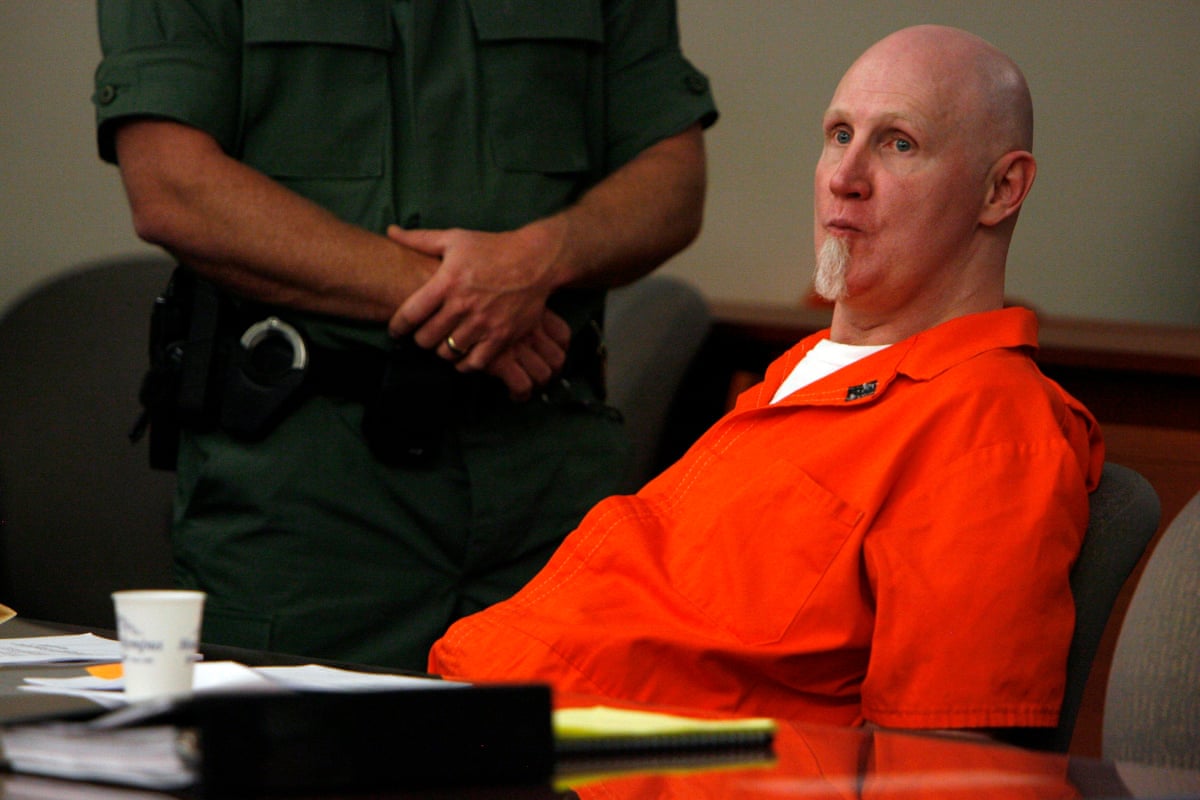
Since 2007, four firing squad executions have been conducted, two of which raised concerns. In 2010, Utah executed Ronnie Lee Gardner, who chose the firing squad over other methods. Witnesses described Gardner’s death as prolonged and painful, with him clenching his fist and moving his jaw after the shots.
Opponents of capital punishment, including Utahns Against the Death Penalty and Gardner’s family, reviewed autopsy findings with Dr. Jonathan Groner, emeritus professor of surgery at Ohio State University. Groner found the bullet holes were not over the heart but further left, and exit wounds were inconsistent with the expected trajectory.
Groner expressed concern about the shooters’ aim and suggested possible implicit bias in the execution process, stating,
“I don’t know anything about Mr Gardner’s history, if he would have done anything that would have upset the guards or made them mad, but you have to at least ask that question.”
The abolitionist group Death Penalty Action launched a billboard campaign questioning Utah’s firing squad with the message:
“If you’re going to do it, shoot straight!”
Gardner’s brother Randy expressed shock at the findings, saying,
“It’s just disgusting. How from 20ft away could anybody miss a target pinned on my brother’s heart? These are skilled marksmen certified for this stuff, I don’t get how they could have missed.”
The Utah Department of Corrections declined to comment on allegations of intentional misfiring.
South Carolina’s Firing Squad Executions and Controversies
While Utah has conducted most firing squad executions in recent decades, South Carolina convened three firing squads in 2024 as states sought alternatives. The first execution, of Donald Myers, 67, proceeded as intended.
However, the April 2025 execution of Mikal Mahdi, 42, convicted of killing an off-duty police officer in 2004, was problematic.
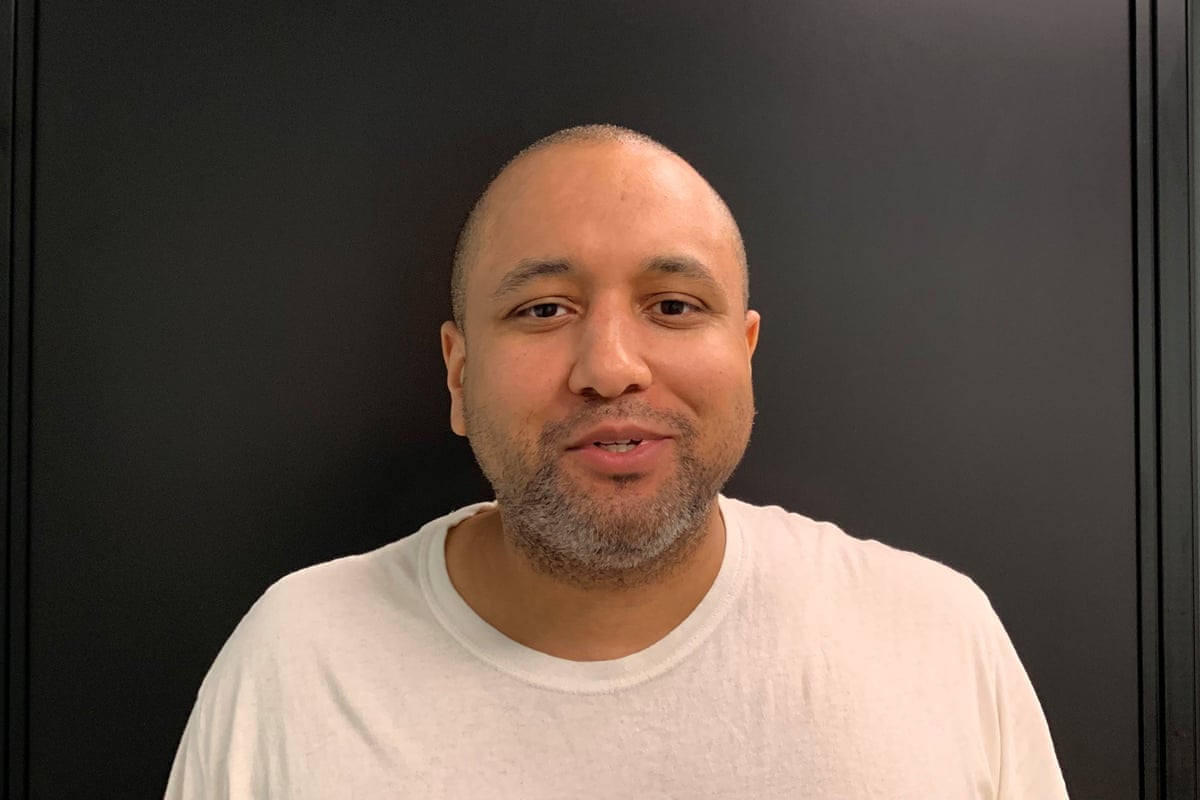
An Associated Press witness reported Mahdi cried out as three prison employees fired from 15 feet away. He groaned twice over 45 seconds and continued breathing for about 80 seconds before a final gasp, exceeding the expected 10 to 15 seconds of consciousness.
Autopsy results revealed only two wounds despite three shooters. The state claimed two bullets entered the same hole, but forensic pathologist Dr. Jonathan Arden, retained by Mahdi’s lawyers, called this scenario
“extraordinarily uncommon.”
Arden concluded the bullets missed the intended left ventricle, instead damaging Mahdi’s liver, causing
“excruciating conscious pain and suffering”for up to 60 seconds.
Federal public defender Gerald King, representing three men executed by South Carolina’s firing squad, stated the evidence showed the execution was botched, with shooters missing the heart and witnesses observing Mahdi’s suffering.
Legal Proceedings and Supreme Court Involvement
A month after Mahdi’s execution, the South Carolina Supreme Court ruled the firing squad was not botched. However, the justices confirmed the marksmen missed the critical left ventricle, striking only the pericardial sac and right ventricle.
This ruling arose during the case of Stephen Stanko, 57, a convicted murderer who unsuccessfully challenged his own death sentence and was executed by lethal injection in June 2025.
Stanko’s legal team filed a petition to the US Supreme Court alleging that those conducting Mahdi’s execution intentionally missed the heart, causing extreme pain. They cited expert opinions from ballistics and pathology specialists.
Joseph Perkovich, counsel for Stanko’s filing, stated,
“They missed entirely the left ventricle, and only glancingly struck the right ventricle. For three marksmen to miss their target 15ft away is effectively impossible – so that leaves us with something very bleak, and that is the intent.”
Academic Perspectives and Racial Implications
Dr. Jonathan Groner, in his forthcoming book The Hippocratic Paradox, discusses Mahdi’s execution and suggests the firing squad may have intentionally aimed away from the left ventricle because Mahdi, a Black man, was convicted of killing a white police officer.
Groner raises the possibility of a
“quasi-lynching,”noting historical precedents for such acts in southern states.
The South Carolina Department of Corrections denied these allegations, referencing the state supreme court’s ruling and calling the claims purely speculative.
The identities and motivations of the three volunteer shooters remain unknown due to strict confidentiality surrounding executions in South Carolina and other death penalty states.
Expert Concerns and Ethical Considerations
Deborah Denno, a Fordham Law School expert on execution protocols, expressed unease about the growing use of firing squads. Once considered the
“least inhumane readily-available method,”she now questions its reliability.
Denno emphasized the human element in executions, stating,
“We tend to forget that human beings are conducting this, and human beings have emotions and feelings. Such as wanting to set things right, an eye for an eye, and revenge.”