

Safe Return After Historic Spaceflight
The Artemis II crew has successfully returned to Earth, re-entering the atmosphere at a speed of 25,000 mph (40,000 km/h) and splashing down off the coast of California. This mission marked a milestone as the astronauts traveled deeper into space than any humans before them, surpassing the Apollo 13 record set in 1970 by over 4,000 miles, reaching beyond 248,655 miles.
Astronauts undergo rigorous training to manage the physical and psychological demands of space travel. Despite the challenges, many describe their time in space as the pinnacle of their lives and express eagerness to return. In a pre-landing press conference, Christina Koch acknowledged the inconveniences such as freeze-dried meals and limited privacy but affirmed they were worthwhile.
Immediate Medical Evaluation
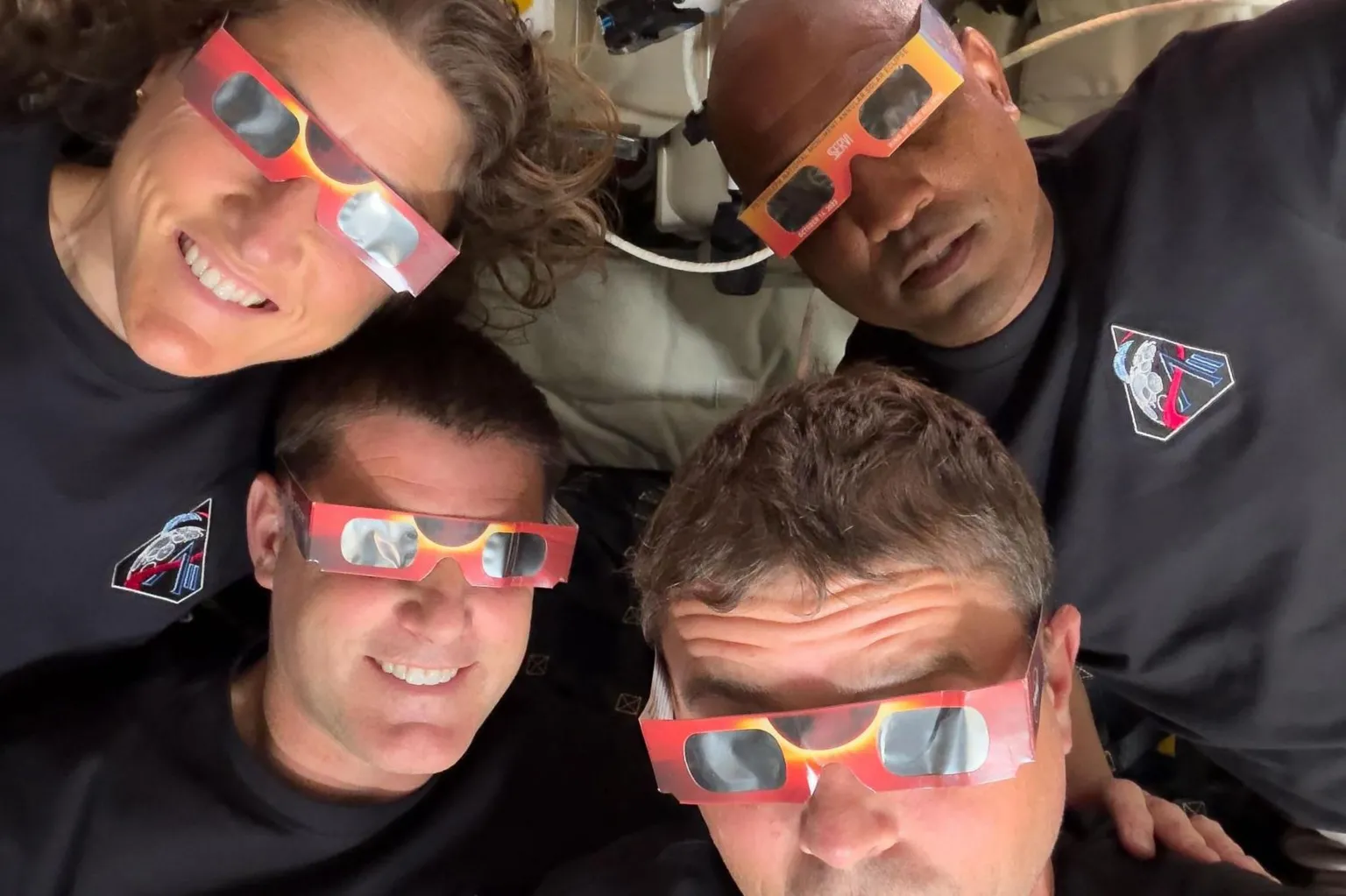
Upon splashdown, the crew members—Reid Wiseman, Christina Koch, Victor Glover, and Jeremy Hansen—were promptly examined by medical personnel aboard the US warship assigned for their retrieval. Following this, they were transported by helicopter to shore and then flown to NASA's Johnson Space Center in Houston for further assessment.
Spaceflight exerts significant physical stress on astronauts. The absence of gravity leads to muscle and bone density loss, particularly in muscles responsible for posture such as those in the back, neck, and calves. Although astronauts adhere to strict exercise regimens, muscle mass can decrease by up to 20% within just two weeks. However, the Artemis II mission duration was relatively short compared to previous missions; during the Space Shuttle era (1981–2011), astronauts typically spent two to three weeks in space, while stays on the International Space Station now average five to six months. Consequently, the health impacts on the Artemis II crew are expected to be minimal relative to those experienced by astronauts on longer missions.
Adjusting Back to Earth
Returning to Earth after space travel does not typically result in psychological difficulties for astronauts, who are selected and trained for their level-headedness. Christina Koch has expressed that she will miss the teamwork, camaraderie, and shared purpose experienced during the mission.
"Seeing our planet surrounded by the blackness of space truly emphasised how alike we are, how the same thing keeps every single person on planet Earth alive," Koch said from space.
Many astronauts, including the first British astronaut Helen Sharman, have reported reluctance to return due to the excitement and significance of their work in space.

Family Reunions
The Artemis II astronauts are expected to be eager to reunite with their families. Commander Reid Wiseman, who lost his wife to cancer in 2020 and has since raised their two teenage daughters alone, had discussions with them prior to the mission about contingencies, including the location of his will. The splashdown phase posed inherent risks, making the safe return a moment of relief and joy for their loved ones.
Dr. Catherine Hansen, spouse of astronaut Jeremy Hansen, shared with BBC World Service's Newsday program that their children were "so, so excited to see their dad living his dream." She added,
"We certainly will have a celebration... When Jeremy is back safely, we will absolutely come together. First just the five of us in a quiet environment to hear some of those private stories, and then we will absolutely celebrate with the world."
Upcoming Engagements and Future Missions
NASA has not disclosed specific plans for the astronauts following their return. The three NASA astronauts remain active within the agency, with further Artemis missions planned: Artemis III, targeted for 2027, and Artemis IV, expected in 2028. Artemis III aims to return humans to the Moon, though the timeline may be subject to delays. The crew for these missions has not yet been announced, but all NASA astronauts, including the Artemis II team, are eligible candidates.
One notable upcoming event is a White House reception. During the mission, then-President Donald Trump, who initiated the Artemis program in 2017, contacted the crew to invite them to the Oval Office. He remarked,
"I'll ask for your autograph, because I don't really ask for autographs much, but you deserve that. I'll give you a big salute on behalf of the American people and beyond that."
It remains uncertain if Jeremy Hansen, who is Canadian, will participate in this visit.
Public Recognition and Fame
Following their return, the Artemis II astronauts are likely to experience increased public recognition. Unlike many recent astronauts, their mission has captured widespread public interest, amplified by continuous media coverage and viral social media content. This heightened visibility may require adjustment as they transition back to daily life on Earth.


