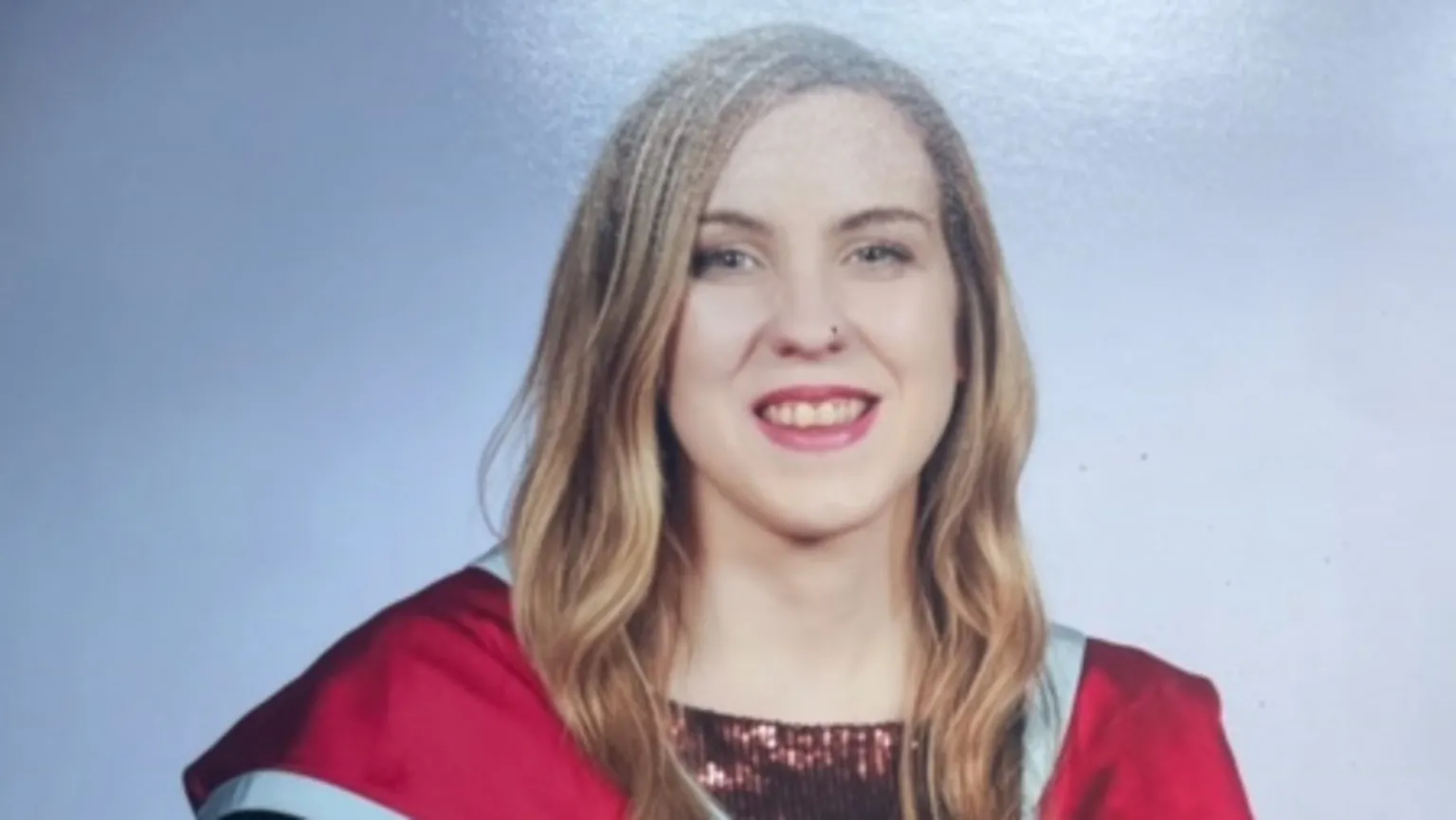
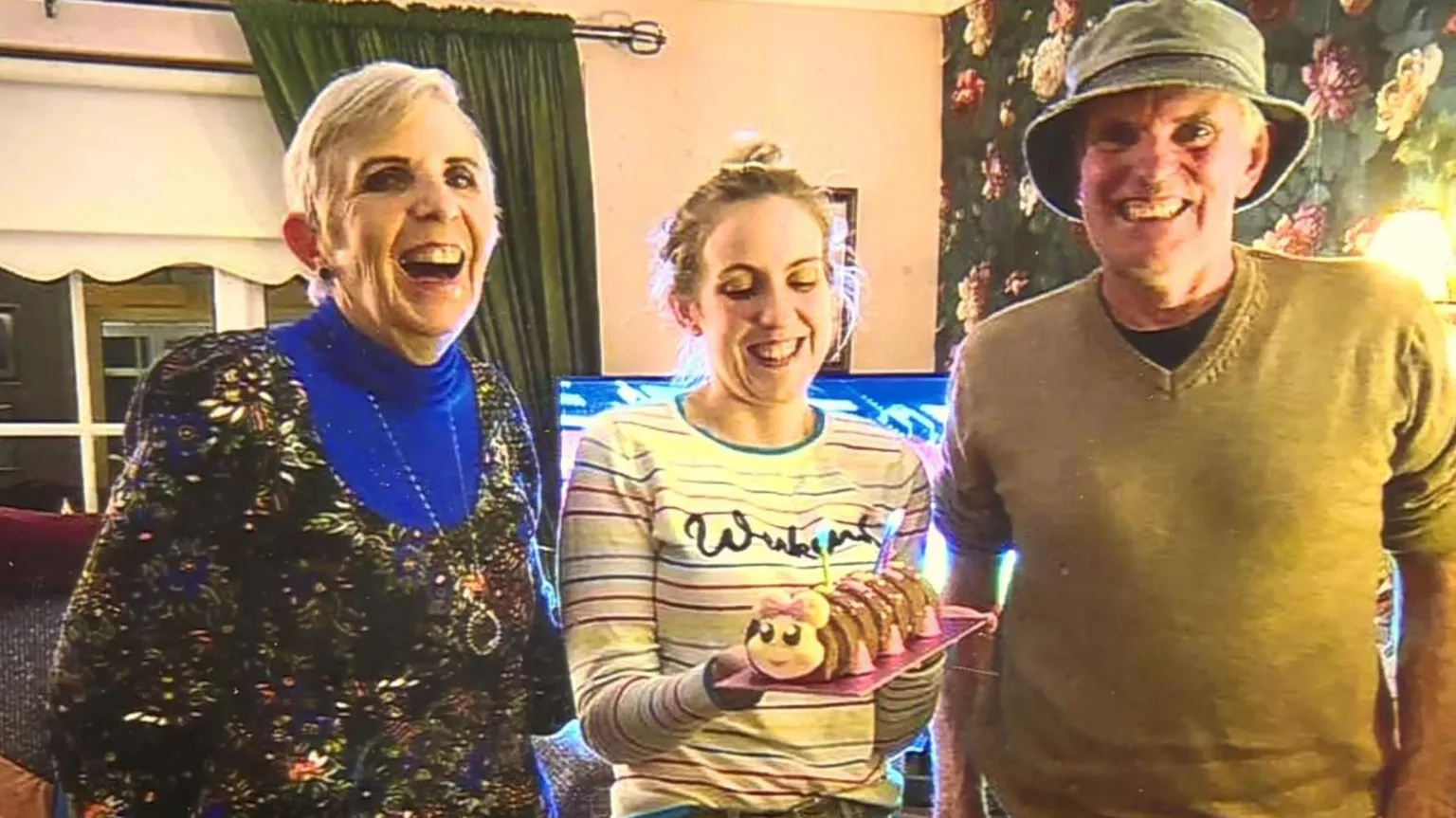
Seemingly Unbreakable Alibi
Stephen McCullagh appeared to have an unassailable alibi for the murder of his pregnant girlfriend, Natalie McNally. At the time of her death, he was broadcasting a live stream on YouTube, which initially convinced authorities of his innocence.
However, weeks later during a police interview, a detective confronted McCullagh, revealing that the alibi was fabricated.
"That wasn't live," the detective challenged.
"What do you mean? You can see it play out on YouTube," replied McCullagh.
Police were able to prove the broadcast was pre-recorded, ending McCullagh's attempt to evade justice through his online presence.
On Wednesday, McCullagh was sentenced to a minimum of 31 years before parole eligibility for the murder of Natalie McNally, following a five-week trial earlier this year.
Natalie was 15 weeks pregnant when she was killed at her home in Lurgan in December 2022.
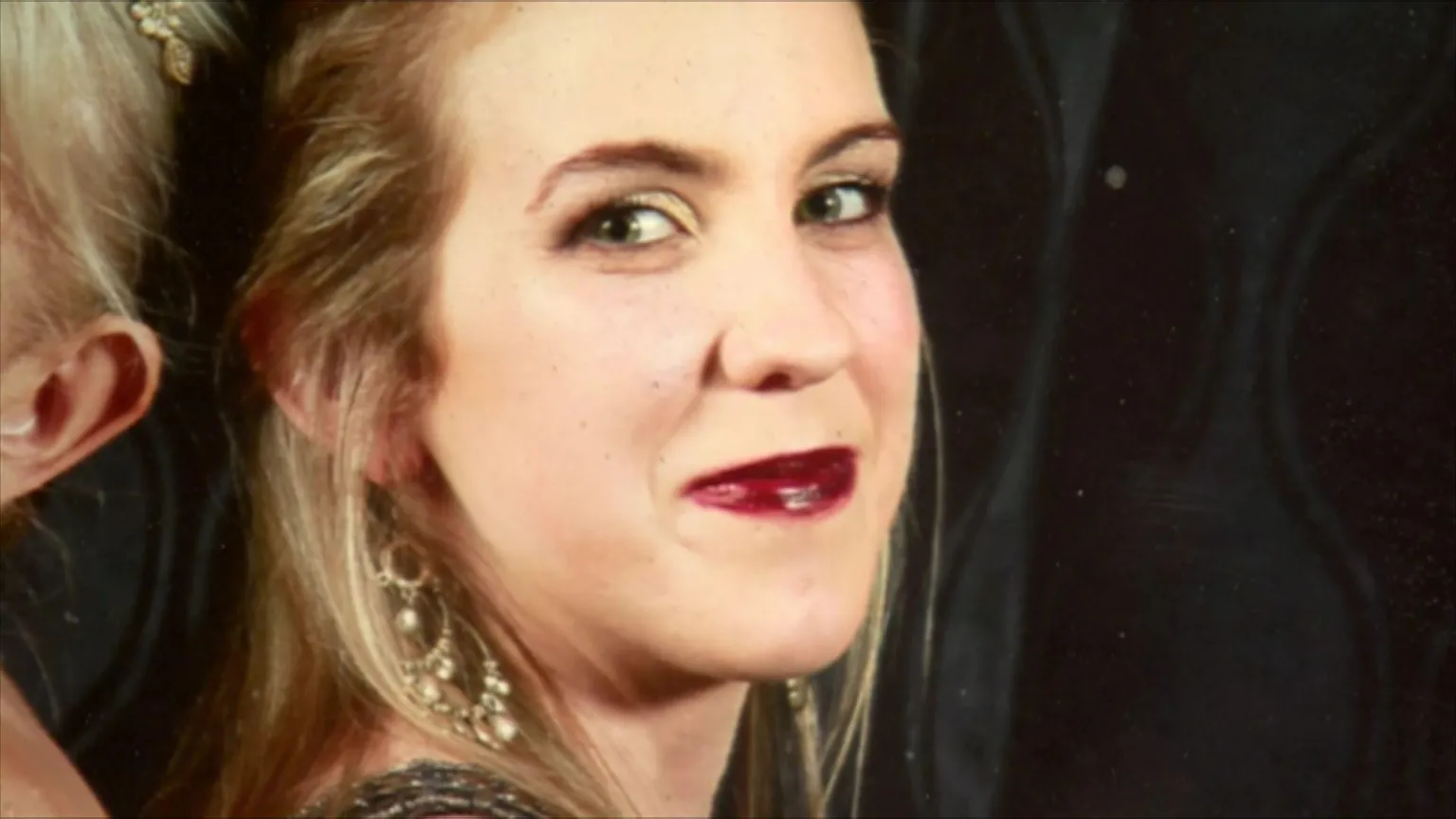
Initial Arrest and Alibi
On 19 December 2022, McCullagh was arrested at the scene after apparently discovering Natalie's body. He was released shortly after, based on his alibi of live streaming.
Six weeks later, cyber experts dismantled this alibi, confirming that McCullagh had pre-recorded a six-hour gaming stream. He then played it as live to conceal his movements, allowing him to travel from Lisburn to Lurgan in disguise, commit the murder, and return home before the stream ended.
The deception extended beyond the stream, with McCullagh sending texts inquiring about Natalie's wellbeing and making an emotional 999 call after the discovery of her body. He also attempted to implicate Natalie's ex-boyfriend.
"[McCullagh was] very confident of avoiding justice for this, and was playing the role of the victim across his friendship group, across the McNally family and the public in Lurgan," said Police Service of Northern Ireland (PSNI) senior investigating officer Neil McGuinness.
He came close to evading justice.
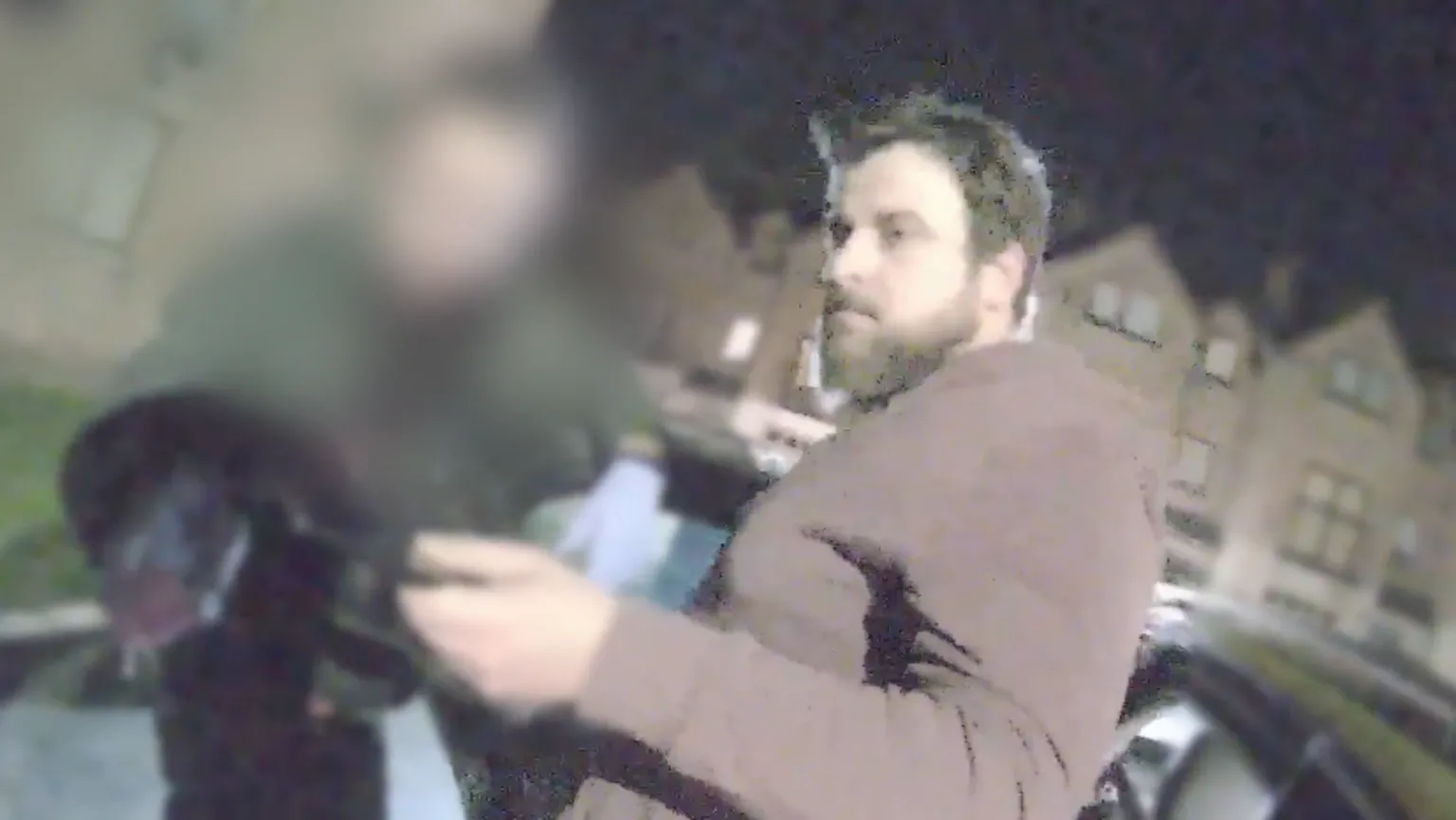
Deceptive Online Presence and Investigation Challenges
Police initially accepted McCullagh's alibi because YouTube confirmed the broadcast had been live. Consequently, he was removed from suspicion.
In the guise of a grieving boyfriend, McCullagh attended Natalie's wake, visited her grave, and produced a memorial video for a vigil held in her honor. Meanwhile, he secretly recorded interactions with the McNally family to gather information about the investigation.
Police pursued other leads and suspects, analyzing extensive CCTV footage but encountered dead ends. With concerns about a potential indiscriminate killer, pressure from the McNally family, public, and media intensified.
"Those were 15-hour days, for six weeks with no rest days," DCI McGuinness said. "Most of my team didn't take any time off. They didn't see their families. They were there from morning to night.
"I met the McNally family very early on when I took over, and I made a commitment to them that I would literally work to exhaustion to try to bring them justice."
Breakthrough from a Hunch
The breakthrough came from a hunch.
"The task was to find someone getting onto a bus coming through Lurgan with a dark-coloured rucksack, because that's what we saw on the CCTV of the person leaving [Natalie's development]," McGuinness explained.
"It was Saturday afternoon and the officer phoned up and he almost apologetically said: 'This might be nothing, but I think I have something for you.'"
The officer had observed footage of a man with his face covered boarding a Lurgan-bound bus in Dunmurry, carrying a green bag for life, with what appeared to be a dark rucksack inside. The man's stature matched that of the individual seen on CCTV at Natalie's residence, similar to Stephen McCullagh.
'Sit down, we've got him'
The PSNI reviewed all evidence, including McCullagh's alibi, with assistance from its cyber unit.

"What they came up with was the use of a particular set of software, which semi-professional YouTubers would use to broadcast.
"They worked out a very peculiar feature of that system."
This feature related to the recording of background data. During a live broadcast, data would continue to be recorded even during breaks. However, if the broadcast was pre-recorded, there would be no data during these intervals.
To verify this, investigators needed to seize McCullagh's computer. Given his media work, including a part-time role as assistant audience editor at the Belfast Telegraph, additional legal steps were required.
"That was a computer which was used in journalism, and there are protections for journalistic material," McGuinness said.
"I had a barrister and a solicitor with me in the police station overnight writing the warrant, and we went to court the next morning, secured the judge's permission to seize journalistic material, and then we went out and seized it."
McCullagh was rearrested on 31 January 2022. During interviews, the cyber team conducted a forensic examination of his computer.
"The detective sergeant in the cyber-crime team called me up and said: 'Sit down, we've got him,'" McGuinness recalled.
This information was relayed to detectives in the interview room, intensifying the interrogation.
McCullagh was charged with murder and appeared at Lisburn Magistrate's Court on 2 February 2023, with the McNally family present in the public gallery.
Long Wait for Justice
Over the following three years, the McNally family attended numerous court updates, many brief and often delayed due to new evidence, reports, and barrister strikes. They experienced firsthand the frustration of waiting for justice.
This was a circumstantial case, lacking DNA evidence, eyewitnesses, or a confession. However, multiple strands of evidence, according to Catherine Kierans of the Public Prosecution Service's Serious Crime Unit, formed a comprehensive picture presented to the court.
"The case was unprecedented in terms of the premeditation, the levels of deception and concealment, and really the extraordinary amount of planning to kill this young woman," Kierans said.
"There were so many different strands of evidence, which all came together and fitted together to prove the case beyond any reasonable doubt.
"We have to remember the brutality of the murder itself. Then you've got all the other layers of cover up, deceit, the way that McCullagh ingratiated himself with the bereaved family, abused their trust, spied on them, manipulated them.
"You've got the framing of the ex-partner, but at the heart of this, you've got the brutal murder of a young woman and her baby."
Alongside CCTV and alibi evidence, Kierans emphasized the importance of witness testimony heard by the jury of six men and six women.
"The witnesses who came to court very courageously gave evidence, including McCullagh's former partner, who he had previously assaulted, and Natalie's former partner, who had been framed for this murder.
"I've never seen that happen before, where the person framed for the murder actually fronts up, comes to court and faces days of questioning.
"But that man was always very keen to assist the prosecution, which he did under intense pressure.
"There was no evidence that he was involved in this at all. All of the evidence pointed to McCullagh."
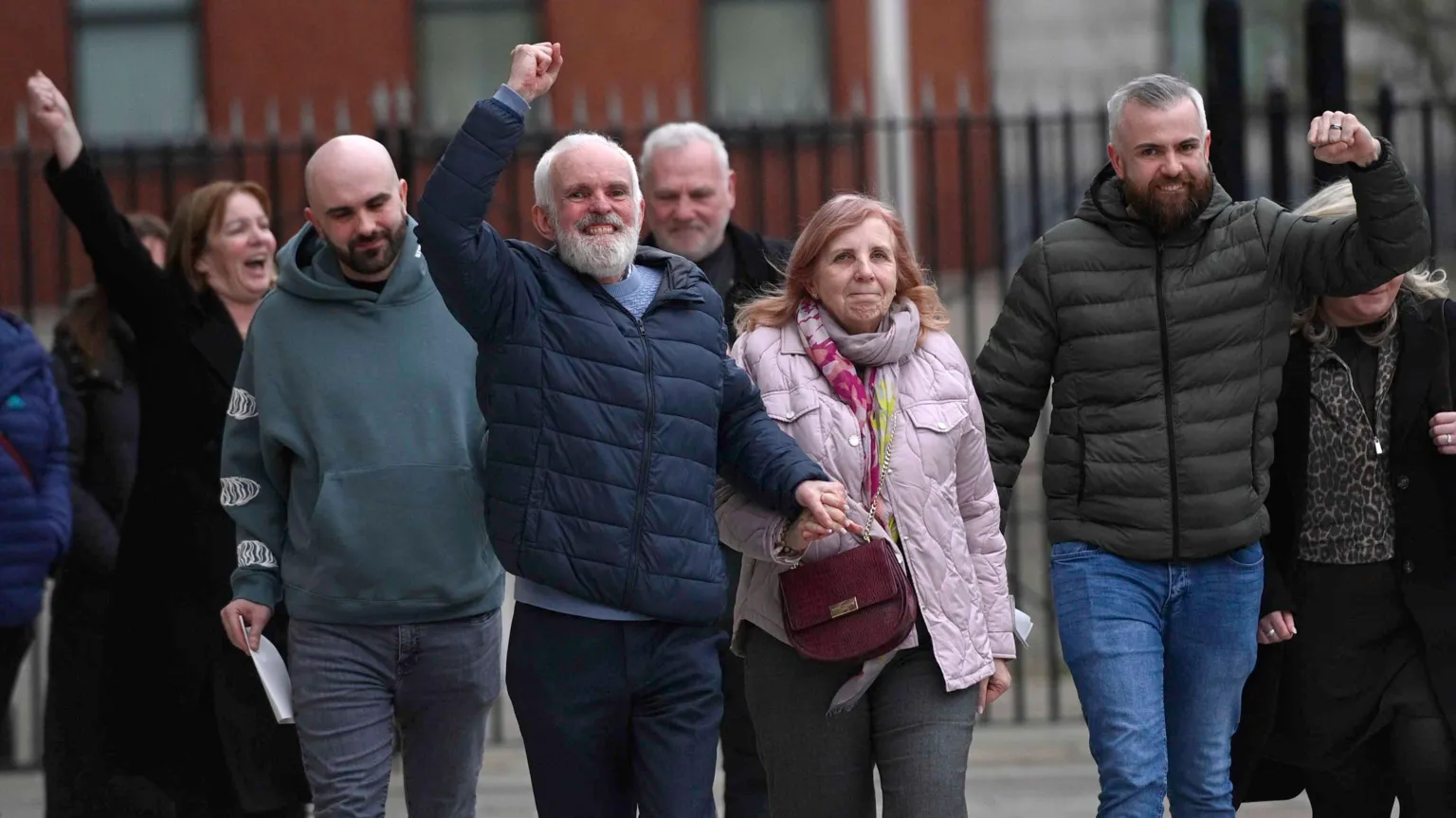
The trial lasted five weeks. When the jury returned a guilty verdict on 23 March after just over two hours of deliberation, the courtroom in Belfast erupted in emotion.
The McNally family applauded the jury, prosecutors, and police investigators, marking the end of a painful and protracted pursuit of justice.
Reflections on the Investigation
While the McNally family has not publicly criticized the investigation, others have questioned the initial acceptance of McCullagh's alibi.
Neil McGuinness, who assumed command of the investigation shortly after it began, defended the decisions made.
"Every decision that I make is made on the best available evidence at a point in time," he said.
"One of the first things that I did was have an officer contact YouTube in America to ascertain whether this footage was live streamed or not.
"YouTube sent us a very quick response back to say, yes, we confirmed that was live streamed, you know, and all appeared to be in order from their point of view."
He noted that revisiting McCullagh's alibi required significant effort, including legal measures to seize his computer.
"That work couldn't have been done within the time periods we can hold people in custody [on the initial arrest]."
In Northern Ireland, lengthy delays between charging a suspect and trial are common. Catherine Kierans acknowledged this but highlighted the balance required.
She noted that critical new evidence, such as a photograph of McCullagh wearing a hat and wig resembling the person of interest on CCTV, was discovered shortly before the trial. She also expressed hope that artificial intelligence might eventually assist police in analyzing CCTV footage more efficiently.
Commitment to Justice for Natalie
Catherine Kierans and Neil McGuinness never met Natalie McNally but dedicated nearly three years to securing justice on her behalf.
"It can't be detached," McGuinness said.
"I wouldn't be human if I didn't focus on Natalie McNally, the person and her unborn baby.
"Part of our job is to give the voice to Natalie and part of our job is to bring justice for her and the life that didn't get a chance."
"She had her whole life ahead of her so much promise, such an intelligent, loving young woman.
"We obviously became very attached to the McNally family and very involved with them, and the pressure to get justice for them."