

Background of Forced Adoption and Personal Impact
Vik Fielder's unmarried mother, who was 18 years old at the time, made a desperate effort to keep her baby following the birth in 1971. However, like approximately 250,000 other women in Britain, she was compelled to relinquish her child for adoption. Two decades later, her mother died by suicide, a tragedy directly linked to the loss of her daughter.
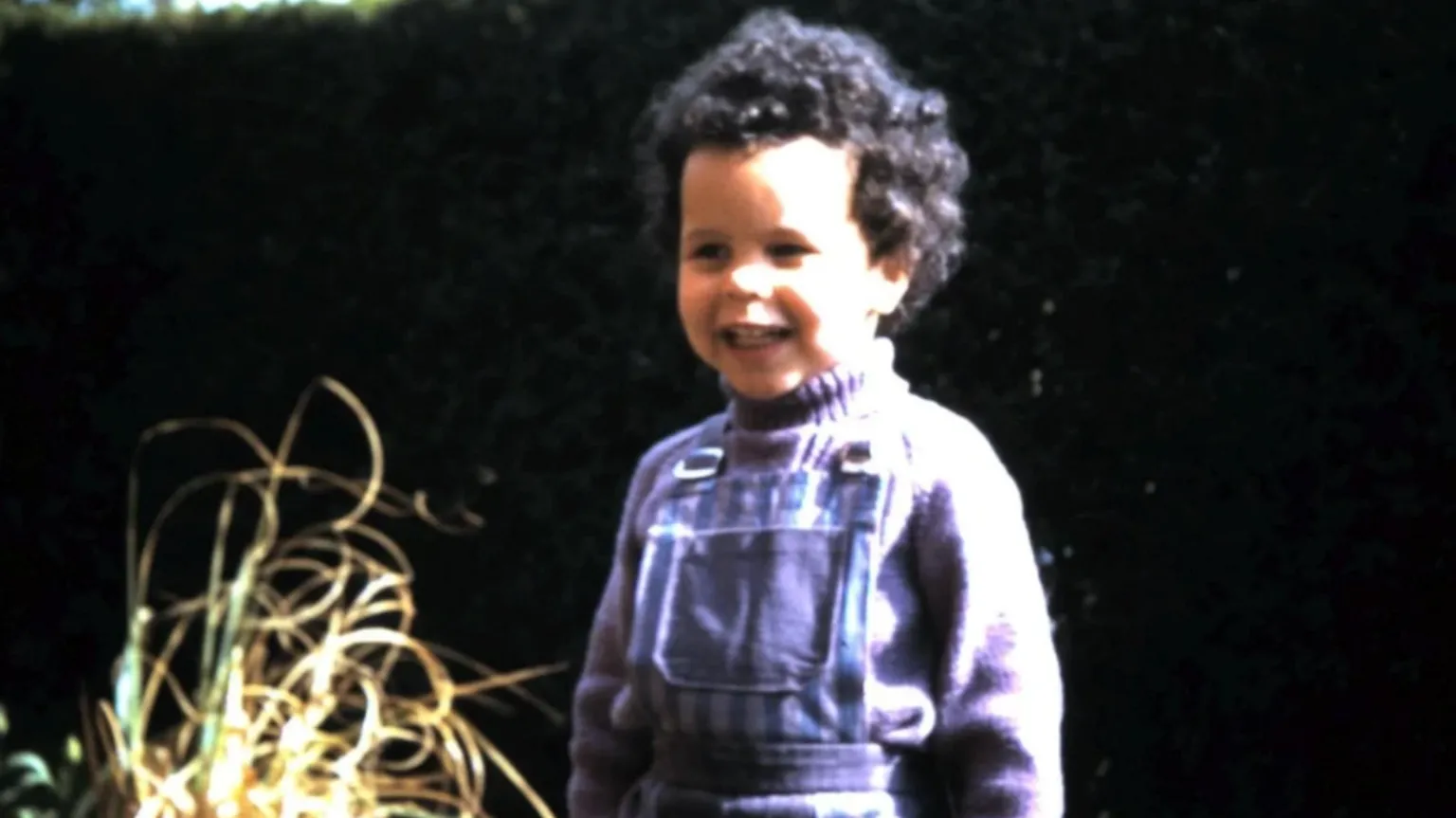
Fielder, now 54 and residing in the Quantocks, Somerset, supports renewed appeals for a formal government apology. She believes such an apology would represent the "first step" toward healing the trauma experienced by survivors of forced adoption.
Calls for Government Action
After many years of advocacy, the Education Select Committee has recommended that the government issue a formal apology and collaborate with survivors. Fielder stated that this would "go a long way towards acknowledging the fact that there was harm done." The government has expressed its "deepest sympathies" for those affected and is "actively considering" the possibility of an apology.
Personal Discoveries and Family Connections
Fielder is among an estimated 250,000 women impacted by forced adoptions in Britain during the 1950s, 60s, and 70s. She explained that her mother "had no other choice" but to give her up, and as a consequence, she died at the age of 38.
Upon reviewing her adoption files, Fielder found it "heartbreaking" to read letters from the adoption agency urging her mother to sign away her parental rights, despite her mother's efforts to find accommodation that would allow her to keep her child.
"It's quite heartbreaking to see the letters that go from the adoption agency to her asking her to sign her rights away knowing that she was desperately trying to find somewhere to live so she could keep me."
Using a genealogy website, Fielder received two responses, one of which immediately recognized her identity and contacted her. She was informed that her mother had passed away in 1992 at the age of 38, a death directly related to the forced adoption.
"She was only 38 and it was directly because of having to give me up. We never got a chance to meet, I never got the chance to meet my father."
Fielder also discovered she has a sister living approximately 40 miles (64 km) from her home. They were unaware of each other's existence for 50 years, which Fielder described as painful due to the lost relationship and the missed opportunity for her children to know their cousins.
"We didn't know about each other for 50 years, that hurts because it's a relationship that I could've had with her, it's a relationship that my children could have had with their cousins which we could never get back."
Adoption and Mental Health Challenges
Adopted at seven days old, Fielder revealed it took four years to obtain appropriate mental health treatment related to her adoption. Although she is a veteran of the Armed Forces and could have accessed expedited therapy, she chose not to pursue this route as her mental health issues were unrelated to her military service.

She advocates for similar fast-tracked care to be made available to adoptees and birth parents.
"I think an apology will go a long way towards acknowledging the fact that there was harm done,"Fielder said, emphasizing that such recognition would facilitate access to mental health support for those affected.
She also suggested that adoptees and birth parents should have a marker on their medical records to prevent the distress caused by repeatedly recounting their background to healthcare professionals.
"Having to repeat my background to medical professionals is very, very triggering."
Fielder described the experience of giving evidence and sharing her story multiple times as "exhausting."
Political Support and Committee Recommendations
Helen Hayes MP, chair of the Education Select Committee, remarked that hearing survivors' testimonies was "one of the most moving" experiences she has had in Parliament. She acknowledged that historical forced adoption inflicted "unimaginable trauma for multiple generations of women and profound, often devastating impacts for their children."
In a report published on Friday, the committee recommended that the government issue an "unqualified formal apology" to all those affected by forced adoption in the UK. It urged ministers to make an initial commitment to apologize, begin engagement with survivor groups, and publicly commit to a clear timetable for developing and issuing the apology.
Fielder noted that the report reflected many recommendations made by the Adult Adoptee Movement (AMM), a support organization she belongs to that has campaigned for a formal government apology.
"It's the first step towards community healing, both communities, because there's a lot of guilt and shame involved in adoption and I think I can see the apology as a way of lifting that, particularly for the mothers,"she said.
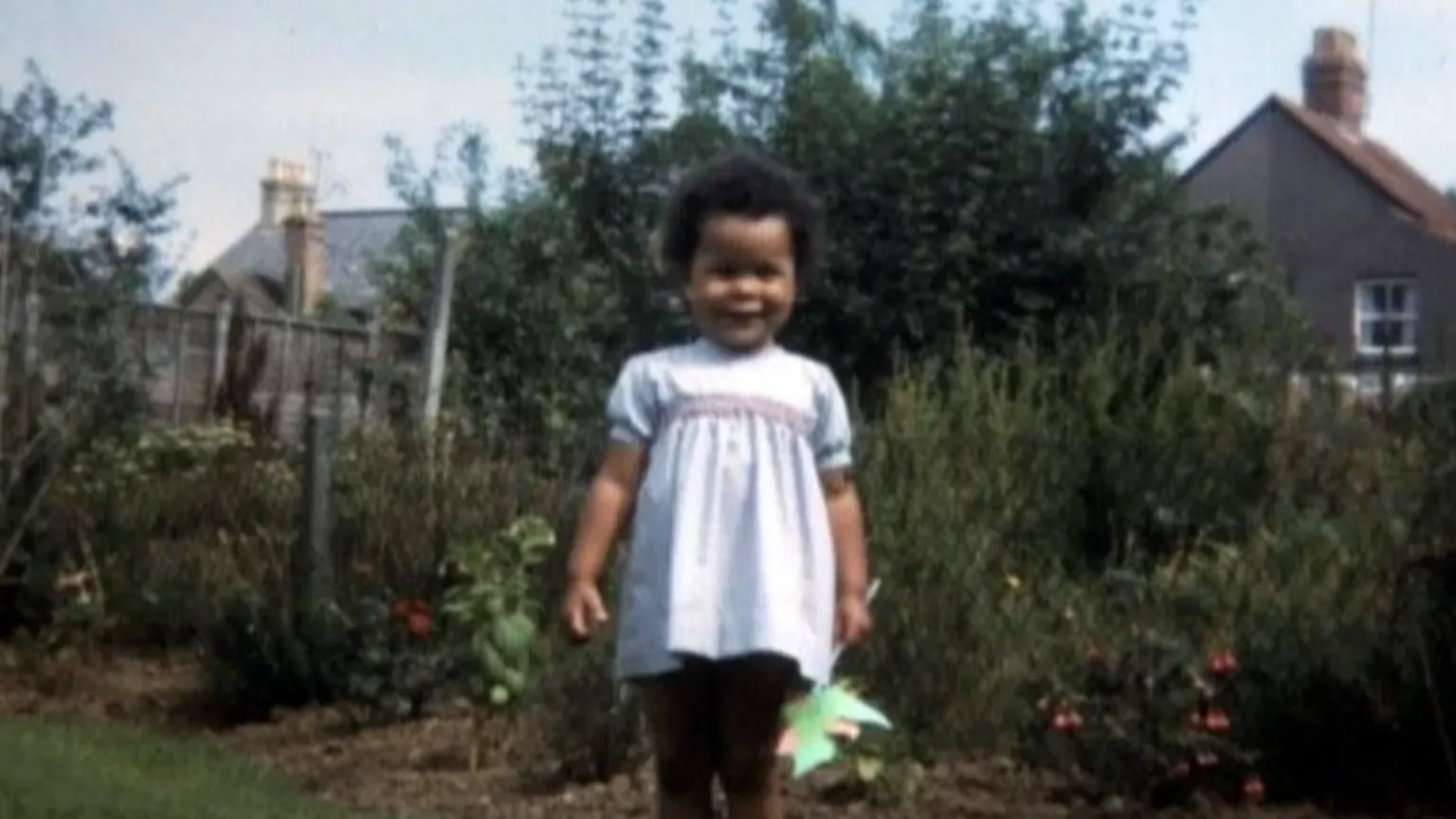
Statements from Advocacy Groups and Government
AMM welcomed the report and stated that an apology was "clearly overdue." A spokesperson highlighted that survivor and expert testimonies revealed the "shocking treatment experienced by both mothers and adoptees," emphasizing that the system enabling this abuse was funded and facilitated by the state.
"We call on the government to engage with survivors to implement the report's recommendations."
A government spokesperson condemned the "abhorrent practice" and expressed deepest sympathies to all affected. The government affirmed it takes the issue seriously and continues to engage with survivors to provide support.
Contact and Further Information
For further engagement, BBC Somerset can be followed on Facebook and X, with story ideas accepted via email or WhatsApp on 0800 313 4630.


