

Longstanding Debate Over M4 Relief Road
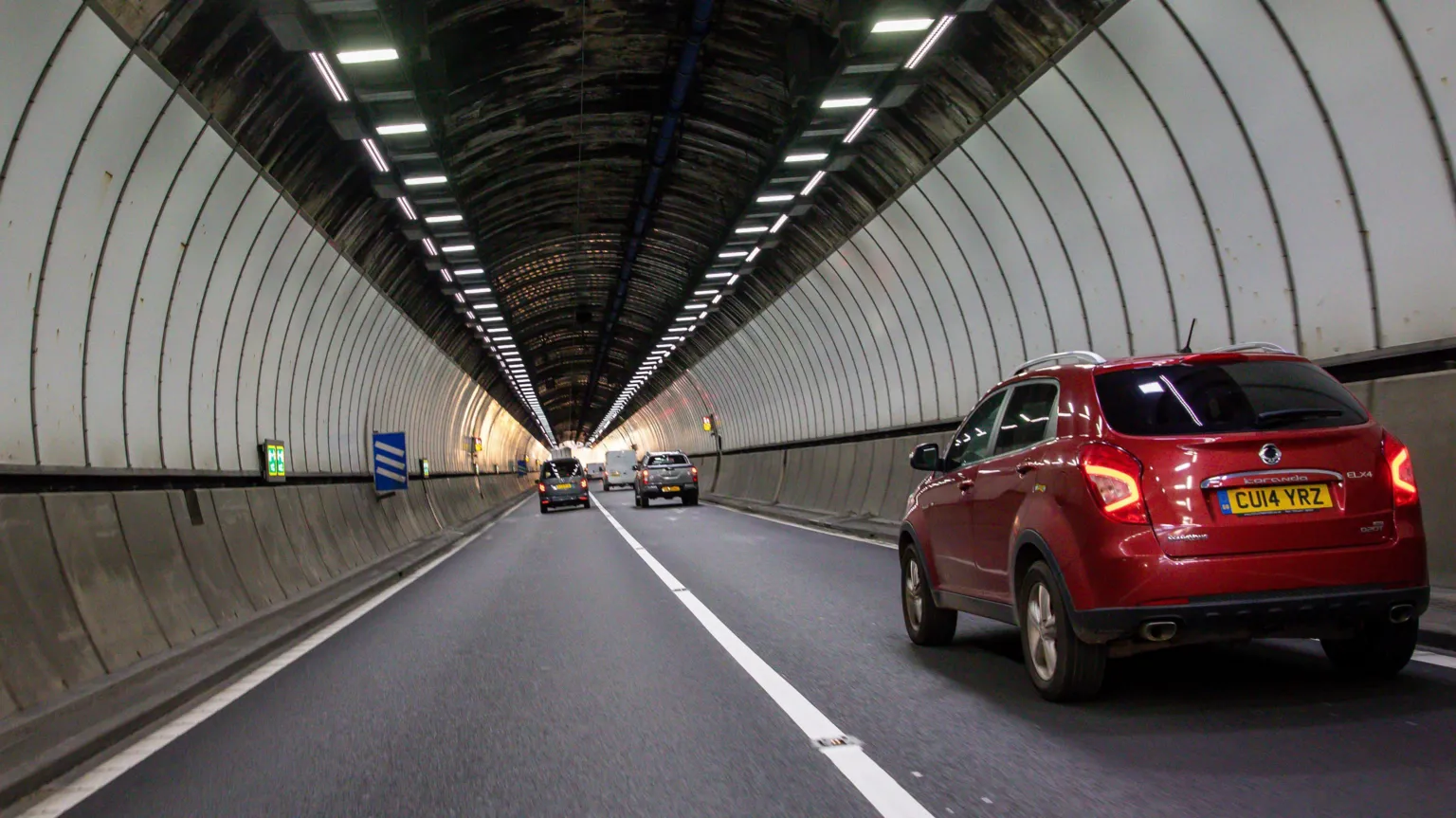
For over three decades, the proposal for a new motorway south of Newport has intermittently appeared on the political agenda. Initially proposed in 1991, the relief road aimed to address the persistent issue of excessive traffic attempting to pass through tunnels that are too narrow for current demand. However, the plan was ultimately abandoned in 2019 by former First Minister Mark Drakeford.
Despite the cancellation, congestion remains a significant problem. Ahead of the Senedd election on 7 May, the topic has resurfaced, with several political parties presenting differing views on the relief road.
Political Positions on the Relief Road
Reform UK and the Welsh Conservatives have pledged to construct the relief road that was previously cancelled by Drakeford. Meanwhile, Plaid Cymru has committed to developing a new plan, arguing that earlier proposals are outdated.
Opposition to the relief road persists among the Welsh Liberal Democrats, Wales Green Party, and Welsh Labour, citing environmental concerns and skepticism about the road’s effectiveness in resolving M4 congestion.
A government finance expert has cautioned that while constructing the project might be feasible, it could necessitate "difficult trade-offs," such as budget cuts. Former First Minister Mark Drakeford reiterated his stance, warning that current costs would be "entirely prohibitive."
Traffic Statistics and Local Perspectives
According to UK government data from 2024, an average of 81,578 vehicles travel eastbound daily between the two junctions flanking the Brynglas Tunnels. This figure is lower than the 2019 estimate of 85,379 but higher than the 2005 manual count of 72,540 vehicles.
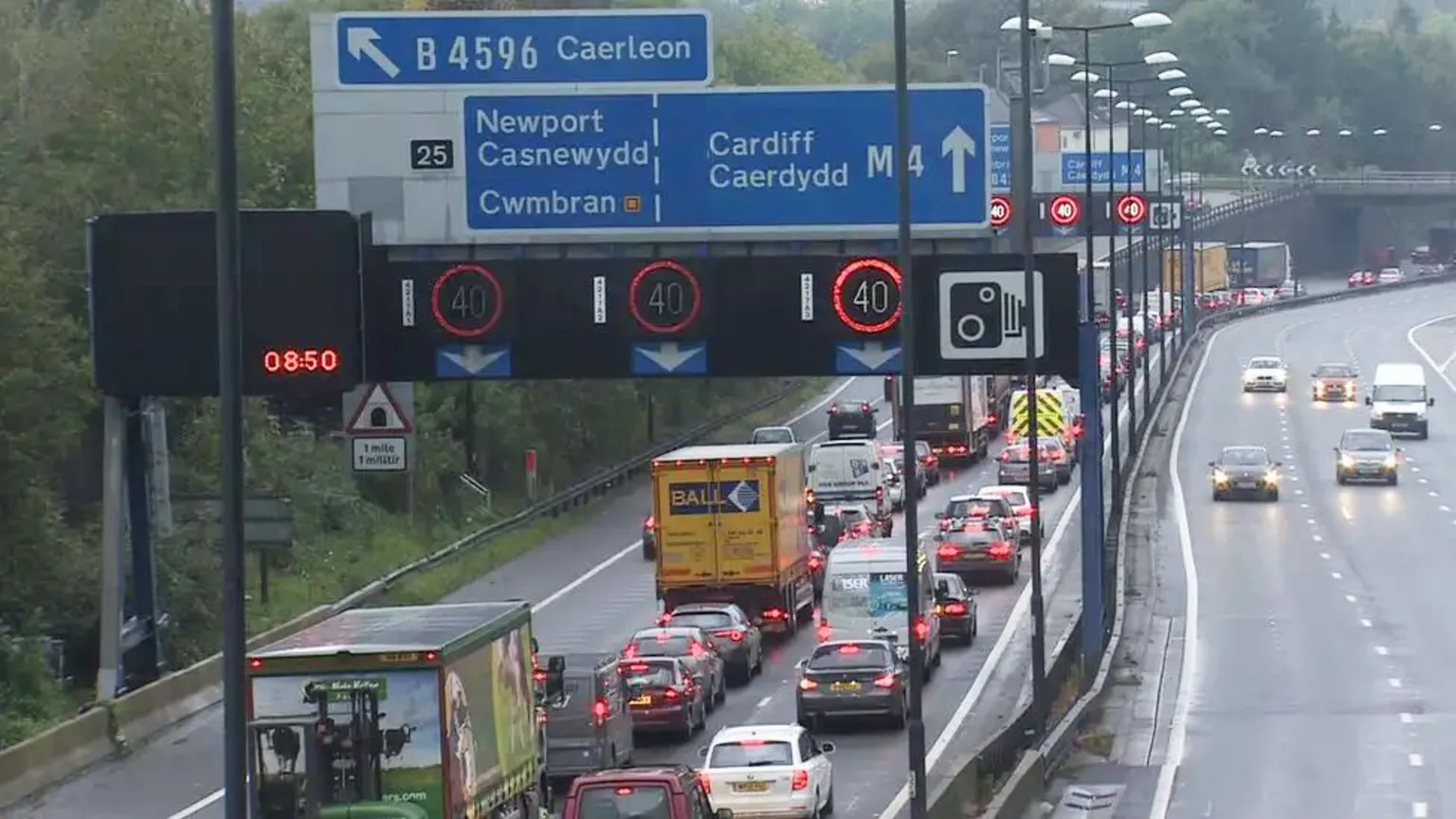
Many Newport residents have firsthand experience with the traffic issues on the M4. Liz Thorne, 67, who uses the motorway at least five times a week, supports the relief road to assist workers stuck in traffic each evening.
"There is always a big long queue once you reach the Newport part of the motorway. It hits 50mph and everything grinds to a halt," she said. "It takes you a good half an hour or so just to get to the next junction."

Andrew Lightbown, a 59-year-old priest who frequently uses the M4, acknowledged the frequent traffic jams but regarded the relief road as a "cheap electoral promise."
"I think that, unfortunately, we live in an area where smooth traffic flow along the M4 and through [it] is probably logistically almost impossible, and we probably ought to just accept that," he said. "It's been explored to death. It can't be done."

Funding and Political Debate
Both Reform UK and the Welsh Conservatives have expressed intentions to build the relief road if elected. Reform UK leader Nigel Farage discussed private funding options, including a potential toll road. The party's manifesto also mentions funding through a "Reform-instituted British Sovereign Wealth Fund," contingent on winning a UK Parliament election.
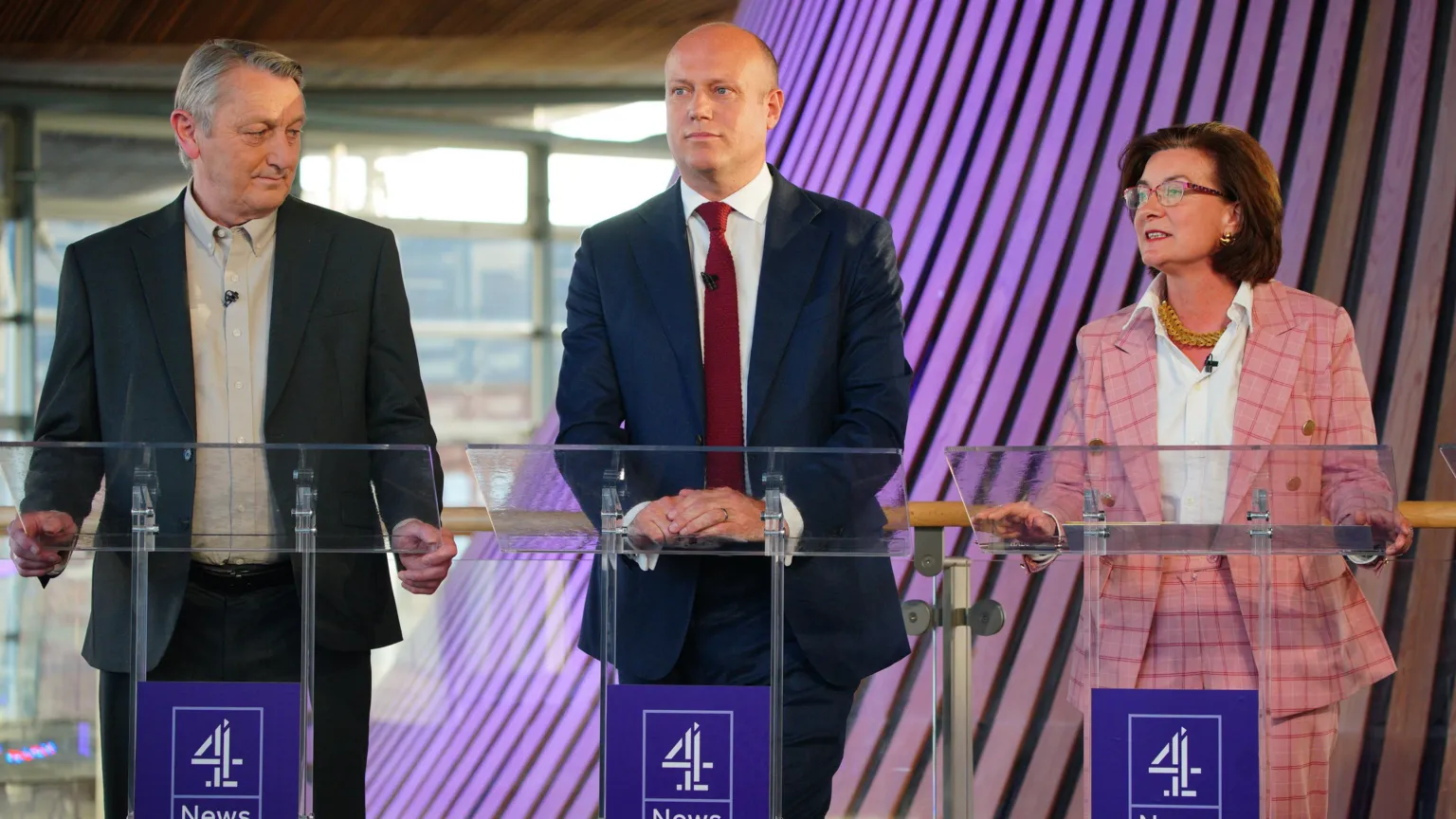
At a election debate, Reform leader Dan Thomas suggested reallocating funds from railway projects to road infrastructure, referencing the £14bn that Labour claims the UK government will spend on railways.
"We could easily divert money from that scheme," Thomas said, noting that most of the seven train stations planned by the UK government were not "needed or wanted."
It is important to note that railway spending is primarily controlled by the UK government, whereas motorways fall under the jurisdiction of the Welsh government, meaning the funding sources differ.
Labour’s £14bn figure has faced criticism, with only £445m confirmed as actual spending.
The Conservative manifesto does not specify how a relief road would be financed but a party spokesperson indicated that costs would be shared with a future UK government. The Conservatives oppose introducing tolls for motorists.
Plaid Cymru’s Position and Environmental Considerations
Plaid Cymru leader Rhun ap Iorwerth expressed support for a "road answer" to M4 congestion during a WalesOnline election debate. He stated that a Plaid government would develop a plan and begin building the case for a new project.
Ap Iorwerth did not commit to a specific route. Previously, the Welsh government had endorsed the "black" route, which Plaid opposed at the time. Plaid had supported the "blue route," which involved upgrading an existing trunk road.
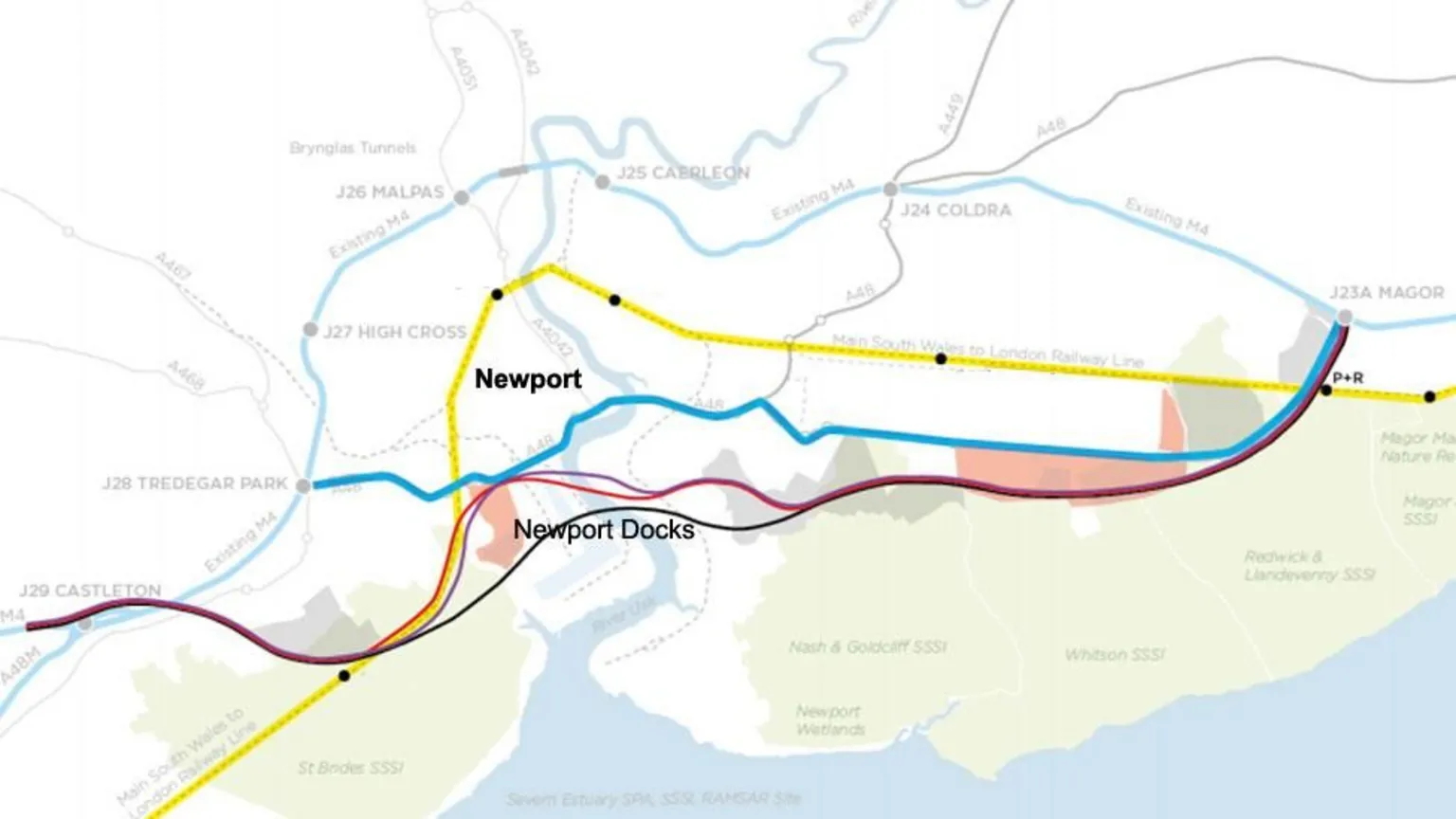
A Plaid spokesperson noted that previous plans are now outdated due to strengthened environmental protections in the Gwent Levels.
"We will consider feasibility, affordability, sustainability, and the environmental impact, then decide on the best way forward," the spokesperson said.
Previous Cancellation and Current Strategies
Although a public inquiry found the case for the road "compelling," former First Minister Drakeford cancelled the scheme in 2019, citing cost and environmental impact concerns. At least £114 million had been spent on the project before its cancellation.
Since then, the Welsh government’s strategy to address congestion has focused on improving traffic flow and enhancing public transport. It secured funding for five railway stations between Cardiff and the River Severn, part of seven stations recently supported by the UK government.
Drakeford told BBC Wales that his decision was based on weighing the merits against the demerits of the plan.
"I haven't changed my assessment," he said, "and I am very sure that the costs today would be entirely prohibitive."
Cost Estimates and Financial Implications
Estimates for the cost of the relief road in 2026 vary. Tory Senedd leader Andrew RT Davies told the WalesOnline debate that the cost is currently £1.8 billion, while Reform’s Dan Thomas estimated it between £1.5 billion and £2 billion.
David Phillips of the Institute for Fiscal Studies (IFS) stated that building the road would not be "infeasible" but would require "difficult trade-offs," given the £3 billion capital budget is already stretched by commitments to social housing, schools, hospitals, rail, and other road projects.
Phillips suggested that Reform’s proposals might involve a "mutual investment model," where the private sector finances construction upfront and the Welsh government repays over time.
"The capital budget could be cut back to fund the road, or you could use the investment model, but that is expensive once the payments have to be made," Phillips said. "A third option would be to fund it from an increase in taxation."
"A penny on income tax rates would raise around £400 million a year, on average, over the Senedd term," he added.
Phillips also expressed uncertainty about whether residents in north Wales would support such a deal without substantial investment in northern roads.
Opposition from Labour, Greens, and Liberal Democrats
Neither Welsh Labour, the Greens, nor the Liberal Democrats have supported the relief road during the current election campaign.
The Greens’ manifesto emphasizes maintaining existing roads before building new ones.
Welsh Liberal Democrat leader Jane Dodds advocates for infrastructure investment across all of Wales.
Welsh Labour reaffirmed its decision not to build an M4 relief road, instead exploring alternative options to alleviate pressure on the route, including sustainable public transport and active travel initiatives.
Environmental Concerns and Opposition
Environmental groups have opposed the relief road due to its potential impact on natural sites along the Gwent Levels.
Friends of the Earth Cymru’s Haf Elgar stated that new roads "lead to more cars on the road, more carbon emissions, and more air pollution, and distract from the much-needed public transport improvements that would help people travel safely and affordably."
Catherine Linstrum, a former Green candidate involved in the campaign against the road who has since moved away from Wales, highlighted the ecological significance of the Gwent Levels.
"The Gwent Levels is made up of a large number of sites of special scientific interest (SSSIs). Anything that eats into those SSSIs is going to have a knock-on effect for the whole area," she said.
"If there was a new motorway going across the Gwent you could kind of say goodbye to the levels as they are. They are a unique landscape within Wales."
Linstrum anticipates renewed opposition to any new project.
"It's such a tired old thing. This is what everybody did in the 1960s and the 1970s thinking it would ease traffic, and it hasn't."


Additional reporting by Elis Sandford.


