

Background of Ruth Ellis
Ruth Ellis, originally from north Wales, was a glamour model and nightclub manager in London during the 1950s.
The last woman to be executed in the UK has received a posthumous conditional pardon more than 70 years after her death - but who was she?
Nightclub hostess Ruth Ellis, from Rhyl in Denbighshire, was hanged after being convicted of murdering her lover, David Blakely.
Since then, Ellis' family have fought for her conviction to be overturned, asserting that Blakely physically and emotionally abused her prior to the killing.
Announcing that the King had granted the pardon on Wednesday, Deputy Prime Minister David Lammy stated it did not imply Ellis was innocent, but "replaces the death penalty with a sentence of life imprisonment to recognise a profound injustice in this exceptional case".
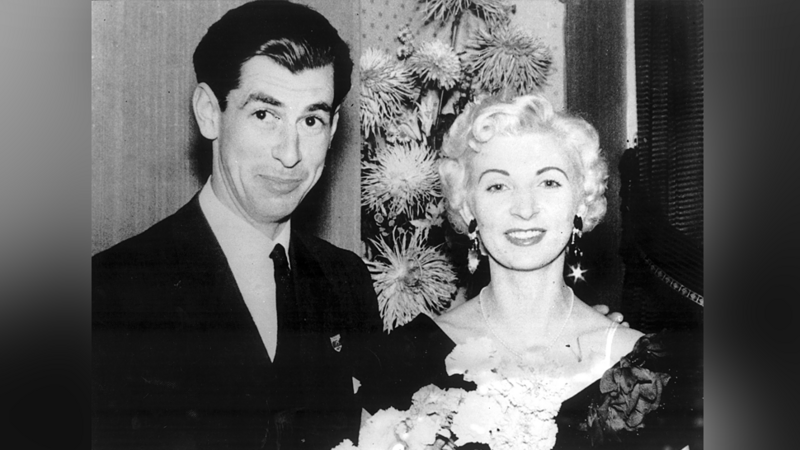
It is widely reported that Ellis (middle) lived and worked at the Little Club in Knightsbridge until shortly before her conviction

What did Ruth Ellis do and when was she hanged?
Ellis worked as a glamour model in London during the 1940s and 50s and was associated with several venues in the capital's nightlife scene, before reportedly living and working as the manager at the Little Club in Knightsbridge until 1954.
She was convicted of murdering David Blakely on 10 April 1955, and was executed by hanging at London's Holloway Prison on 13 July that year.
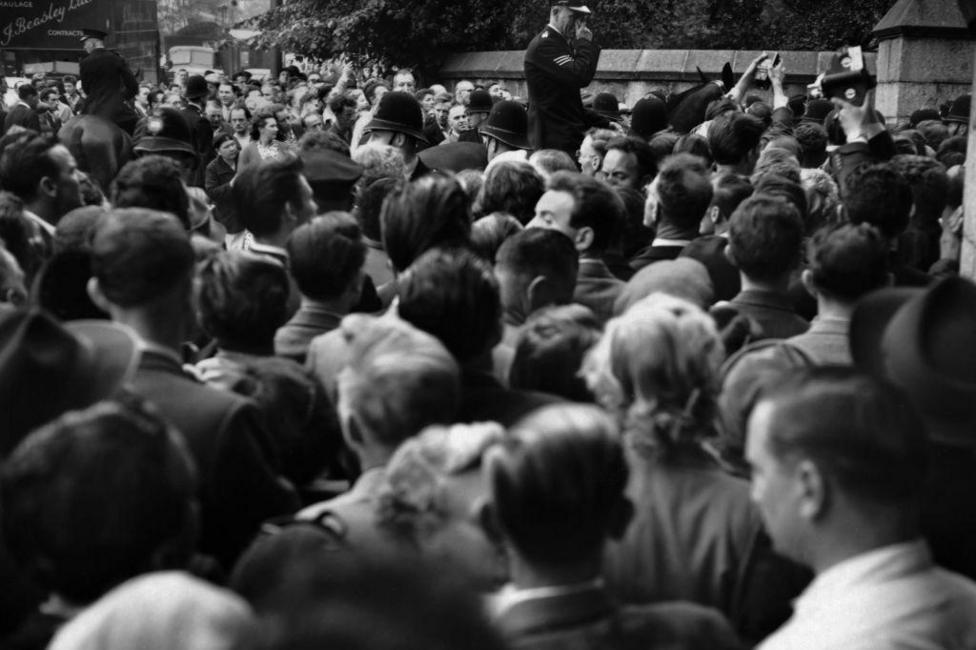
Crowds turned out at London's Holloway Prison on 13 July 1955 to see Ellis' execution
Ellis shot Blakely outside The Magdala pub in Hampstead, London, following a tumultuous relationship marked by infidelity on both sides.

She had an abortion, which was illegal in the UK at the time, and was physically abused by Blakely, a racing driver, who punched her in the stomach during an argument, causing a miscarriage.
Ellis' lover, David Blakely, was abusive to her throughout their relationship
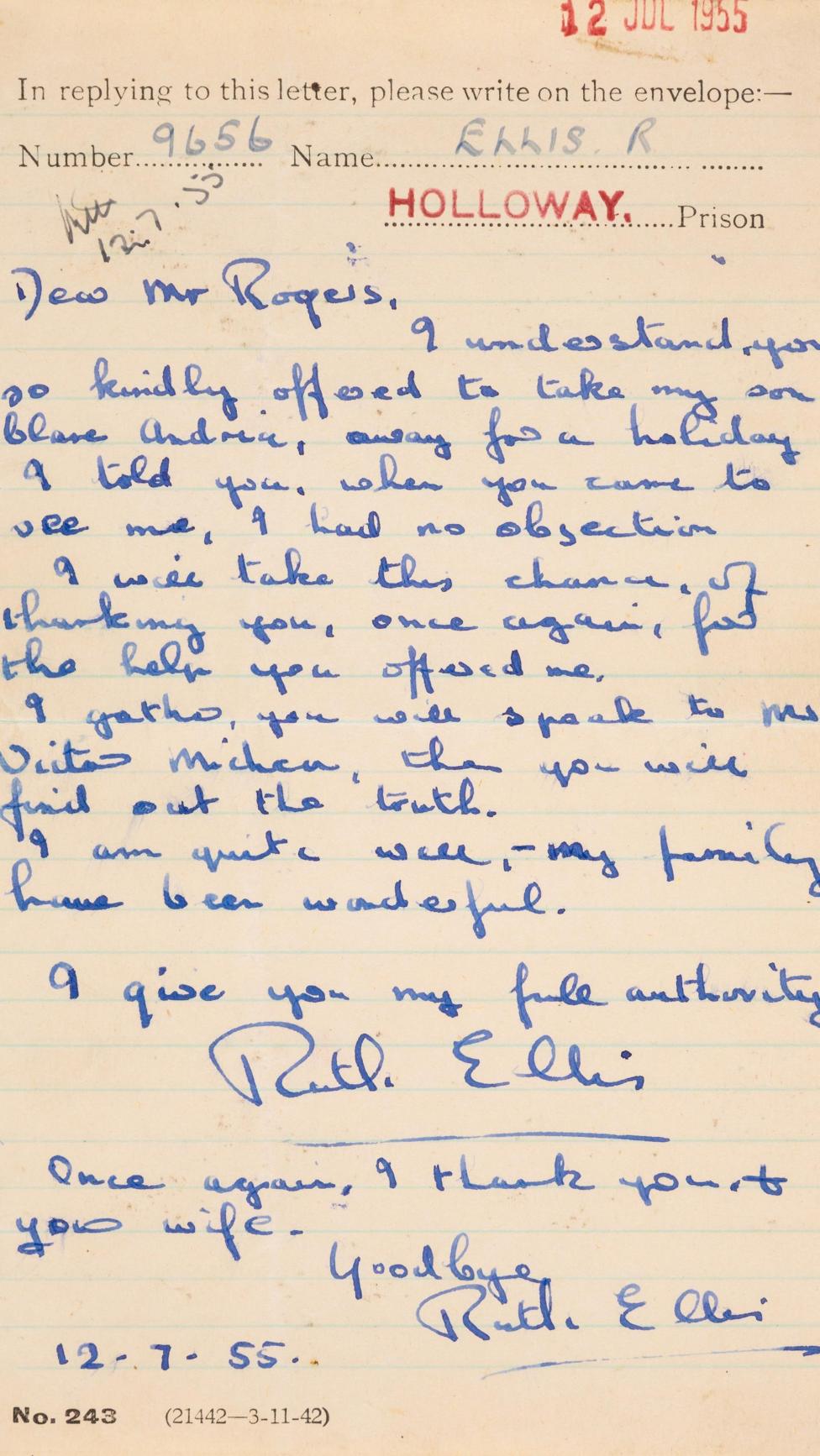
The day before her execution, Ellis wrote a letter to George Rogers, the Labour MP for Kensington North at the time, who had campaigned for her pardon.
In the letter, she appeared resigned to her fate, stating she was "quite well".
The letter was written on prison paper bearing her name, prisoner number, and the date at the top.
Ellis thanked Rogers for his efforts to assist her. Rogers had visited Ellis in prison and obtained her agreement to appeal to the Home Secretary for clemency or leniency, but the appeal was denied.
She also indicated that Rogers would speak to her solicitor following her death and know "the truth".
A letter from Ellis to George Rogers MP, written the day before her death, was sold at auction last year
At the time of Ellis' execution, the British public was already questioning the appropriateness of capital punishment in the 20th century. Two years after her hanging, legal reforms introduced diminished responsibility as a defence.
Deputy Prime Minister David Lammy said:
"For 70 years, the family of Ruth Ellis have fought for her story to be heard.
We cannot change what happened 70 years ago, but we can recognise that this was an exceptional case.
Today's conditional pardon is an act of mercy. We hope it brings some measure of peace to Ruth's family."
Laura Enston, Ellis' granddaughter, expressed:
"Today, justice has finally been done... this pardon does not undo what happened 71 years ago, it does not restore the lives that were broken - the children left behind, the years lost.
But it says, formally and finally, that Ruth should not have been executed. That the justice system failed her. That acknowledgement matters profoundly to our family.
We hope Ruth's story serves as a lasting reminder that the justice system must reckon with the abuse that drives women to the edge."


