

Overview of Immigration in Wales
Wales experiences a continual movement of people arriving from and departing to other countries annually, similar to many nations. The difference between the number of arrivals and departures is referred to as "net migration."
Focusing on international migration, the latest estimates indicate that Wales' population, which stood at 3.2 million in June 2024, increased by approximately 23,000 over the previous year due to net international migration.
A recent YouGov poll revealed that 25% of respondents in Wales considered immigration, alongside the economy, as key issues the Welsh government should prioritise, despite immigration policy being under UK government jurisdiction.
This raises questions about the public's interest in immigration and the insights provided by available data.
How Much International Migration Has Occurred Locally?
International migration statistics encompass individuals intending to stay for at least 12 months, including British nationals returning to Wales from abroad and those relocating from other countries.
The majority arrive for work or study purposes, while others come to join family, participate in humanitarian programs such as those for Ukraine and Hong Kong, or seek asylum.
An interactive tool is available to explore international migration data by area.
There is often misunderstanding regarding terminology related to immigration. Legal immigrants enter the country with permission, such as a visa, whereas illegal immigrants arrive without authorization or remain after their permission expires. Both legal and illegal immigrants may apply for asylum upon arrival.
Asylum seekers request sanctuary due to threats in their home countries; those granted asylum receive refugee or protected status.
While the Welsh government implements the Nation of Sanctuary policy to assist refugees and asylum seekers in integrating and accessing public services, immigration control remains the responsibility of the UK government.
Home Office data from December 2025 indicated that Wales had 11 asylum seekers supported per 10,000 people, the lowest rate among the UK's four nations. England had the highest, with 16 asylum seekers per 10,000 residents.
The Perspective from Wrexham
Wrexham, a city in north Wales with a population of 138,245 according to June 2024 ONS estimates, experienced an estimated net international migration increase of 2,900 people between 2020 and 2024.
However, due to other demographic changes, such as a higher number of deaths compared to births among existing residents, the overall population growth was less than the net migration figure.
Wrexham has witnessed recent anti-immigration protests following Home Office proposals, which were later withdrawn, to accommodate 70 asylum seekers in a disused care home.
"The homeless people in town, they're not getting priority over immigrants," said Natalie Wasiuk, 38, who attended the protest.
Her friend, Kelsey Hesp, 32, expressed concerns that newcomers receive support before local families: "Seven years I was homeless for with my two children. Yet, there are families coming over here and they get housing. No matter what colour you are, or language you speak, we all bleed the same. But, when it comes to taking housing, jobs, being treated differently in your own country, I'm sorry."

The Home Office is legally obligated to provide housing for asylum seekers while their claims are processed. Local Welsh authorities have responsibilities toward homeless individuals, with assistance varying based on circumstances.
As of December 2025, Home Office figures reported 128 asylum seekers housed in Wrexham during claim processing. Data does not specify how these individuals entered the UK.
Separately, 333 households in Wrexham qualified for homelessness support in the year ending March 2025; the data does not distinguish between British nationals and migrants.
Steven Rees-Davies, 63, stated, "Don't get me wrong, the ones in the war I understand, but the ones that are coming over illegally, we're still looking after them. I think that's totally wrong."

Most individuals entering the UK do so legally with visas granted prior to travel. Official estimates suggest approximately 898,000 arrivals in the UK during the year ending June 2025, with around 49,000 entering illegally.
Some illegal entrants, including those arriving by small boats, apply for asylum, allowing them to remain in the UK while their applications are reviewed. Approximately half of asylum claims in 2025 were from individuals who entered illegally.
Anna Buckley, director of the Polish Integration Support Centre assisting Wrexham's Polish community, described the city as welcoming.
"Every year, we have about 300 people who get in touch with us, maybe they need help with housing, maybe they want to open a business, sometimes we help with the transfer from Poland," she said.
"People who come here legally, they are hardworking people. They pay taxes. They want to feel safe. We are one big international family. So if we're talking about legal migration, I'm 100% behind that. But not illegal migration."
She added concerns about "illegal immigration leading to crime." "As an immigrant, you have to apply the rules, you have to apply the law, you have to respect someone's heritage," she said.

Experiences of Migrant Workers in Wrexham
At Pendine Park Care Home near Wrexham, Arlene Elano from the Philippines is among hundreds of overseas staff members.
Arlene, who legally came to Wales nearly 24 years ago to work, noted that recent protests have caused community tensions.
"These people think that because of our colour, because of our features, we are all the same, all the same 'illegal immigrants'," she said. "It threatens the safety of our children. We're worried."
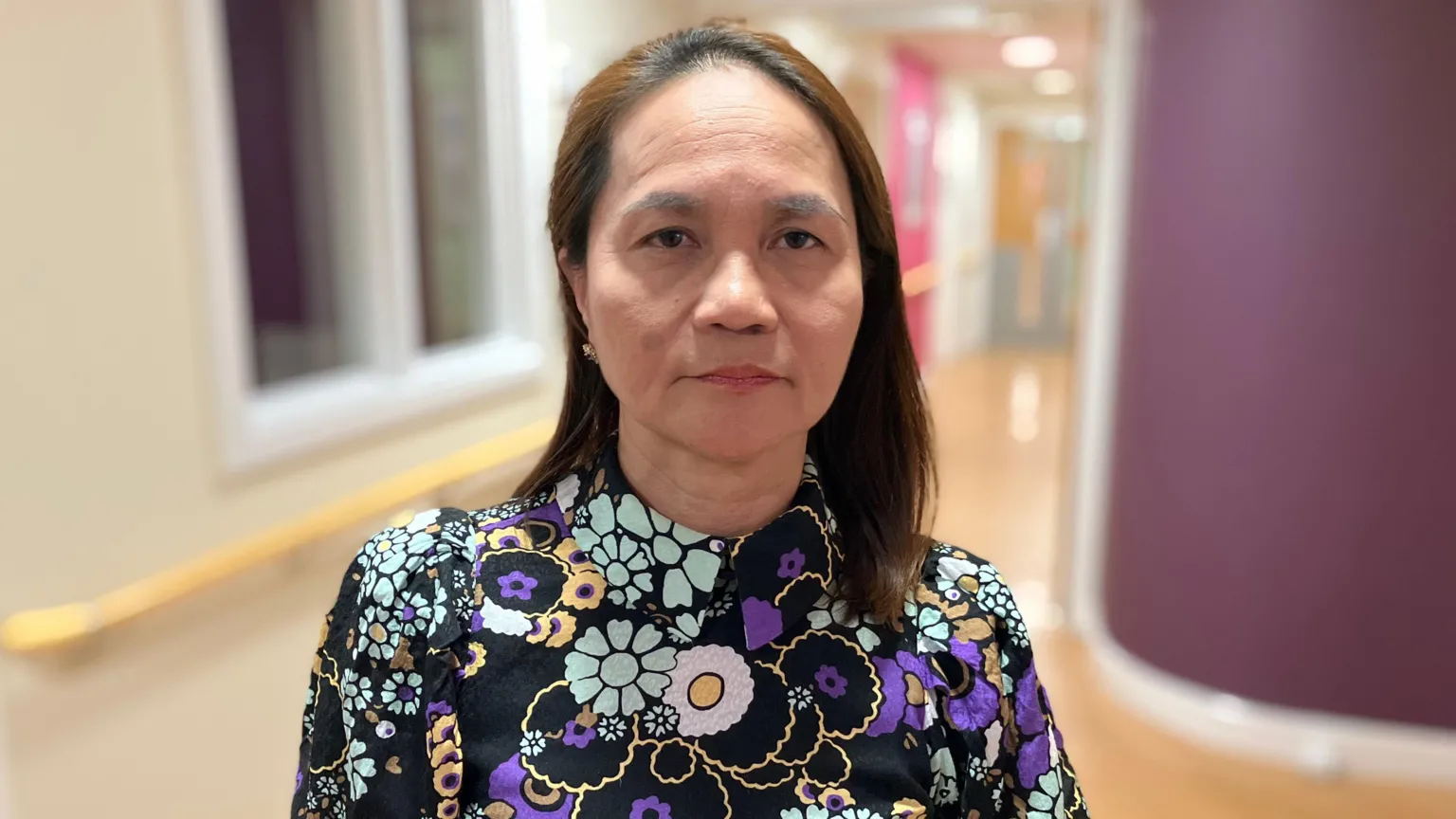
Many in Wrexham acknowledge the importance of legal migration to sectors like healthcare and hospitality.
Mario Kreft, director of Pendine Park, stated the sector would be "lost" without migrant workers.
"We have 850 staff. About half of those are from overseas. Philippines, Africa, India, Europe," he said.
"These overseas workers that bring great skills to our country, that bring their families, that actually make a contribution to our country, to our economy, are in fact supporting the national health service."

Political and Academic Perspectives
Professor Ryszard Piotrowicz of Aberystwyth University suggested political parties might use immigration as a tool to gain votes ahead of the Senedd election.
"Parties realise that there are votes to be gained by it," he said. "I think that parties, in different ways, deliberately play on it, and manipulate it, and I think people fall for it. But I think people are genuinely concerned about it. Unless funding is increased to help the extra people who are coming in, who are applying for asylum, then that will have a negative impact on the resource available to the population who are actually living in Wales."
The Home Office, responsible for immigration and border control in the UK government, reported that "nearly 60,000 illegal migrants and foreign national offenders have been removed since the 2024 election," noting that most left voluntarily.
It also stated efforts to increase removals of individuals without the right to remain while relocating those in the system from costly hotels to larger, more basic accommodations.
Political Party Positions in Wales
The Welsh Conservatives and Reform Wales advocate abolishing Wales' Nation of Sanctuary policy.
A Welsh Conservative spokesperson said:
"The Welsh Conservatives believe in a fair system that is firm but controlled - supporting those who contribute, while working with the UK government to stop illegal immigration."
Reform Wales leader Dan Thomas remarked:
"Immigration is an important issue for voters, and it's easy to see why. When immigration is too high it puts a strain on our public services and our communities."
Plaid Cymru expressed support for a fair, rules-based migration system tailored to Wales' needs and values.
Plaid Cymru, Welsh Labour, Liberal Democrats, and the Green Party all support the Nation of Sanctuary policy.
Welsh Labour highlighted its record supporting those fleeing conflict in Ukraine and noted that the UK Labour Government has increased removals of illegal migrants.
Welsh Liberal Democrat Leader Jane Dodds identified the biggest challenge for Wales and its public services as the emigration of young people over the past 27 years of Labour governance.
A spokesperson for the Wales Green Party stated it would advocate to the UK government for a stronger, more efficient asylum system with safe and secure routes.

Additional reporting by Jess Carr, Aidan McNamee, and Tony Brown.


