

Health Secretary’s Position and Emerging Leadership Speculation
As the unofficial political truce of the king’s speech approached, with no immediate sign of a leadership challenge from Wes Streeting, some Labour colleagues believed the health secretary’s opportunity to pursue the party’s top job might have passed indefinitely.
“There is a risk he becomes the David Miliband of this generation if he doesn’t do something,”
one MP remarked, referencing the former Labour heir apparent who never took the final step to leadership.
However, almost simultaneously with the monarch’s state coach arriving at parliament, reports surfaced that Streeting intended to resign, possibly as early as Thursday, to initiate a leadership election. What prompted this shift? Essentially, evolving circumstances.
Streeting’s ambition has long been openly discussed and often joked about within Labour circles, including self-deprecating remarks from Streeting himself. While his supporters downplayed the likelihood of a leadership bid, this was largely predicated on hopes that Keir Starmer would step down or that another candidate would emerge.
The approach was described as “planning, not plotting,” aiming to be prepared if a contest arose rather than instigating one. On Monday morning, Peter Kyle, the business secretary and close friend of Streeting, recounted to a recent joint dinner and viewing of The Devil Wears Prada 2, questioning whether a man intent on a leadership bid would have time for such leisurely activities.
Shifts in Political Dynamics and Downing Street’s Response
Two developments altered the narrative. First, Starmer maintained his position despite a cabinet reshuffle on Monday morning, which resulted in only a few junior ministers—mostly aligned with Streeting—resigning, and no significant leadership challenges beyond a minor one from backbencher Catherine West.
Second, as days passed, Downing Street and its allies increasingly and vocally dismissed Streeting’s prospects, suggesting he had “bottled it” or failed to secure the 80 additional MPs required to trigger a leadership contest.
Adding to the perception of deliberate humiliation, after Streeting sought a private discussion with the prime minister following Tuesday’s cabinet meeting, he was rebuffed and instead summoned for a meeting entirely on Starmer’s terms.
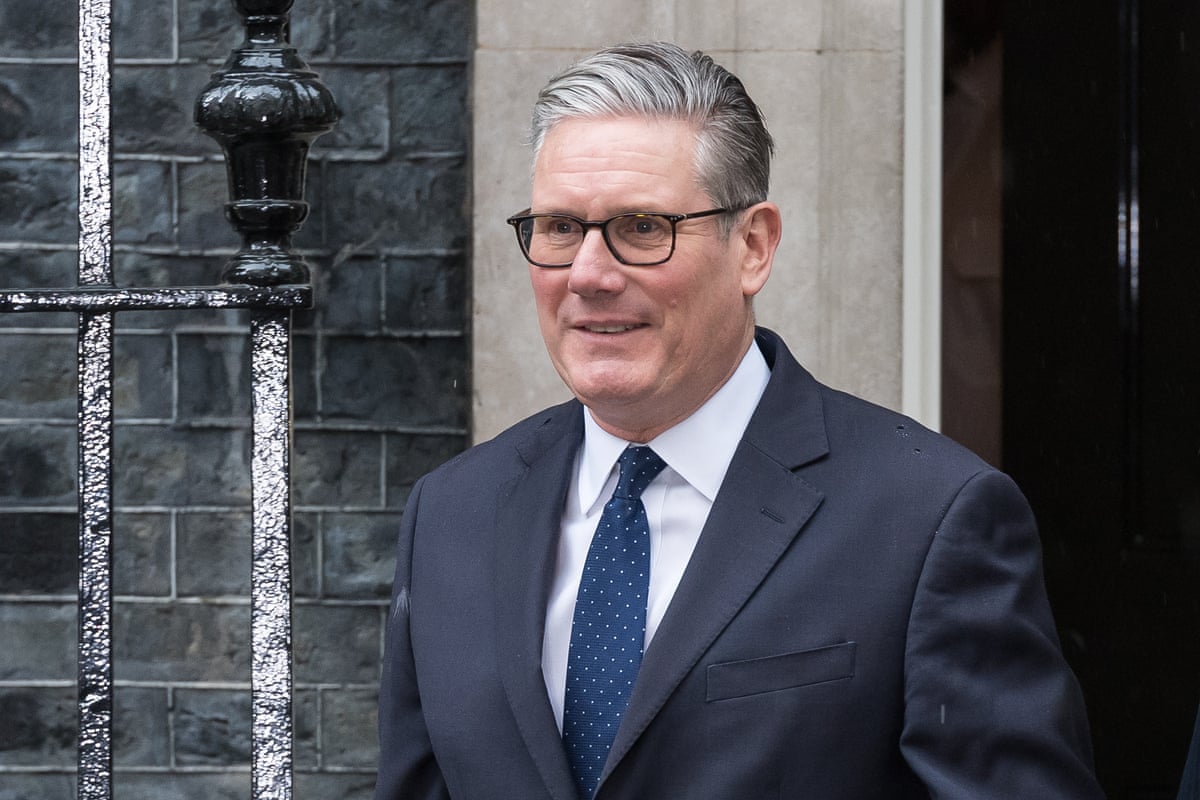
On Wednesday morning, Streeting faced the press outside Downing Street shortly after 8:30 a.m., entering the building and emerging 16 or 17 minutes later. The clear message was that this was a routine matter the prime minister needed to address before proceeding with the day’s agenda.
Paul Scully, the former Conservative minister who lost his seat in 2024, commented,
“It was like a meeting without coffee,”
explaining that among Tories this phrase signifies “a summons by the chief whip for a bollocking.” He added,
“Not sure that was the look Wes was going for.”
Internal Party Perspectives and Supporter Actions
Close allies of Starmer have consistently believed that Streeting would struggle to command sufficient support from both the parliamentary party and membership, and that he would be the only likely challenger if Andy Burnham, the Greater Manchester mayor, remained outside parliament.
“It’s why we felt so confident that Keir would not have to resign – they thought he can be bullied out but he can’t,”
said a close ally of the prime minister. A rival camp member was more blunt:
“The Wes operation has been shown to be totally pathetic.”
Nonetheless, Streeting’s team maintained a different stance. On Tuesday night, his supporters contacted several MPs, urging them not to trust media reports and affirming that Streeting still intended to pursue leadership, encouraging them to remain patient.
The timing and viability of any leadership bid remain uncertain. Among the MPs contacted by Streeting’s allies were some from the party’s left wing, who would not typically be considered natural supporters, indicating a broad strategy to secure the 80 MPs—or 20% of the parliamentary party—required to trigger a contest. Some MPs were lobbied with considerable insistence, being urged to or risk exclusion.
While Thursday was widely anticipated as the moment for a formal announcement, this was not definitively confirmed. Supporters claimed the bid would proceed, with additional ministers loyal to Streeting expected to resign beforehand, but no official confirmation came from the health secretary’s camp.
Official Statements and Political Calculations
For the time being, Streeting remains officially a loyal health secretary. His sole public comment on Wednesday highlighted achievements within his ministerial portfolio:
“Lots done, lots to do.”
This suggested he may not have orchestrated the precise timing of the news regarding his leadership intentions, which reportedly frustrated some cabinet colleagues due to its emergence just prior to the king’s address.
Downing Street maintained a façade of confidence, with Starmer’s official spokesperson stating at a lunchtime briefing that the prime minister retained full confidence in his health secretary, although this assurance was not universally accepted. When asked by the BBC shortly before the briefing if Streeting was still in office, Hilary Benn, the Northern Ireland secretary, replied:
“I don’t know, why don’t you ask him?”
Potential Outcomes and Party Dynamics
The situation presents numerous possible outcomes, complicated further by decisions from other factions within the party. Should Streeting secure the necessary MP threshold and launch a leadership contest, Starmer is expected—according to allies—to contest it vigorously, aiming to secure the membership’s vote.
A direct contest between Starmer and Streeting would be unappealing to many Labour MPs, potentially prompting a candidate from the party’s left, such as Ed Miliband, the energy secretary, or Angela Rayner, Starmer’s former deputy, to enter the race.
Simultaneously, given the level of dissatisfaction with Starmer among some MPs, even some left-wing members might support Streeting in a straight contest. One MP remarked:
“I’d pick Andy if we go later, but if it’s now, it’s Wes.”
Some MPs and ministers acknowledge that Streeting and his team have made significant progress in policy preparation and would be ready to govern. Even his critics concede that he is a notably stronger media performer than Starmer.
However, none of this will be consequential if Streeting does not formally launch a bid or, like David Miliband before him, enters a contest and loses. Some of Starmer’s allies argue that the hype surrounding Streeting and other potential left-wing contenders exceeds the reality.
One ally commented,
“All the months both sides have been saying they have been planning not plotting, and yet have so monumentally fucked up the first stage it is embarrassing. I can’t wait for them to be in government for two months before they start blaming the comms.”


