
Welsh Government to Decide on Mine Restoration
The Welsh government will take the final decision on a contentious proposal to restore the site of the UK's last opencast coal mine.
Merthyr South Wales Ltd (MSW) has provoked public concern after submitting a revised, less costly restoration plan that would leave three coal tips intact.
The company stated it has "insufficient funds" to carry out a more comprehensive restoration plan that had been previously agreed upon.
As a result, the Welsh government has "called in" the application, meaning that ministers, rather than Merthyr Tydfil County Borough Council, will determine the outcome.
The Welsh government declined to comment further at this stage, stating it would be "inappropriate to comment further at this time".
Under MSW's reduced plan, the company intends to lower the height of one coal tip while leaving two others untouched.
Local Campaigners Welcome Government Involvement
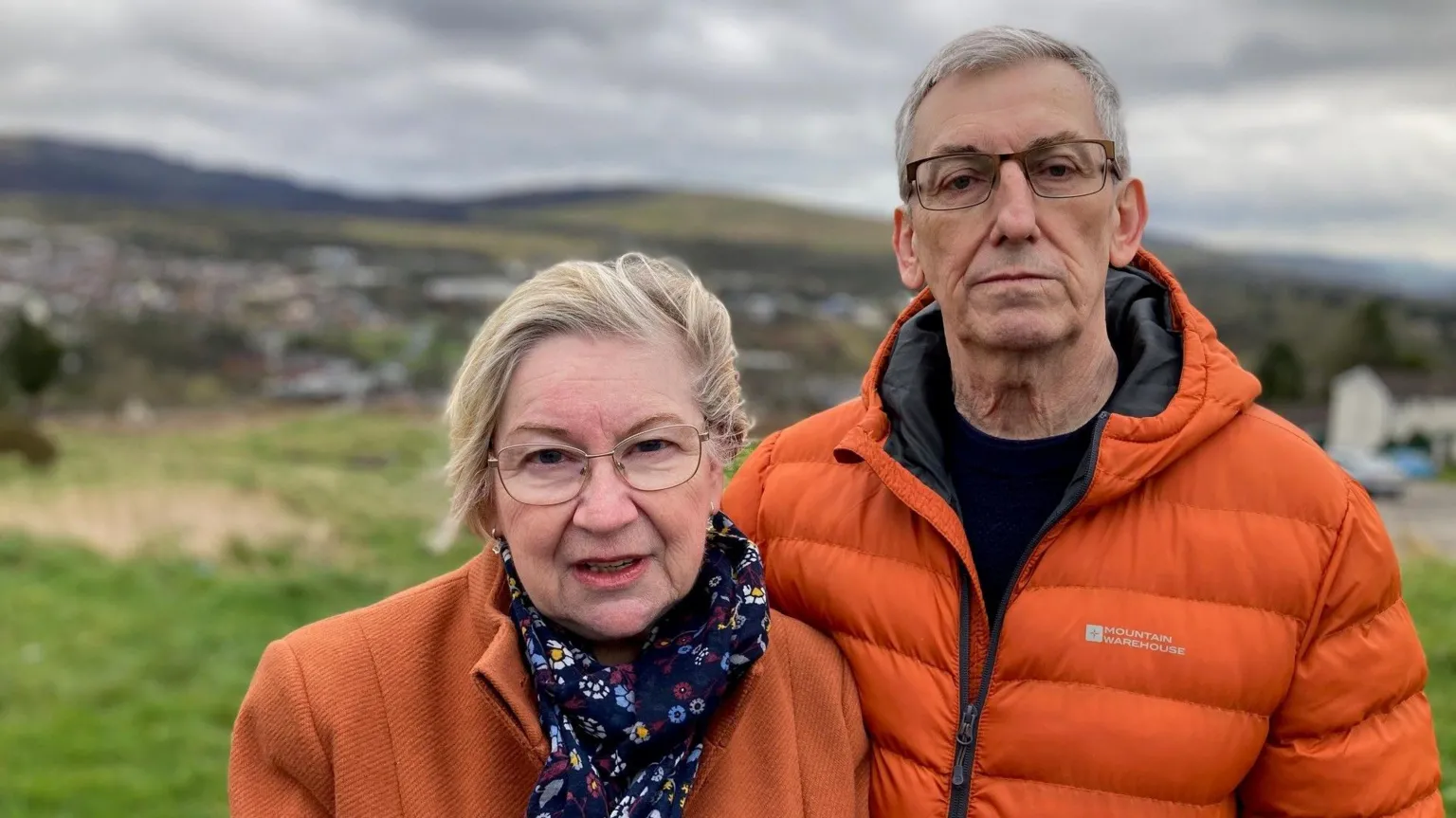
Chris and Alyson Austin, residents near the mine who have long opposed its ongoing operation, expressed approval of the Welsh government's decision.
"We are really, really pleased," said Alyson.
"We've always felt the local authority lacked the capacity or resources to deal with a complex and controversial plan of this nature."
Chris added that the decision would provide a "more objective view".
"This plan isn't like approving an extension on Mrs Jones' house, it's much wider. It's of national significance.
"The local authority's been too close to this for too long and it doesn't have the breadth of resources the Welsh government will have," he added.
Background on the Mine and Restoration Obligations
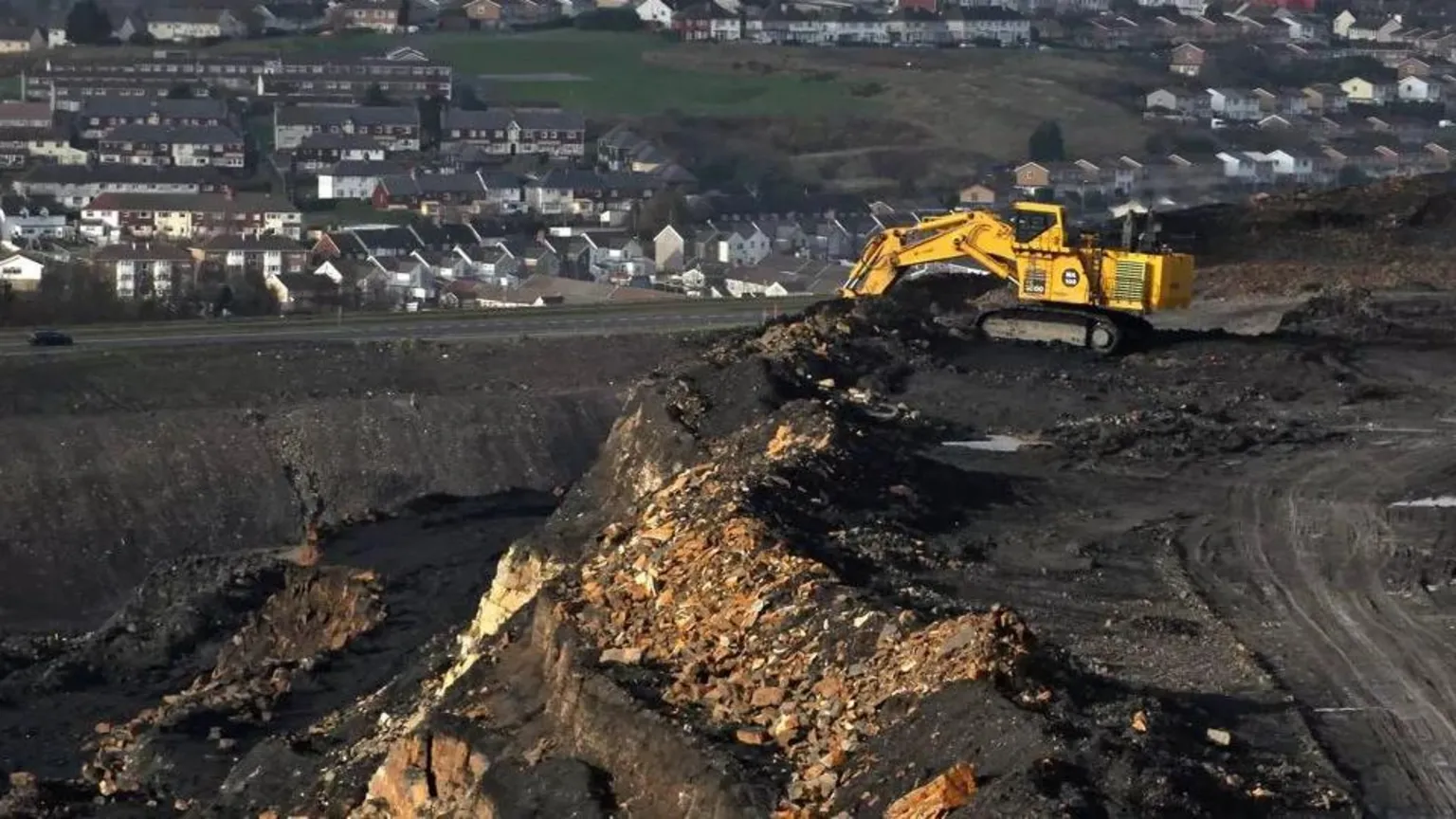
Granted approval in 2005, the UK's largest opencast mine was officially designated a "land reclamation scheme".
Profits from selling 11 million tonnes of coal over 15 years were to be partly allocated to rehabilitate the site and restore it to green hillside.
The coal tips contain 37 million cubic metres of material extracted during mining operations.
The original restoration plan involved using the tips to fill the main mining void, which is 175 metres (574 feet) deep.
Cost estimates for removing the tips and filling the void vary widely, ranging from £50 million to £175 million.
Criticism of the Revised Restoration Proposal
Daniel Therkelsen, campaigns manager at Coal Action Network, accused MSW of attempting a "profit grab".
"The new proposal is to deliver a restoration on just £15m.
That might sound like a lot but the promised restoration is budgeted to cost anywhere between £75 and £120m, so it's a tiny fraction of what would be needed to deliver the full restoration," he said.
"What we're talking about here is a very dangerous landscape.
They talk about erecting fences to discourage people from going near the cliff edge, swimming in the void or going up and down with dirt bikes.
We've seen in other opencast coal mine sites that have been under-restored, these measures haven't worked.
We have trust that the Welsh government will see this application for what it is, which is an attempt to extract further profits from that area and abandon its obligations to restore the site."
A geotechnical report prepared for the council warned of a "significant risk of slope instability" from Ffos-y-Fran, while campaigners described plans to retain the tips as "staggering".
MSW responded by stating that suggesting the "purpose-built, engineered structures" pose the same risks as historical coal tips is "incorrect and misleading".
The company's most recent accounts include a provision of approximately £91.2 million to meet the requirements of the approved restoration scheme.
However, a recent letter from the council to MSW indicated there now "appears to be a reliance" on the company using funds from a £15 million account established jointly with the council as a contingency should the company fail.
MSW's consultants replied that detailed costings "are currently being prepared".
Political Reactions
The Welsh Conservatives criticized the Welsh government for acting "far too late on Ffos-y-Fran" and suggested the timing was influenced by the upcoming election.
A spokesperson said:
"After years of failure, the priority now must be full, safe restoration with those responsible made to pay - not taxpayers picking up the bill."


