

Council Tax Increases Across Wales
From April, council tax bills in Wales will increase by an average of 4.9% following the approval of budgets by local councils for the upcoming financial year. The largest hikes are set for Conwy and Vale of Glamorgan, both at 6.5%, while Neath Port Talbot will see the smallest rise at 3.5%.
Council tax funds a range of essential services including rubbish collection and social care for vulnerable adults and children. It remains one of the most significant household expenses.
The Welsh Local Government Association (WLGA) stated,
"All councils will consider council tax decisions in line with local circumstances and priorities,"
and emphasized that councils have a statutory responsibility to present balanced budgets.
Personal Impact: Jodie Davies' Experience
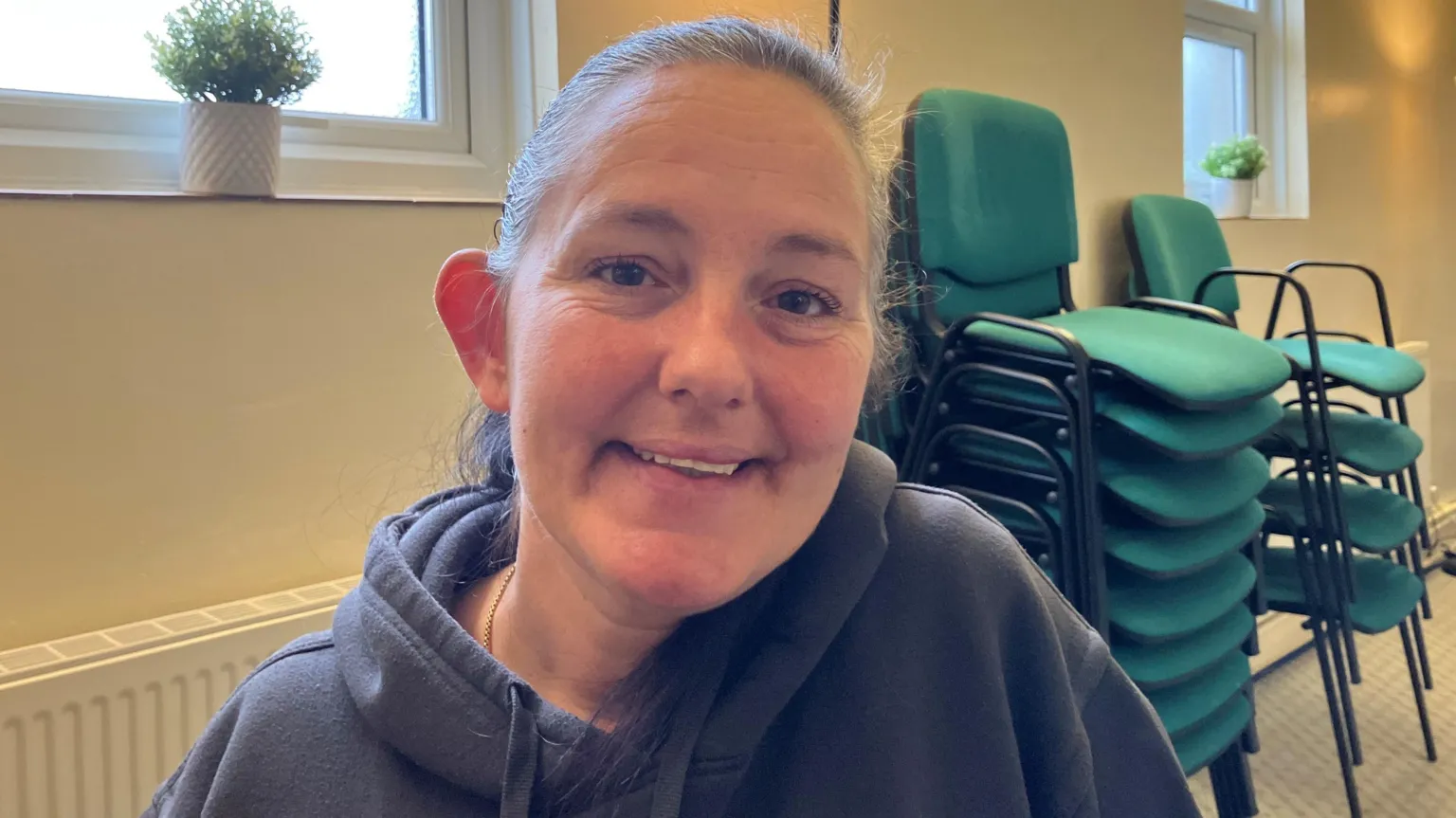
Jodie Davies, a resident of Tonyrefail in Rhondda Cynon Taf, currently owes £1,200 in council tax arrears. She advocates for earlier council intervention when payments are missed.
Davies works with the Taff Ely Foodbank and runs a support group assisting families dealing with addiction, health issues, and cost of living challenges. She missed payments due to confusion over which bills her benefits covered.
She recounted that some council letters arrived late due to delivery delays, leading to threats of court action and bailiff involvement.
"I ended up being in a lot of trouble Christmas time, money-wise,"
she said.
"I didn't think I was going to be able to get stuff for my kids for Christmas."
Davies described how the stress caused her to shut down,
"I stopped answering the phone, I stopped reading letters."
It was only in mid-January that she decided to take action,
"Now I've got a payment plan I'm not scared of having to pay it all in one go."
She praised the council's assistance once contacted but noted,
"If they'd been there in the beginning, if they'd gone 'oh, hang on, this month hasn't been paid', and made a phone call, the problem could have been addressed sooner and been less stressful."
Council Response and Policy Changes
Rhondda Cynon Taf council indicated it is exploring various methods to engage earlier with residents who fall behind on payments, including an informal text messaging service.
The council added that court proceedings are always a last resort, and even at that stage, if residents make early contact, affordable payment plans can be arranged alongside assessments for additional support eligibility.
Currently, missing a single monthly council tax payment can result in liability for the entire year’s bill. However, from April, the grace period for settling bills will extend from two weeks to two months following Welsh government rule changes. These changes also mandate earlier council intervention with support offers.

Lower-income residents may qualify for assistance through the Council Tax Reduction Scheme, which in March 2025 helped reduce bills for 256,489 households.
What if I Can't Pay My Council Tax?
Steffan Evans of the Bevan Foundation, a think tank researching poverty in Wales, criticized council tax as,
"fundamentally unfair"
He explained,
"It doesn't really take into account how well off people are, and therefore it hits those who are poorer harder, than those who are wealthier.
I think the long-term aim has to be to have something that's a bit more proportional in this place, that takes into account local incomes and property prices,"
he said.

A WLGA spokesperson commented,
"Although local government warmly welcomed a much-improved settlement from Welsh government this year, local services still face enormous budget pressures and councils will need to take difficult decisions to raise revenue, find any savings and manage budgets responsibly."
Political Perspectives on Council Tax
Welsh Labour highlighted that due to its reforms,
"Wales already has the fairest council tax system in the UK"
and noted that from April, households will have
"more time for households to seek help."
It added that approximately one in five households receive support to pay their bills and that its manifesto will outline intentions to make council tax even fairer.
Plaid Cymru stated that during recent budget negotiations with the Welsh government, it worked to
"prevent unaffordable council tax rises"
for 2026-27 by securing increased budget uplifts for local authorities. The party also pledged that if elected, it would implement policies aimed at increasing people's disposable income, including collaborating with local authorities on future financial reforms.
Reform announced plans to cap council tax increases at 4.99%, requiring councils to hold referendums for any higher rises. It added that if councils treat a 4.99% rise as a target, it would not hesitate to lower it further, emphasizing the importance of keeping bills low during the cost of living crisis.
The Welsh Conservatives proposed capping council tax increases at 5% and mandating local referendums for larger rises, thereby giving residents the power to approve or block excessive hikes.
The Green Party criticized council tax as unfair and a major monthly expense for many. It proposed replacing it with a fairer land value tax, which would reduce payments for most people while increasing contributions from the wealthiest property owners.
The Welsh Liberal Democrats pointed out that councils are increasingly compelled to allocate significant portions of their budgets to social care. Their plans to reform social care aim to alleviate financial pressure on local authorities.



