

What does devolution mean and how does it work across the UK?
Millions of voters will head to the polls on 7 May for local elections in England and national parliamentary elections in Scotland and Wales.
The UK has had devolved governments since the late 1990s, which operate alongside the Westminster Parliament.
Different forms of devolution exist across Scotland, Wales, Northern Ireland, and parts of England.
What is devolution?
Devolution refers to the transfer of power from central government to regional or local administrations.
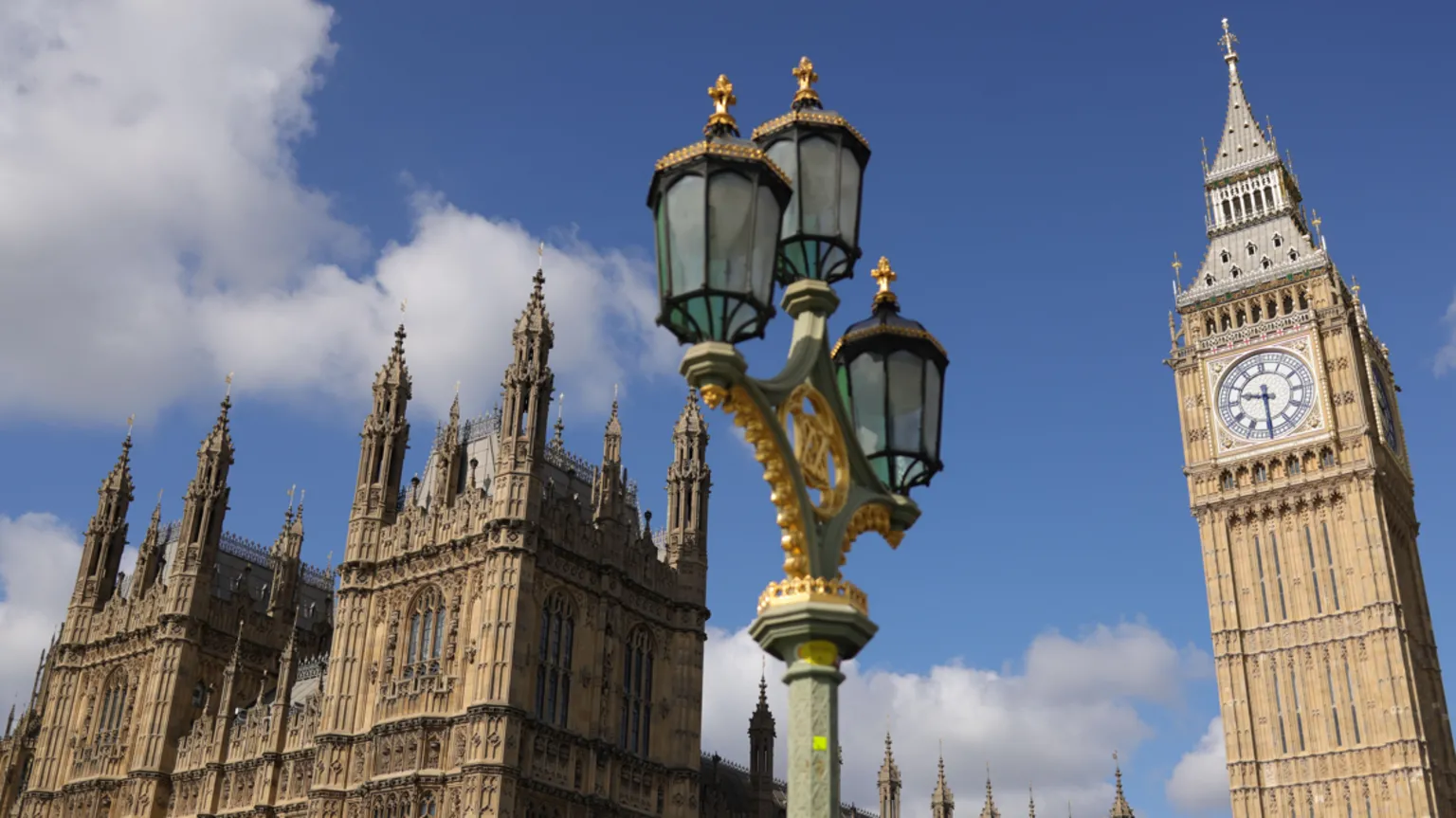
Historically, England, Wales, Scotland, and Northern Ireland were governed directly by the UK Parliament based in Westminster, London.
However, increasing demands for greater economic, social, and political autonomy led to public referendums on devolution in Scotland and Wales in 1997, and on both sides of the Northern Irish/Irish border in 1998 as part of the Good Friday Agreement.
These developments resulted in the establishment of three elected institutions:
- The Scottish Parliament
- The Welsh Parliament (formerly National Assembly for Wales)
- The Northern Ireland Assembly
Additionally, various mayoral positions have been introduced in England, each with differing powers and responsibilities.
What powers does the UK government still have?
The UK government in Westminster retains responsibility for policies that affect England exclusively.
It also oversees UK-wide policy in several key areas.
How does devolution work in Scotland?
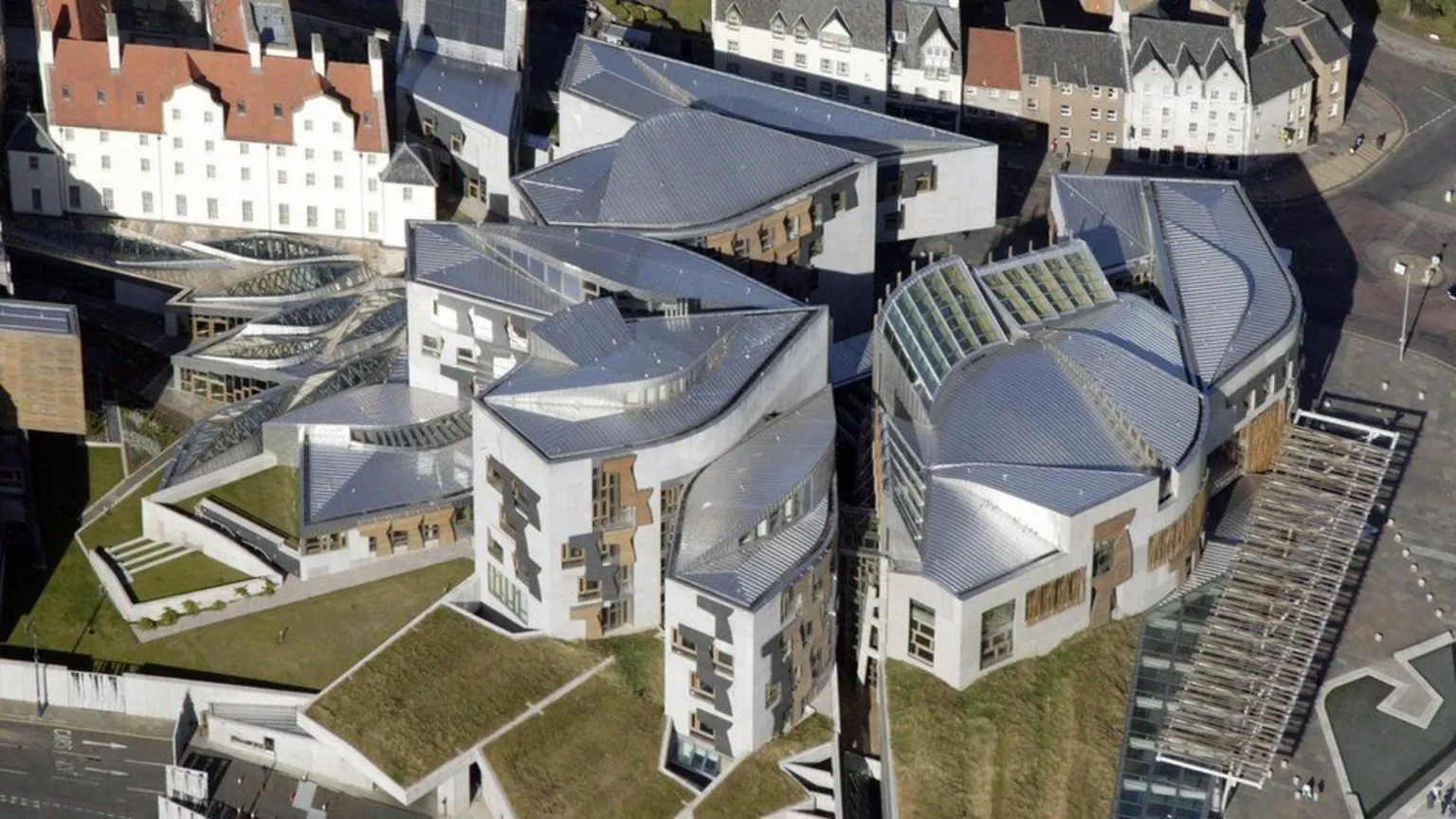
The Scottish Parliament is located at Holyrood in Edinburgh and comprises 129 elected Members of the Scottish Parliament (MSPs).
Scotland historically had its own legal and education systems. Following devolution, it gained responsibility for many additional areas, including health, transport, and justice.
Its powers were expanded in 2012 after the 2014 independence referendum and further extended in 2016 through the Scotland Act.
The Scottish National Party (SNP), which has led the Scottish government at Holyrood since 2007, continues to advocate for full independence.
How does devolution work in Wales?
Since May 2020, the National Assembly of Wales has been renamed Senedd Cymru (Welsh Parliament).
It convenes in Cardiff Bay and currently consists of 60 elected Members of the Senedd (MS).
Following the establishment of 16 new constituencies, the number of members will increase to 96 after the 7 May election.
The Senedd holds responsibilities including:
- Health
- Education
- Transport
- Environment

How does devolution work in Northern Ireland?
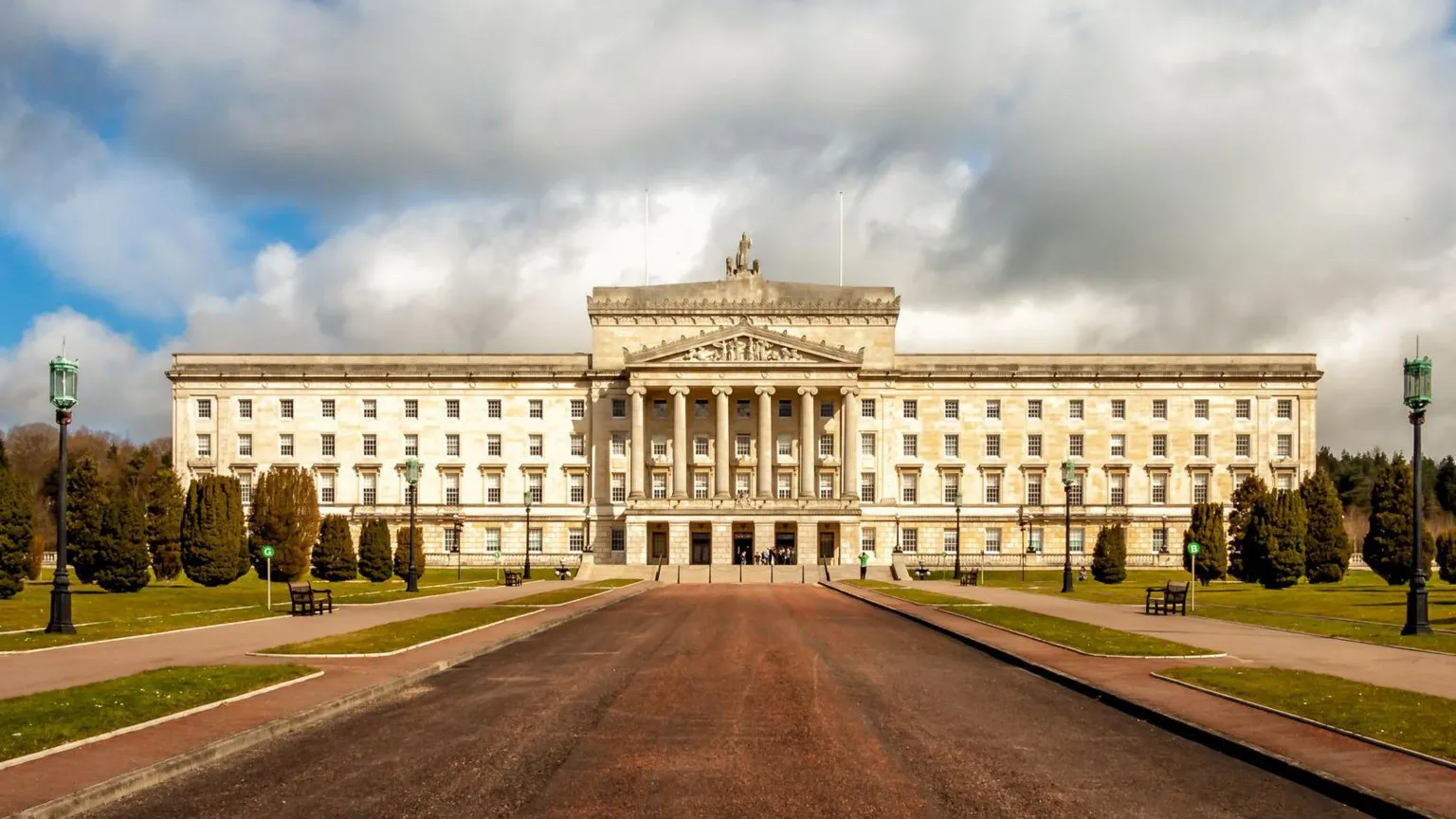
The Northern Ireland Assembly is based at Stormont in Belfast and includes 90 elected Members of the Legislative Assembly (MLAs).
The Northern Ireland Executive comprises nine government departments, each accountable for specific policy areas and public services.
Devolution in Northern Ireland differs from Scotland and Wales, with government powers divided into three categories:
- Transferred powers
- Reserved powers
- Excepted powers
The assembly's main transferred powers include health, education, and justice.
A key feature is the power-sharing agreement between nationalist and unionist communities.
The First Minister and Deputy First Minister, representing the two largest parties, jointly lead the government in a mandatory coalition. Despite differing titles, they hold equal powers.
Since its establishment in 1998, the Northern Ireland Assembly has been suspended multiple times.
Most recently, in February 2022, the Democratic Unionist Party (DUP) withdrew from the power-sharing coalition in protest against post-Brexit trade agreements. Two years later, devolved government was restored when the DUP agreed to return following a new trade deal with Westminster.
How are the devolved governments funded?
The UK Treasury allocates annual financial grants to the Scottish and Welsh governments and the Northern Ireland Executive to support devolved public services.
These grants, known as "block grants," are calculated using the Barnett formula, which determines how much funding changes each year rather than the total amount.
The formula aims to provide each nation with the same pounds-per-person increase in funding as comparable public services in England.
For example, if education spending increases by £100 per person in England, the devolved governments should receive an equivalent per person increase.
The actual funding amount depends on factors such as changes in UK government department spending plans, population size differences, and the range of devolved public services in each nation.
The grant is also adjusted based on each country's tax-raising policies, as Scotland, Wales, and Northern Ireland can increase certain taxes, generating additional revenue.
According to the Institute for Government think tank, in 2024/25, the Barnett block grant amounted to £45 billion for Scotland, £20 billion for Wales, and £18 billion for Northern Ireland (before adjustments for tax devolution).
Once the UK government finalizes the block grants, devolved administrations decide how to allocate spending across the public services they manage.
What powers do mayors have in England?
Since the late 1990s, local and regional mayors in England have been granted increased powers in areas such as transport and housing policy.
The Mayor of London was the first such role, created alongside the London Assembly after a 1998 referendum.
The London mayor determines spending levels and sets priorities in key areas.
They can set bus and Tube fares and establish targets for affordable housing.
Several other directly elected mayors exist across England, each with varying powers.
Elections to select new mayors in Cumbria and Cheshire & Warrington have been postponed until 2027. Polls for new mayors in Greater Essex, Norfolk and Suffolk, Hampshire and the Solent, and Sussex and Brighton have been delayed until May 2028.
Local authorities in Scotland and Northern Ireland are not subject to the legislation that introduced elected mayors in England and Wales.
What has the Labour government said about expanding devolution in England?
Shortly after his election in July 2024, Prime Minister Sir Keir Starmer stated his government would allow "those with skin in the game - those that know their communities - make much better decisions."
"Those with skin in the game - those that know their communities - make much better decisions." - Sir Keir Starmer
The government subsequently introduced the English Devolution and Community Empowerment Bill to fulfill its manifesto commitment to:
- Expand devolution across England
- Empower local communities
The government aims for all areas of England to be covered by new "strategic authorities" led by mayors. These mayors will have powers to act in several areas, including:
- Transport
- Housing
- Economic development
The bill is in its final stages in Parliament and is expected to pass before the end of the current parliamentary session, which must occur before the State Opening of Parliament on 13 May.



