

UK Plans 14% Cut in Climate Aid Amid Budget Reductions
The UK government has announced plans to reduce climate aid to developing countries by approximately 14%, bringing the annual funding to around £2 billion. Critics warn this decision could jeopardize national security and endanger lives overseas.
This move follows intense disputes with the Treasury, which advocated for even deeper cuts due to increased spending pressures linked to the war in Iran.
Overall, the UK’s aid budget has been reduced to 0.3% of gross national income (GNI), resulting in the termination of programs focused on health, education, and humanitarian assistance.
The government stated that climate spending would total "around" £6 billion over three years prior to the announcement made on Thursday. However, experts have indicated to that this figure is likely to be less than £6 billion rather than exceeding it. Under the previous five-year funding arrangement, the UK provided £11.6 billion over five years, averaging about £2.3 billion annually.
The previous funding allocation included £3 billion earmarked for nature and forest projects.
The climate funding pledge had involved setting five-year budgets to facilitate longer-term projects, which experts have identified as more efficient.
understands that during key meetings last weekend, the Treasury argued for a further reduction of the overall aid budget beyond the cuts announced last year, which are only now being fully implemented, decreasing from 0.5% to 0.3% of GNI.

The Treasury justified the need for additional funds for defense and economic stabilization due to the ongoing war in Iran.
Government Response and Strategic Refocus
Yvette Cooper, the foreign secretary, stated:
“At a time when conflict is raging in many parts of the world, we will maintain and protect our support to people in Ukraine, Sudan, Palestine and Lebanon, and match this with diplomatic action to prevent and resolve conflicts that are causing such devastation and humanitarian suffering.
With less investment we need to refocus to ensure it has the most impact. Responding to desperate humanitarian crises, preventing conflict and upholding international law are not only a core part of Britain’s values and our common humanity. They are also central to Britain’s interests, because in an increasingly interconnected world, we know that instability abroad affects us back at home.”
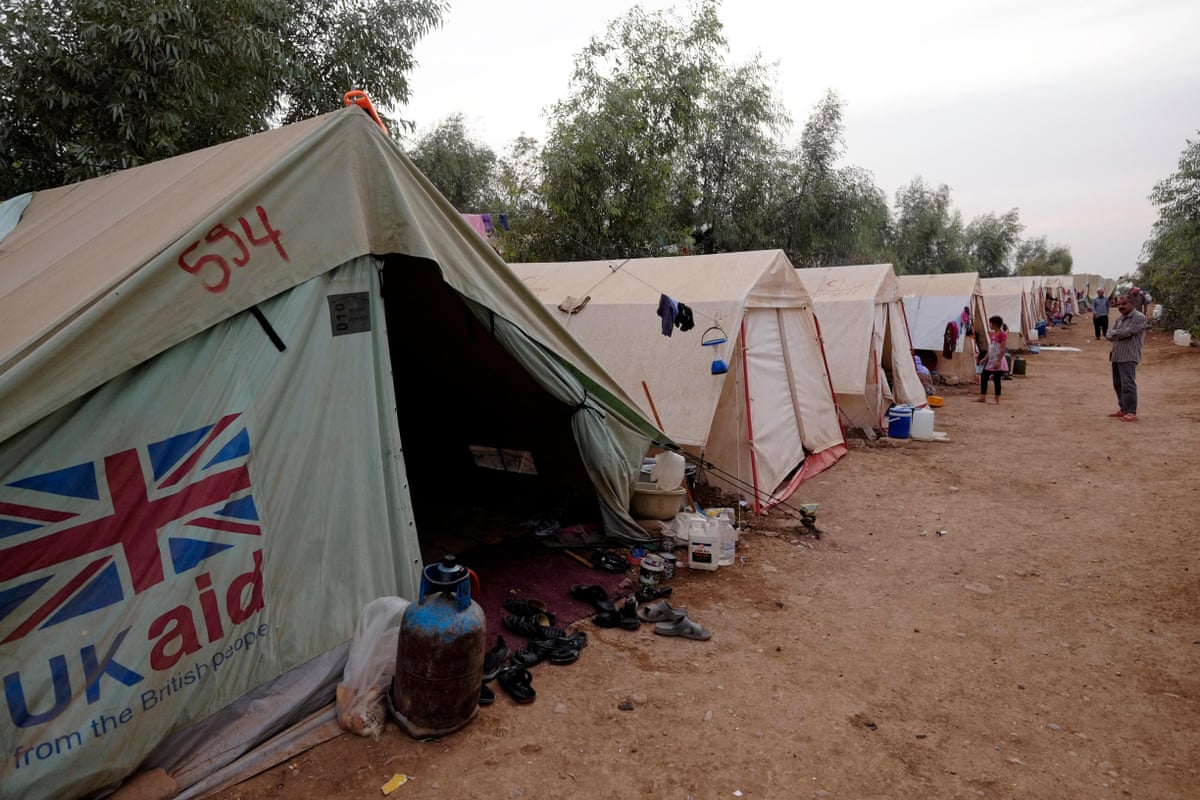
Concerns Raised by Labour MPs and Former Ministers
Several Labour MPs expressed concerns regarding the cuts. Dr Beccy Cooper, chair of the all-party parliamentary group on global health security, commented:
“Labour is, and always has been, a party of internationalism. When we step back from our shared commitments, we lose both our strength and our standing in the world. We are a soft power superpower and we should be proud of that.
Today’s spending plans put Britain and the world at risk. When health systems in the poorest countries are not supported to become resilient, diseases spread faster and further. Protecting public health at home means investing in strong health systems everywhere.”
Gareth Thomas, a former international development minister, added:
“In an already unsafe world, cutting aid risks alienating key allies and will make improving children’s health and education in Commonwealth countries more difficult. We risk creating more opportunities for regimes who don’t share our values. Our security depends not just on a stronger military but also on building soft power so that our soldiers aren’t needed.”
Zac Goldsmith, a former Foreign Office minister under the Conservatives, stated:
“This government’s own national security assessment was a stark warning that global biodiversity loss and ecosystem collapse are direct, systemic threats to UK security and prosperity, and yet nature has taken the brunt of the cuts. It’s unbelievably shortsighted. No wonder the government was so keen to suppress the report.”
Campaigners Highlight Risks of Cutting Climate and Nature Aid
Campaigners have described the reduction in climate and nature aid budgets as shortsighted, particularly in light of recent warnings from intelligence leaders that ecosystem collapse worldwide poses a serious threat to UK national security.
Jonathan Hall, managing director of International UK, said:
“We simply cannot hope to stop the climate crisis without tropical forests. For 15 years, the UK’s international climate finance has always had a clear funding goal for stopping deforestation. To now drop any commitment to spend a significant portion of our climate aid on nature and forests flies in the face of the government’s own security experts, the latest scientific evidence and UK polling which shows that this is the most popular form of climate spending with the UK public.”


