

Surge in Fraud Cases Linked to AI Manipulation
Fraud cases in the UK have increased significantly as criminals employ artificial intelligence (AI) to manipulate individuals, including instances where victims of romance scams are married by fraudsters to extract additional funds.
Last year, over four million incidents involving financial loss were reported, averaging nearly eight cases every minute, according to recent data.
This figure has risen by more than one million over the past two years, with scammers stealing nearly £1.3 billion in 2025, as detailed in an annual report by UK Finance.
The banking trade body emphasized that addressing the vast scale of this issue requires enhanced monitoring and security measures from technology companies operating these platforms.
Banks have characterized fraud as a "national security threat" due to its profound impact on victims and the substantial sums appropriated by organized criminal groups.
Insights from UK Finance Report
The report, compiled using banking data and representing the most comprehensive evaluation of fraud losses in the UK, highlights that fraudsters also create fake profiles on social media and dating websites to establish relationships, groom victims, and ultimately defraud them under the pretense of genuine affection.
UK Finance noted cases where fraudsters have even married victims to continue financial exploitation.
"The impact goes beyond financial loss; it can cause huge emotional harm, leaving victims burdened by guilt and shame, which is why we must tackle the problem at its source to protect consumers," said Paul Davis, head of economic crime at Barclays.
Experts suggest that the majority of scams remain unreported, thus not reflected in official statistics.
Scammers have become so pervasive that Julie Osgood, 60, recounted to the BBC that the first four men she matched with on a dating site were all potential fraudsters.
Although she recognized the threat before being deceived, many others have not been as fortunate.

Kirsty Guest, a florist from North Yorkshire, lost £80,000 after engaging with a man named "Patrick" on a dating app. Their relationship, which developed over several months, was founded on deception, as "Patrick" was a scammer using images of an innocent individual.
Following claims of an accident during a work trip, Kirsty was persuaded to send thousands of pounds, which were subsequently stolen.
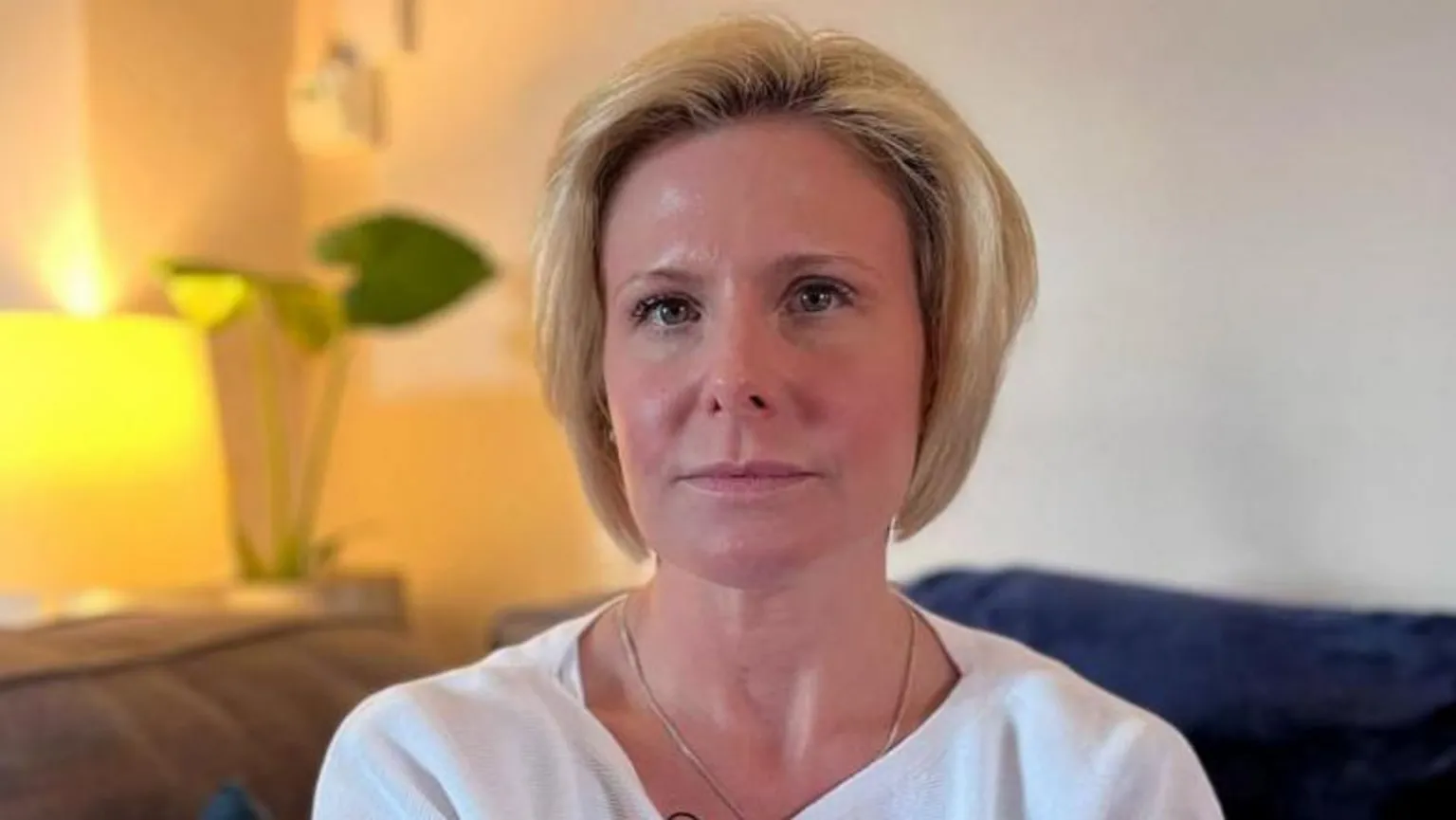
"[Fraudsters] are professional and they are making massive volumes of money," she told the BBC in May. "They're intelligent in what they're doing."
Emergence of New Fraud Techniques
Banks report that criminals are employing increasingly sophisticated fraud methods at higher volumes, facilitated by AI technology.
AI has been used to imitate voices of celebrities and even the victims' family members or friends, enabling criminals to perpetrate crimes on a larger scale.
This has heightened individuals' vulnerability to scams, often occurring during moments of personal vulnerability, even if the victims did not perceive themselves as susceptible.
"One click and you can lose your life savings," said Ruth Ray, managing director of economic crime at UK Finance.
She added that while the financial sector invests heavily in customer protection, it cannot serve as the sole defense against fraud.
Ray advocated for "stronger, enforceable responsibilities" on technology platforms such as social media and online marketplaces. Proposed measures include stricter regulations on removing fraudulent advertisements, verifying sellers, and implementing secure payment systems.
In authorised push payment (APP) fraud, most victims currently have a legal right to reimbursement from banks after being deceived into transferring funds. Despite this, losses increased by 19% last year, with 12% of stolen funds not recovered.
Criminals continue to evolve their strategies, with experts anticipating a rise in scams linked to the men's football World Cup in the near future.
Data also indicates a decline in certain scam types, such as an 11% reduction in impersonation fraud, where criminals pose as banks, police, or organizations to convince victims to transfer money to "safe accounts."


