

Government Announces Increased Funding for BBC World Service
The government will increase funding for the BBC World Service over the next three years, the Foreign Secretary is set to announce on Thursday.
The Foreign, Commonwealth and Development Office (FCDO) will provide an additional £11 million per year for the next three years, totaling £33 million, representing an 8% increase compared to the previous year's government contribution.
Statements from Officials and BBC
Foreign Secretary Yvette Cooper said the World Service "offers clarity, accuracy and an independent voice where reliable information is increasingly difficult to access".
The BBC welcomed the funding settlement, stating it "ensures it can deliver trusted, independent journalism to audiences around the world, and counter the rising tide of disinformation globally".
Concerns Over Funding Uncertainty
Earlier this month, a committee of MPs expressed they were "deeply troubled" by uncertainty regarding the government's future funding for the BBC World Service, with the current agreement due to expire at the end of March.
Currently, the government provides approximately one-third of the World Service's budget, which reaches over 300 million people weekly, with the remainder funded by the BBC licence fee.
Although the BBC welcomed the increase, the corporation has indicated a preference for the government to resume full responsibility for funding the World Service, as was the case until 2014.
The BBC's overall budget has declined by 21% between 2021/22 and 2025/26, primarily due to BBC cuts.

World Service Reach and Impact
The World Service delivers independent and impartial news to global audiences through 42 language services. Nearly three-quarters of its audience reside in countries with limited or no media freedom.
The foreign secretary said: "In a world of rising disinformation, the BBC World Service provides hundreds of millions with journalism they can trust and rely on.
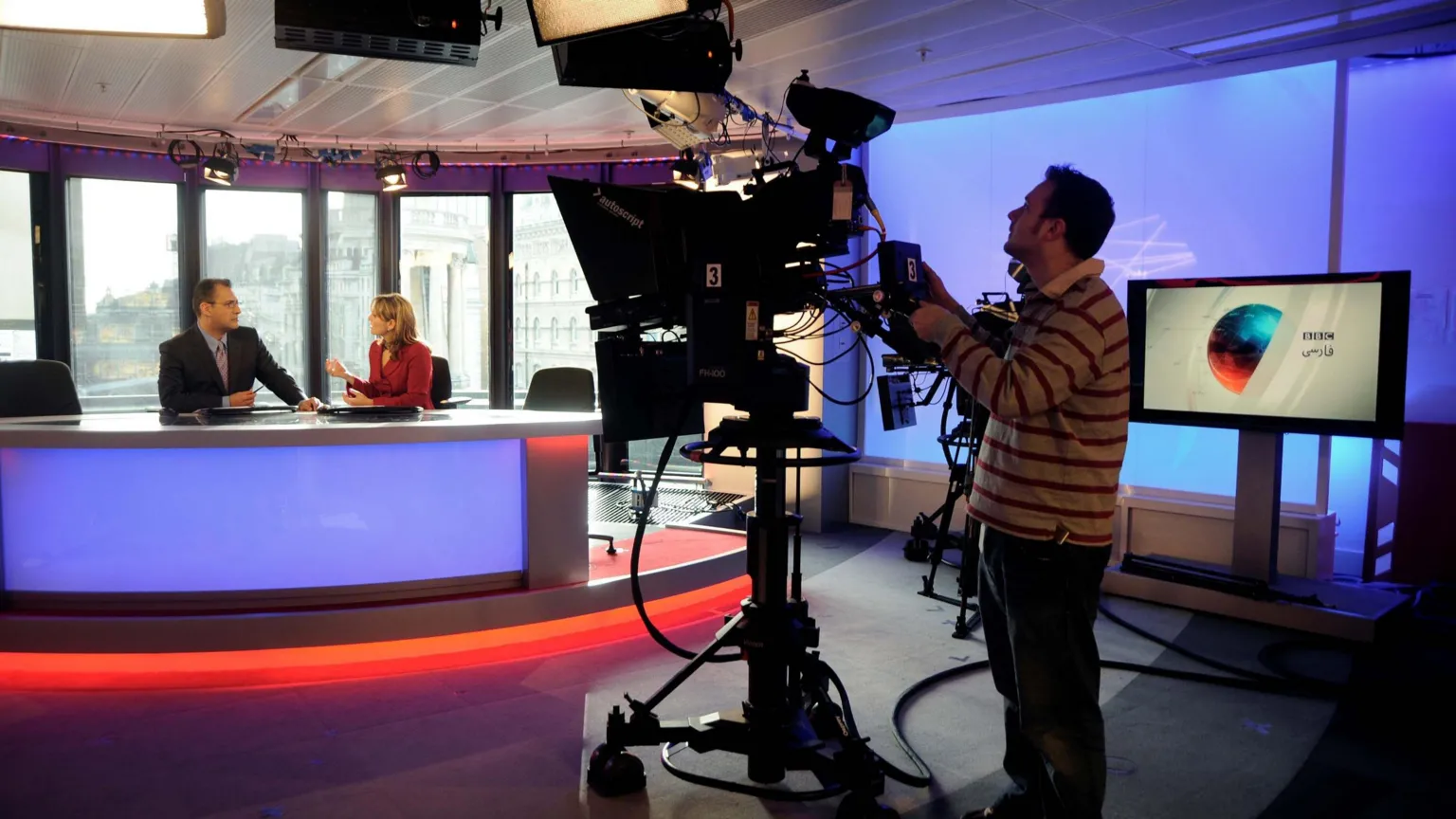
"We are seeing in real time how the BBC Persian service is playing a crucial role in ensuring impartial, accurate news is reaching the Iranian people.
"This further increase in FCDO support ensures that independent, impartial reporting continues to reach audiences who depend on it."
In countries such as Iran, where the BBC is banned, one in four people sought access to the service prior to internet shutdowns in January, according to the FCDO.
In February, the BBC launched an emergency radio service in Iran, complementing existing BBC Persian digital and TV channels.
Government Perspective on Funding
The FCDO added: "The provision of accurate news reporting around the world has never been more crucial, as countries which don't share our values increasingly invest in their global media operations.
"By increasing funding for the BBC World Service, the government is acting in Britain's interests, supporting our security and promoting our culture and values to the world."
BBC's Response and Future Plans
A BBC spokesperson said: "The need for the BBC World Service has never been greater. The events of the past few days and weeks have shown the immense value and worth of our journalism for audiences around the world, in times of instability and insecurity.
"Amid intense global competition and changing audience needs, we will need to make some changes in the months to come and transform our offer, so it is fit for the future.
"We will also further transition to digital, combat media blocking, and provide more journalism for women and girls around the world. Meanwhile, we look forward to discussing the longer-term vision for the World Service as part of the Charter process."
Criticism from Parliamentary Committee
The chairman of the House of Commons Public Accounts Committee, Sir Geoffrey Clifton-Brown, stated last week that the service's "prominence is being diminished by poor governance and short-sighted funding decisions".
With more certainty now around funding for at least the next three years, the committee also criticized BBC management for failing to make a clear case for continued government funding.
It further highlighted "weaknesses in BBC governance" of the service and in managing its transformation to digital platforms.


