
UK Urges Reopening of Strait of Hormuz
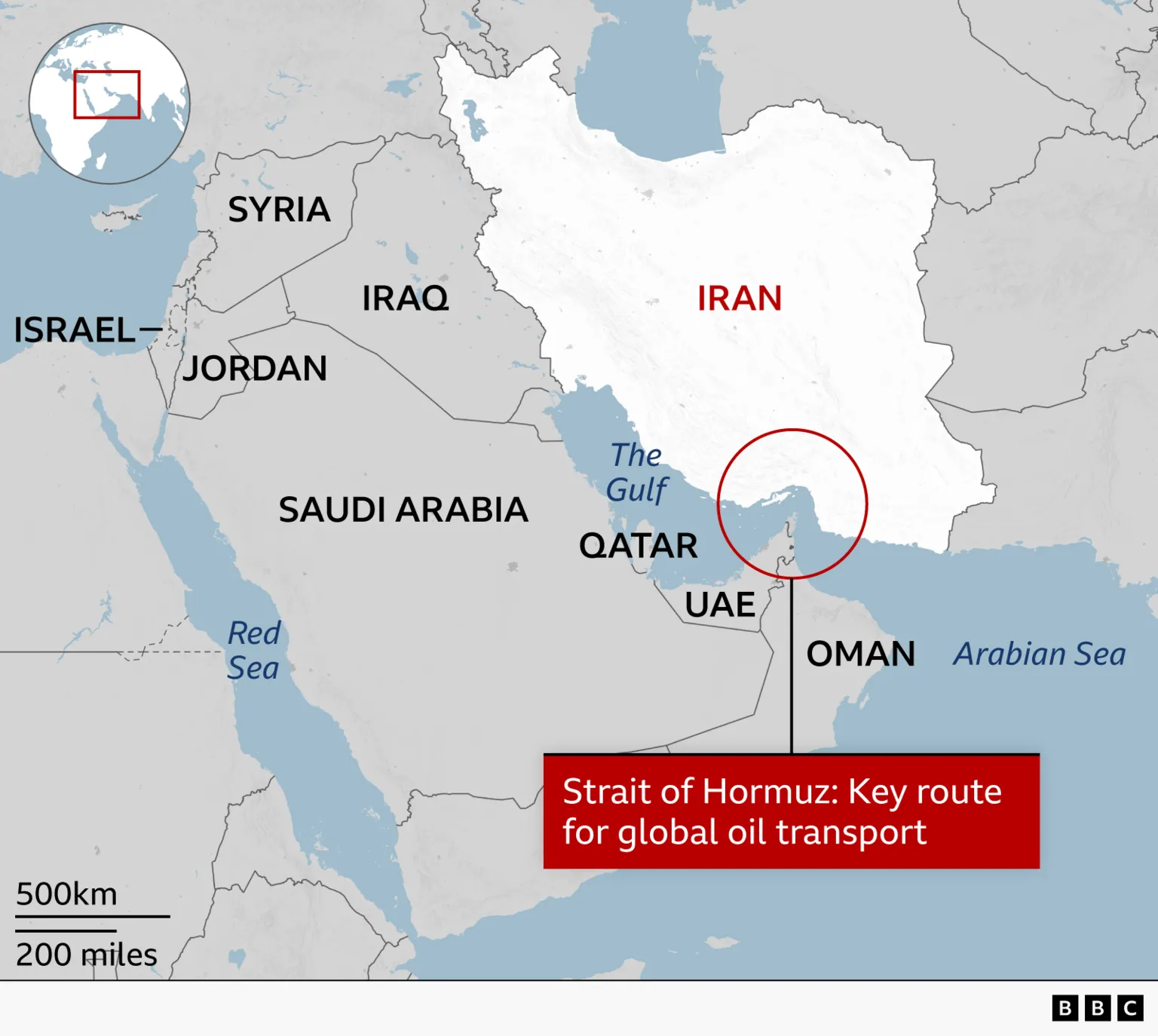
The UK foreign secretary will advocate for the complete reopening of the Strait of Hormuz later on Thursday, following warnings from the Iranian navy that ships passing through the Gulf without permission risk being attacked.
In her annual address on UK foreign policy priorities, Yvette Cooper will also urge that Lebanon be included in the ceasefire agreement currently negotiated by the US and Israel with Iran.
Although the UK has not participated in military actions against Iran, government ministers are eager to leverage diplomatic influence to help restore access to this critical shipping lane, which Tehran has effectively closed.
Prime Minister Sir Keir Starmer is visiting Gulf allies and met last night with Saudi Crown Prince Mohammed bin Salman, who concurred on the necessity of achieving lasting peace in the region.
Impact of Conflict and Calls for Toll-Free Passage
This evening, Cooper is expected to highlight that the ongoing war has impacted "every country on every continent," contributing to increased food and petrol prices in the UK.
She will advocate for shipping through the Strait of Hormuz to be toll-free and unhindered, responding to reports that vessels might be compelled to pay Iran for safe passage.
Ministers acknowledge that the decisive actions rest with the US and Israel, and Cooper will call on these nations to include Lebanon in the ceasefire negotiations.
"There is considerable work to do and we support the negotiations,"Cooper will state, emphasizing the necessity of preventing a return to conflict.
Legal and Economic Significance of the Strait
Cooper will stress that the Strait of Hormuz must be reopened, describing the "deliberate blocking of this critical artery of the global economy" as detrimental to British citizens despite the strait being over 3,000 miles away.
"This is an international shipping route, a transit route for the High Seas,"she will add.
"No country can close these routes – it goes against the fundamental principles of the law of the sea."
The foreign secretary is also scheduled to visit the International Maritime Organization on Thursday to demonstrate support for the organization's efforts to assist ships and seafarers currently trapped in the waterway.
"The full and unconditional re-opening of the Strait must be a central part not just of the current ceasefire but of the long term future for the region,"she will reaffirm.
International Efforts and Diplomatic Talks
Last week, the UK chaired discussions involving over 40 countries focused on strategies to unblock the Strait of Hormuz, with all parties agreeing that the conflict must end first.
Following the virtual summit, which did not include the US, Cooper remarked that Iran had managed to "hijack" the international shipping route to "hold the global economy hostage."
US and Allies' Role in Securing the Strait
The US has repeatedly criticized allies for insufficient efforts to secure the shipping route and support its war campaign, prompting the UK and other nations to consider how to contribute to safeguarding this vital waterway without becoming embroiled in the broader conflict.
Iran has attacked multiple vessels in retaliation for the war waged against it by the US and Israel, disrupting energy exports and causing global fuel prices to surge.
Before the ceasefire announcement on Wednesday, US President Donald Trump stated that it was incumbent upon other nations to "build up some delayed courage" and reopen the route.


