

Train CCTV Failures Impede Justice for Sexual Assault Victims
Sex offenders on trains are evading justice due to significant problems with CCTV systems across the rail network, a BBC investigation has revealed.
One woman, who was sexually assaulted on a train, described feeling "devastated" after being informed that police could not trace her attacker because the incident was not recorded on camera.
In numerous cases of alleged sexual harassment or assault, officers from British Transport Police (BTP) in England, Scotland, and Wales reported difficulties in obtaining usable evidence from CCTV footage collected from trains and stations.
The Rail Delivery Group, representing train companies, stated that the industry treats sexual harassment and assault cases "very seriously."
File on 4 Investigates learned that BTP does not control the maintenance of CCTV cameras on the rail and London Underground networks, and that there is no legal requirement for rail operators to maintain functioning CCTV cameras on passenger trains.
These findings were shared with Claire Waxman, the Victims Commissioner for England and Wales, who advocates for mandatory operational CCTV on trains.
"I don't see how else we will keep people safe in those spaces and on public transport," she said.
Warning: This story contains details some may find distressing.
Victim Accounts Highlight CCTV Gaps
Beth Wright, 27, was sexually harassed by three men on a Tube train in central London.
"They started offering me sweets and then very quickly it progressed into, 'would you like to have sex with my friend,'" Wright recounted. "One of them came over to me and tried to sit next to me and touch my leg. It was really intimidating."
Other passengers boarding the train intervened, and Wright reported the incident to police, but the offenders were never identified.
She was told by officers that there was no CCTV footage from her train carriage, and the camera at the station where the men had disembarked was broken, preventing identification of the assailants.
"I just felt quite devastated, quite crushed, because I'd done all the right things," she said. "I'd gone and reported it immediately, I was able to give a description of these men, and you just expect things like CCTV are going to work and be in place."
The experience profoundly affected Wright.
"To be frank, it's changed my life. I actually moved, I now live in Brighton, which is for me much safer," she said. "I still worry every time I travel into London."
Last year, the BBC reported that sexual assaults and harassment on trains in England, Scotland, and Wales had increased by more than a third over the past decade.
The BBC submitted a Freedom of Information request to British Transport Police for details of alleged sex offences where CCTV was referenced in the logs. There were over 560 reports across Britain where police requested train or station CCTV as part of their investigations.
In more than 250 of these cases, the incident was not recorded, a system fault occurred, the footage was of unusable quality, or it had already been overwritten.
A major challenge for BTP is that despite its jurisdiction covering over 10,000 miles of railway track and 3,000 stations, platforms, and transport hubs, it does not own or control any CCTV cameras operating in these locations.
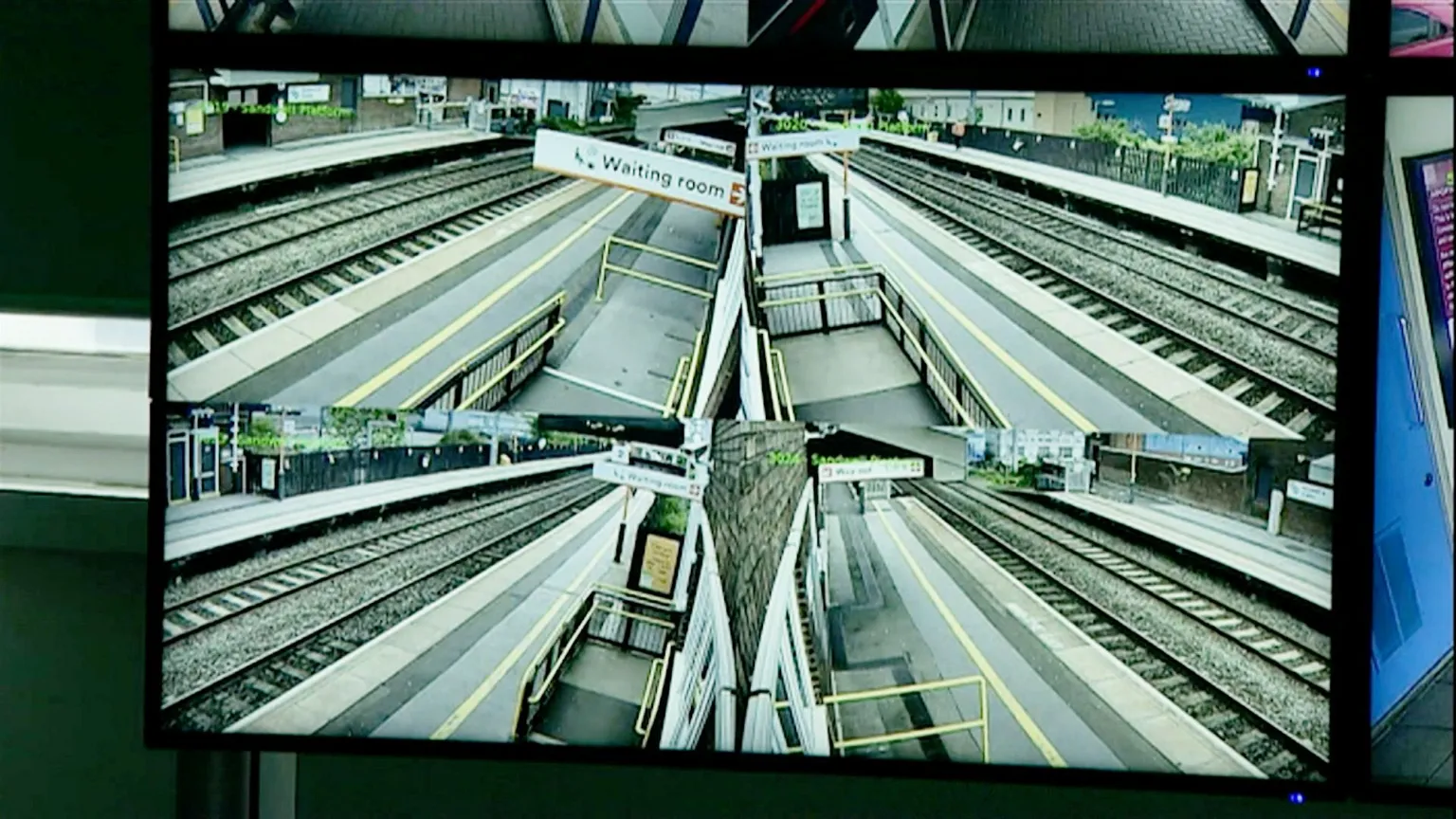
Data collected by File on 4 Investigates showed that CCTV cameras at one major train company were out of service for a combined total exceeding 81,000 hours (over nine years) in 2025.
One camera at this company was out of operation for 152 days—more than five months. Another company experienced outages totaling more than two years.
Current legislation does not require rail operators to maintain working CCTV on all trains and stations. Furthermore, operators determine the retention period for footage, which can result in evidence being deleted quickly.

Our investigation found that one train company retained footage for a maximum of only 48 hours.
Additionally, three major London Tube lines have little or no CCTV coverage inside train carriages.
Transport for London (TfL), which operates the Tube, explained that these lines have some of the oldest trains on the network and "are unable to support on-train CCTV" that meets "the requirements needed for prosecution by the police."
TfL stated it is working to improve the network, with plans to purchase new trains equipped with on-board CCTV cameras on two of the three lines.
Rebecca Horne's Experience and Police Response
On the day Rebecca Horne was sexually assaulted, she had hosted an event at the Houses of Parliament celebrating International Women's Day.
During her journey home to Essex, the 39-year-old was cornered by a man in a train carriage.
"He really invaded my personal space. Then he started to touch and grope me and he was rubbing his genitals against me," Horne said. "There wasn't anywhere for me to go and I just felt terrified. I was too scared to call him out or to ask for help."
Horne reported the incident to police later that day.
A few weeks afterward, she received a call from officers informing her that no CCTV footage of the assault was available.
"I could hear the frustration in the officer's voice," she recalled. "He was really cross, really empathetic to my situation, but upset that this crucial piece of evidence wasn't available."
Horne described the news as "really heartbreaking." She had endured a "horrible situation," including writing victim impact statements and speaking with multiple officers about the assault, all seemingly without result.
Her assailant was later apprehended by police after she spotted him at a station.
He pleaded guilty to sexual assault and received a community order along with a requirement to perform unpaid work.

Concerns Over CCTV Coverage and Offender Behavior
Claire Waxman expressed concern that offenders could easily identify areas without operational cameras or where cameras were broken.
"Those are the areas that they will go," she said. "We're talking about sexual predators - it's absolutely crucial that the train companies are on top of this."
Professor Katrin Hohl, an independent government adviser on criminal justice responses to sexual violence, warned that failure to stop sexual offenders could lead to escalation of their crimes.
"If someone exposes themselves indecently, they might also be committing other types of sexual offences," she explained.
Rail Industry and Government Responses
In a statement, the Rail Delivery Group noted:
"British Transport Police's solve rate remains significantly higher than the national average, with 21.85% of rape cases and 20% of sexual offence cases solved, compared with a national rate of 2.8%."
The group added that the rail industry is investing in enhanced CCTV coverage and technology to support police investigations, alongside broader safety measures such as improved incident reporting, intelligence sharing, and a national training program for frontline rail employees.
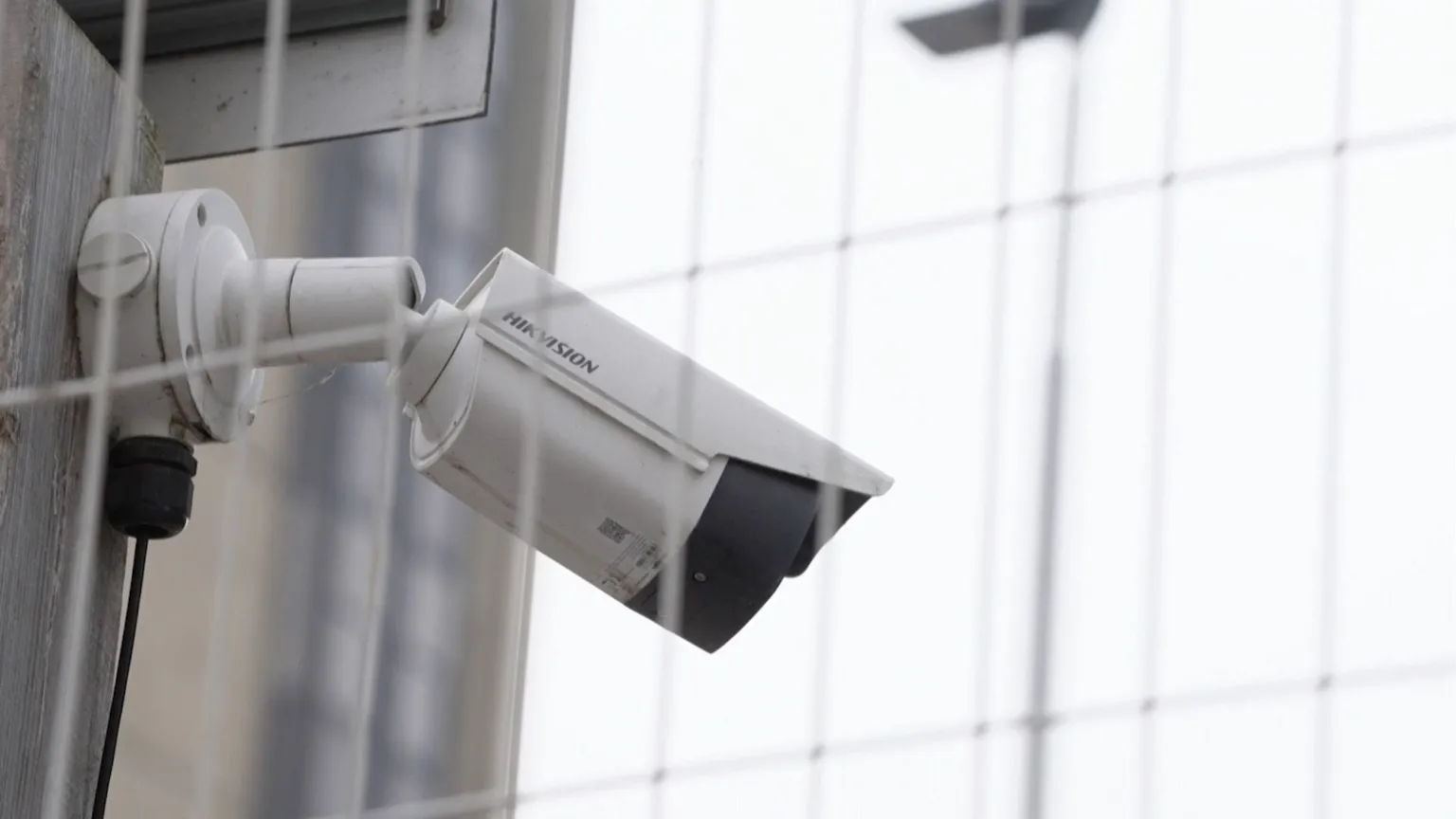
The minister for victims, Alex Davies-Jones, told the BBC that the government is investing nearly £17 million to improve British Transport Police's access to station CCTV and is increasing its budget to more than £481 million over the next three years.
If you have been affected by the issues raised in this story, you can visit BBC Action Line.


