

Traffic Disruptions in Belfast Due to Slow-Moving Tractors
Slow-moving tractors have caused significant disruption on a major road in Belfast as demonstrators protest against rising energy bills.
Fuel costs have surged globally, influenced by the ongoing US-Israel conflict involving Iran.
Since Tuesday 7 April, demonstrators in the Republic of Ireland have been blocking fuel depots and motorways.
Tractors are moving slowly on the Belfast Road approaching Tillysburn and the Sydenham Bypass towards City Airport.
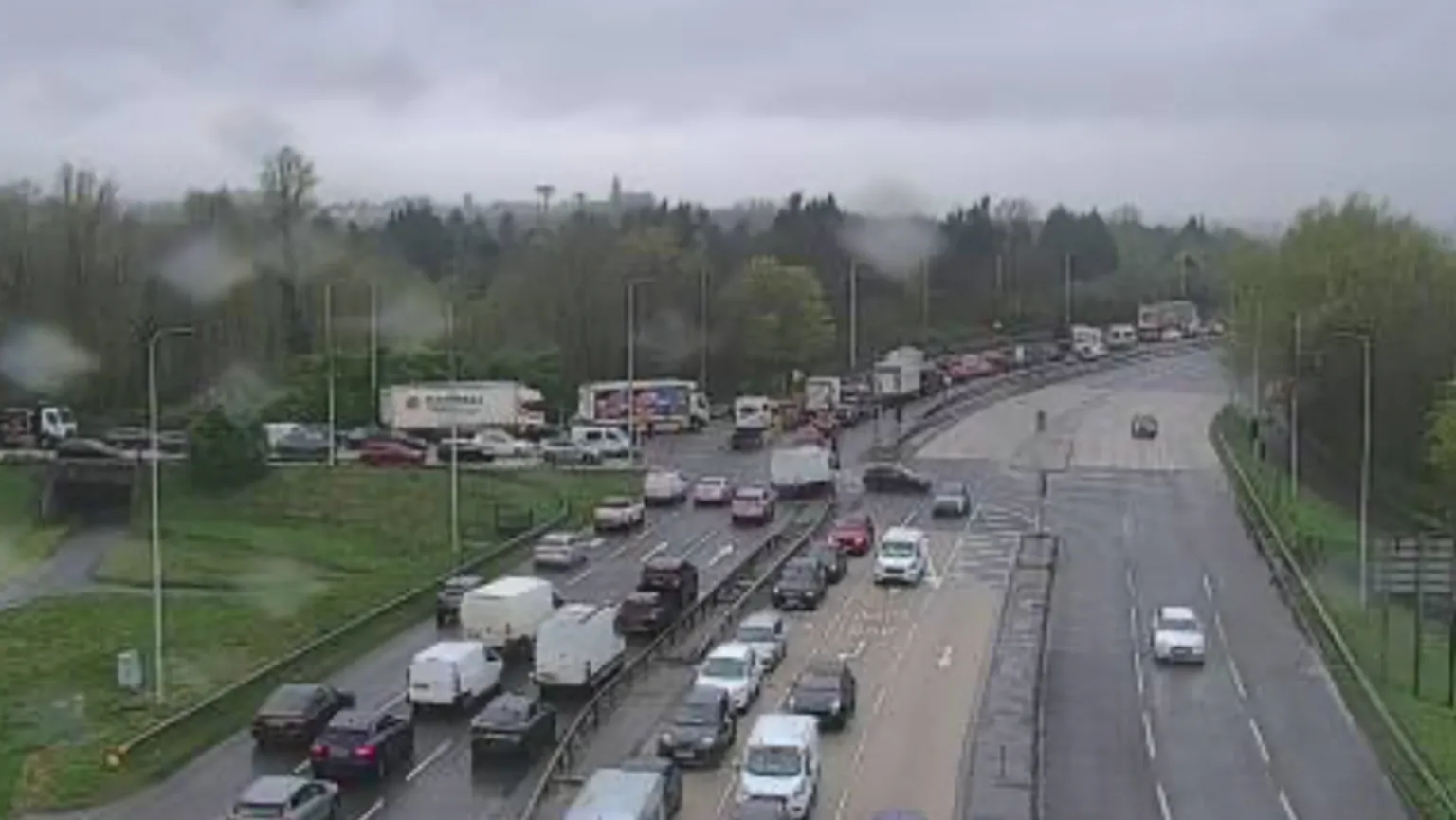
Organisers in Northern Ireland have stated they are showing solidarity with protesters across the border, where hundreds of petrol stations have run out of fuel due to the demonstrations.
On Saturday, dozens of vehicles participated in a slow-moving convoy in Strabane, County Tyrone.
Reasons Behind the Protests
Approximately 20% of the world's oil trade, essential for producing petrol and diesel, has been disrupted by the closure of the Strait of Hormuz.
In Northern Ireland, petrol prices have risen from 124.8p per litre on 26 February to 153.1p per litre as of Thursday, while diesel prices increased from 132.6p per litre to 185.6p per litre, according to the Consumer Council.
The first and deputy first ministers have jointly written to the prime minister, urging government intervention to address the rising costs.
On Monday, Michelle O'Neill commented that the executive was "carrying the can" for policy decisions made in London.
"The executive is in a really, really difficult financial position because of decisions that have been taken in London and we are trying to protect people from those decisions.
People understand that the assembly has a limited number of fiscal powers, the levers that you reach for to help people actually sit in Westminster, whether that is cutting tax on fuel, then it has to be done at a Westminster level."
DUP leader Gavin Robinson expressed concerns about the protests causing disruption to emergency services or medical appointments.
"We all know the pressures people are facing, we can see how much this crisis is hurting and we understand the need for a response," he said.
"In Dublin the protests were targeted at a government who have levers at their disposal.
Whilst I understand and support people's right to protest, it is important to reflect at this stage that I don't think we would benefit from widespread disruption.
I don't think anyone who is struggling with fuel costs would benefit from sitting in an idling queue with their engines turning over and their fuel being wasted."
Although blockades at fuel depots and Ireland's only oil refinery have been lifted, slow-moving convoys of large vehicles continued on motorways around Dublin on Monday morning.
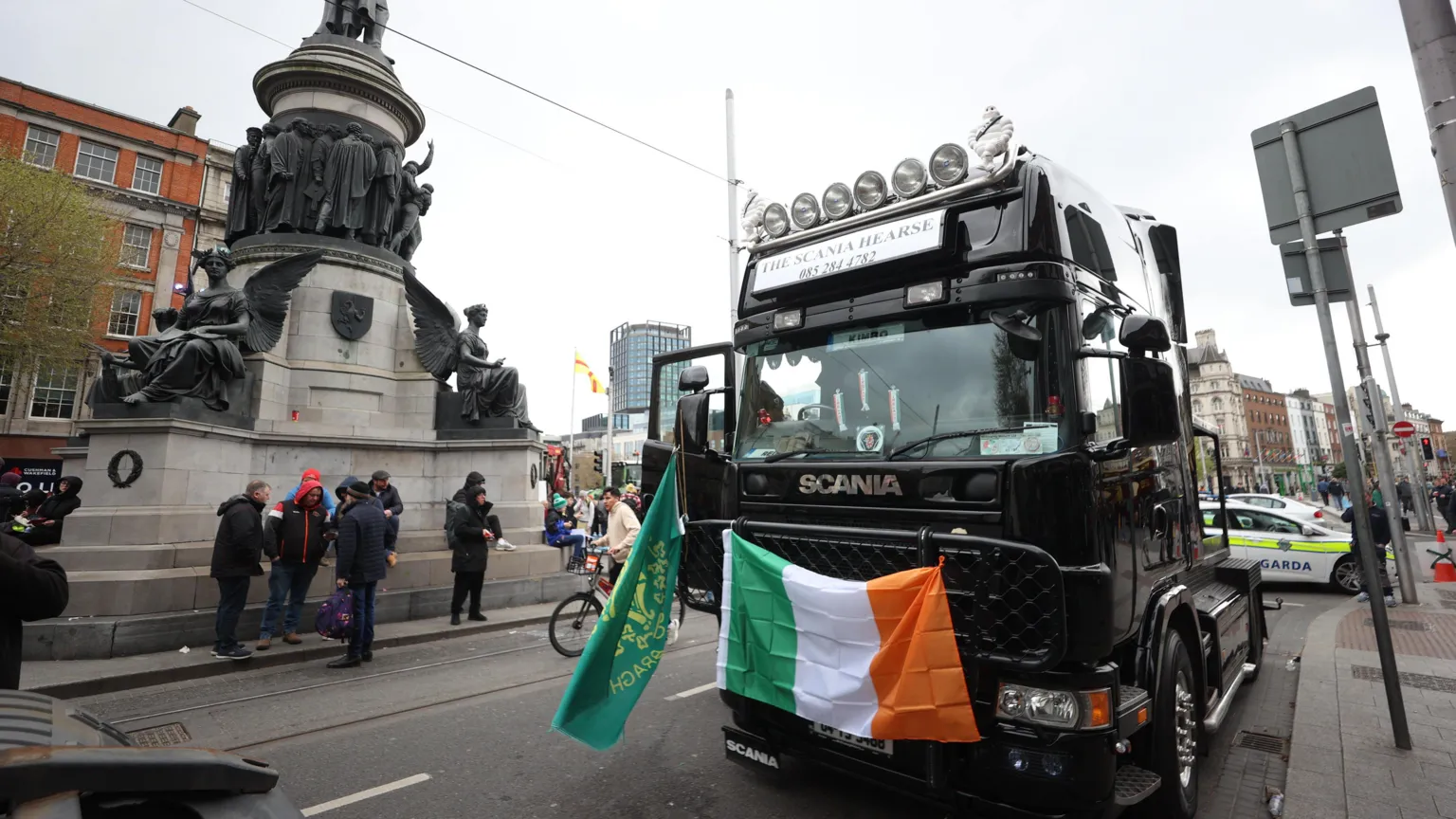
On Sunday, the Irish government announced a €505 million (£440 million) package to support those most affected by rising fuel costs. This follows measures worth €250 million announced nearly three weeks earlier.


