
Fish Kill in Bromley Waterway Under Investigation
A significant number of fish died in an unresolved pollution event in a Bromley waterway last weekend, according to the Environment Agency (EA).
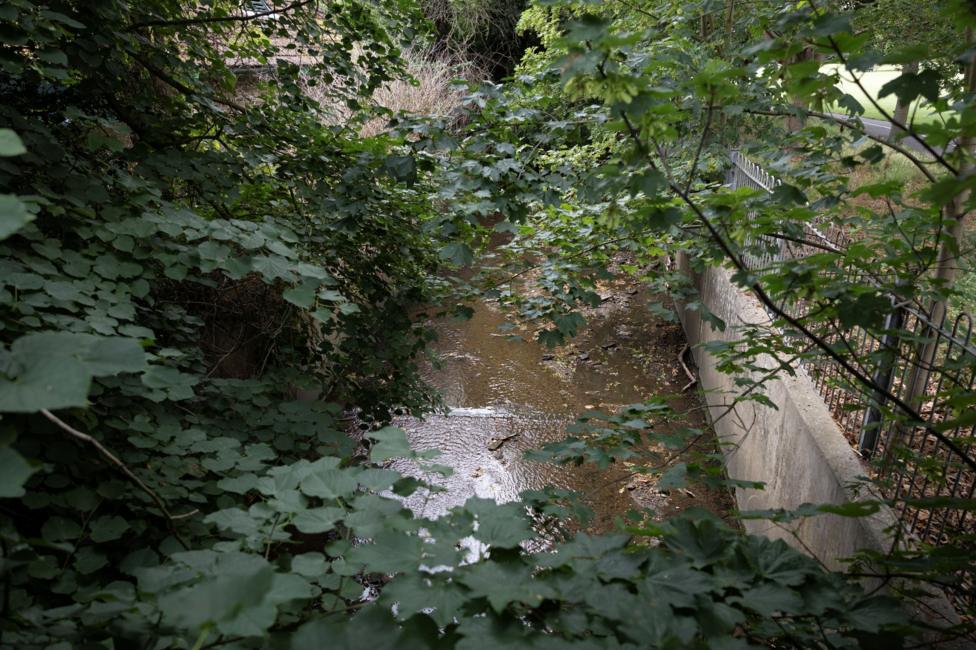
The EA and Thames Water are conducting investigations following the discovery of dead European eels, sticklebacks, gudgeon, and stone loach in the River Pool.
Additionally, several large coarse fish species, including chub, roach, and dace, were also found dead.
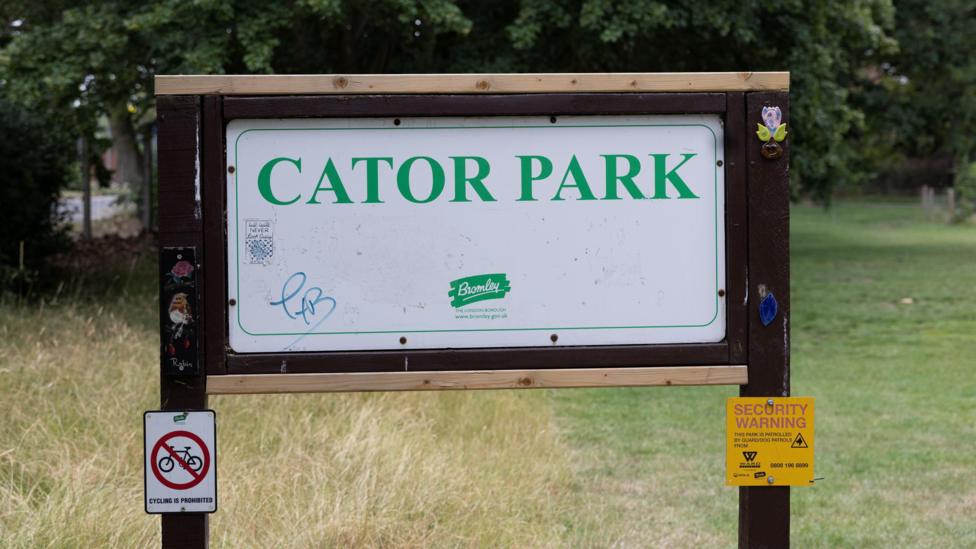
The affected section of the river extends approximately 3 kilometers downstream, from Cator Park to the confluence with the River Ravensbourne.
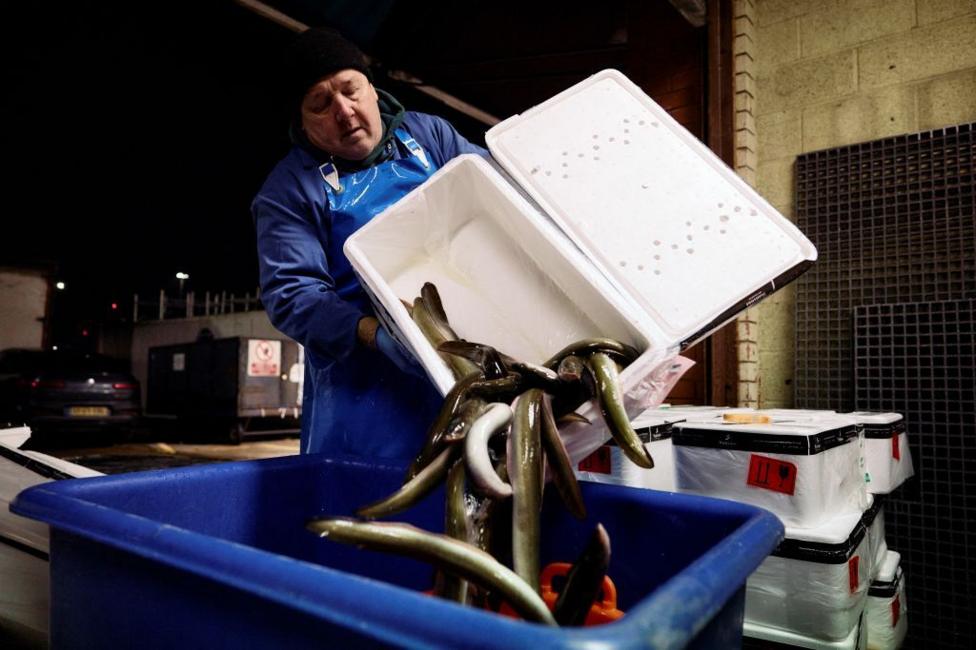
European eels begin their life cycle in the ocean, spend most of their lives in freshwater or brackish coastal waters, and return to the ocean to spawn and die.
European eels are the ones used in the traditional London food, jellied eels.
Conservation Status and Historical Context
The European eel is classified as critically endangered by the International Union for Conservation of Nature (IUCN), with juvenile populations, known as glass eels, having declined by up to 95% since the 1980s.
This species, once common and frequently caught in the River Thames for dishes such as eel pies and jellied eels, has become elusive.
The incident has not affected public drinking water supplies, the Local Democracy Reporting Service reported. However, the EA has advised the public and pet owners to avoid the affected stretch of the river.
The EA's environment officers are actively monitoring water quality, collecting samples, and evaluating the risk of ongoing fish mortality. Meanwhile, the fisheries team is assessing the full extent of the impact on river wildlife.
The stretch of river is home to European eels, an endangered species.
Response from Thames Water and Local Authorities
Thames Water, which manages the local drainage network, stated it is "urgently investigating the pollution incident," although the cause remains undetermined.
The company has implemented aeration measures at key locations along the River Pool to increase dissolved oxygen levels and mitigate further harm.
A Thames Water spokesperson said that tests are ongoing and acknowledged the concerns of local residents.
"We understand the concerns residents will have," the spokesperson said.
Beckenham Town and Copers Cope councillor Steven Jefferies commended the EA for its prompt response to the "tragic incident."
"Beckenham's rivers play a crucial role in supporting the biodiversity of our area, and bring great benefits to the health and wellbeing of residents living in our community," he said.
The dead fish were found in a waterway in Cator Park, south London.
Further Information and Contact
Listeners can access the best of BBC Radio London on Sounds and follow BBC London on Facebook, X, and Instagram. Story ideas can be sent to hello.bbclondon@bbc.co.uk.


