
Theft of Poppy Wreaths at Londonderry War Memorial
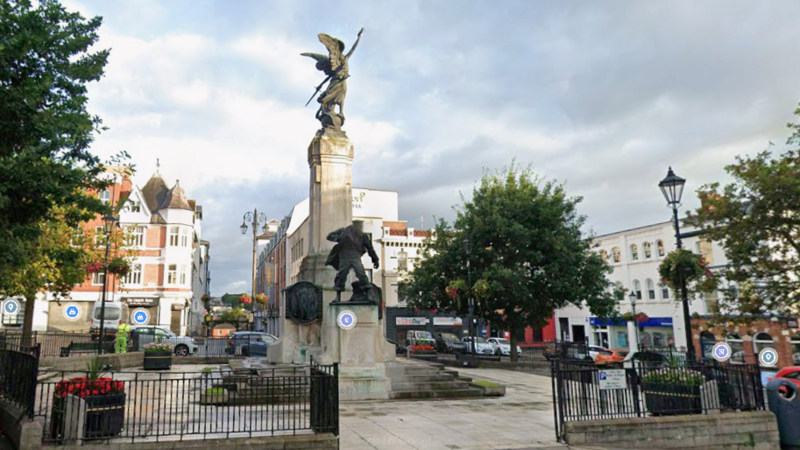
A Democratic Unionist Party (DUP) assembly member has strongly condemned the theft of four poppy wreaths from the war memorial in Londonderry following a Somme remembrance service.
Police are investigating the incident as a sectarian-motivated hate crime. Authorities believe the theft occurred between 22:50 and 23:00 BST on Wednesday evening in the Diamond area of the city.
According to police reports, a male suspect was observed running towards Butcher Street after the wreaths were taken.
Condemnation from DUP MLA Julie Middleton
Foyle DUP MLA Julie Middleton publicly condemned the theft, describing it as "a disgraceful act of disrespect". She emphasized that the wreaths were laid following a dignified and respectful service commemorating those who died on the 110th anniversary of the Battle of the Somme.
Middleton expressed her disappointment, stating that while the act was deeply upsetting, it was unfortunately not surprising.
"Those wreaths were placed in memory of men and women who made the ultimate sacrifice in service to our country," Middleton said.
"To target a war memorial in this way is an act of contempt, not simply towards the organisations that laid the wreaths, but towards the memory of those who gave their lives."
She also addressed reports that images of the stolen wreaths had been circulated on social media platforms.
"If these reports are accurate, it only serves to compound the hurt caused to veterans, serving personnel, their families and the wider community," Middleton added.
Police have appealed to witnesses or anyone with information regarding the incident to come forward.
Significance of the Red Poppy
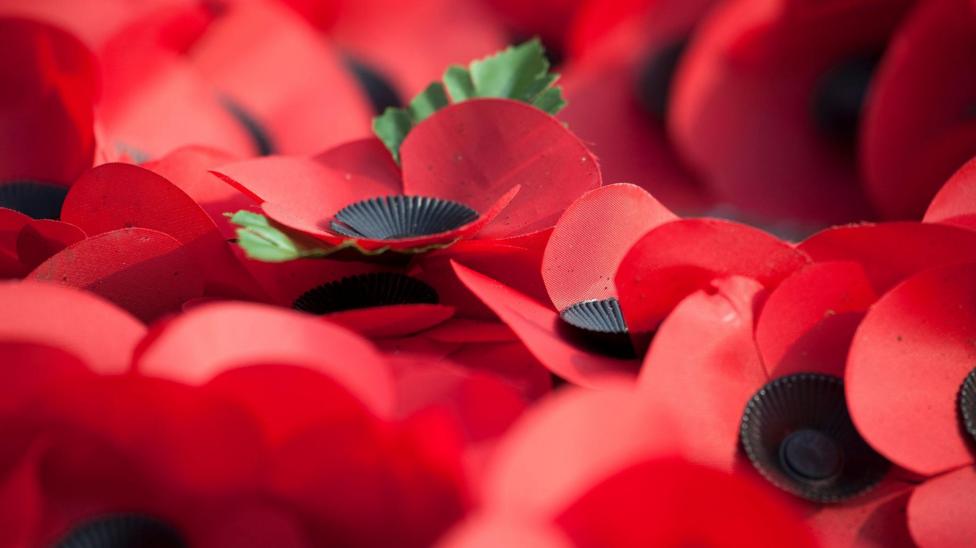
During World War One, the red poppy became a symbol of remembrance as it was one of the few plants to grow on the devastated battlefields of Western Europe.
Response from the Royal British Legion
The Royal British Legion issued a statement expressing sadness over the theft.
"These wreaths were laid to honour the memory of those who lost their lives in the Battle of the Somme, and we must never forget the extraordinary sacrifice of those who served in the First World War."
Commemoration Events Across the UK and France
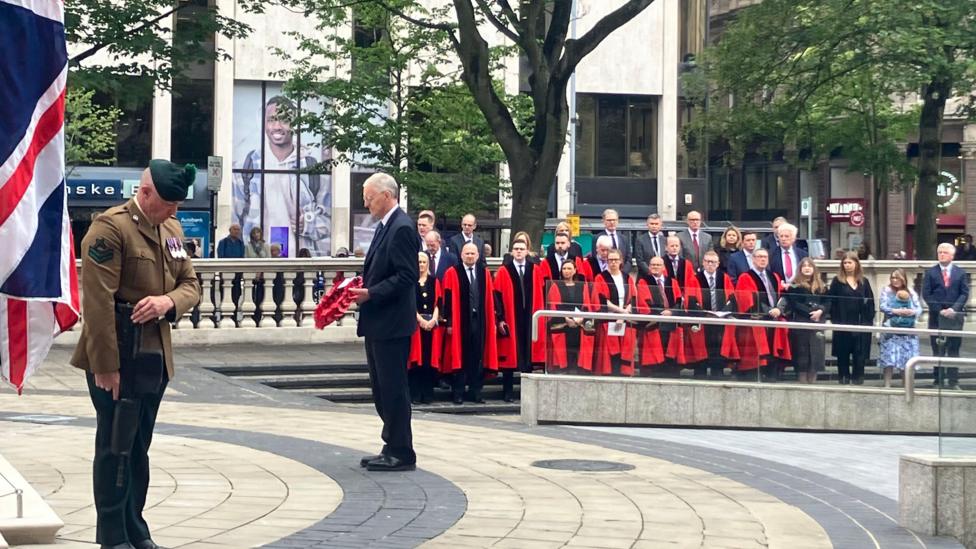
Several commemoration events took place across France and the United Kingdom, including one at Belfast City Hall. The event was attended by the Secretary of State for Northern Ireland, Hilary Benn, alongside other political representatives who laid wreaths.
Historical Context: The Battle of the Somme
The Battle of the Somme, fought in northern France, is remembered as the bloodiest day in the history of the British Army and one of the most notorious battles of the First World War.
On 1 July 1916, British forces suffered 57,470 casualties, including 19,240 fatalities.
More than 2,000 men from the 36th Ulster Division died in the initial days of the battle, which lasted 141 days.
Thousands of men from what is now the Republic of Ireland also served in the British Army, particularly in the 16th Irish Division, which lost approximately 1,200 men in a single action during the Somme in September.
Overall, the battle resulted in 420,000 British casualties, representing the heavy price paid for advancing the front line by just four and a half miles (7.2 km).


