Introduction to a Night of Terror
On a winter evening in 1941, as air raid sirens wailed across Cardiff, Ted Bush was at the cinema with his parents. Within hours, their mid-terrace family home was obliterated by bomber planes during one of the deadliest nights of the Blitz, which claimed 165 lives across the city.
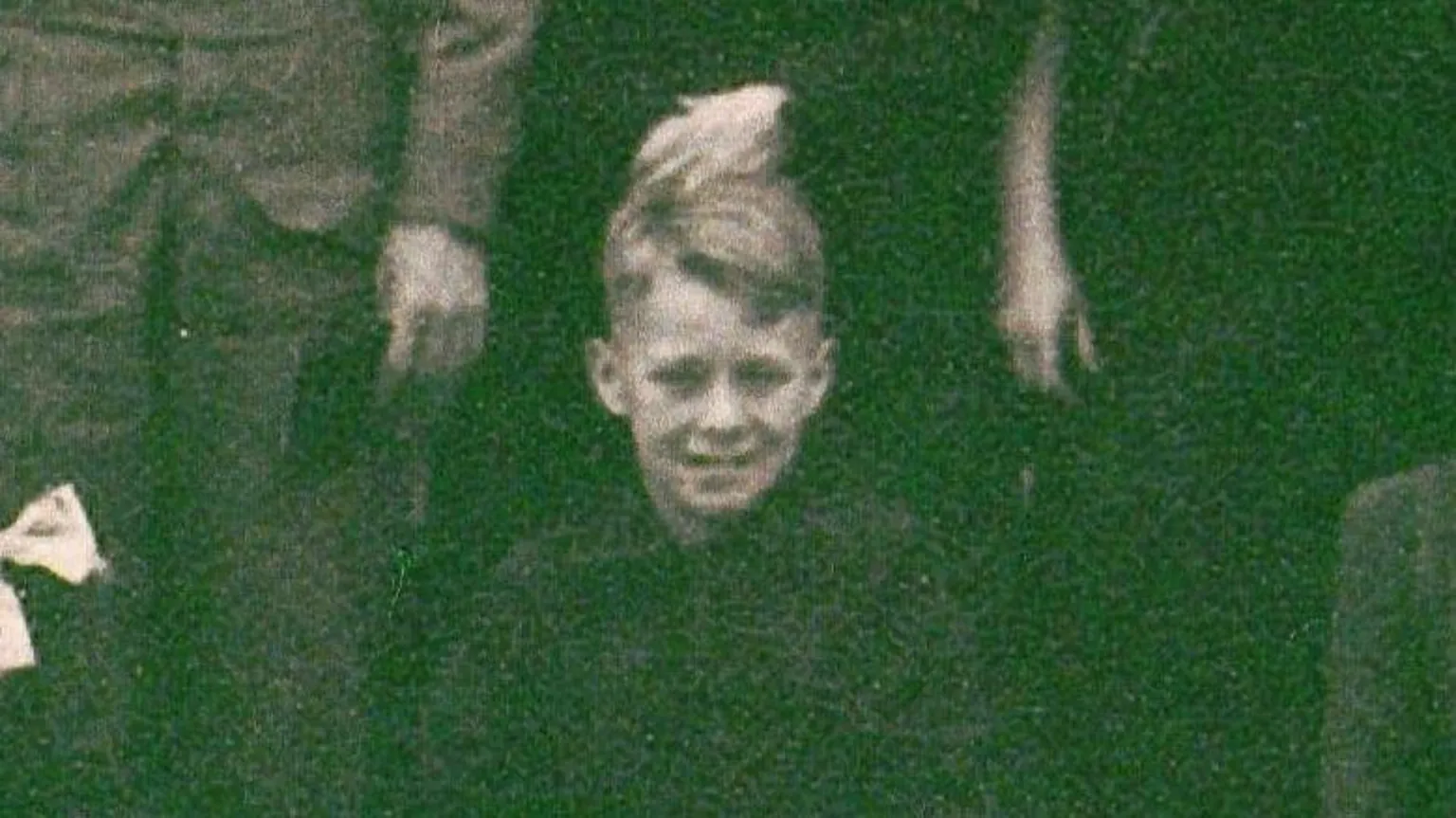
The Blitz, a Nazi aerial campaign lasting eight months, saw over 35,000 tonnes of bombs and incendiaries dropped on towns and cities throughout the UK. Now 92 years old, Ted recounts his dramatic escape from Cardiff that night, attributing his survival to sheer "luck."
Escaping the Bombing
"It was a George Formby film, and we're an hour into it and the sirens sounded and everyone was asked to go to the shelters,"
Ted recalled, marking 85 years since the Blitz ended.
"And my dad... because he was on leave from the Army and he was stationed in Newport, he had use of a small Army car for doing 'gofer' work.
"He decided to drive [us] out of Cardiff that night and go to his family in Port Talbot."
Ted vividly remembers the journey out of Cardiff on 2 January 1941, the city’s worst night of the Blitz.
"I was in the back of the car and looking out the back window when we drove up the big hill out of Ely,"
he said.
"Cardiff had been pitch dark at night for a year or so, but looking back that night it was like Guy Fawkes night,"
he added.
"There was a red glow in the sky around Cardiff."
The Devastation of 2 January 1941
The air raid lasted ten hours under a full moon, beginning at 18:37 GMT. Grangetown was the first area targeted by 100 aircraft. Among the sites hit was a bakery where 32 people sheltering in a cellar lost their lives.
Nearby, approximately 50 people died on De Burgh Street in Riverside. Jubilee Street, where Ted’s family home once stood, was half flattened, resulting in four fatalities.
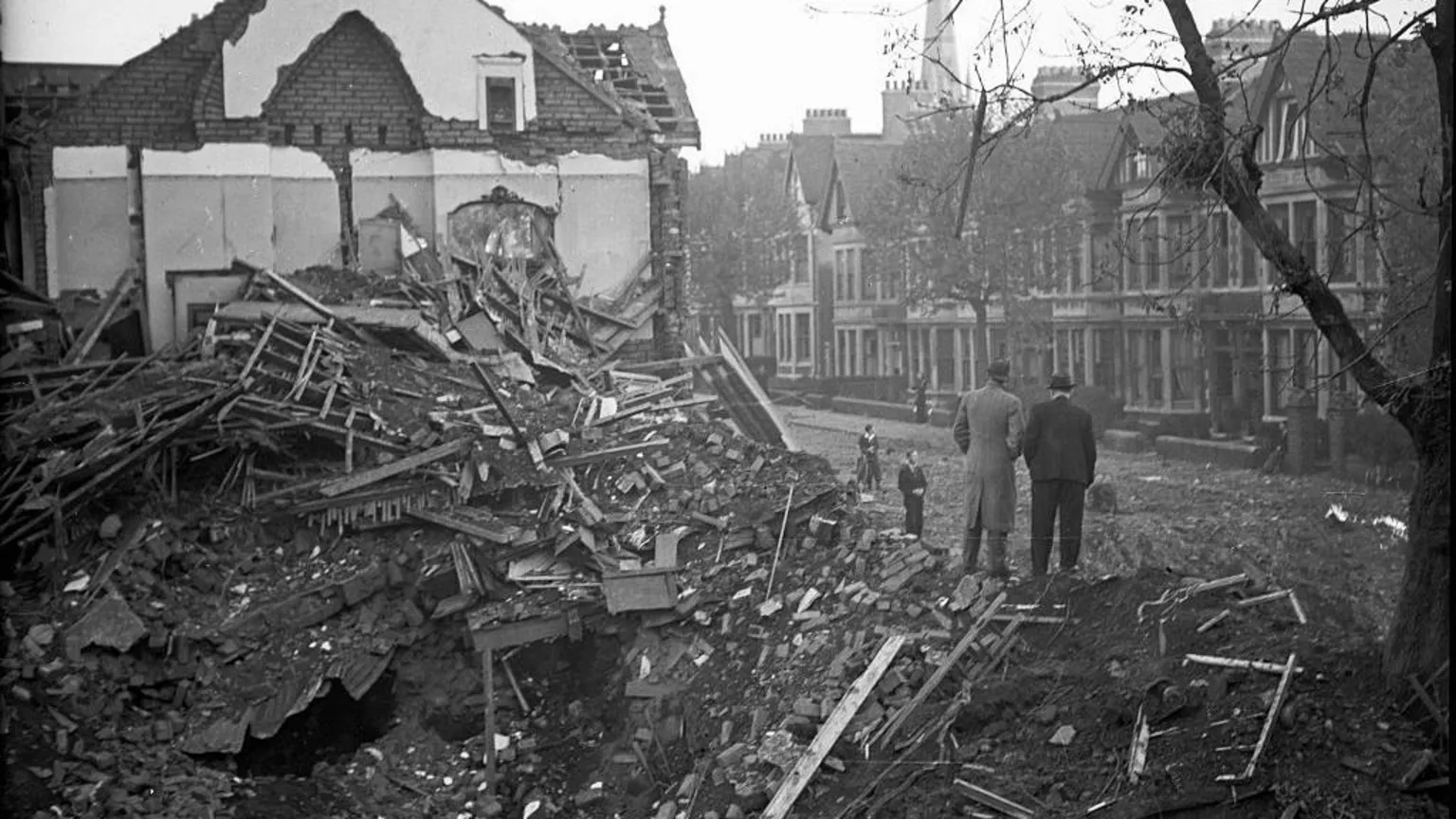
When Ted and his family returned the next day, they were confronted with the ruins of their home.

"When we saw our house, it'd been flattened,"
said Ted, who was only eight years old then.
"My mother was in the car crying when she saw the street, and was just looking at the rubble."
That night, over 400 people in Cardiff were injured, and nearly 350 homes were destroyed or deemed unsafe and demolished.
"My dad went into the rubble, and he was gone for about 10 minutes and he came back with two things, my Hornby set which I'd just got for Christmas which was still in its wrapping paper and a pound of sugar he'd won from the Army."
The Wider Context of the Blitz
The Luftwaffe, Nazi Germany’s air force, maintained an almost continuous bombing campaign against Britain from September 1940 to May 1941. These raids resulted in the deaths of more than 43,500 civilians across the UK.
Sharing Experiences in a New Documentary
Ted is among several survivors featured in the BBC documentary Children of the Blitz, which highlights the experiences of two million British children who remained in towns and cities during the bombings rather than being evacuated.
"If we'd have gone home and not been in the cinema that night and we would have been underneath that stairs, I wouldn't be talking to you tonight,"
Ted told the documentary.
Life After the Blitz
Following the destruction of their home, Ted lived with his father’s sister in Port Talbot for four years before relocating with his family to the Canton area of Cardiff.
After completing school, he trained as an electrician and later married his late wife, Betty. Ted also worked for Brains brewery for over two decades as a beer delivery driver.
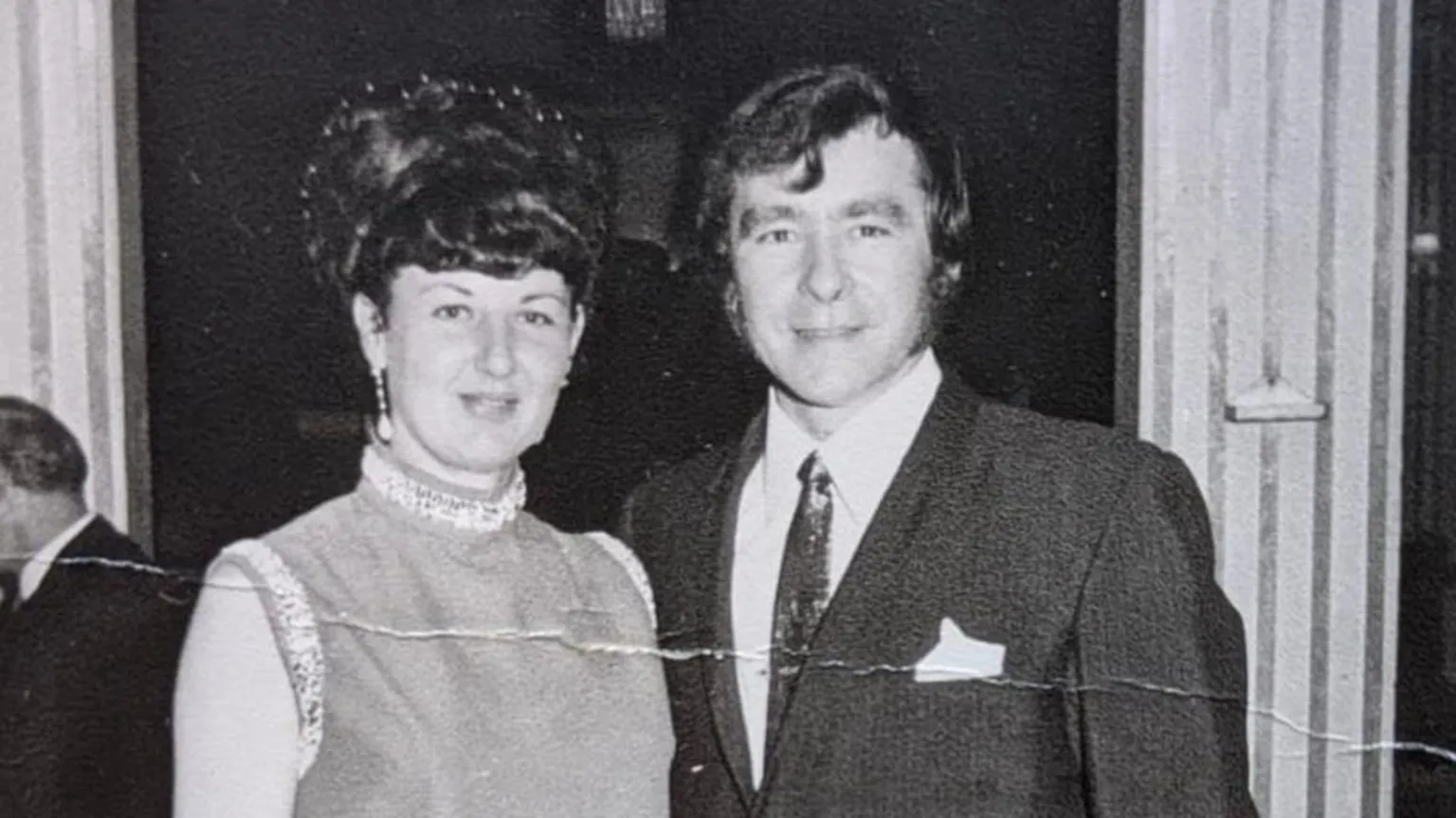
Betty passed away ten years ago. Encouraged by friends, Ted began volunteering at a community centre in Splott.
He continues to visit Jubilee Street, which has changed significantly since his childhood.
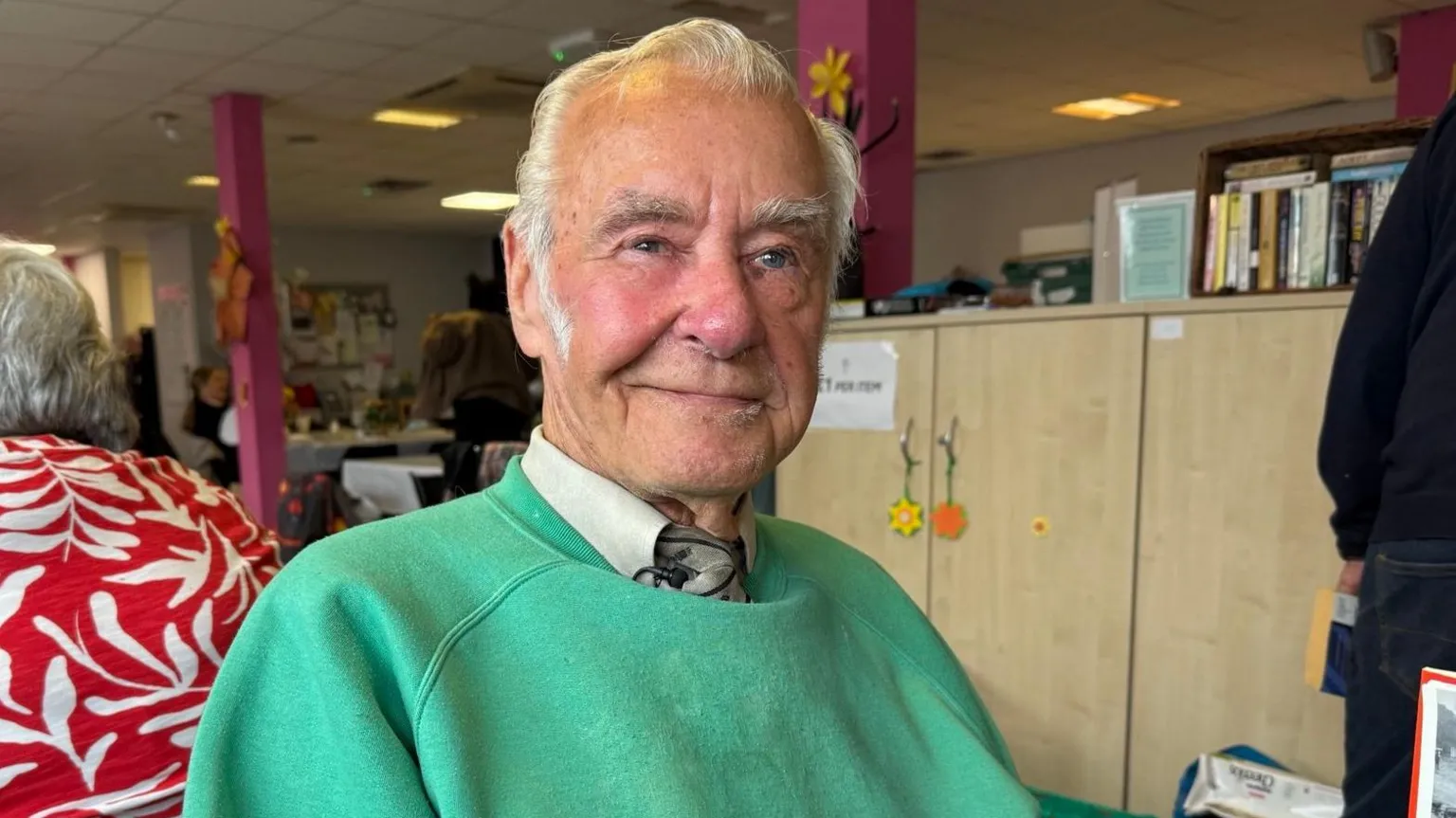
"I used to go to Jubilee Street with my wife for a look and I still do - it's half the original houses and half modern houses,"
Ted said.
"I stare at the houses and look at the street and think how lucky we were.
"There's two important words in my life and they are discipline and luck."