

Additional Costs Burden Low-Income London Households
Josiah Lahai reports frequently being unable to afford desired items at the supermarket.
Research indicates that low-income households in London incur an extra cost exceeding £600 annually to access standard goods and services.
A study conducted by Fair by Design, funded by Trust for London, revealed that families in Peckham pay on average £493 more each year than wealthier households for the same products.
This phenomenon, termed the "poverty premium," can surpass £600 in the most severely affected areas of London. Contributing factors include a greater dependence on high-interest credit and elevated expenses associated with non-direct debit billing.
A government spokesperson stated that ministers are "determined to turn the tide on poverty after years of rising hardship" and asserted that current policies are effective.
Food Shopping and Other Key Drivers of the Poverty Premium
The report identified food shopping as the largest contributor to the poverty premium, with 39% of families compelled to use local convenience stores rather than larger supermarkets that offer more competitive prices.
The research further highlighted that despite recent regulatory reforms, energy and insurance systems continue to disproportionately disadvantage the poorest populations across the UK.
Users of prepayment meters incur an additional £129 annually compared to those on competitive fixed direct debit tariffs. Additionally, drivers residing in deprived postal codes face an average surcharge of £153 on motor insurance.
Calls for Regulatory Consideration and Community Impact
Manny Hothi, chief executive of Trust for London, urged regulators to consider how their markets affect individuals living in poverty.

He added it was vital to "end the unfairness of people having to pay more because they pay monthly or don't to direct debit."
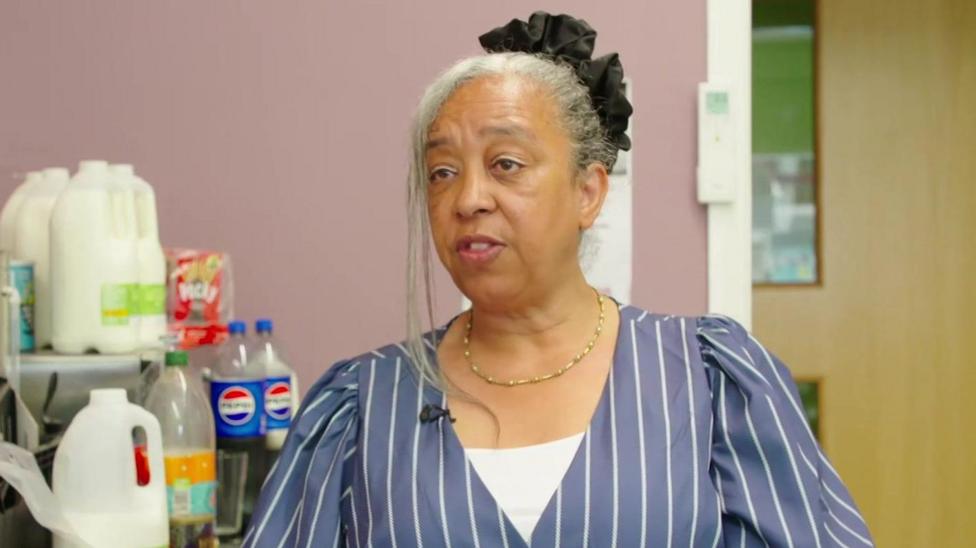
At a free cafe in Peckham operated by the charity Pecan, visitor Josiah Lahai remarked on his shopping challenges.
"I go to the supermarket and there are certain things I want but I can't buy them," he said.
Rising Costs Prompt Relocation and Political Responses
Doreen Davies, community engagement officer at Pecan, noted that escalating local rents are forcing some families to leave their established support networks and relocate "as far as up north."
Speaking on the BBC's Politics London programme, Labour MP for Peckham Miatta Fahnbulleh described Pecan as an "amazing charity" and concurred that "the cost of living is biting."
Fahnbulleh highlighted a £150 energy bill reduction and a £39bn investment in social and affordable housing to alleviate pressure.
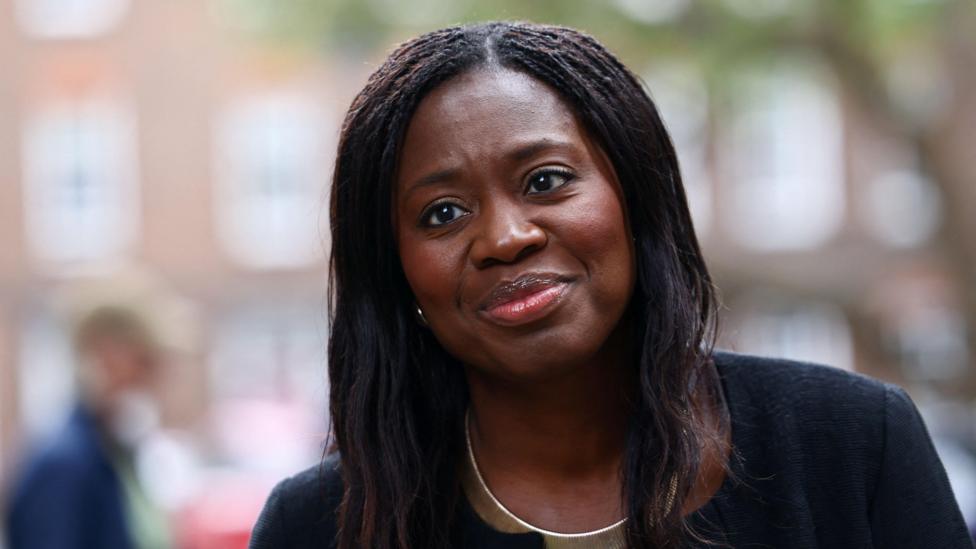
Fahnbulleh resigned from her position as a housing minister in May.
Conservative MP Julia Lopez acknowledged the rise in energy bills and described the state of public finances as "unsustainable."
She criticized London's housing record, stating that housing starts have decreased by 84% during Sir Sadiq Khan's tenure as London mayor.
"I'm not entirely sure what their policy is going forward, but I suspect it involves spending a lot of money," she added.
Government Initiatives and Statistical Indicators
The government spokesperson referenced a £1bn crisis and resilience fund, which includes nearly £150m allocated for London's local authorities.
"Our recent statistics show that effort is beginning to make a difference - household incomes have risen 5% in real terms, food bank usage has fallen, and food insecurity is down," they said.
The spokesperson also cited policies such as the removal of the two-child benefits limit, which affects approximately 240,000 children in 65,000 London households, and the increase of the minimum wage.
Listeners can access BBC Radio London's top content on Sounds and follow BBC London on Facebook, X, and Instagram. Story ideas can be submitted to hello.bbclondon@bbc.co.uk.
- Nearly 4m Londoners below income for decent living
- We swapped our London flat for a houseboat
- London's 'spiralling' housing crisis in numbers


