

Stormont Ministers to Discuss Fuel Cost Pressures
Stormont ministers are scheduled to meet on Thursday to address the challenges faced by farmers, businesses, and households in Northern Ireland due to increasing fuel costs.
This issue will be considered within the ongoing executive discussions regarding a multi-year budget.
Ministers have consistently stated the need for additional funding from Westminster to balance their departmental budgets.
The UK government has allocated an extra £380 million to the executive for public services over the next three years but has emphasized that ministers must make "difficult" decisions.
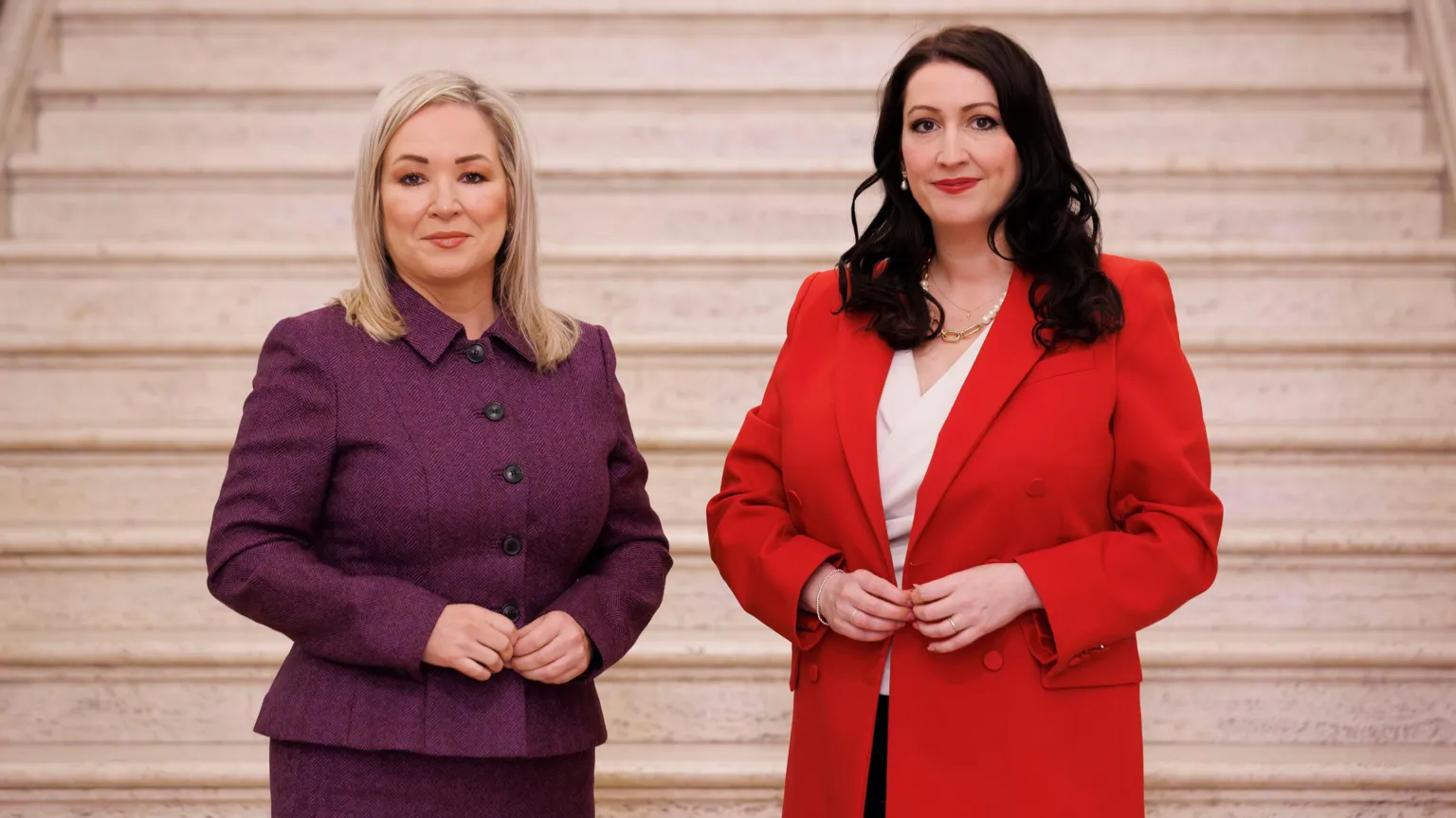
The first and deputy first ministers have invited the Northern Ireland Secretary to attend Thursday's executive meeting. However, it is understood he will not be physically present in Northern Ireland but will instead communicate with Stormont Finance Minister John O'Dowd from London.
What Has the Executive Said About Fuel Prices?
Fuel prices have surged globally, influenced by the US-Israel conflict involving Iran.
On Tuesday, farmers protested by blocking roads and motorways across Northern Ireland, demonstrating against rising fuel, energy, and fertiliser costs.
Last week, the first and deputy first ministers wrote to the prime minister requesting a package of measures to support those affected in Northern Ireland.
The executive has limited financial tools to intervene directly and maintains that responsibility lies with the UK government in London.
It is reported that ministers will consider a proposal from Democratic Unionist Party Communities Minister Gordon Lyons, which seeks to allocate £17 million for home heating oil support to households in Northern Ireland.
This funding package was announced by Westminster in March but requires executive approval before implementation.
Lyons is expected to present options on distributing the funds and has requested that the executive increase the overall funding to extend support beyond "low income households".
On Wednesday, Prime Minister Sir Keir Starmer stated that the government is exploring broader support options but did not provide specific details.
How Close Is the Executive to Agreeing a Budget?
Negotiations have been ongoing since January to approve a budget covering the next three financial years.
A multi-year budget would enable Stormont departments to plan longer-term expenditures; however, no such budget has been agreed upon for over a decade.
Significant pressures in the health, education, and justice departments have complicated reaching an agreement.
A Stormont source described the executive as "stretched to breaking point," indicating that the current funding allocation is insufficient for the next three years.
The executive is also considering approving a budget for 2026-27 only. If this occurs, ministers would need to resume budget discussions before the end of the year to set the 2027-28 budget.
The timing of the next assembly election in May 2027 may further complicate budget negotiations for that year.
'Sought to Shift Blame'
Matthew O'Toole, leader of the opposition at the assembly, criticized the executive's approach, stating they are "desperate to simply shift responsibility rather than agree with one another their priorities for the public in Northern Ireland."
"They could have been meeting with trade unions, farmers groups, business groups understanding the extent of the cost pressure and then go to the UK government and say 'this is the type of support we need to implement, we need your financial backing'," the Social Democratic and Labour Party politician told Good Morning Ulster.
"They haven't done any of that, their first approach has been to say, as it were, 'computer says no, go and talk to London'.
So while I agree that the UK government is clearly responsible for things like fuel duty and has the fiscal firepower, the problem is the executive has at the very first time of asking, simply sought to shift blame."
What Is the Government's View?
The UK government has repeatedly described the funding offered to the executive as a "record settlement" from Westminster.
All parties within the executive maintain that the allocation is insufficient.
Stormont's finance minister has been advocating to the Treasury for the restoration of the "stabilisation fund," a one-off funding measure that accompanied the restoration of devolution in 2024 but has since ended.
The Northern Ireland Secretary has also raised the possibility of Stormont implementing its own revenue-raising methods to support public services.
This perspective aligns with a research paper published by the Northern Ireland Assembly last month, which stated that significant revenue raising is "unavoidable."
However, proposals such as introducing water charges and increasing tuition fees have been widely rejected by political parties to date.


