

The longer Iran war continues, the greater the economic impact, says Starmer
Addressing the ongoing conflict in Iran, Prime Minister Keir Starmer acknowledged that the longer the war persists, the more significant the potential impact on the UK economy. He stated:
"The job of government is obviously to get ahead, to look around the corner, to work with others, and the chancellor speaks to the governor of the Bank of England on a daily basis, with looking cross-departmental within government, assessing the risks, monitoring and talking to our international partners as well about what more we can do together to reduce the likely impact on people here and businesses here, of course.
But it is important to acknowledge that that work is needed, because people will sense, you will sense I think, that the longer this goes on, the more likely the potential for an impact on our economy, impact into the lives and households of everybody and every business.
And our job is to get ahead of that, to look around the corner, assess the risk, monitor the risks, and work with others in relation to that."
Lib Dems urge Starmer to cancel King Charles’ US visit amid Trump’s criticism
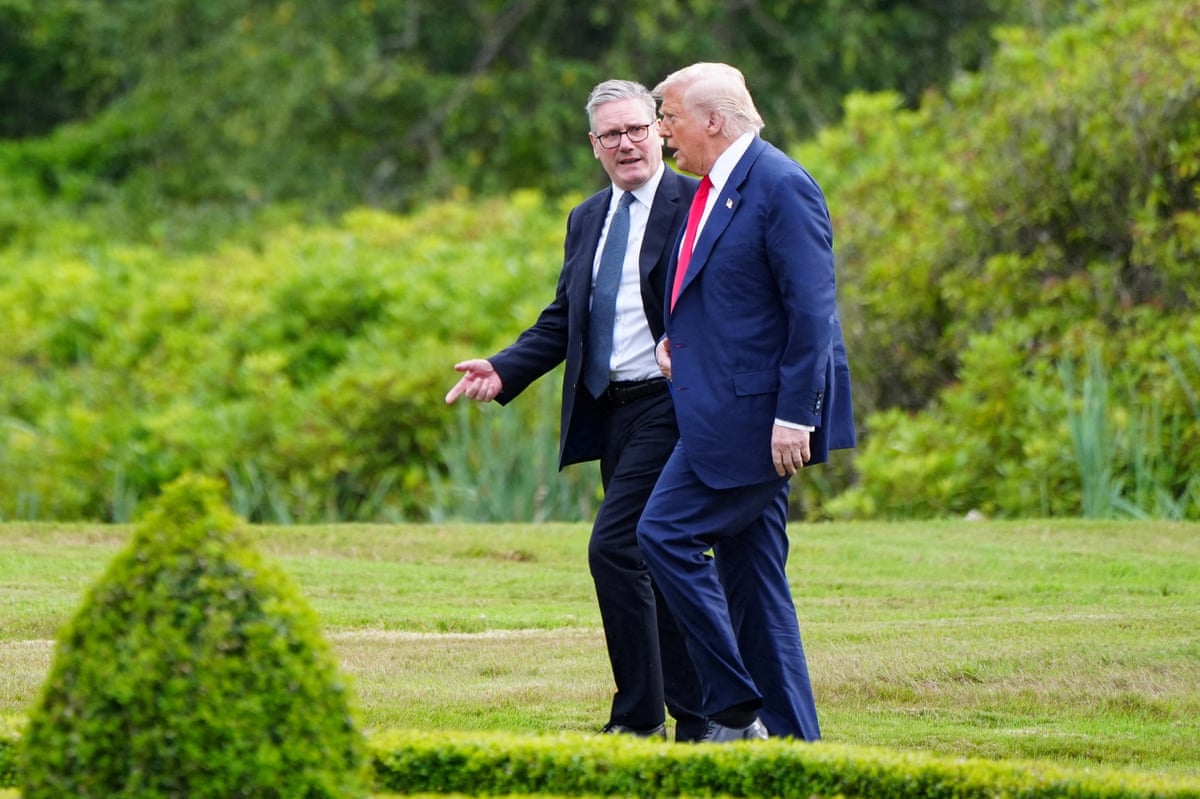
Lib Dem leader Ed Davey has called for the cancellation of King Charles’ planned visit to the United States next month, following repeated criticisms from former US President Donald Trump regarding Britain’s response to the Iran conflict.
King Charles is scheduled to visit the US in late April to mark 250 years since American independence. However, Davey told LBC that it would be inappropriate for Starmer to advise the King to attend what could become an "embarrassing situation," especially given the current low point in UK-US relations after Trump’s disparagement of Starmer over the UK’s refusal to support offensive strikes on Iran.
Davey criticized Trump for damaging the British economy through tariffs and described the former president as "out of control."
"Donald Trump is corrupt. He’s immoral. He's out of control." @EdwardJDavey spells out the rationale for cancelling Charles’ visit to the US.
"Given Trump’s illegal war that is devastating the Middle East and pushing up energy bills, Keir Starmer should advise the King to call off April’s state visit to the US. A state visit should not be given to someone who repeatedly insults and damages our country."
Meanwhile, Chancellor Rachel Reeves is scheduled to participate in a call with fellow G7 finance ministers to discuss surging oil prices and the economic consequences of the US-Israeli conflict with Iran.
Drivers urged to reduce non-essential journeys amid rising fuel costs
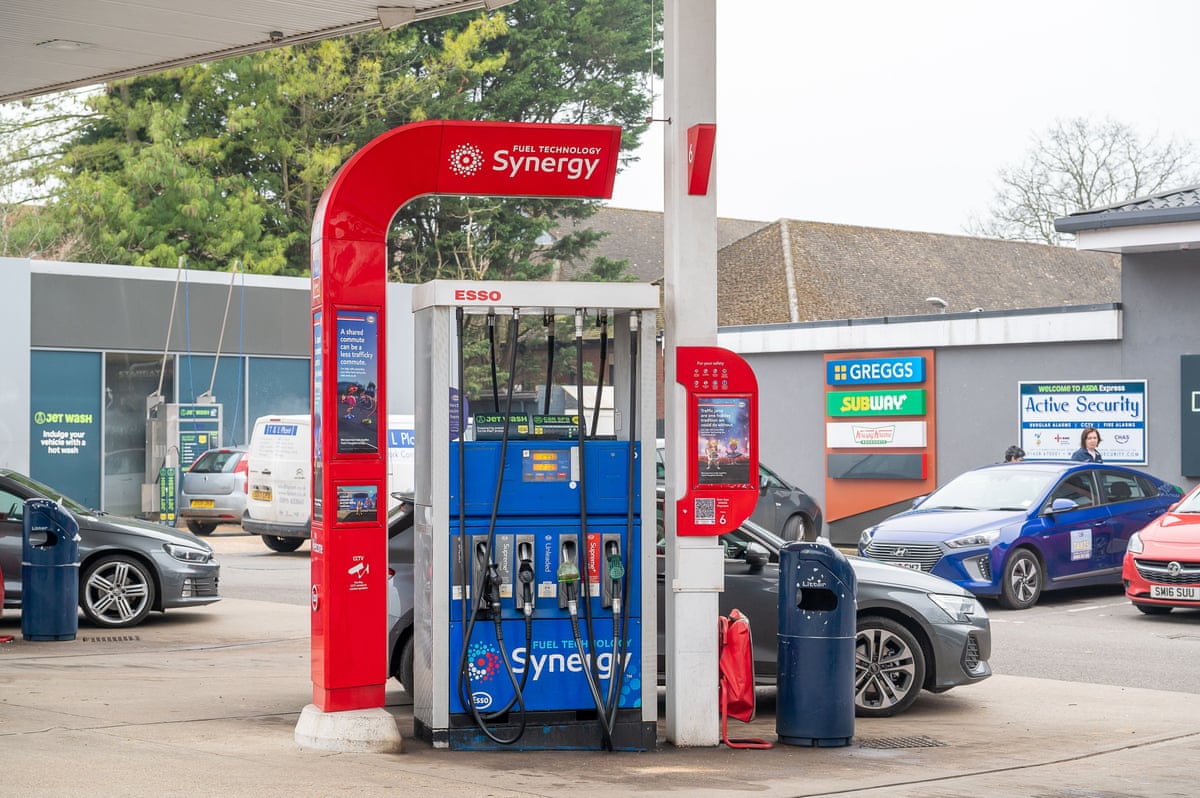
AA president Edmund King has advised drivers to consider reducing "non-essential journeys" as fuel prices are expected to increase due to soaring oil costs.
"The longer this conflict goes on, the more effect it will have on the cost of oil.
Any time Brent Crude passes 100 dollars per barrel raises concern across the markets, for the haulage industry and drivers.
There will be gradual increases in pump prices, but this shouldn’t happen overnight as fuel has been purchased at previous prices.
Our suggestion is that drivers should not change their refuelling habits but can consider cutting out some non-essential journeys and changing their driving style to conserve fuel."
RAC head of policy Simon Williams added:
"Average petrol and diesel prices have rocketed in the last week and are unfortunately likely to keep on rising, so the situation for UK drivers is looking increasingly bleak.
Unleaded is almost certainly going to reach an average of 140p in the next week or so, while diesel looks highly likely to climb to at least 160p a litre.
We encourage drivers to continue filling up as normal but to shop around for the best prices."
Starmer emphasized that the energy price cap would shield households from economic turbulence resulting from the US-Israeli war with Iran, but acknowledged that businesses and others would remain "concerned" and closely monitor developments.
When asked whether Donald Trump’s military actions risked triggering a world war, the prime minister responded:
"We do need to find a way to de-escalate the situation and that’s what a lot of our discussions are about – how do we find a way to de-escalate this situation and make sure it doesn’t escalate even further than it already has."
Starmer also highlighted that the UK economy is in a stronger position than during the 2022 energy price shock triggered by Russia’s invasion of Ukraine.
"I think it is important just to remind ourselves that last time a conflict began to develop, which was 2022 in relation to Ukraine, the economy wasn’t in a stable place, and inflation was 5% and rising.
We’ve done a lot of work in the last 18 months to put some resilience in and make sure that we’ve got some headroom, which is basically some insurance within the economy, but also inflation is 3% and going down, so in that sense, there’s more resilience."
Starmer on UK-US relations and foreign policy decisions
Keir Starmer was questioned about whether his recent phone call with Donald Trump had helped mend the so-called "special relationship" after Trump called him "no Winston Churchill" for refusing to allow US strikes on Iran from UK bases.
Starmer confirmed that the US is now using UK airbases in relation to Iran and that close intelligence cooperation continues daily between London and Washington.
"In the region, we have our military personnel and US military personnel co-located in the same places, in the same bases," he said.
"Both the US and UK are working together, protecting those bases. So in terms of the relationship the work that we necessarily have to do together is going on as you would expect."
He emphasized that decisions about what is in Britain’s "best interests" are made solely by the UK prime minister, calling this a "fundamental principle" guiding his approach to Iran.
This stance aligns with Foreign Secretary Yvette Cooper’s comments that the government’s role is not to outsource foreign policy.
Cooper’s remarks followed former Labour Prime Minister Tony Blair’s statement at a private event that Starmer "should have backed America from the very beginning" and allowed the US to use British airbases.
Starmer addresses community divisions amid conflict
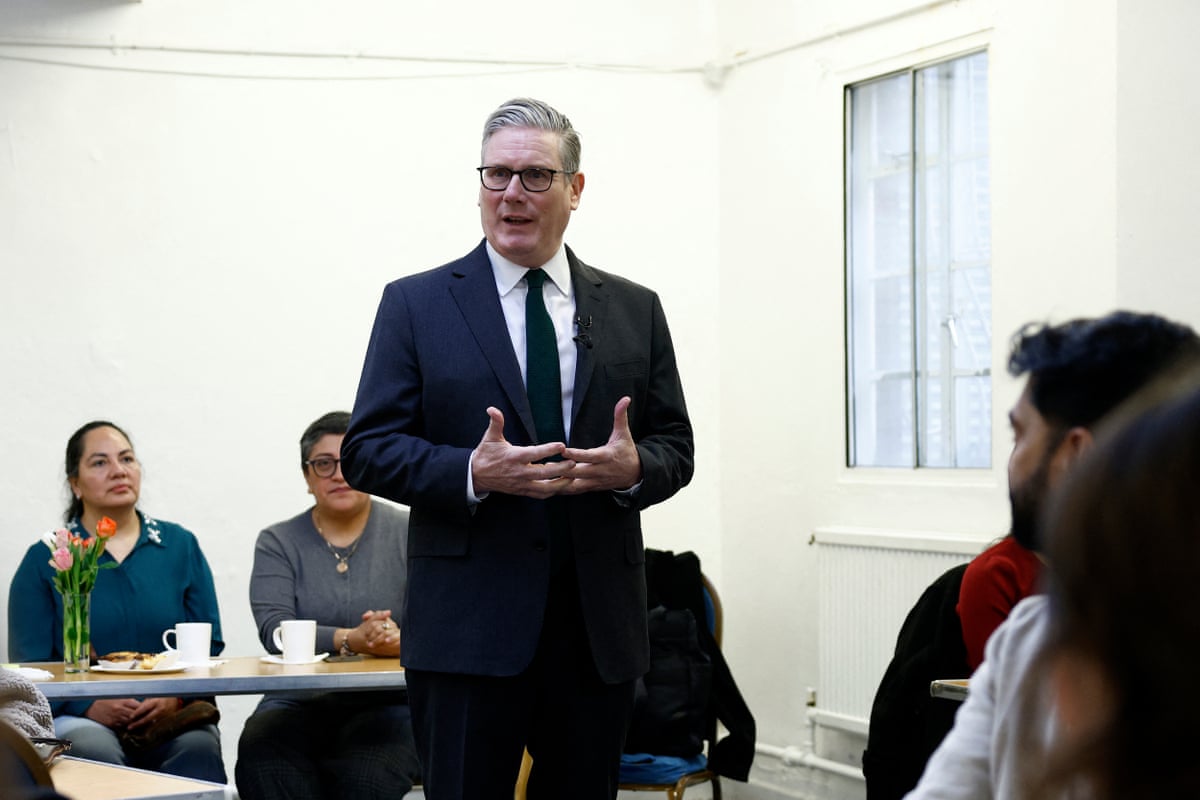
During a visit to a community centre in London, Starmer responded to questions about efforts to unite communities during a period of division.
"It is a really sad feature – isn’t it – at a time that this that some people will try to use it as an opportunity to divide," the prime minister said.
"We have to be really conscious that where people want to divide at the moment in relation to this conflict it’s in the space of trying to divide the Muslim community and the Jewish community so we are working particularly on those two strands."
He expressed concern about politicians attempting to create grievances between different groups, a tactic he fundamentally rejects, and praised the country’s diversity.

Communities Secretary Steve Reed on economic resilience amid Middle East crisis
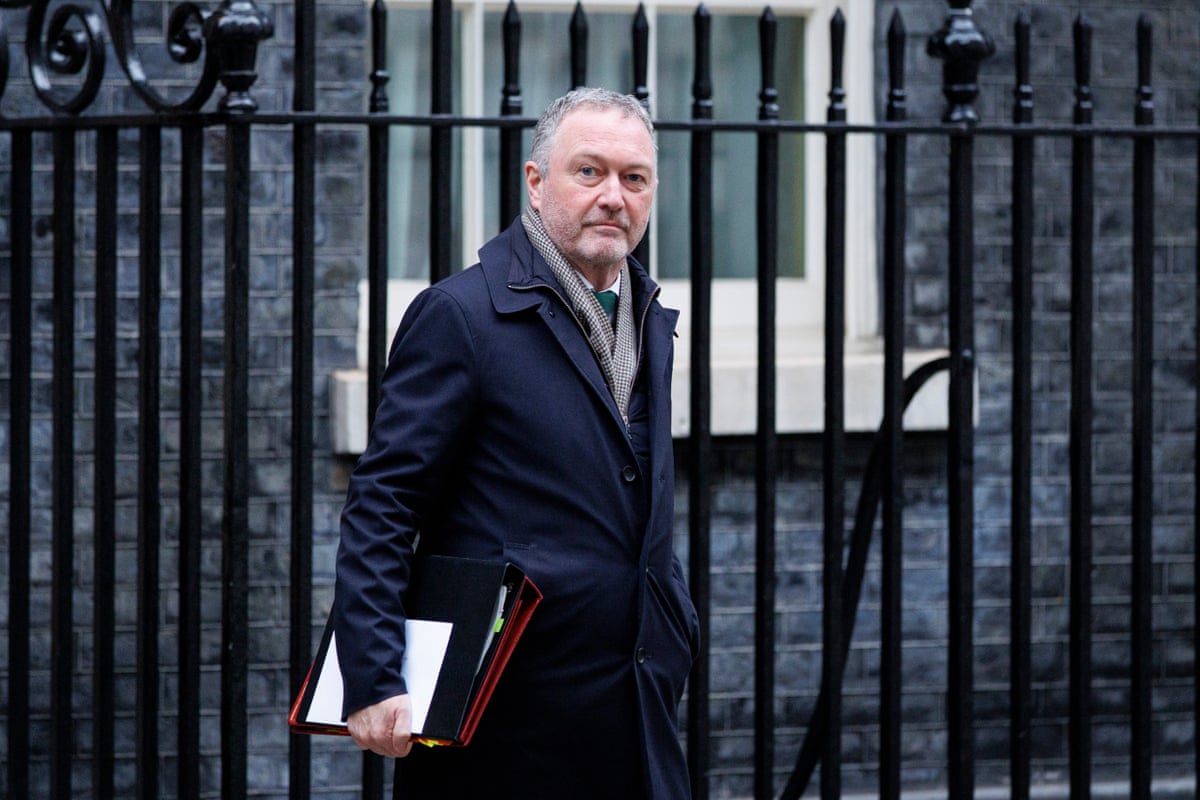
Communities Secretary Steve Reed acknowledged the economic uncertainty caused by the US-Israel war with Iran but stated that the UK economy is resilient enough to withstand potential shocks.
Speaking to ITV’s Good Morning Britain, Reed said:
"Of course, the UK can’t control things that happen, crises that happen across the planet, that have an impact on us here at home. What we can control are our own circumstances.
Now, when it comes to the cost of oil, and we’ve seen what’s happened overnight, we’re still only just over a week into this conflict, we don’t know how long it will go on, we don’t know what the long-term impact will be on energy prices.
But, as I say, the fact that we have a more stable economy means we’re in a better position to weather those storms, and we will, of course, keep a very close eye as we monitor the situation."
According to ’s economics editor Heather Stewart, Chancellor Rachel Reeves stated last week that the unstable global situation makes her actions on inflation—such as shifting green levies to general taxation and freezing bus fares and prescription charges—even more critical.
The chancellor is expected to face pressure to provide support packages for small businesses if the conflict causes sustained energy price increases.
G7 finance ministers prepare to discuss emergency oil reserve release
Reports indicate that G7 finance ministers are preparing for an emergency meeting to discuss the potential release of petroleum from strategic reserves in response to the Iran conflict.
The Financial Times reported, citing unnamed sources, that the meeting would occur at 8:30 a.m. New York time to address the impact of the war.
So far, three countries, including the US, have expressed support for releasing emergency reserves held by the International Energy Agency (IEA), which comprises 32 member countries worldwide.
The IEA maintains strategic petroleum reserves as part of an emergency system to help countries manage oil price crises. US officials reportedly consider a joint release of 300 million to 400 million barrels appropriate, representing approximately 25% to 35% of the 1.2 billion barrels in reserve.
Energy prices surge amid Middle East violence; markets react
The UK month-ahead gas price rose by 19% to 163p per therm on Monday morning, while the continental European month-ahead benchmark increased 16% to €62 per megawatt hour.
Oil prices climbed and stock markets across Asia, the UK, and mainland Europe declined on Monday morning as ongoing violence in the Middle East heightened investor concerns about supply shortages. Brent crude reached its highest level in four years, triggering a sell-off in stock markets.
You can read the full story here.
Starmer reassures public on cost of living amid oil price surge
Good morning and welcome to our live coverage of UK politics as governments worldwide prepare for significant disruptions to energy supplies due to the escalating US-Israeli conflict with Iran.
Prime Minister Keir Starmer is expected to pledge protection for the British public against the economic consequences of the war.
"No matter the headwinds, supporting working people and their families with the cost of living is always top of my mind," the prime minister said ahead of a Monday visit to a community centre in London.
"People are also rightly worrying what this means for life at home – their bills, their jobs, their communities.
I want to address those concerns head on. I will always be guided by what is best for the British public. And no matter the headwinds, supporting working people and their families with the cost of living is always top of my mind."
Starmer reportedly faces pressure from unions and backbenchers to prepare support packages for those already struggling with the cost of living crisis in case the conflict is prolonged.
Most UK households will be shielded from rising energy prices in the short term, but the UK’s dependence on gas from the Middle East leaves it vulnerable to a blockade of the Strait of Hormuz, through which about 20% of the world’s liquid natural gas passes.
Rising oil prices will increase petrol costs, and consumers may face higher inflation if energy costs continue to rise.
Later today, G7 finance ministers will hold an emergency virtual meeting to discuss a coordinated release of petroleum from reserves managed by the International Energy Agency.
Chancellor Rachel Reeves is expected to participate in the meeting.


