

Starmer Accuses Officials of Withholding Mandelson Vetting Outcome
Sir Keir Starmer has accused Foreign Office officials of deliberately and repeatedly withholding information that Lord Mandelson initially failed security vetting for the position of UK ambassador to the United States.
In a statement to Members of Parliament, the Prime Minister asserted that had he been aware of this information, he would not have proceeded with the appointment.
Sir Keir learned last Tuesday that the Foreign Office had overridden the recommendation of the security vetting agency and cleared Lord Mandelson for the ambassadorial role.
Calls for Resignation and Accusations of Misleading Parliament
Conservative leader Kemi Badenoch has demanded the Prime Minister's resignation, accusing him of "throwing his staff and officials under the bus" instead of accepting responsibility.
She further accused Sir Keir of misleading the House of Commons when he previously stated that "full due process" was followed during Lord Mandelson's appointment and argued that he should have corrected the record at the earliest opportunity last week.
The Prime Minister, however, insisted that he did not mislead Parliament.
The Ministerial Code specifies that ministers who knowingly mislead Parliament are expected to resign, while inadvertent errors should be corrected promptly.
Timeline of Mandelson's Appointment and Vetting
Lord Mandelson was announced as the UK's ambassador to the US in December 2024 before comprehensive vetting had been completed.
He formally assumed the role on 10 February 2025 but was dismissed seven months later due to his associations with the late convicted sex offender Jeffrey Epstein.
UK Security Vetting, a specialized agency within the Cabinet Office, initiated the vetting process in late December 2024 and on 28 January 2025 recommended that Developed Vetting clearance be denied.
Despite this, Foreign Office officials overruled the recommendation and granted clearance.
Prime Minister Details Withholding of Information
In his statement, the Prime Minister indicated that there were multiple occasions when officials should have informed him of the vetting outcome.
These occasions included the time of Lord Mandelson's appointment, his dismissal, and when Sir Keir ordered a review of the vetting process.
He also stated that Sir Chris Wormald, then head of the Civil Service, should have been informed when he was asked to review the appointment process in September, describing the failure to do so as "astonishing."
Sir Keir added that Foreign Secretary Yvette Cooper should have been made aware when responding to Commons Foreign Affairs Committee questions about the appointment in September, calling it "absolutely unforgivable" that she was not informed.
"A deliberate decision was taken to withhold that material from me,"
"This was not a lack of asking. This wasn't an oversight. It was a decision taken not to share that information on repeated occasions."
The Prime Minister described it as "frankly staggering" that he was not informed even when he initiated a review of the vetting process.
While acknowledging that "sensitive personal information" obtained during vetting should be protected, he rejected the notion that ministers could not be informed of the overall vetting recommendation.
Senior Civil Servant Sir Olly Robbins' Role and Departure
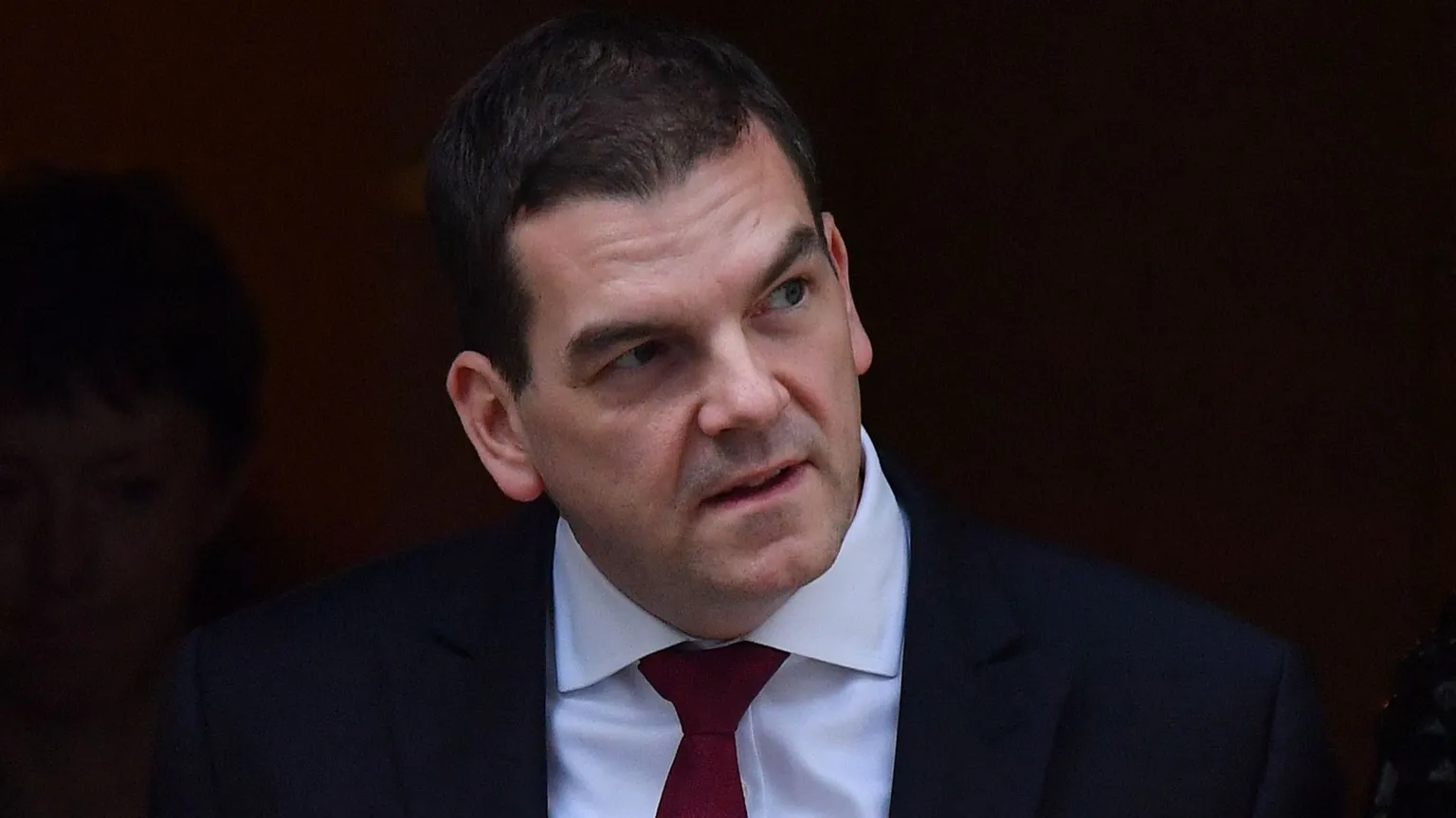
The most senior civil servant at the Foreign Office, Sir Olly Robbins, was effectively dismissed on Thursday following a investigation that revealed his department had overruled the vetting agency's recommendation against granting Lord Mandelson security clearance.
Sir Keir did not name Sir Olly Robbins in his initial statement to MPs, referring only to officials.
However, when asked directly about Sir Olly's explanation for overruling the vetting recommendation, the Prime Minister stated:
"He should have provided this information to me and he could have provided it to me...
When I spoke to him on Thursday, his view to me was that he couldn't provide this information to me because he wasn't allowed to provide this information to me."
Allies of Sir Olly have contended that he had a duty not to disclose detailed vetting information, which is highly intrusive and personal, as doing so would undermine the vetting process.
Sir Olly Robbins is scheduled to give evidence to the Commons Foreign Affairs Committee on Tuesday morning.
Parliamentary Reactions and Labour Party Perspectives
Labour MP Emily Thornberry, chair of the Foreign Affairs Committee, stated that when the committee previously questioned the senior civil servant about the vetting process, "we got a partial truth."
She questioned whether for certain members of the Prime Minister's team, "getting Peter Mandelson the job was a priority that overrode everything else and that security considerations were very much second order."
Thornberry was among several Labour MPs who made critical interventions in the Commons.
While some Labour MPs were hesitant to criticize the Prime Minister last week, one told the BBC that his performance was "abysmal" and that the mood among backbenchers was "very, very bad."
Chris Hinchliff, Labour MP for North East Hertfordshire, described it as "wholly incredible" that the decision to overrule the vetting recommendation "was made on a personal whim by a senior civil servant."
He suggested instead that there was "political pressure from Number 10 to advance a man who a particular faction in the Labour Party has looked to for moral and spiritual leadership for years."
Fellow Labour MP Neil Duncan-Jordan questioned why Lord Mandelson was "ever considered for such an important role."
Security Vetting Process and Changes
It was revealed that Sir Keir had apparently been advised to require Lord Mandelson to undergo security vetting before his appointment was announced.
An official document published last month showed Simon Case, then the UK's top civil servant, wrote to Sir Keir a month prior to Lord Mandelson's appointment, suggesting that political appointees should obtain security clearance before being confirmed as the Prime Minister's choice.
Sir Keir argued that it was customary for security clearance to occur after appointment but before the individual takes up the post, citing comments from Case's successor, Sir Chris Wormald, to the Foreign Affairs Committee last year.
The Prime Minister added that he changed the process after Lord Mandelson's dismissal so that appointments cannot be announced until security vetting is completed.
Additionally, the Foreign Office's authority to make the final decision on security clearance was suspended last week.
Political Reactions and Calls for Resignation
Liberal Democrat leader Sir Ed Davey stated that the Prime Minister should resign following what he described as a "catastrophic error of judgement" in appointing Lord Mandelson.
Reform UK and the Green Party have also called for Sir Keir to step down, accusing him of lying about Lord Mandelson's vetting.
Plaid Cymru said the Prime Minister should resign for misleading the public, while the Scottish National Party suggested Sir Keir was either "gullible, incompetent or both."

to Politics Essential Newsletter
for our Politics Essential newsletter to receive top political analysis, insights from across the UK, and stay informed about major political developments. The newsletter is delivered straight to your inbox every weekday.


