

Introduction
Holyrood has adjourned ahead of May's election, with political parties preparing to debate their visions for Scotland's future over the next six weeks.
The Scottish National Party's (SNP) tenure in government will be a central focus of scrutiny, with Deputy First Minister John Swinney ready to defend the party's record against opposition critiques.
But what has been accomplished during the parliamentary term that has just concluded?
A practical way to assess this is by reviewing the SNP's own 2021 election manifesto.
Evaluating the party against its pledges reveals which commitments have been fulfilled, delayed, or abandoned.
Leadership Changes and Political Shifts
Since the 2021 election, Scotland's political landscape has evolved significantly.
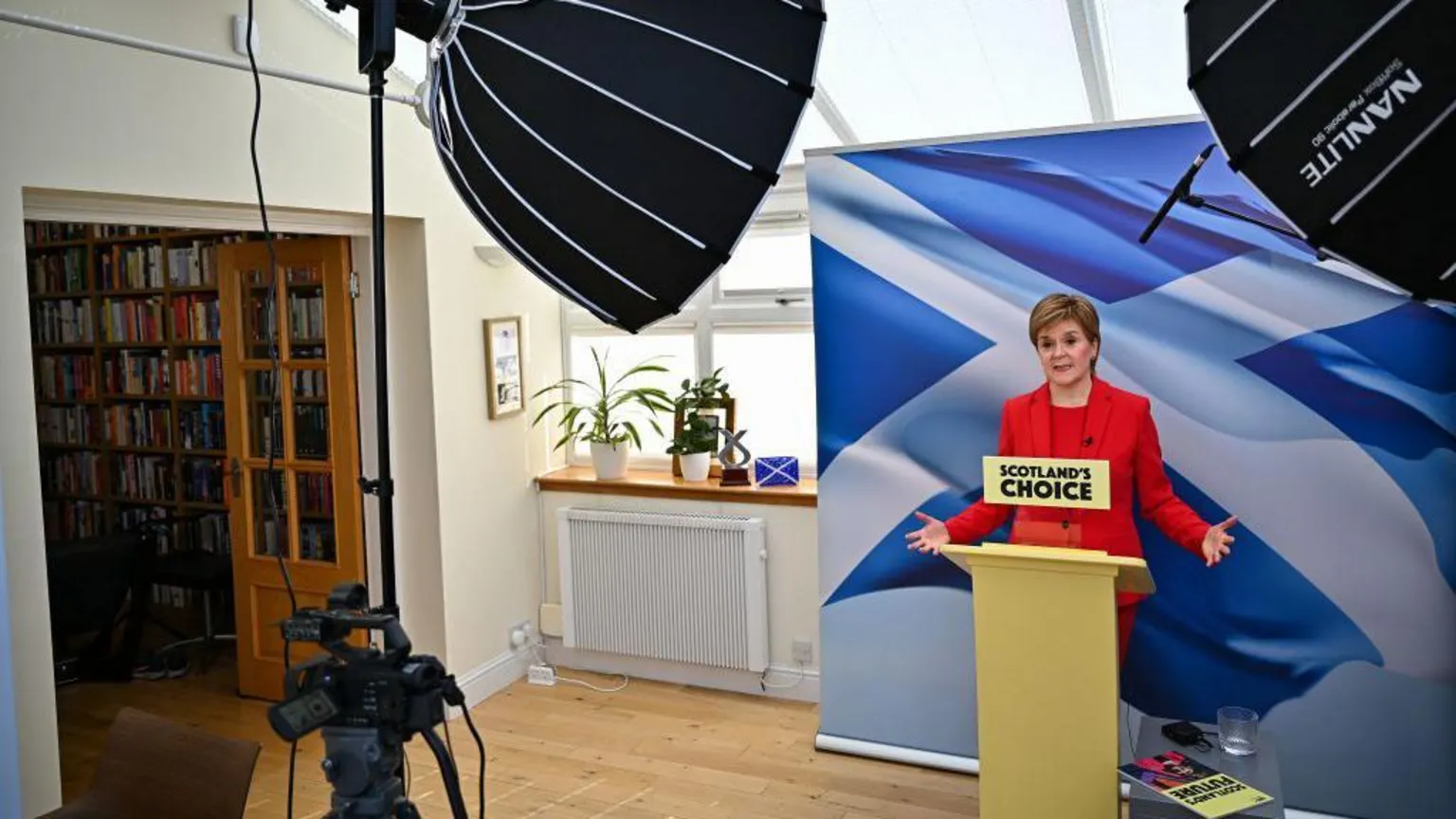
The SNP has experienced three leadership changes: John Swinney succeeded Humza Yousaf, who had replaced Nicola Sturgeon.
Additionally, a coalition agreement with the Scottish Greens was formed and subsequently dissolved, leading to shifts in government priorities.
Nonetheless, certain commitments have remained consistent across leadership transitions, notably the dedication to the National Health Service (NHS).
Health Spending and NHS Commitments
In 2021, the SNP pledged to increase frontline health spending by 20%, equivalent to at least £2.5 billion.
This target has been surpassed, with health funding rising by 28%, an increase approaching £5 billion.
The party also committed to raising NHS staff pay by an average of 4%, a goal met and exceeded due to inflation-driven public sector pay increases beyond initial expectations.
However, not all health and social care ambitions have progressed smoothly.
A major manifesto promise was the establishment of a National Care Service, designed as an extensive network of care boards mirroring the NHS to eliminate regional disparities in care quality.
These plans gradually unraveled during the parliamentary term, hindered by insufficient detail and cost analyses, which alienated opposition Members of the Scottish Parliament (MSPs) and frontline care providers, including councils and unions.
Income Tax Policy Changes
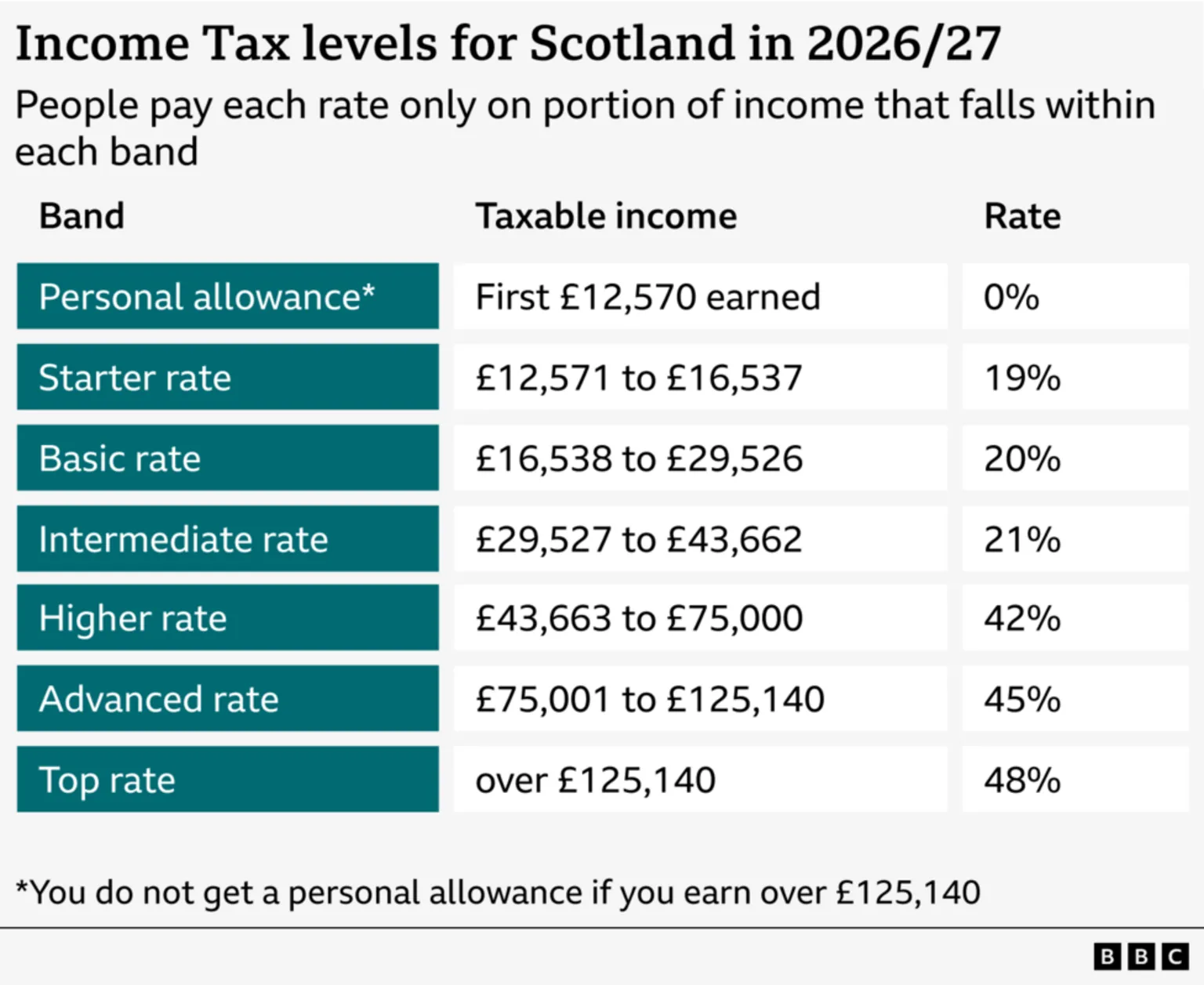
The manifesto also pledged to freeze income tax rates and bands.
Contrary to this promise, the higher and top income tax rates were each increased by one penny in 2023, and in 2024 a new "advanced rate" was introduced between these bands, accompanied by another one-penny rise in the top rate.
These tax adjustments occurred amid the 2022 Russian invasion of Ukraine and a subsequent cost of living crisis, circumstances that compelled the government to seek additional revenue to fund public services.
John Swinney has maintained that the manifesto pledge was not broken due to an included caveat allowing governments "flexibility to respond to a change in circumstances."
Energy and Environmental Pledges
The same energy price crisis was cited when the SNP abandoned its commitment to decarbonise the heating of one million homes by 2030, a target now deemed "no longer considered achievable."
Education Commitments and Challenges
Education is another significant devolved area with numerous policy proposals.
The 2021 manifesto promised recruitment of 3,500 additional teachers and classroom assistants.
However, since local councils employ teachers, Education Secretary Jenny Gilruth threatened to reduce council funding if they did not assist in meeting this target.
Ultimately, teacher numbers slightly declined, prompting the government to revise its goal to restoring staffing levels to those of 2023.
It is important to note that pupil numbers in Scotland are projected to decrease, and the country continues to have the smallest class sizes in the UK.

Another manifesto pledge aimed to "allow teachers more time out of the classroom to prepare lessons and improve their skills."
The Educational Institute of Scotland (EIS) teaching union was on the verge of strike action earlier this month over this commitment, viewing it as unfulfilled.
A deal was reached to honour the pledge by reducing class contact time less than a week before industrial action was scheduled to begin.
This adjustment will require hiring more teachers, with the government allocating £40 million for recruitment in the following year.
Closing the Attainment Gap
The SNP also promised a £1 billion investment to close the "attainment gap"—the disparity in educational performance between pupils from affluent and deprived backgrounds.
Each annual budget has included an additional £200 million for the Attainment Scotland Fund, which distributes resources to councils and schools based on need.
Despite this, the attainment gap remains persistent.
Nicola Sturgeon had declared eradicating the attainment gap her "top priority" in 2016.
Yet, recent data revealed the gap is wider than before the Covid-19 pandemic.
Child Poverty and Social Support
John Swinney has prioritized eradicating child poverty, inheriting several policies aimed at this goal.
The Scottish Child Payment, a targeted benefit for families, has become a flagship SNP policy.
The 2021 manifesto proposed doubling this payment to £20 per week; following successive increases, it is now set to reach £28.20.
However, some related policies have been scaled back or delayed.
For example, the pledge to provide free school breakfasts and meals to all primary pupils has been limited to children in Primary 1 to Primary 5, with targeted provisions for older pupils based on need.
Funding has been allocated in the current budget towards a year-round "wraparound childcare" system offering before- and after-school care, but a national breakfast club program is not expected until August 2027.
Housing and Infrastructure
Some pledges extend into the future and are difficult to assess currently.
One such commitment is to deliver 100,000 affordable homes by 2032.
Shortly after the 2021 election, the SNP increased this target to 110,000.
As of September 2025, 31,064 homes have been completed towards this goal, including social rent, affordable rent, and outright ownership properties.
Although Covid-19 impacted progress, recent years have seen higher completion rates, but acceleration is necessary to meet the target.
The housing industry responded positively to a four-year funding program totaling £4.9 billion dedicated to affordable homes.
Transport and Environmental Targets
Scotrail has been brought into public ownership as promised, and peak rail fares have been abolished.
However, the pledge to decarbonise rail services by 2035 has been postponed by ten years, now targeted for 2045.
Overall Assessment and Political Implications
This pattern is typical of the SNP manifesto overall: some policies have been implemented, others delayed, and a few abandoned.
How voters evaluate this record will be crucial in determining whether the SNP secures a fifth term in office.
This outcome may also influence whether John Swinney can fulfill another 2021 pledge likely to feature in the upcoming manifesto—to hold a referendum on Scottish independence.


