

New Law to Criminalize False Statements in Welsh Elections
The Senedd has passed legislation making it illegal for candidates to make false statements during Welsh elections.
This new law paves the way for a new offence concerning the making of false or misleading statements to assist a candidate in an election.
In a vote held on Tuesday evening, 50 members supported the bill while one opposed it.
The law has passed despite warnings that the new powers could restrict freedom of expression and hinder democratic debate.
The legislation will not come into effect until at least 2030 and therefore will not apply to the upcoming May election.
Election 2026: What Is My Constituency?
Warning That Politicians' Falsehood Law May Limit Freedom of Expression
The measure also establishes a recall system, which will allow the public to remove politicians who have engaged in misconduct.
Under the new system, a Member of the Senedd (MS) who breaches conduct rules could face a vote in their constituency to decide whether they should remain as a member.
However, unlike Westminster, if they lose their seat, another member from the same party would take their place.
Ministers had pledged to act to prevent politicians from lying after a similar proposal nearly became law against the wishes of the Welsh Government in 2024.
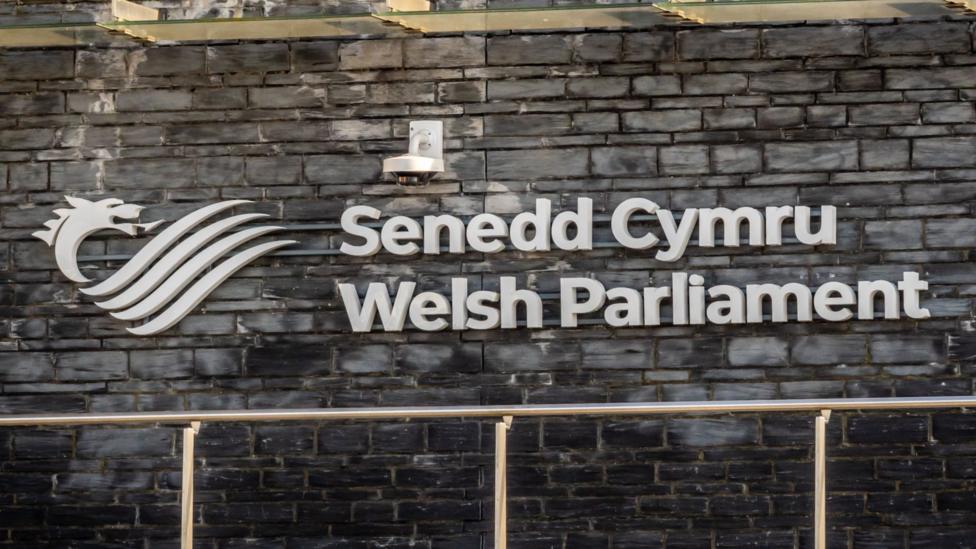
'False or Misleading Statements'
Supporters of the new law argue it will help rebuild trust and confidence in political institutions.
The law imposes a duty on Welsh ministers to "prohibit making or publishing false or misleading statements of fact before or during an election" to assist in electing a candidate.

Concerns were raised in January that the law would grant "exceptional" powers to restrict freedom of expression.
Unlike Westminster, if a Member of the Senedd loses their seat, another member from the same party would replace them.
One committee stated that the Welsh Government is asking the Senedd to "give its approval to create a new serious offence that is undefined."
"It has been written in a way that could allow a future government to block full and proper democratic discussion during an election campaign."
Criticism has been made that the measure does not precisely define what constitutes a "false or misleading statement," to whom it would apply, or how.
Instead, it requires ministers to create the offence after the bill is passed through secondary legislation, which does not face the same level of scrutiny.
Further Changes to the Standards Process
Similarly, the recall process will not be established immediately, as guidelines determining what type of offence could trigger a recall process will be developed after the next election.
The bill also introduces further changes to the Senedd's standards process.
These changes include allowing lay members from outside the Senedd to be appointed to the standards committee, with the hope that this will bring external expertise and independence to the committee's work.
It also grants new powers to the standards commissioner to conduct investigations independently rather than relying solely on complaints from others.
Follow Cymru Fyw on Facebook, X, Instagram, or TikTok.
Send any story ideas to cymrufyw@bbc.co.uk or contact via WhatsApp at 07709850033.
for the latest from Wales on your mobile device.


