
Non-fatal strangulation increasing in Scotland, warns top prosecutor
The dangerous act of non-fatal strangulation is becoming more frequent, a leading Scottish prosecutor has cautioned.
Laura Buchan, legal director with the Crown Office and Procurator Fiscal Service (COPFS), stated that this behaviour is increasingly seen in both sexual contexts and domestic abuse cases.
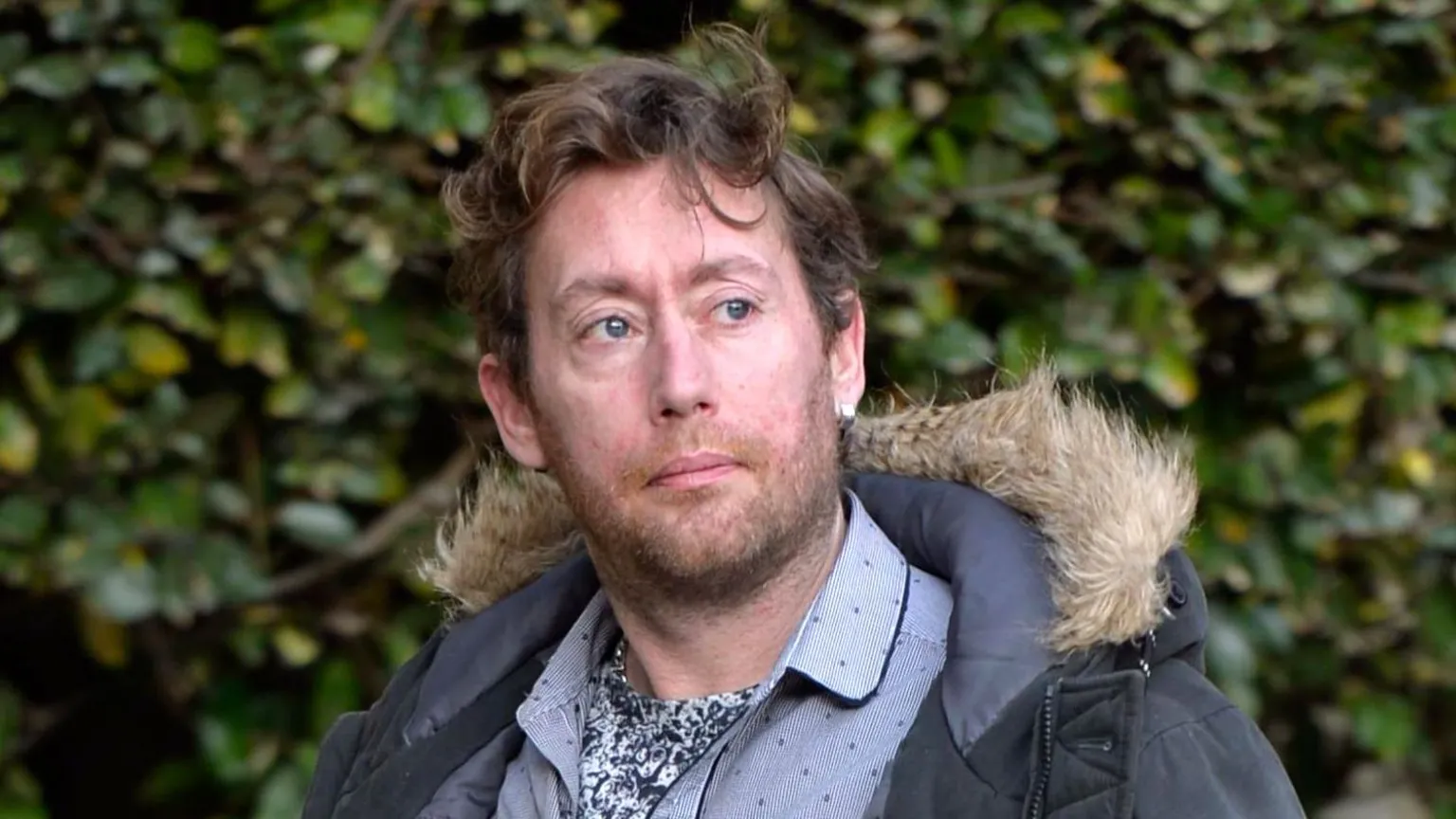
Buchan’s comments followed a landmark conviction of Lee Milne, 40, who received an eight-year prison sentence after being found guilty of causing the death of his wife Kimberly. Kimberly died by jumping from a bridge after enduring an 18-month abusive campaign.
During the trial, it was revealed that the 28-year-old victim had sent a text message describing how Milne had strangled her to unconsciousness in the weeks before her death.
According to COPFS, strangulation is the second most common method used in the murder of women in the UK, following knives or other sharp weapons.
Scotland remains the only UK nation without specific legislation addressing non-fatal strangulation (NFS), whereas England and Wales criminalised it in 2022, followed by Northern Ireland in 2023.
First Minister John Swinney indicated in December 2024 that he would consider new legislation if gaps in existing laws were identified, but no changes were made during the last parliamentary session.
'Increasingly prevalent'
Buchan described the rise in this "dangerous" act as "deeply concerning."
"In gripping, choking or strangling, hands are effectively being used as weapons and lives are endangered.
We know it takes very little pressure to stop someone taking their next breath. This is an extreme and distressing form of control.
Strangulation, in whatever circumstances it occurs, is an act that is both physically life-threatening and deeply traumatising. We are determined to tackle it."
She urged victims, who are predominantly women, to reject any perceived normalisation of NFS and to report incidents to the police.
"Deliberately choking a victim or sexual partner can quickly cause stroke, heart attack, internal injuries or death, as well as the terror of being unable to breathe or shout for help, which causes long-term trauma."
The conviction of Lee Milne was the first of its kind in Scotland.
The court heard that Milne repeatedly restrained Kimberly, dragged her around, locked her in their flat without food or money, violently assaulted her, and strangled her.
The prosecution successfully argued that Milne’s physical and psychological abuse significantly contributed to Kimberly’s decision to take her own life, making him criminally responsible.
'Normalised' controlling behaviour
Emma Forbes, Scotland’s procurator fiscal for domestic abuse, emphasised the importance of raising awareness about NFS due to its dangerous nature.
"We all need to better understand the dangers, but we especially need to protect those most at risk - young people and women," she said.
Addressing victims directly, Forbes added:
"If you are worried, please report. You will be believed and we will treat reports very seriously."
The organisation Assist, which supports domestic abuse victims through the criminal justice process, reported that around half of victims disclose experiencing strangulation as a method to exert control.
Fiona McMullen, Assist’s operational manager, described strangulation as one of the most "terrifying" forms of domestic abuse due to the uncertainty victims face regarding their survival.
"Around 50% of our clients tell us this has happened to them during a relationship or post-separation. They describe it as used to exert control over them.
The impact on physical and mental health is significant, including the risk of stroke, brain injury, depression, PTSD and suicide.
This impact is often underestimated, particularly if there are no visible injuries.
Many younger clients tell us that NFS is normalised not only as part of a sexual relationship but as part of physical abuse and coercive control.
We also know NFS is a risk marker for domestic homicide."
Support for issues discussed in this article is available through various organisations.


