

The Ancient Dance of Mayflies Along the Thames
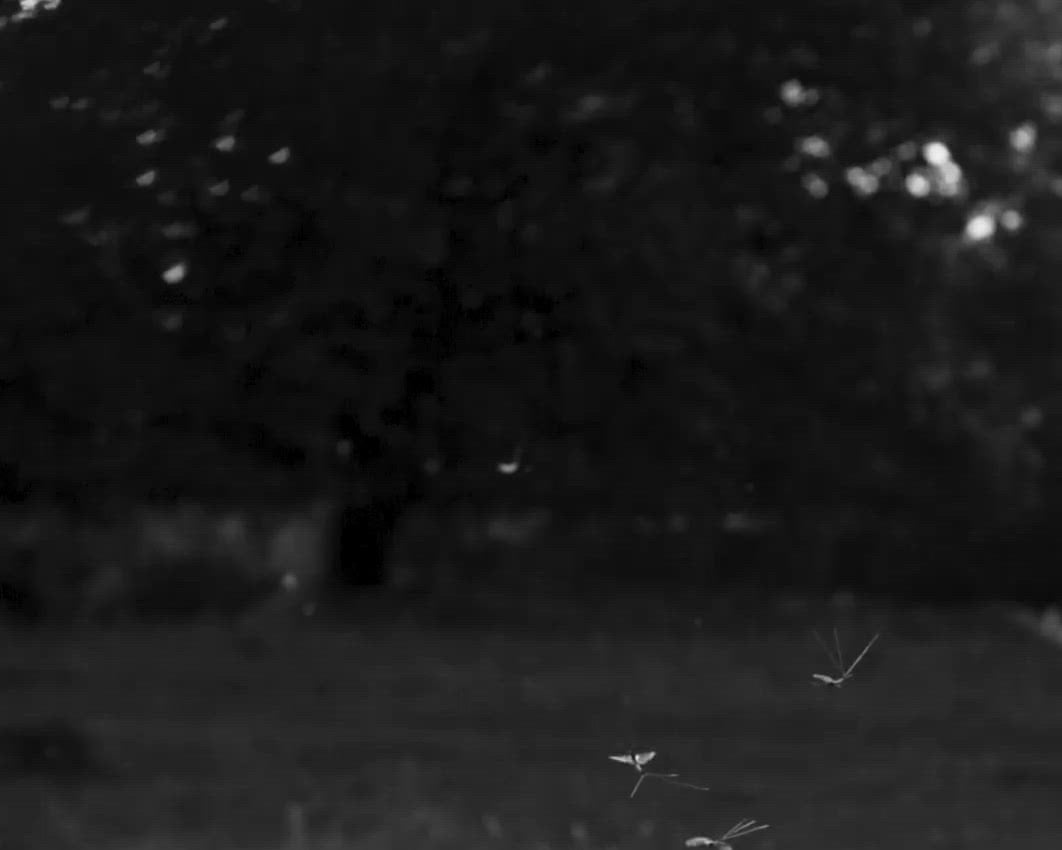
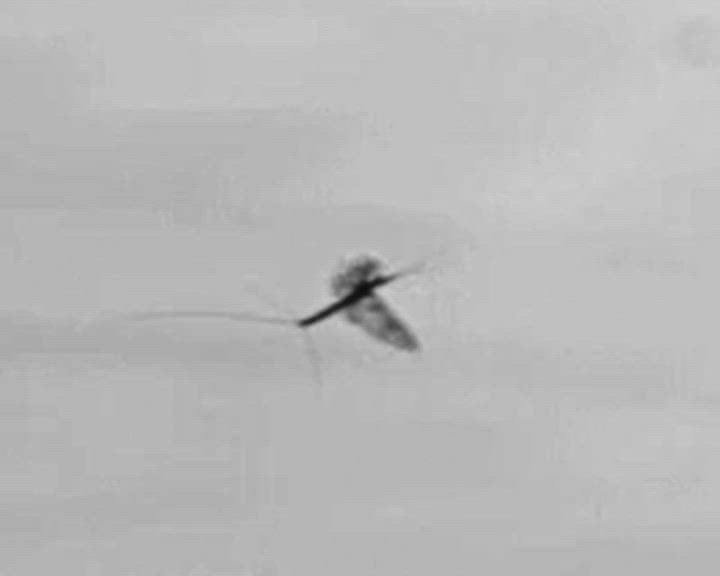
On a spring evening by the River Thames, thousands of mayflies perform what is considered one of the oldest aerial displays known. As daylight fades, male mayflies ascend steeply, invert themselves, and descend slowly with wings and tails extended in a skydiving posture, creating a distinctive vertical flight pattern.
Mayflies: Living Fossils from Pre-Dinosaur Times
Mayflies rank among the oldest winged insects, having appeared approximately 300 million years ago, predating the dinosaurs. Their form has remained largely unchanged over geological time, as evidenced by fossil records. Even ancient literature, such as the Mesopotamian Epic of Gilgamesh, references these ephemeral insects.
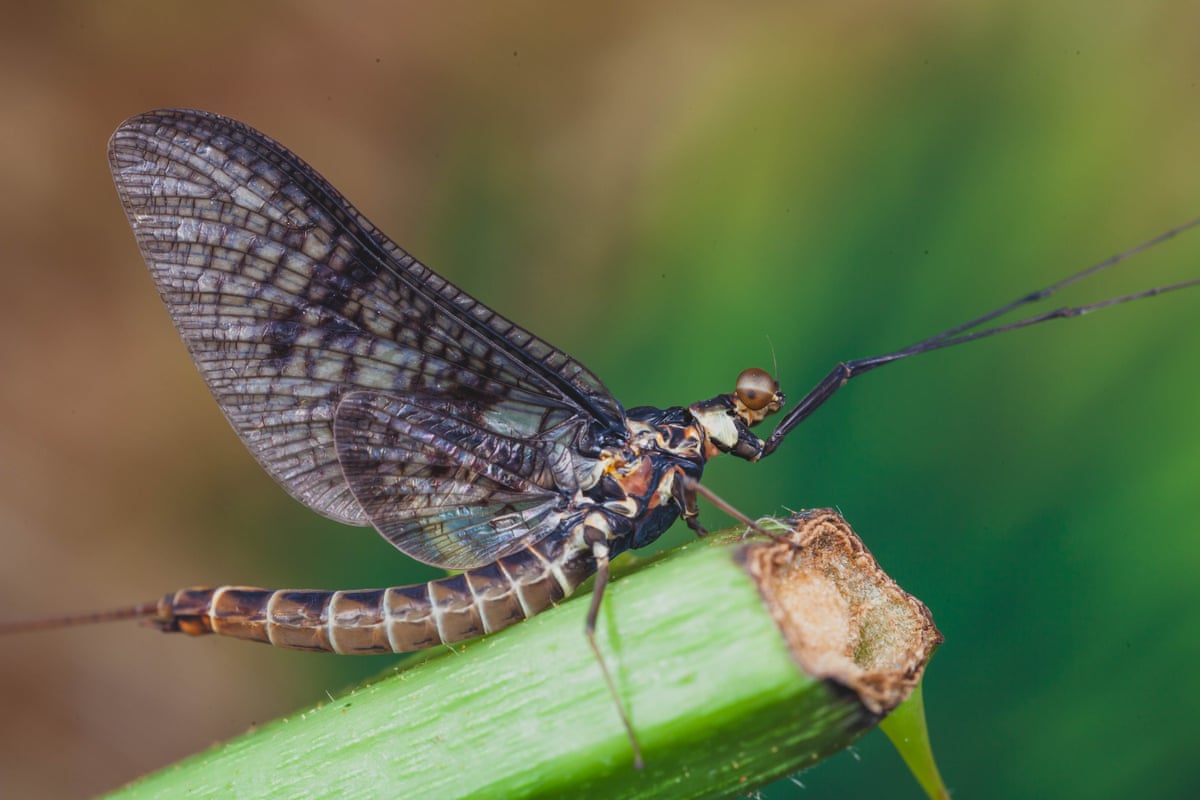
“They have retained these odd characteristics and we can probably assume that they’ve been doing this [dance] for hundreds of millions of years, and yet we don’t really know why,”says Samuel Fabian, a research fellow at the University of Oxford specializing in insect aerial behavior.
New Research Unveils Purpose of the Vertical Flight
Fabian and his team have recently published findings in the Journal of Experimental Biology that shed light on this enigmatic flight pattern. By filming large swarms of common mayflies in 3D in Richmond, London, the researchers reconstructed their flight trajectories to analyze their behavior.
The study reveals that male mayflies use the vertical flight pattern to distinguish between males and females within the swarm. Males predominantly fly vertically and rarely move horizontally above the swarm, a behavior characteristic of females.
Flight Behavior and Mate Recognition
Further simulations demonstrated that males cease pursuit when a target drops below the horizon. Fabian explains the challenges males face in mate recognition:
“The problem is that the males have almost no filter. You can give them a beach ball – which, as far as I’m concerned, looks quite different from a female mayfly – and males will go right up to that much larger object and try to mate with it.”
Low-light conditions complicate matters further, as females closely resemble males even at close range. By maintaining a position below females, males optimize their mating efforts. This strategy is vital given the mayflies’ brief lifespan, ranging from a few hours to several days, during which they must reproduce.
Conservation Concerns for Mayflies
Successful reproduction is essential for the survival of mayflies, which comprise over 3,000 species inhabiting freshwater ecosystems worldwide, including creeks, rivers, ponds, and lakes. However, many of the 51 species native to Britain are experiencing significant declines, a phenomenon scientists refer to as the "insect apocalypse."
Global studies estimate that 40% of insect populations are decreasing, with some research indicating even more severe losses.
Between 2015 and 2021, the conservation organization WildFish conducted a census of Britain’s chalk streams, which are among the cleanest freshwater habitats, fed by cool springs flowing through chalk aquifers. These environments support species highly sensitive to pollution.
The census revealed an average decline of 60% in mayfly populations compared to 1998 levels. Janina Gray, head of science and policy at WildFish, comments:
“In many lowland catchments, the spectacular hatches that once defined early summer have diminished dramatically, reflecting decades of mounting pressure on freshwater ecosystems. Pollution, sediment runoff, reduced river flows and rising water temperatures are all eroding the conditions these insects depend on.”
Additional research indicates that even low levels of pollution in many English rivers can kill up to 90% of mayfly eggs laid in riverbeds.
Encouragement to Appreciate the Mayfly Phenomenon
Fabian urges the public to observe and appreciate this ancient natural spectacle while it persists:
“This behaviour is something that pretty much everyone, at certain times of the year, should be able to see. These are quite urban places with lots of traffic, but they’re still hanging on and they’re still doing this dance that they have probably been doing since before Britain was separated from mainland Europe.”
For more information, readers can find additional coverage and follow biodiversity reporters in app for ongoing nature reporting.


