

Rural Crime Costs in Northern Ireland Increase Significantly
Recent figures indicate that the estimated cost of rural crime in Northern Ireland rose to £2.2 million in 2025, a development described by the Ulster Farmers' Union (UFU) as a "serious wake-up call" for farmers.
John McClenaghan, President of the UFU, highlighted that crime is placing additional pressure on farms that are already experiencing significant strain.
Research conducted by the farming insurance company NFU Mutual revealed that the estimated cost of rural crime in Northern Ireland increased by nearly 25% last year. This rise was notable as only Scotland (21%) and the North East of England (7%) reported increases in rural crime costs during the same period.
"The PSNI can only allocate resources based on demand, and this can only be done when the true extent of the problem is reflected through accurate and timely reporting," McClenaghan urged, emphasizing the importance of farmers reporting every incident, regardless of its perceived severity.
He further noted that farms are already operating under financial pressures, and the "additional burden created by theft, vandalism and other criminal activity" poses a significant threat to their long-term viability.
"The rise in crime is causing immediate and severe financial impact and undermining confidence," McClenaghan added.
Lauren Finlay, NFU Mutual's regional manager, remarked that local farmers are feeling "nervous" due to rural crime becoming "more organised and determined in its nature." She advocated for a "collaborative approach" to address the issue effectively.
What Does the Research Into Rural Crime Say?
NFU Mutual's analysis, based on claims submitted to the company, found that the overall estimated costs associated with rural crime across the UK decreased to £41.5 million in 2025 from £44.1 million in 2024.
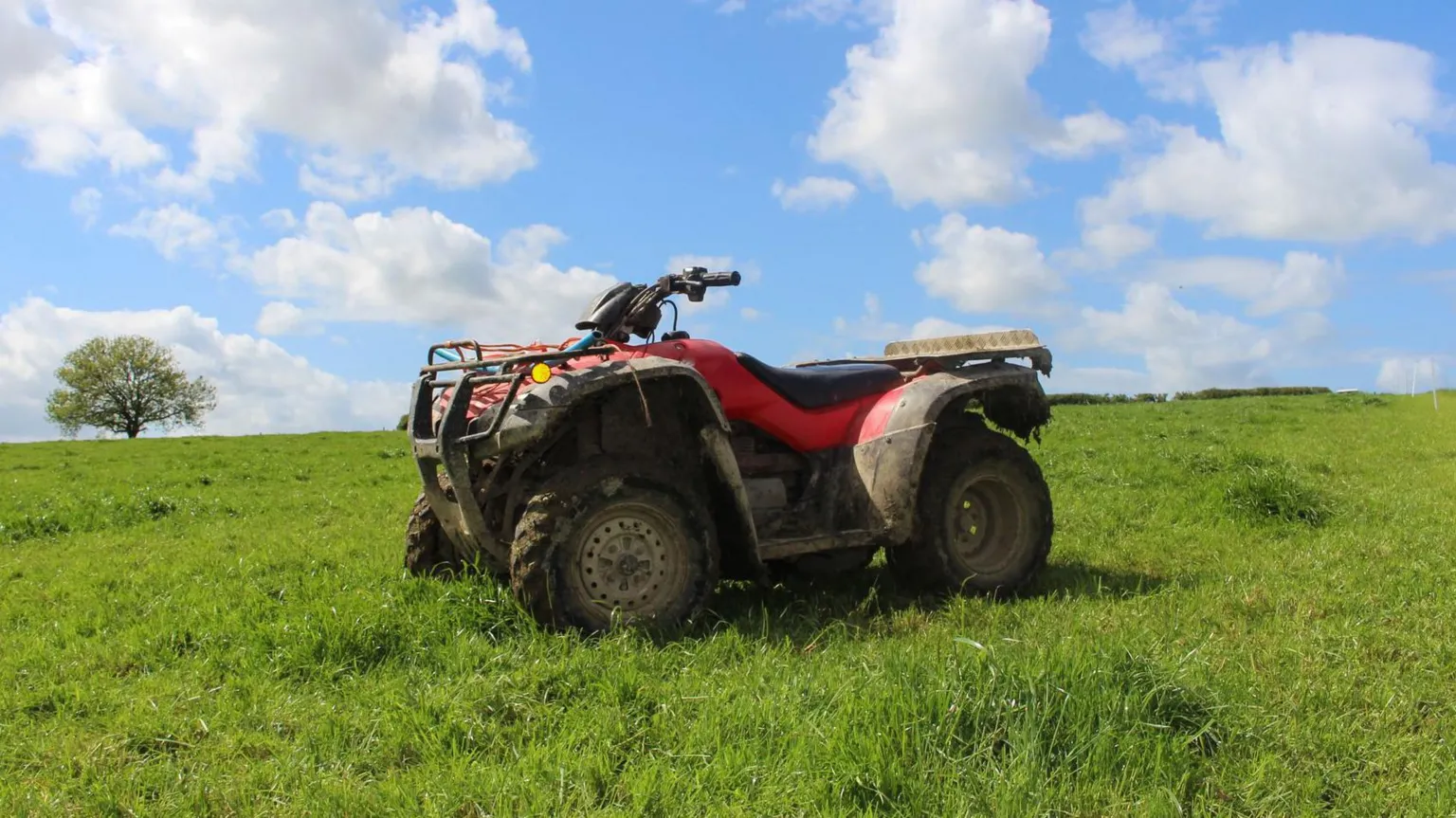
Among the findings was a significant increase in the theft of quad bikes, particularly in Northern Ireland, while the theft of global positioning system (GPS) units declined by 80% across the UK. This reduction followed targeted efforts by law enforcement and the agricultural industry.
Additionally, the research indicated that livestock crime has become "highly organised."
Finlay explained that the theft of animals can have a profound impact on farmers.
"It's really hard potentially to replace some of the bloodlines and some of the attachment that is linked to those animals.
There is the mental impact and I think when family farms feel targeted, they feel apprehensive, they feel nervousness, that potentially they're being stalked, they're being watched.
And that's a really uncomfortable place to be, considering that your workplace is your home."
She also noted that many farmers feel they are being targeted "repeatedly," which adds to the pressures they face.
Hannah Binns, NFU Mutual's rural affairs specialist, described the organised nature of rural crime as a "relatively new threat" and stressed the importance of collaboration between different sectors in responding to it.
"It is helping drive down crime in many areas," Binns said. "However, the increased cost of rural crime to Northern Irish farmers shows that we cannot afford to be complacent, and that organised criminals will continue to find new ways to target farmers."
She further emphasized that the impact of rural crime extends beyond financial losses, stating it "undermines trust and connection, often leaving a trauma that can remain with farmers, their families and wider communities for a lifetime."
How Can Farmers Protect Themselves?
Finlay pointed out that the rising price of agricultural machinery makes it increasingly attractive to thieves.
She cited the decline in GPS unit thefts as evidence of the benefits of sharing information and best practices within the agricultural sector.
McClenaghan outlined practical measures farmers can adopt to reduce their risk of being targeted or to improve the chances of recovering stolen items.
"Practical measures such as documenting machinery, keeping photographic records, investing in tracking technology, and utilising initiatives like trailer marking and freeze-branding livestock can play an important role in deterring crime and improving recovery rates.
In parallel, policymakers need to ensure that the PSNI have the powers to tackle rural crime effectively on the ground, and the UFU is taking that message to Stormont."


