
Introduction to the Rothienorman Battery Storage Project
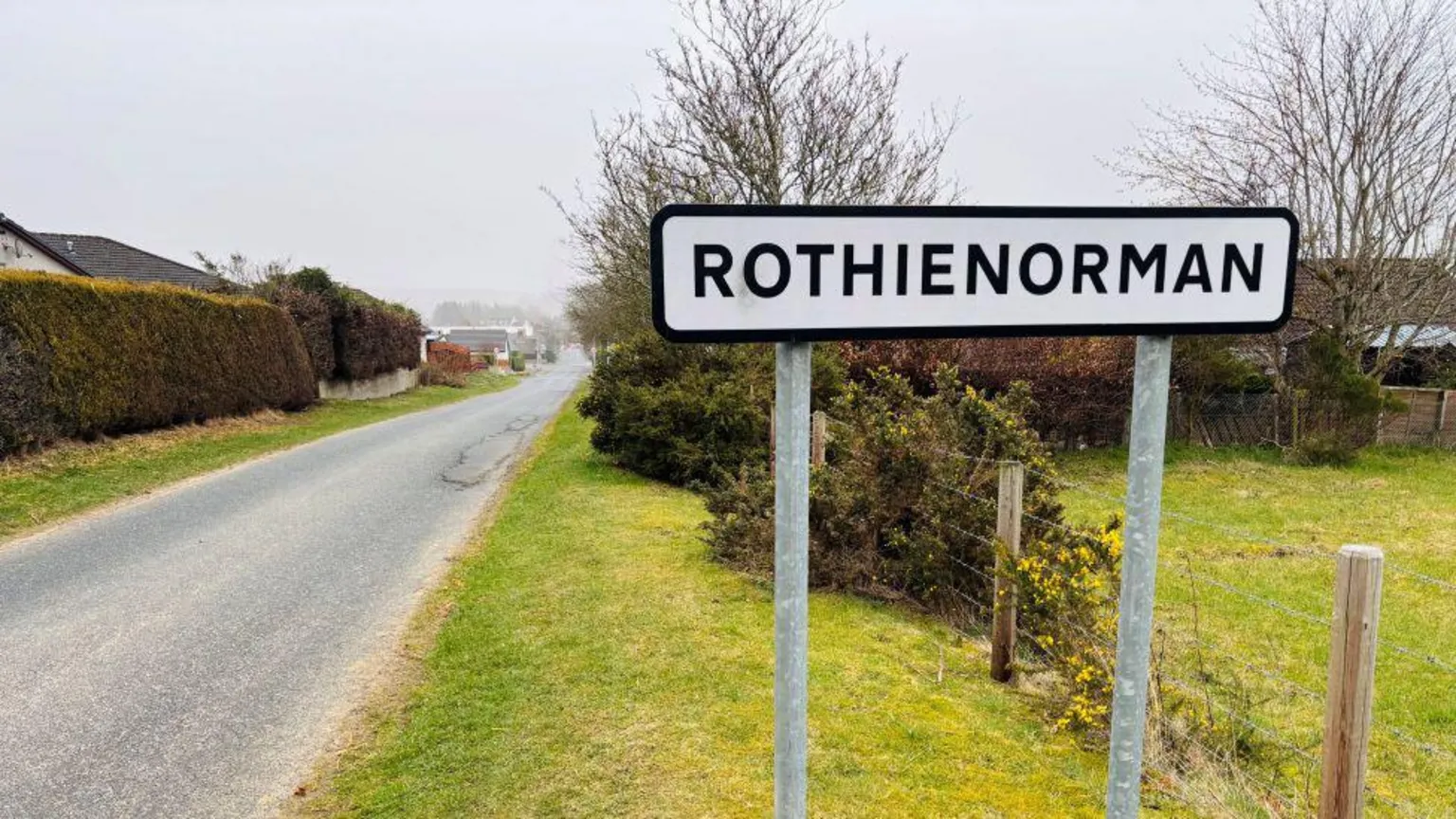
When Marguerite Fleming and her husband Frank Richards relocated to Aberdeenshire, their intention was to leave city life behind and embrace a rural lifestyle. Eleven years later, they face the possibility of a substantial battery energy storage facility being constructed near their home in the countryside close to Rothienorman.
The proposed 500MW battery storage installation, designed to store renewable energy, would cover an area equivalent to more than 20 football pitches. It is among hundreds of similar projects planned across Scotland, many of which have sparked controversy. The Rothienorman project has also drawn opposition from local residents, including Marguerite and Frank, who have expressed concerns about fire safety and noise.
Experts emphasize that battery energy storage sites are essential to Scotland’s shift from oil and gas to renewable energy sources. The Scottish government’s Energy Consents Unit (ECU) currently holds the decision on the Rothienorman project’s future.
Giant batteries like the one proposed are used to store surplus renewable energy, which can then be supplied to homes during periods of low energy production.
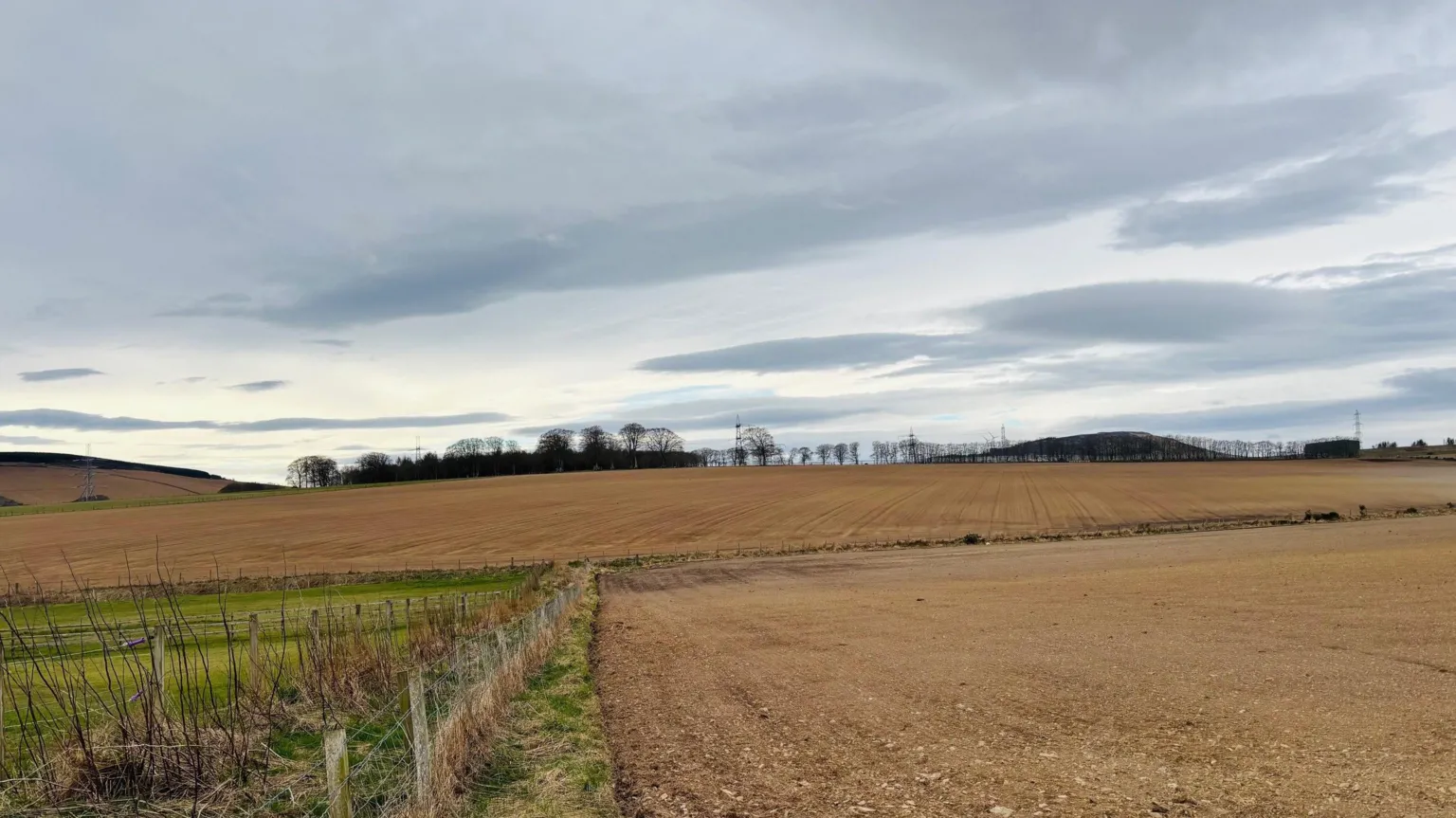
The Rothienorman facility is planned to have a storage capacity of one gigawatt-hour (GWh), sufficient to power up to 500,000 homes for two hours. If approved by Scottish ministers, construction will take place on a 16-hectare (40-acre) site adjacent to a local substation, facilitating energy transfer.
Residents’ Perspectives and Concerns
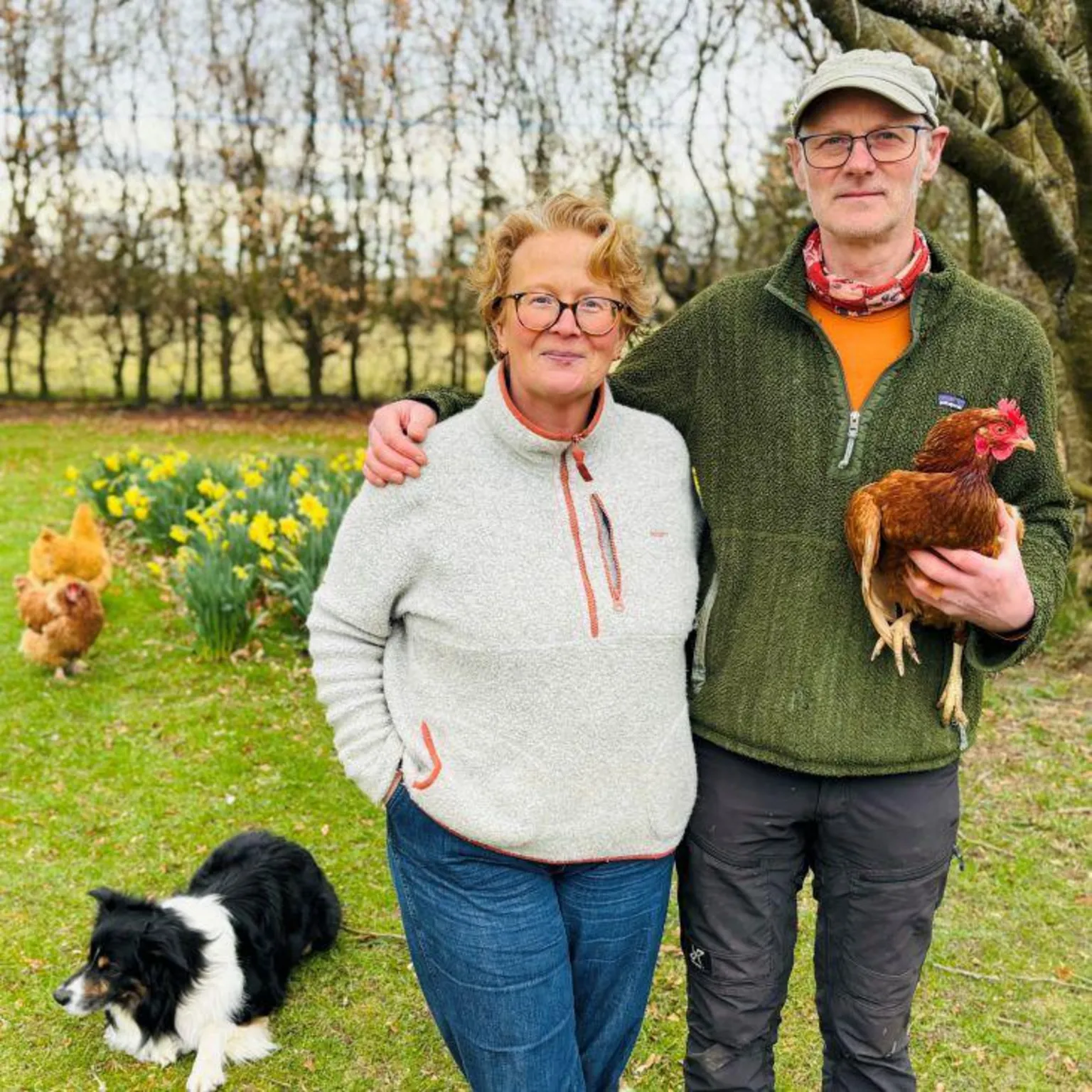
Marguerite, 56, and Frank, 60, moved to the area from Aberdeen in 2015. Both have backgrounds in geology and the oil and gas industry. Marguerite currently operates a wool business from their home.
"We moved here to live a rural life on a smallholding with sheep and hens, just to have a life away from an urban setting - not to be living on an industrial estate,"
Marguerite told BBC Scotland News.
"This 500MW facility is pretty much facing where our house is. It's enormous, an entire field. You look at that field and go 'oh my God'. It will completely change the landscape for the people who live here. The objection is not just nimbyism, it's huge and out of place in this rural landscape."
Blackford Renewables, the developer behind the Blackford Energy Park scheme, stated that it conducted consultations with local residents before finalizing the plans.
Marguerite further expressed her primary concern:
"Our biggest concern is fire, what that might do in terms of where we live, would we be able to get away from our house in time if there was a fire? We appreciate that the risks for a fire are low, but there is a risk there, and it's a very scary prospect. It's terrifying for people who live here."
Frank added:
"How people would escape in the event of a fire needs to be addressed. It has fallen through the gaps so we hope the ECU looks at that. We have to have faith they will make a fair decision. It's not just we do not want this next to us, it's way beyond that. Never in our wildest dreams did we think something of this size could be next to us."
The developer has affirmed its commitment to maintaining the "highest safety standards."
Importance of Battery Storage in Scotland’s Energy Transition
Scotland’s electricity infrastructure is undergoing significant changes. Large-scale battery storage facilities, such as the one proposed near Rothienorman, play a crucial role in this transformation.
As fossil fuels are phased out and replaced by wind and solar power, which are variable due to weather conditions, energy storage becomes essential to ensure a reliable supply during periods of low generation.
Distributed generation across the country helps balance supply, as conditions vary regionally. However, the ability to store energy is vital for balancing supply and demand on the grid. The Rothienorman site is considered ideal due to the proximity of a large substation, allowing efficient energy transfer and storage when supply exceeds demand.
Similar community disputes are occurring nationwide. The grid operator has indicated that battery storage capacity must increase fourfold by 2030, suggesting that more such conflicts may arise.
Community Response and Local Leadership
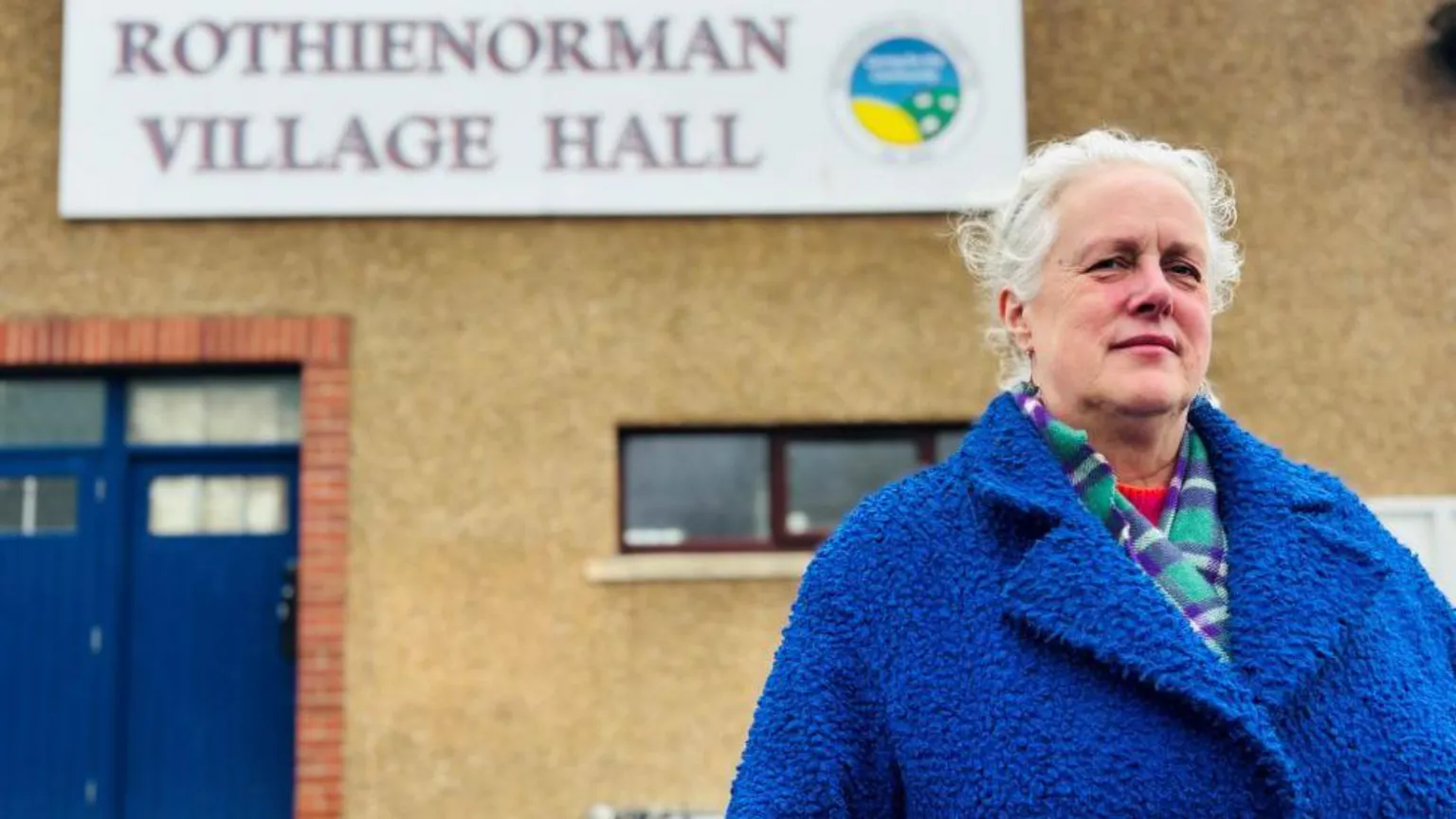
Elaine Bryson, 65, a community councillor and chairwoman of the Rothienorman Community Association, described the local sentiment:
"People are frightened and angry, and the icing on the cake is the village does not really benefit."
She noted that any economic benefits, such as increased business for B&Bs and shops during construction, would be temporary.
"Maybe B&Bs and shops [while it is being built], but that is temporary."
Elaine added that due to the scale of the project, she had not encountered much support within the community.
"You cannot put on a rural village this scale of industrialisation. I would imagine some people in the village do not even know, information is fragmented. People are having their futures demolished. They are trapped. There is shock and anger and fear for what it means for the community."
Additional Local Perspectives
Katie and Neil Sime moved to their home near the proposed project site in 2013. They have two children aged nine and eleven.
"It's not about 'we hate renewable energy', it has its place,"
Katie, 46, said.
"We also understand that farmers need to diversify. But you cannot have an area so small and rural have a 500MW field of containers. This is not an industrial environment. There is also a road safety issue due to increased traffic. We are entitled to fight this."
Another nearby resident, who wished to remain anonymous, expressed concerns about property values and visual impact:
"We moved here because we love this area. It will be an absolute eyesore. My house will be virtually worthless."
Developer’s Statement and Safety Commitments
A spokesperson for Blackford Energy Park emphasized the benefits of battery energy storage systems:
"Battery energy storage systems contribute to energy security, and, importantly, help to create a more efficient, resilient, and affordable energy system."
The spokesperson added that the developer had actively sought feedback from the local community and stakeholders throughout the public consultation process to inform the project design.
They also noted that the design leverages the site's natural topography to minimize visual impact and that equipment selection was made to reduce noise.
Regarding fire safety, the statement said:
"We take local concerns about fire safety very seriously, and we are committed to maintaining the highest safety standards through the use of advanced technology, fire safety systems and close coordination with emergency services."
Official Responses and Current Status
Aberdeenshire Council, a formal consultee on the project, submitted an objection to the ECU unless various conditions are met to ensure appropriate environmental controls.
A spokesperson for the Scottish government stated:
"As this is a live planning application, it would not be appropriate to comment."


