RSPB Scotland Purchases Bass Rock and Craigleith Island
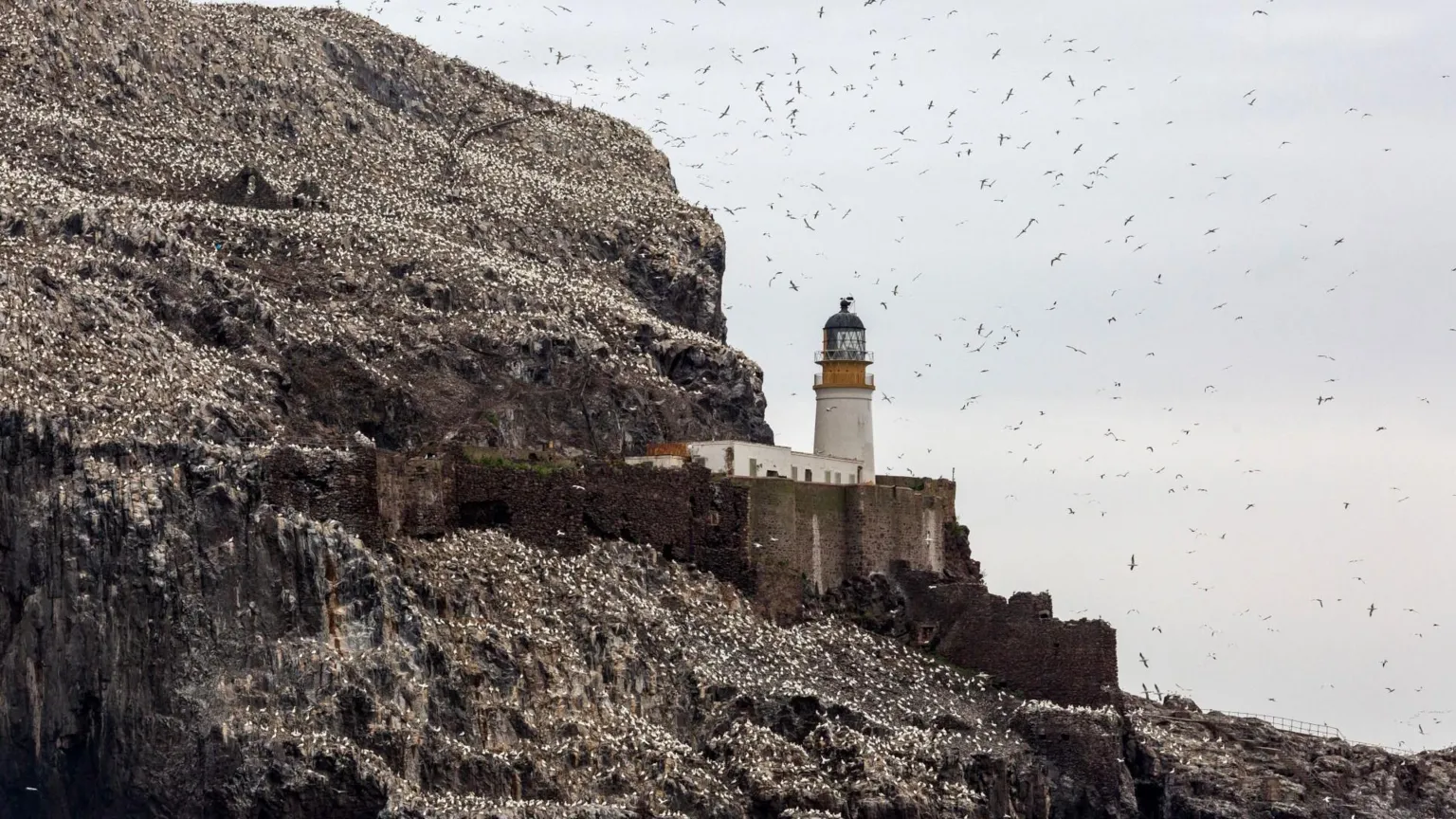
Bass Rock, located in the Firth of Forth and home to the world's largest colony of northern gannets, has been acquired by the conservation charity RSPB Scotland.
The island lies three miles off the coast of North Berwick and had been under the ownership of the Hamilton-Dalrymple family for 320 years.
A grant of £586,000 from the National Heritage Memorial Fund contributed to the purchase, which included the neighbouring Craigleith Island, known for hosting approximately 10,000 puffins.
RSPB Scotland stated that this acquisition will support efforts to address the significant decline in seabird populations observed in recent years.
Island Features and Ownership Details
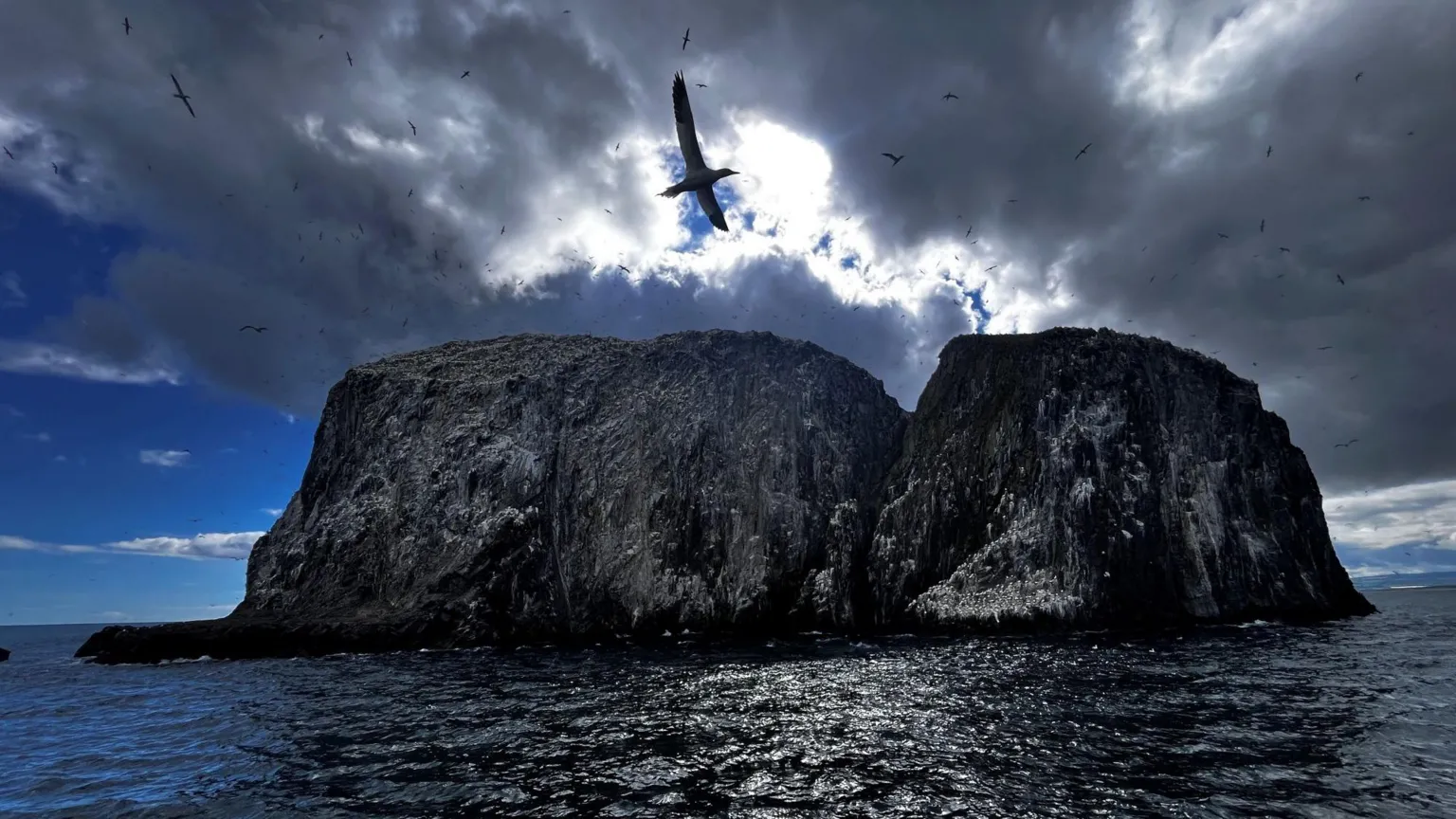
The prominent island rises 350 feet (106 meters) above sea level and features a lighthouse as well as the remains of an ancient castle. It is uninhabited.
The island’s distinctive white appearance is due to bird droppings, or guano, which cover its surface and produce a characteristic smell. Beneath this, the volcanic rock is dark grey and brown.
The total sale price has not been disclosed; however, BBC Scotland News reports that it was below market value.
Conservation Importance and Challenges
RSPB Scotland emphasized that acquiring these islands is timely, as over 70% of seabird species are experiencing population declines.
The organization identified key threats to seabirds including climate change, food scarcity, invasive species, and human activities.
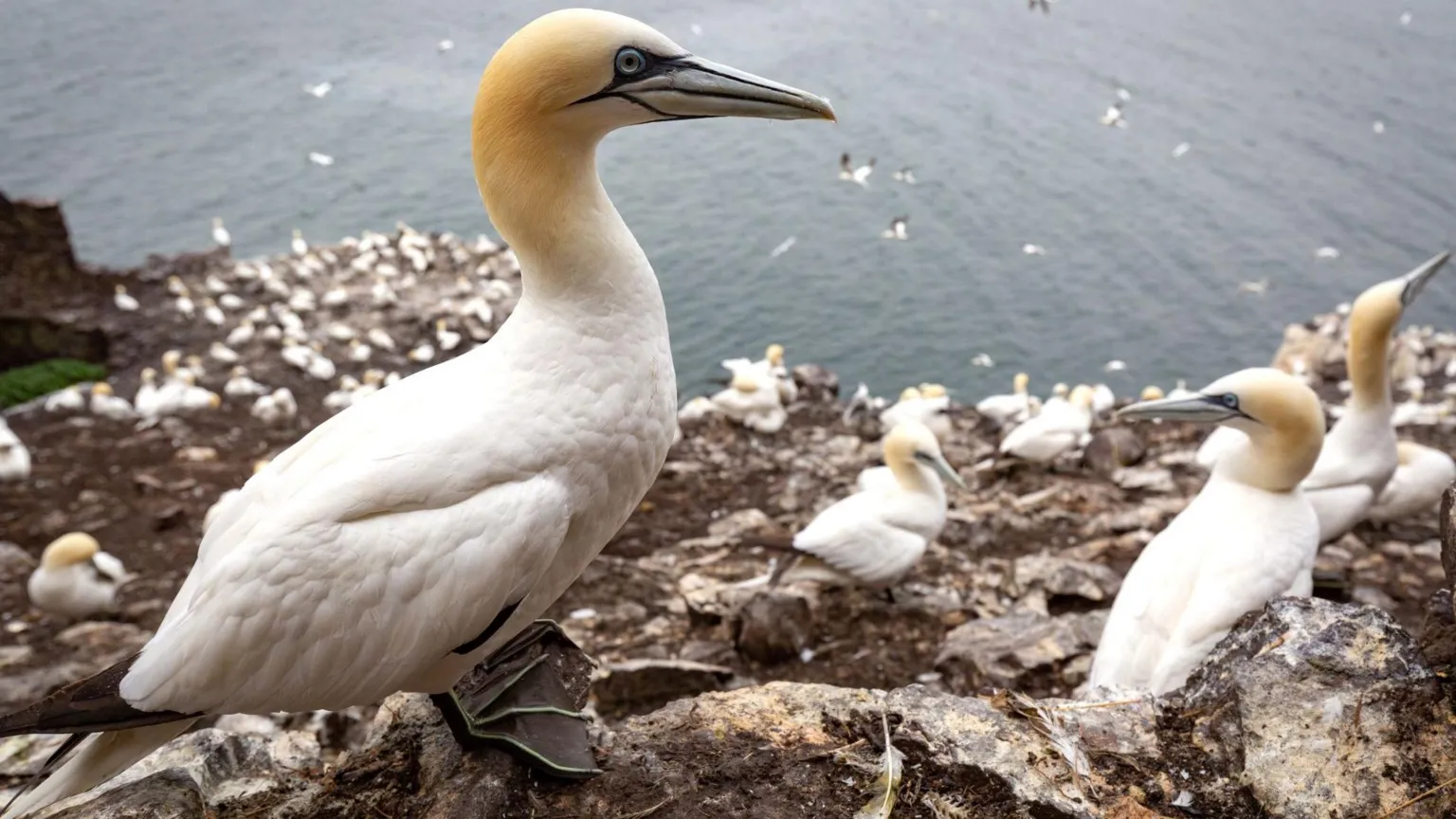
Bass Rock has been designated a Site of Special Scientific Interest (SSSI) for nearly 75 years and supports a colony of about 100,000 gannets.

Statements from RSPB Scotland and Conservation Plans
Anne McCall, director of RSPB Scotland, expressed enthusiasm about the acquisition and highlighted plans to collaborate with the Scottish Seabird Centre to protect and enhance the bird colonies.
"With the pressures facing Scotland's seabirds intensifying, we have a responsibility to act," she said.
"This partnership gives us the opportunity to drive forward seabird recovery at this crucial time."
The gannet colony suffered significant losses due to bird flu during 2022/23, but researchers report that populations are recovering. The most recent survey indicates that numbers have rebounded to approximately two-thirds of their peak population of 150,000.
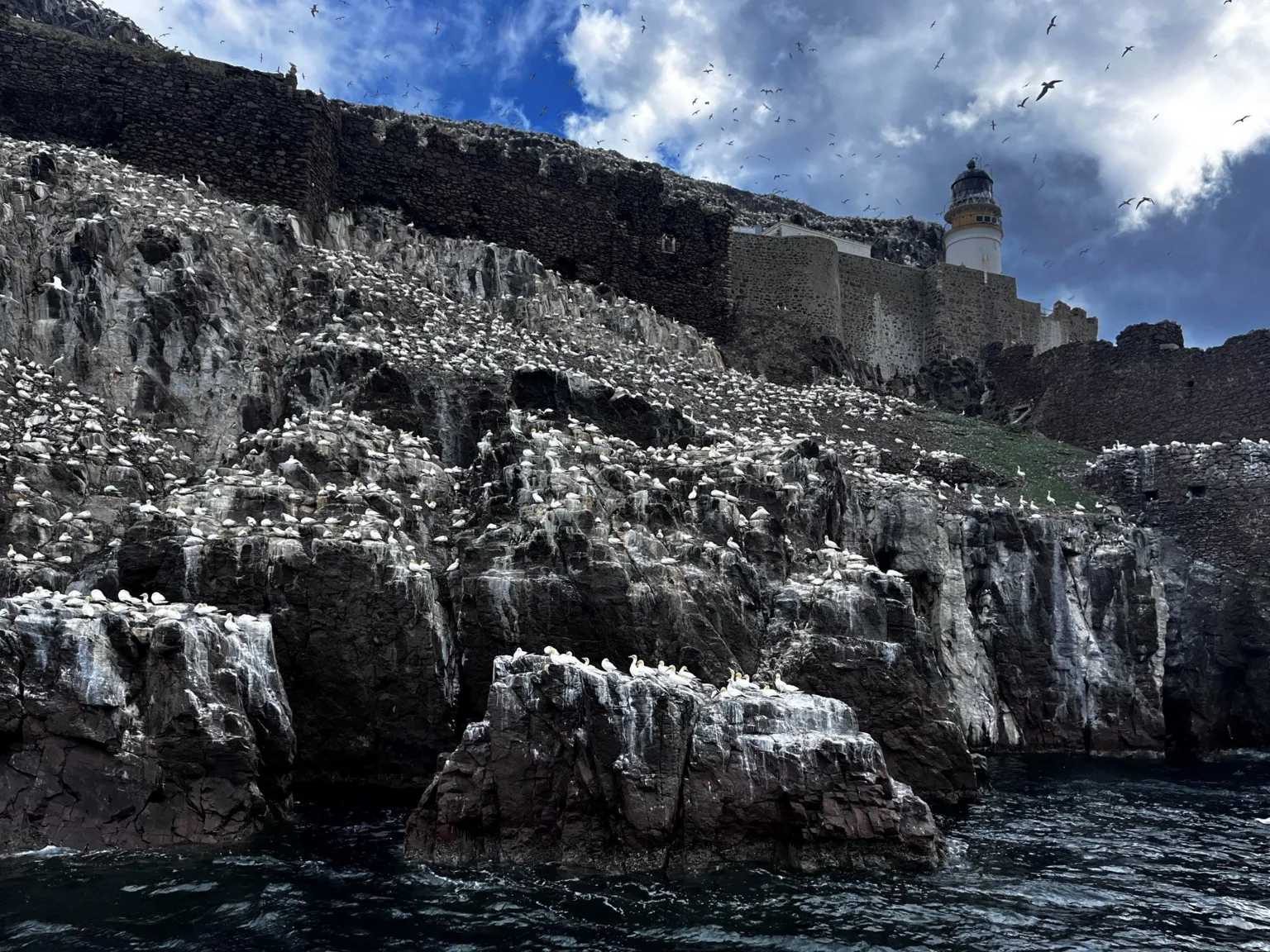
The change in ownership is expected to facilitate conservation measures aimed at protecting and increasing bird populations.
Historical Context and Family Perspective
Bass Rock was originally purchased by Sir Hew Dalrymple in 1706. Historically, the island served as both a religious site and a prison for political detainees.
His descendant, also named Sir Hew Dalrymple, expressed satisfaction in transferring stewardship of both islands to RSPB Scotland, believing the charity is better equipped to safeguard them.
"It is clear the seabird colonies of the Forth now face unprecedented challenges, most notably from wind turbines, pollution, overfishing and disease," he said.
"I believe that RSPB Scotland is the organisation best equipped to take up this challenge."
Regional Significance and Environmental Advocacy
The Firth of Forth is recognized as an important refuge for seabirds. Nearby, the Isle of May, managed by NatureScot, provides sanctuary for birds and seals.
RSPB Scotland previously initiated a legal challenge against plans for an offshore wind farm in the outer Firth of Forth, contending that government ministers had not fully assessed the potential impact on rare wildlife.
The charity initially won the case, but the decision was overturned on appeal. The 54-turbine Neart na Gaoithe wind farm is now operational.
Future Conservation and Public Engagement Initiatives
RSPB Scotland plans to work with the Scottish Seabird Centre in North Berwick to develop a conservation strategy for Bass Rock and Craigleith Island. This plan will include research and monitoring of bird populations to better understand the challenges they face.
A new visitor attraction will be established at the seabird centre, featuring live 360-degree cameras that allow the public to virtually observe puffins and gannets up close.
The conservation organization noted a significant increase in birdwatching as a hobby in recent years, particularly among individuals aged 16 to 29.