20th Anniversary Celebrations for the Royal Regiment of Scotland
Events are underway to commemorate the 20th anniversary of the Royal Regiment of Scotland, with a senior officer emphasizing the occasion as an opportunity to honour "everyone who has served with us."
The regiment, which recruits from communities across Scotland and beyond, was established on 28 March 2006 through the amalgamation of six of Scotland's historic infantry regiments.
This formation was part of a broader restructuring of the British military introduced by the Labour government at the time.
It remains Scotland's sole infantry regiment and holds the distinction of being the senior line infantry regiment within the British Army.
Operational History and Current Commitments
Since its inception, the Royal Regiment of Scotland has been among the most actively deployed units in the British Army, with operational tours in Iraq, Afghanistan, and Bosnia, as well as recent NATO missions in Europe and the Middle East.
The regiment's soldiers continue to play a prominent role in major international exercises and maintain high-readiness commitments, including deployments from Cyprus, where they are prepared to deploy within hours across Europe, the Middle East, and Africa.
In addition to overseas duties, the regiment has contributed significantly to domestic operations, providing support during flooding, wildfires, and the Covid-19 pandemic.
Commemorative Events and Symbolic Acts
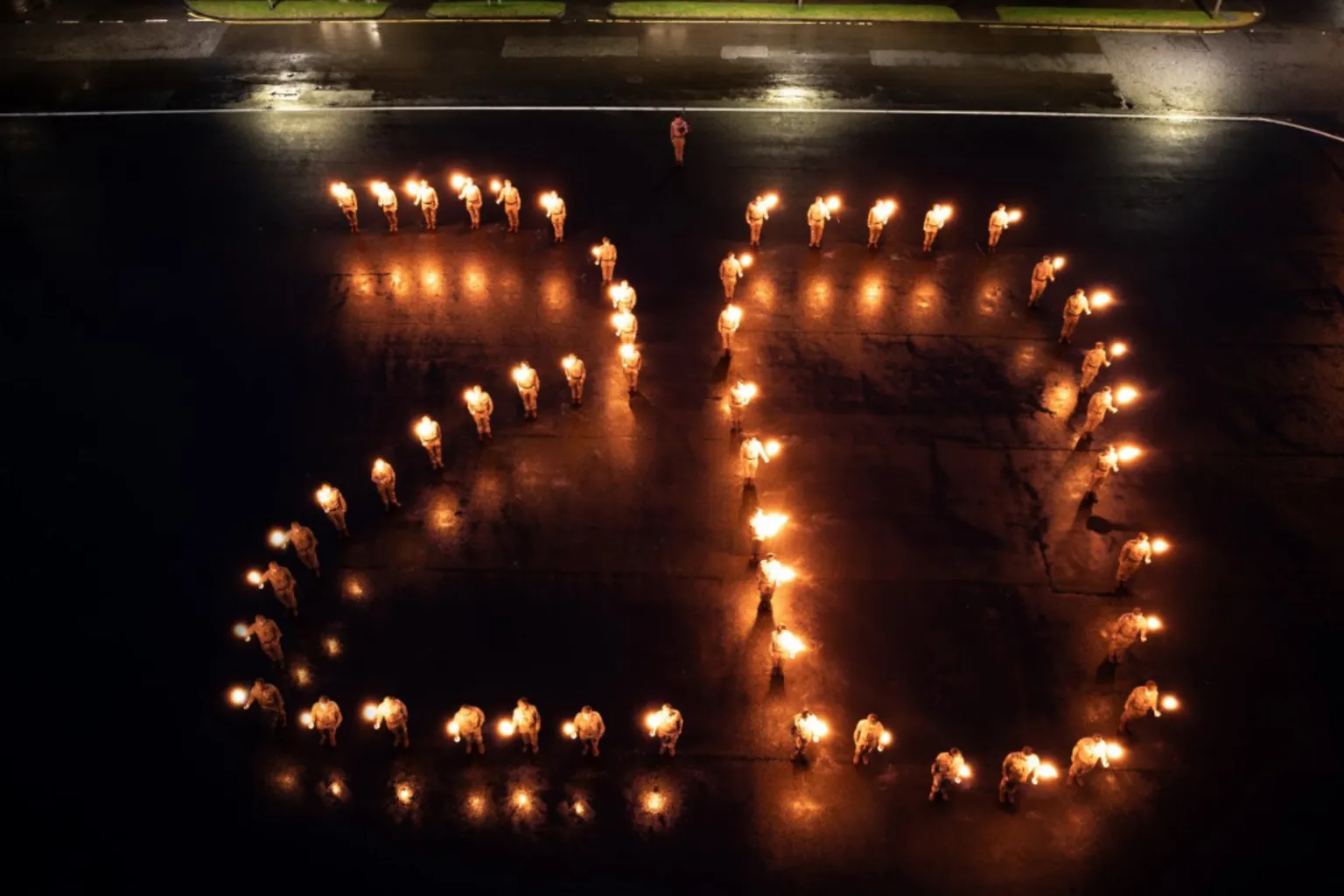
To mark two decades since its formation, soldiers from the regiment assembled to form the number 20 with torches at Glencorse Barracks near Edinburgh, an act described as a "powerful symbol of unity, service and pride."
Last year, the regiment granted television cameras access to its barracks for the first time for The Troops, a limited docuseries broadcast on BBC Scotland and BBC .
Additional events are planned over the weekend across service communities, including a public parade, a "muster march," and an act of remembrance in Edinburgh. These gatherings will unite serving personnel, veterans, and families from across Scotland.
Further commemorations are scheduled throughout the year, highlighted by the unveiling of a new sculpture in Princes Street Gardens, Edinburgh, on 1 July.

The sculpture will feature a bronze reclining lion guarding the SCOTS cap badge, symbolizing the regiment's enduring connection to Edinburgh and providing a place for reflection for future generations.
Leadership Reflections on the Regiment's Legacy
Lieutenant Colonel Ollie Bridle, commanding officer of the 2nd Battalion, The Royal Regiment of Scotland (2 SCOTS), stated:
"We're proud to be marking 20 years of The Royal Regiment of Scotland.
Over that time, the regiment has brought together generations of soldiers, united by a shared identity, heritage and sense of service, all under one cap badge."
Historical Context and Preservation of Traditions
The decision to amalgamate six historic regiments was met with controversy at the time, with calls to reverse the move.
The campaign group Save the Scottish Regiments organized marches and rallies opposing the amalgamation, citing concerns over the loss of tradition and local identity.
Nonetheless, many traditions of the former regiments were preserved when the Royal Regiment of Scotland was formed, with the predecessor regiments becoming battalions within the new structure.
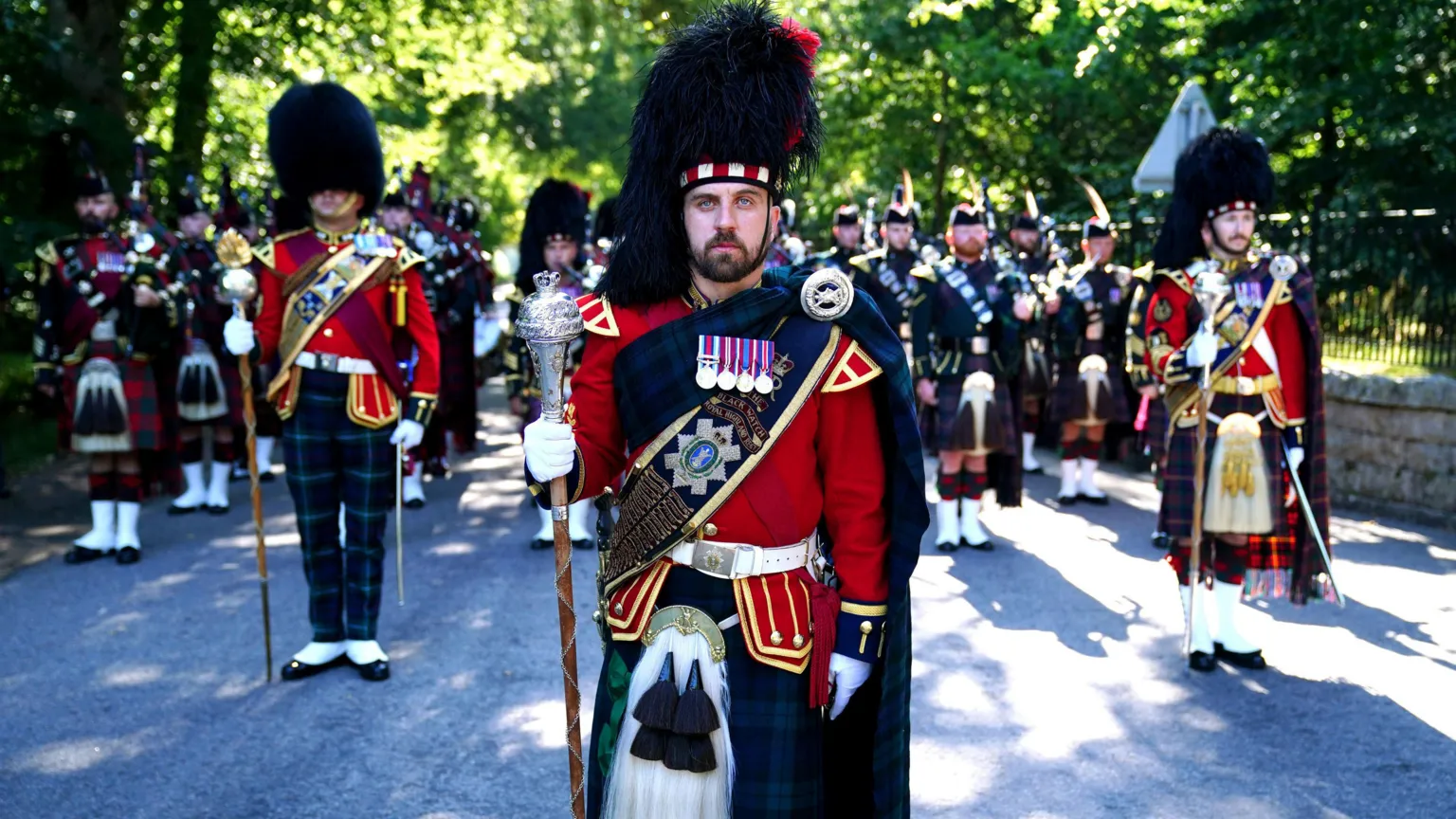
Three battalions continue to maintain the pipes and drums of their former regiments.
Lieutenant Colonel Bridle added:
"We were founded on the legacy of historic Scottish infantry regiments, representing over 390 years of continuous service.
Today, we stand as one regiment with a clear identity and purpose.
SCOTS soldiers are tough. They're strong. They've got that sense of humour that you need on the hardest days.
They face problems head-on and when it's done, they move forward and don't look back."
Significance of the Anniversary
On the importance of the milestone, Lt Col Bridle remarked:
"This anniversary is about recognising everyone who has served with us, our veterans, our fallen, and those serving today, whether at home or overseas.
It's also about looking ahead to the next generation and the important role that SCOTS soldiers will continue to play in the years to come."
Notable Visit by US Talk Show Host
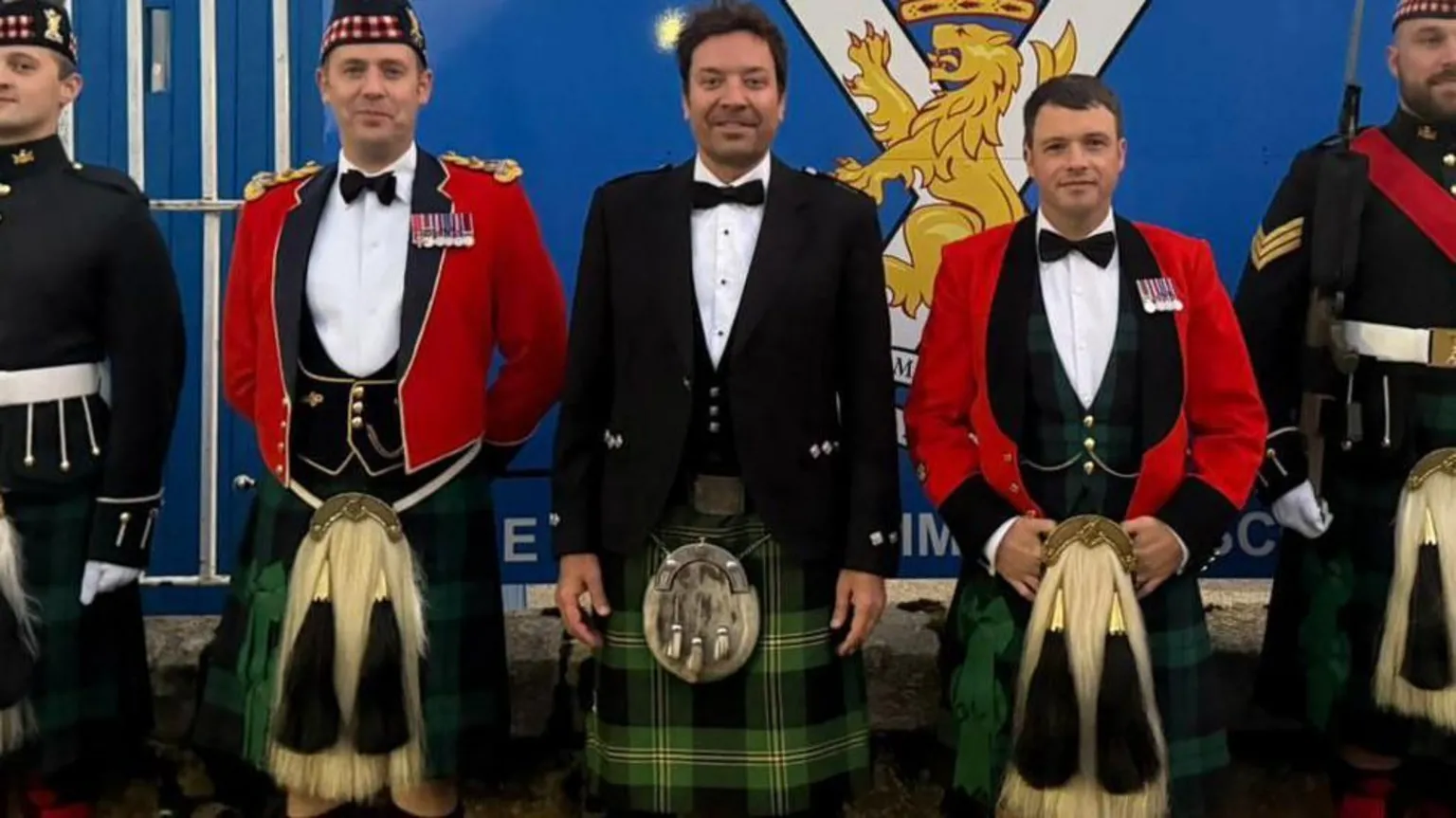
In October of the previous year, US talk show host Jimmy Fallon was unexpectedly invited to a black-tie dinner with soldiers from the regiment during a trip to Aberdeenshire.
The comedian was welcomed at Victoria Barracks in Ballater by officers from the 5 SCOTS regiment, who served him Scotch eggs and Buckfast.
Fallon later commented that his hosts were "psyched" that he wore a kilt and that he "had the best dinner ever."
Royal Engagement
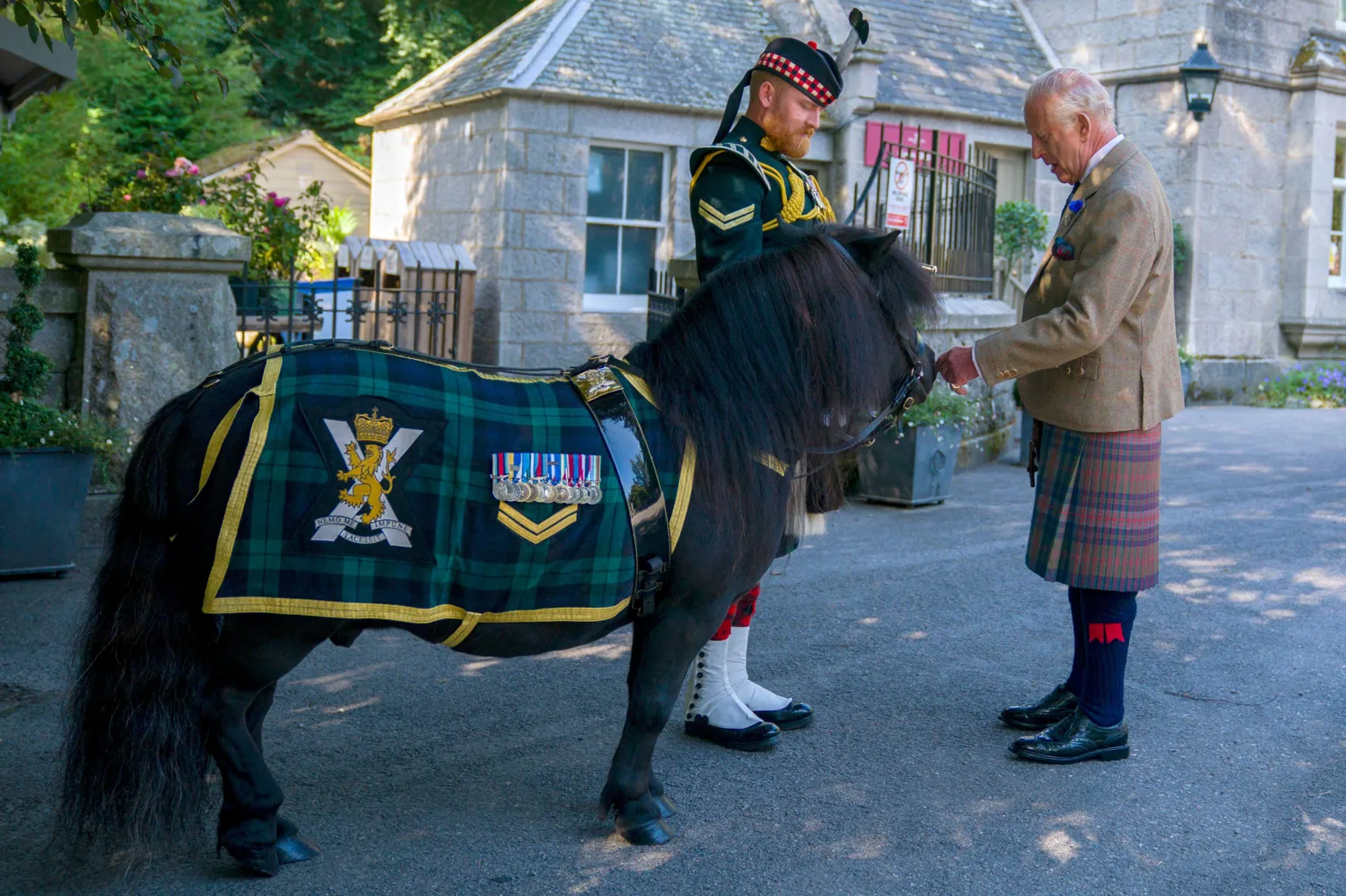
King Charles III met Shetland pony Corporal Cruachan IV, the mascot of the Royal Regiment of Scotland, during an inspection at Balmoral last year, underscoring the regiment's ongoing ceremonial and public profile.