
Grooming Gang Leader Released from Prison
Shabir Ahmed, the leader of a Rochdale grooming gang that abused girls as young as 12, has been released from prison.
Known as 'Daddy' by his victims, Ahmed was sentenced to 22 years in prison in August 2012 for numerous child sexual offences, including rape.
This week, his victims were informed that he would be released on licence. Despite earlier assurances, he cannot be deported due to legislation dating back to 1971.
The BBC understands that the 73-year-old was released earlier than expected and is currently residing in secure accommodation, wearing a GPS electronic monitoring tag.
The Home Office has stated that any violation of Ahmed's strict licence conditions will result in his immediate return to prison.
Earlier, government ministers indicated they were exploring options to deport Ahmed to Pakistan.
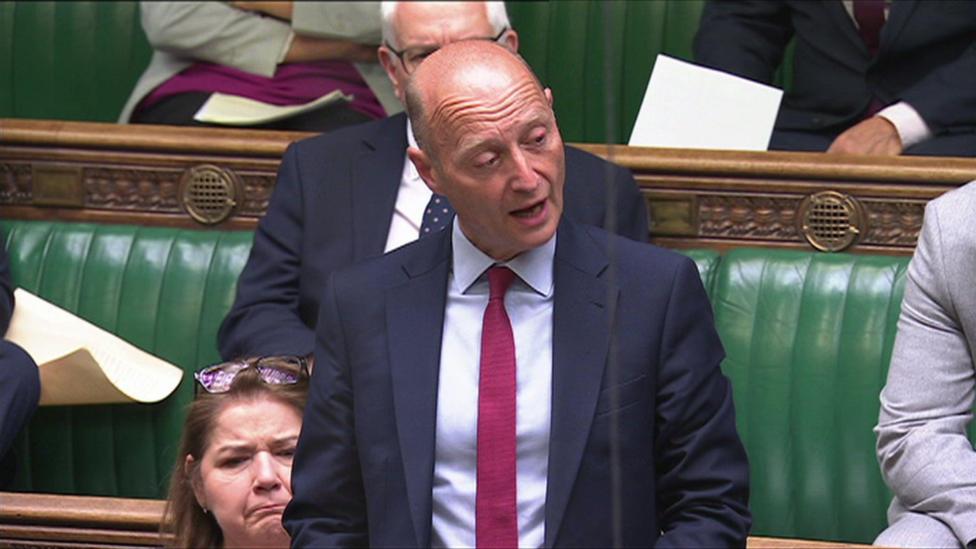
In response to a question from Labour's Rochdale MP Paul Waugh, the Leader of the House, Sir Alan Campbell, said officials were "exploring every option in this case." However, Downing Street later confirmed there are no plans to amend the 1971 legislation.
'Every Movement Will Be Tracked'
A No 10 spokeswoman said:
"Ahmed's horrific crimes were at the heart of the grooming gangs scandal that represents one of the darkest moments in our country's history.
He will rightly be on the sex offenders register for life, ordered to stay away from his victims and banned from contacting any child or young person.
His every movement will be tracked, and forced to wear an electronic tag."
Ahmed arrived in the UK in the late 1960s and held dual British and Pakistani citizenship at the time of his conviction.
His British citizenship was revoked by the courts following his imprisonment, and it was anticipated he would be deported upon completion of his sentence.
However, victims were recently informed that provisions under the Immigration Act 1971 prevent the removal of any Commonwealth citizen who arrived in the UK before 1973 and has been resident for at least five years.
Paul Waugh, Labour MP for Rochdale, has urged the government to ensure Ahmed's victims never have to encounter him in the community.
On Wednesday, Andy Burnham, expected to become Labour leader and Prime Minister in the near future, wrote on social media:
"Like everyone, I want this vile criminal out of the country. Victims must come first.
I will ask the home and foreign secretaries to review all possible options - and they should consider nothing is off the table."
The Home Office noted that the 1971 Act has "protected many individuals caught up in the Windrush crisis."
Nevertheless, the BBC understands there may be a further update from the Home Office later this week.
Labour MP Jim McMahon, representing a constituency in Oldham where some of the abuse took place, told the BBC the 1971 Act was designed to protect Commonwealth citizens who came to the UK seeking a better life and who contributed positively to the country.
"It was not designed to give a free pass to a child rapist," he said.
"I think we need to anchor it in what the law was intended to do and not the way it has been abused today."
McMahon expressed his desire to see the law changed.
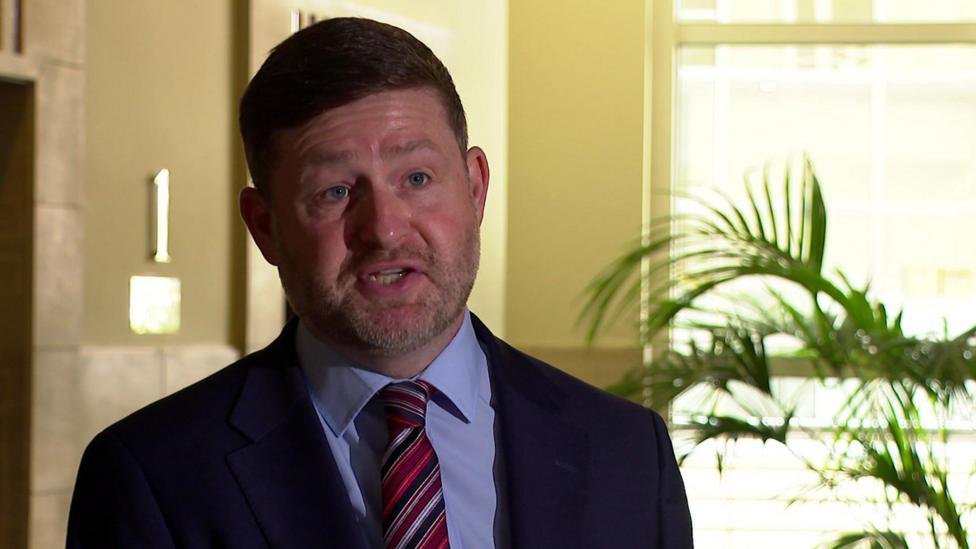
He added that the government aims to "close the loophole" in the 1971 Act but that legal advice is required to determine whether any changes could be applied retrospectively to allow Ahmed's deportation.
The BBC understands the government is considering amending the Immigration and Asylum Bill, currently progressing through Parliament, to change the 1971 law.
Conservative Shadow Home Secretary Chris Philp told the BBC he plans to propose his own amendment to the bill to remove the provisions preventing Ahmed's removal.
He stated that McMahon and Waugh "both agreed with me that the law needs to change."
Details of the Grooming Gang
Ahmed was the ringleader of a group of nine men who systematically groomed and sexually abused teenage girls in Rochdale and Oldham.
The men lured girls by offering food and cigarettes, later providing alcohol before repeatedly raping them, often in flats above takeaway restaurants.
One survivor, identified as 'Ruby' to protect her anonymity, told night:
"Scared for my safety and my kids' safety.
The main ringleader is getting out of prison, who is well known in Rochdale, Oldham and Middleton, so even if he's not in that area, he still knows people and has a chance to talk to people from that area and that makes me unsafe."
Get in Touch
Tell us which stories we should cover in Greater Manchester.
Listen to the best of BBC Radio Manchester on Sounds and follow BBC Manchester on Facebook, X, and Instagram. You can also send story ideas via WhatsApp to 0808 100 2230.
- Grooming victims heard of abuser's release on social media, MP says
- Burnham calls for grooming gang ringleader to be deported
- Government 'cannot deport' grooming gang ringleader


