

About a Century of Change in Welsh Politics
Nearly 100 years after the founding of Plaid Cymru, and following approximately a century of Labour dominance in Wales, a significant political transition is underway.
There is a notable symmetry to this moment.
As Labour's extended control concludes, a Plaid Cymru leader is positioned to become the first minister for the first time, following a highly successful performance in the Welsh election.
This development represents a remarkable turnaround from three years ago, when Rhun ap Iorwerth assumed leadership of a party in turmoil.
A critical report exposing misogyny, harassment, and bullying within Plaid Cymru had led to the resignation of his predecessor, Adam Price, leaving the party grappling with a crisis of confidence and credibility.
So, who is the individual expected to become Wales' seventh first minister?
Who is Rhun ap Iorwerth?
The name Rhun ap Iorwerth translates to Rhun, son of Iorwerth, with Iorwerth being the Welsh equivalent of Edward.
Born in Tonteg, near Pontypridd in south-east Wales, the 53-year-old grew up in north-west Wales.
He spent his early childhood in Meirionnydd before relocating to the island of Anglesey - Ynys Môn in Welsh - at the age of five.
His parents were deeply involved in Welsh culture and public life.
His father was a teacher, a well-known singer and composer, and an active campaigner for Plaid Cymru, the Welsh language, and Welsh culture. His mother was also a teacher and later became president of several organisations dedicated to promoting the Welsh language.
"Politics was all around me," ap Iorwerth told the BBC's Political Thinking podcast, recalling how, as a toddler, he would amuse himself by piling up Plaid Cymru leaflets.
After completing his studies in Cardiff, he spent two decades as a reporter and presenter with BBC Wales.
He is married to Llinos, and the couple has three children.
In 2013, he left broadcasting and successfully contested the Ynys Môn by-election, securing the Anglesey seat in the Senedd.
He later told Wales Online that the death of his mother, Gwyneth Morus Jones, in the previous December influenced his decision to enter politics.
"I know my mother made a huge contribution to her community and to Wales," he said. "Seeing the things said about her showed me quite clearly that I couldn't go through life without making a contribution if that was at all possible."
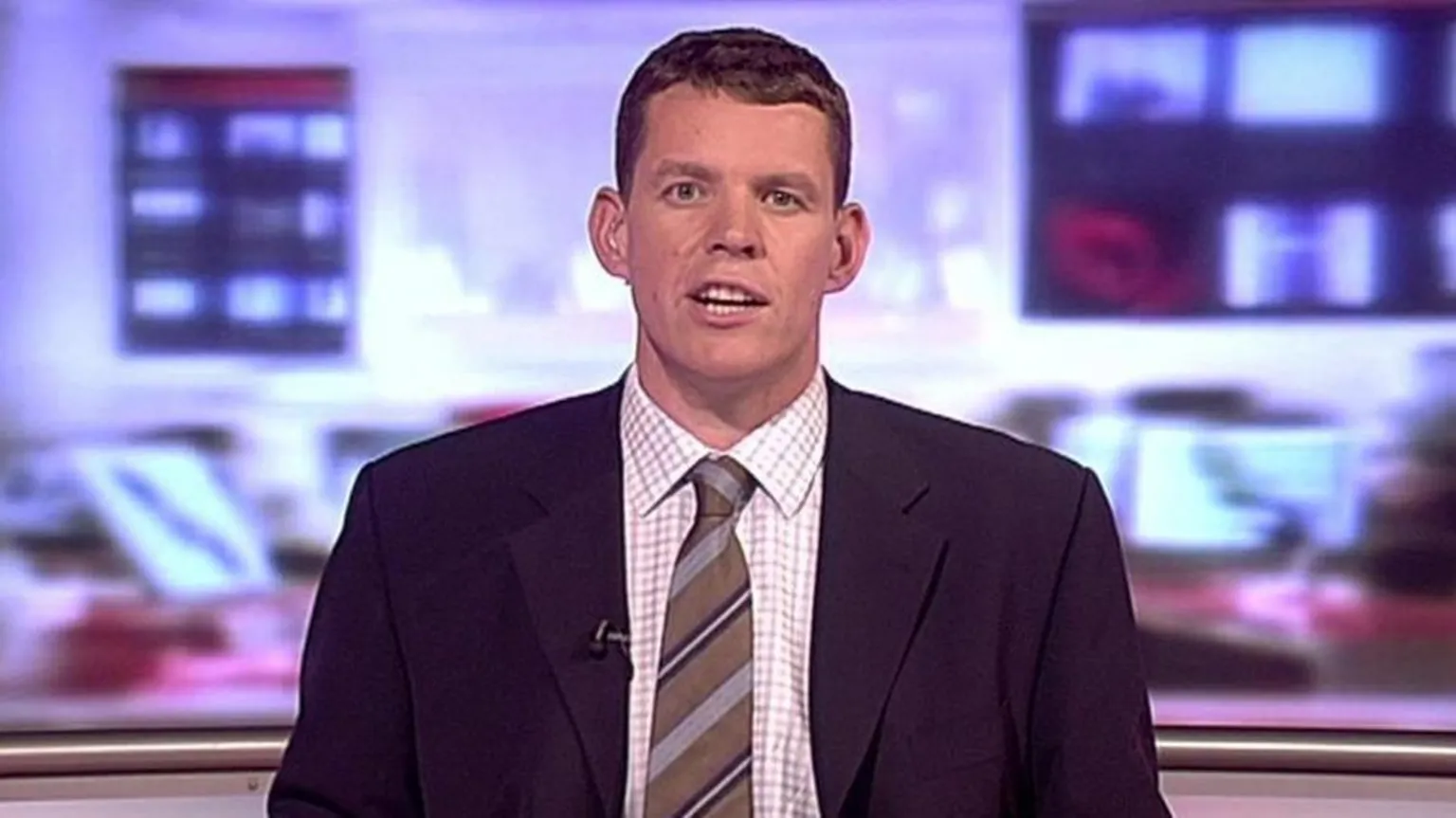
Plaid Cymru Leadership Journey
His initial opportunity to lead Plaid Cymru arose in 2018 amid rumours of attempts to challenge the then leader, Leanne Wood. In a television interview, Wood stated she would welcome a leadership challenge – and one was forthcoming.
However, another contender was also in the running. Adam Price had long been regarded within the party as the figure capable of elevating Plaid Cymru to new heights.
In the leadership contest, Price secured nearly half the vote. Ap Iorwerth finished second, with Leanne Wood in third place.
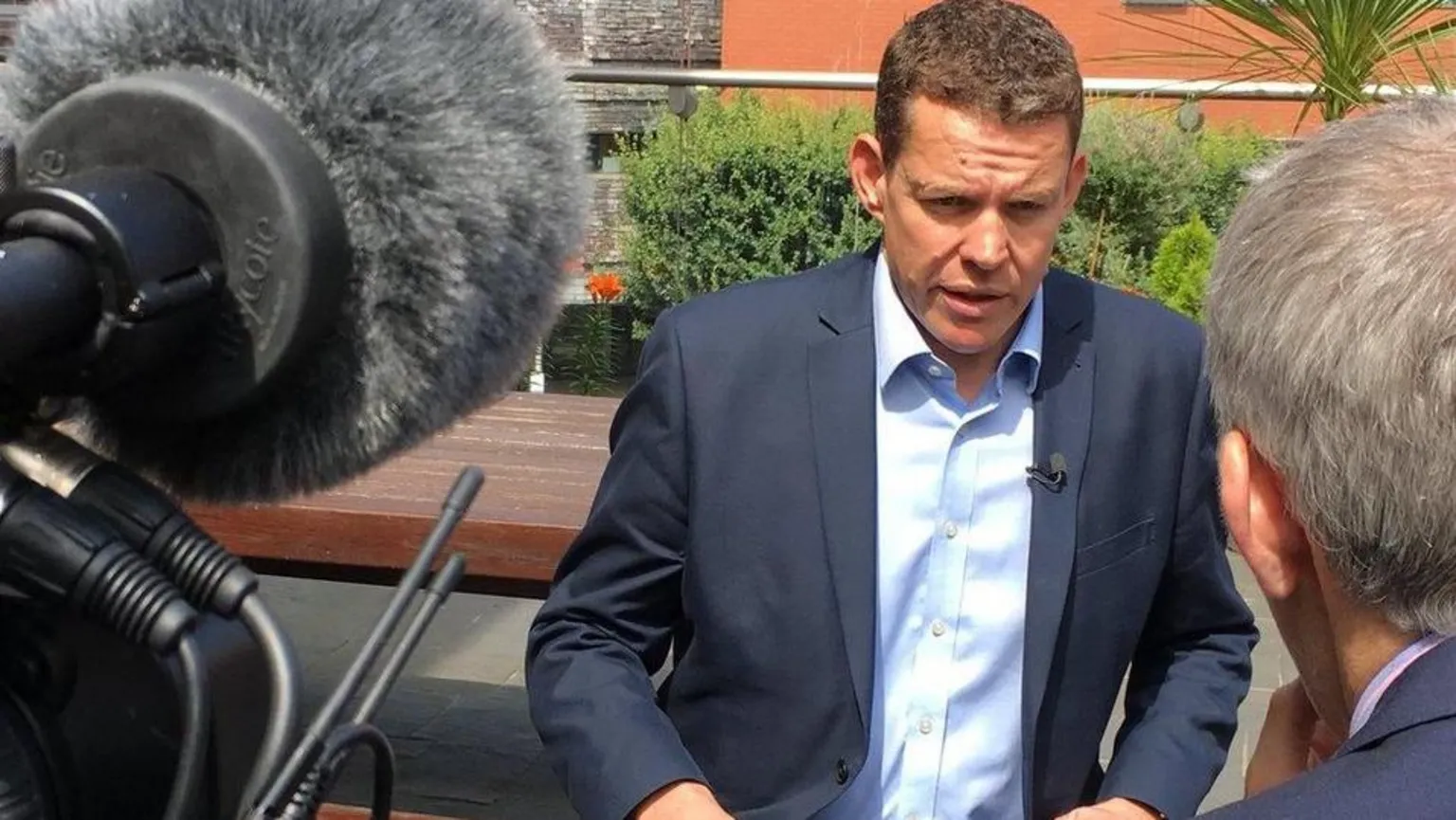
By late 2022, the Ynys Môn MS was contemplating a different path – transitioning from Cardiff Bay to Westminster by standing as the island's Member of Parliament.
These plans were superseded by subsequent events.
When Price resigned in May the following year, ap Iorwerth quickly emerged as the clear successor for many within the party. He was elected unopposed at the age of 50.
Supporters highlighted his "strong communication skills" as a key aspect of his appeal – skills refined during his broadcasting career.
These abilities were evident weekly during First Minister's Questions, where he confronted three Labour leaders in succession: Mark Drakeford, Vaughan Gething, and most recently, Eluned Morgan.
Ap Iorwerth used these exchanges to establish himself as a credible alternative first minister.
His central message was direct: Labour, he argued, was "failing to stand up for Wales" and lacked ambition for the nation.
When Labour returned to power at Westminster and promised during the 2024 general election campaign that Wales would benefit from the party governing both in London and Cardiff, ap Iorwerth reversed the argument.
He stated that Welsh Labour's first ministers were "too cosy" with their London counterparts and more concerned with avoiding embarrassment for Sir Keir Starmer than advocating for Wales.
"My only boss is the Welsh people," became his refrain.
He has sought to frame the election campaign as an opportunity for renewal, contending that after decades in power, Labour has exhausted its ideas for Wales.
There was also another, more negative, message that proved highly effective – "Vote Plaid to stop Reform" – which attracted Labour voters in particular to the Plaid Cymru camp.
Now, ap Iorwerth appears set to be the one facing weekly questions in Cardiff Bay.
A long way from piling up leaflets as a toddler.


