

Significant Failings in Policing and Civic Leadership
"Significant failings" in both policing and civic leadership were identified as key contributors to the serious disorder that erupted across Leicester more than three years ago, according to a new report.
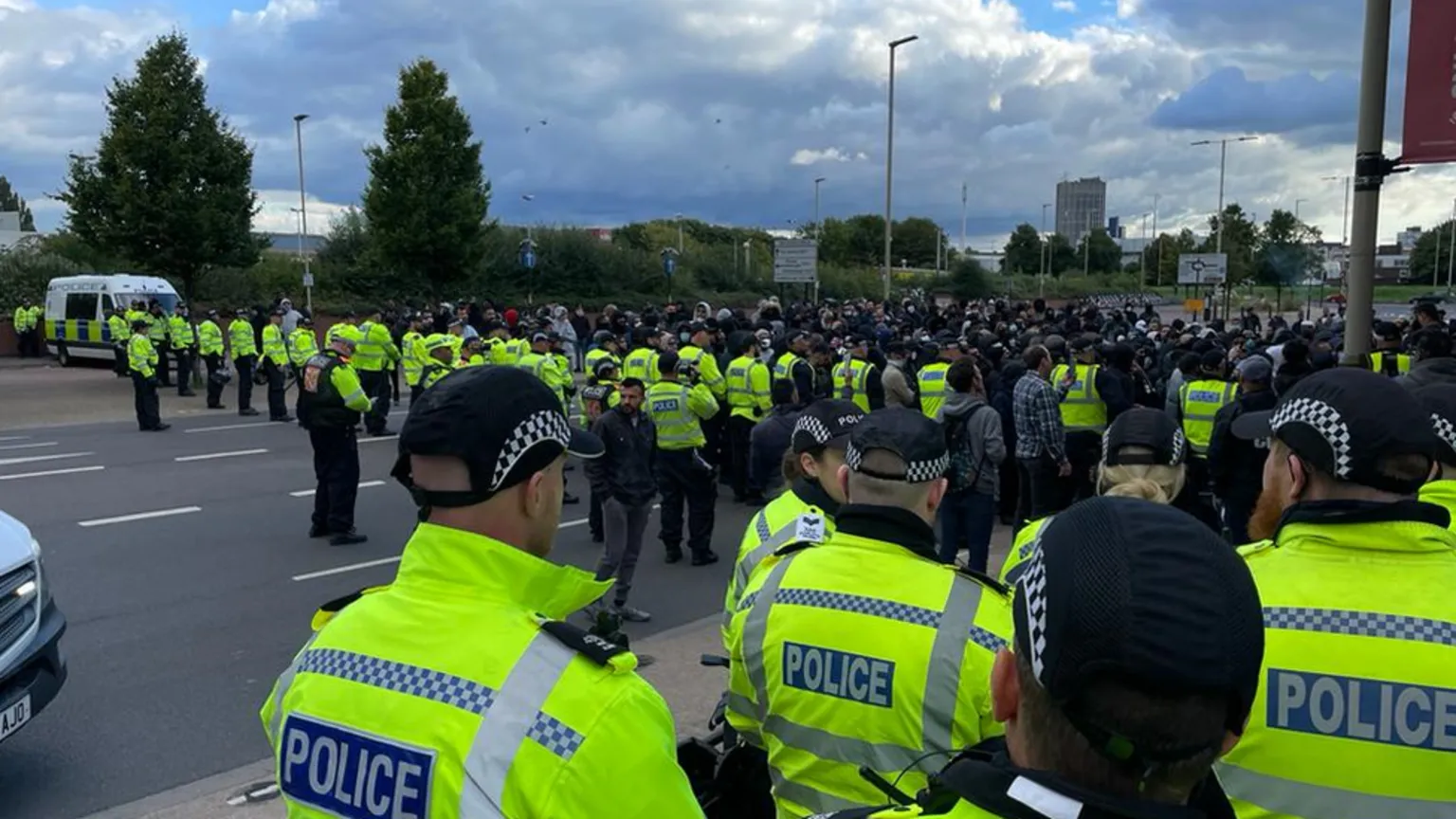
In August and September 2022, the east of the city experienced days of vandalism, assaults, and property attacks, resulting in dozens of arrests.
The findings, released on Monday, stem from research led by academics from the School of Oriental and African Studies (SOAS) and the London School of Economics (LSE). The report concluded that the responses from Leicestershire Police and Leicester City Council to the unrest—primarily involving young men from Hindu and Muslim communities—were "lacking or inconsistent."
This research was conducted independently of a government-commissioned review led by former Labour MP Lord Ian Austin, which has not yet published its findings.
The Ministry of Housing, Communities and Local Government stated it is reviewing the panel's work and will respond "in due course."
Leicestershire Police indicated it would carefully consider the SOAS and LSE review findings alongside the government inquiry as part of its "ongoing commitment to learning and improvement."
Leicester mayor Sir Peter Soulsby said he had not yet received the report but would "obviously look carefully at what they have to say."
Report Overview and Causes of Unrest
The 218-page report, titled Better Together: Understanding the 2022 Violence in Leicester, aims to examine the causes and impact of the unrest and to identify lessons for Leicester and other UK cities.
It stated that no single community was solely responsible for the unrest, which was exacerbated by misinformation and "fear messaging" on social media, where so-called influencers spread unverified false claims.
The report emphasized that rapidly spreading misinformation "acted as an accelerant throughout the unrest, spreading inaccurate information, deepening communal divides, and undermining trust."
It also highlighted that external political and ideological influences intensified local tensions and distorted public understanding of the events unfolding in Leicester.
Specifically, the report identified sustained disinformation campaigns by Hindu nationalist organisations in the UK and India, as well as by political Islamist individuals in the UK.
The report concluded:
"The 2022 violence in Leicester revealed the fragility of inter-community relations, the limits of the city's long-celebrated multicultural framework, and several institutional failures.
While Leicester's history illustrates considerable resilience and community coexistence, the recent violence demonstrates how economic hardship, weakened civic infrastructure and divisive ideologies, including from abroad, can erode trust in formerly settled, convivial and diverse places."
Intelligence Gaps and Community Disconnect
The report also identified a "disconnect" between young people and established religious and community institutions in Leicester.
It asserted that authorities did not adequately address "serious incidents" in the community from May 2022, which contributed to the escalation of disorder later in the year.
Regarding police response, the report stated:
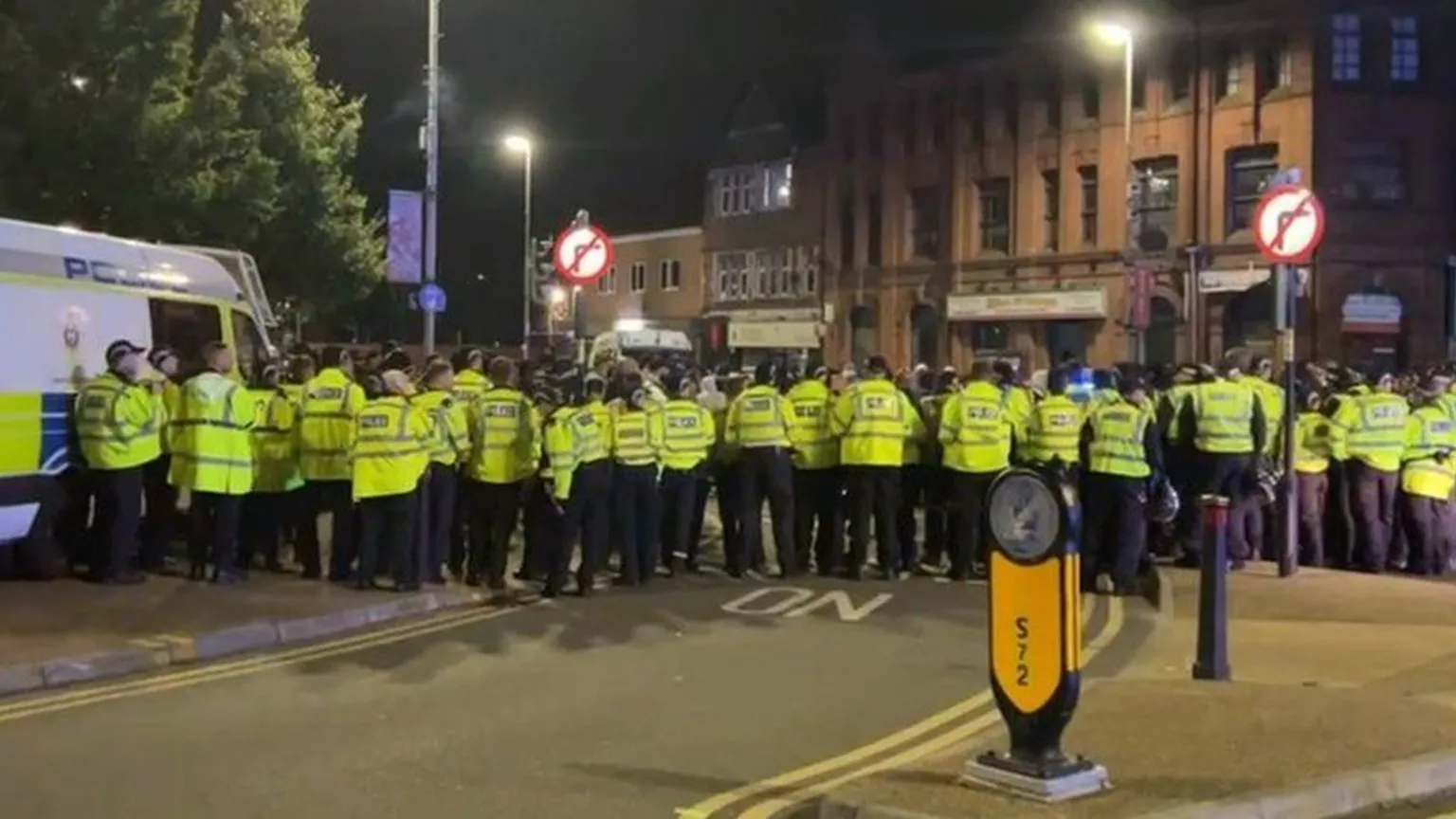
"Police responses were delayed, inconsistent, and at times disproportionate, reflecting failures of intelligence and proactive planning.
During the Leicester unrest, the police suffered from intelligence gaps, poor communication, inconsistent operational decisions, and a lack of understanding of communal dynamics in South Asian communities.
We found members of both Hindu and Muslim communities distrustful of police actions."
The report also criticized the city council for failing to provide clear leadership, effectively manage tensions, or offer sufficient support to residents.
It stated:
"The city council's weak crisis leadership and outdated multicultural and power-broking frameworks failed to calm rising tensions, and prevented the coordinated political response required to address the violence, and undermined trust."
The report linked council service cuts during a decade of austerity to the unrest through "the collapse of integration infrastructure."
It further noted Leicester's low-wage economy and the decline of its textile sector, resulting in unemployment, as factors contributing to the unrest.
When asked about the report's criticisms, the mayor reiterated he could not comment on a report he had not seen. He also said:
"When they began their research, nearly three years ago, I did raise some questions with them about their independence, who had commissioned them, and how they were going to take evidence.
I didn't get a convincing explanation. I don't know who they have spoken to."
The report's authors stated that the mayor had "consistently" declined their requests to meet and had claimed the inquiry was "biased in some way, though without saying how it might be biased."

Accountable Policing and Community Trust
The report concluded that the aftermath of the 2022 events left Leicester's "inter-community trust profoundly fractured."
It warned:
"Without concerted and sustained action, there remains a significant risk of further division and the potential for renewed communal violence."
The authors proposed several recommendations aimed at preventing future disorder.
They also acknowledged acts of solidarity and cross-community support, emphasizing Leicester's "admirable history of coexistence" as a vital foundation for rebuilding community trust.
Juan Méndez, chair of the research panel, said:
"The events of 2022 were deeply traumatic for many residents, but we met many people who have high hopes for all communities in Leicester co-existing peacefully.
Much depends on how young people work better together."
Méndez, a human rights lawyer and former United Nations advisor, added:
"Our report is not about apportioning blame but understanding how tensions escalated, why safeguards failed, and how trust can be rebuilt through fair and accountable action."
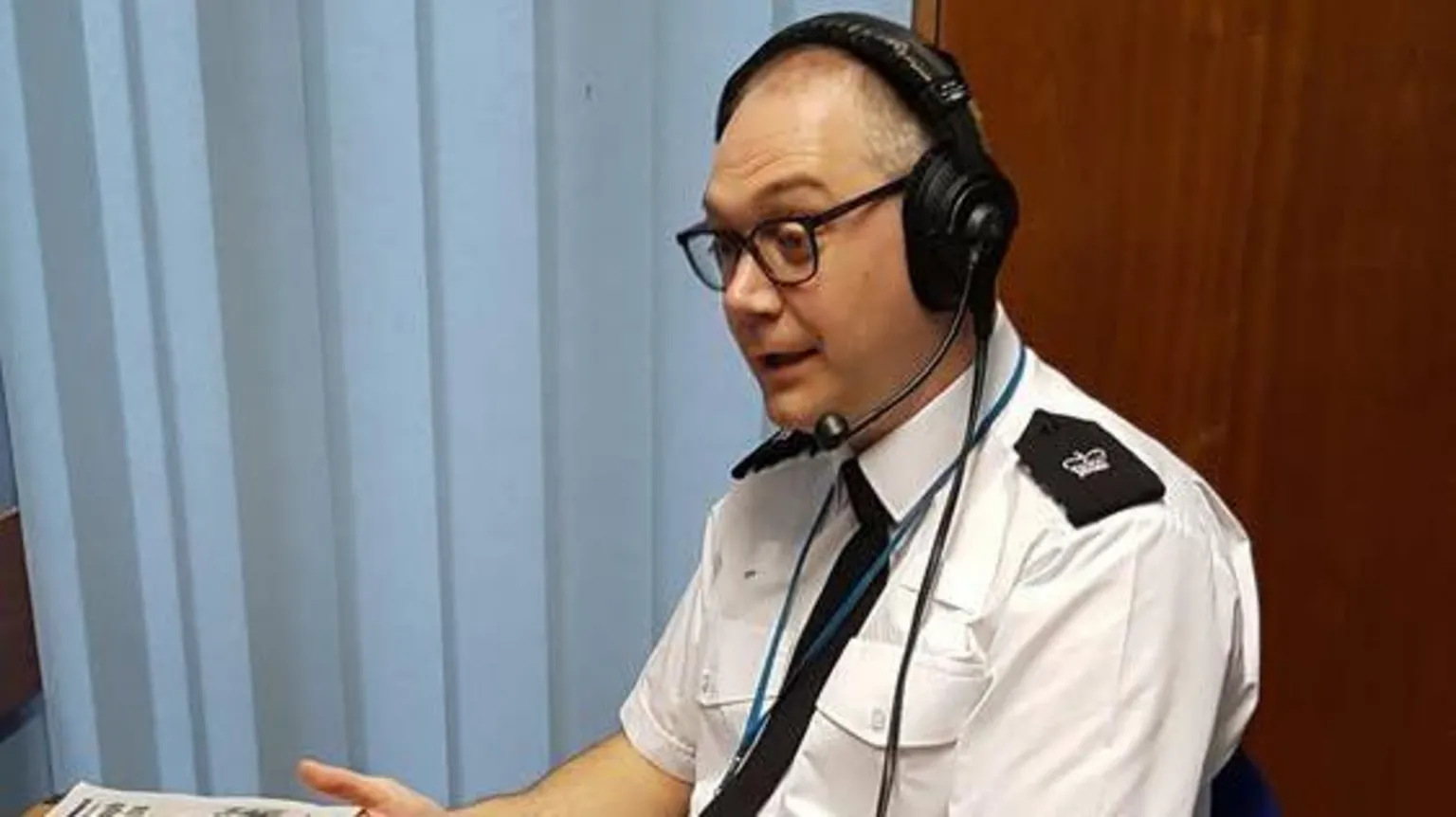
Ch Supt Shane O'Neill of Leicestershire Police stated the force's response was "at all times guided by the principle of policing without fear or favour."
He said:
"The disorder placed significant and sustained demand on the force, due to its duration, the scale of offending, and the substantial volume of evidence that needed to be identified, reviewed and processed in order to bring offenders to justice."
The police force noted it had worked closely with communities and partners to identify and address the causes of the unrest.
It continues to offer religious and community leaders and councillors opportunities to join police patrols to promote transparency and build trust.
More than 50 people have been charged in connection with the disorder.
The force has strengthened its East Leicester neighbourhood team and ensured officers receive briefings on cultural awareness, including religious festivals and customs.
Communication channels such as WhatsApp groups are used to engage with residents and combat misinformation.
Context and Broader Implications
By Jeremy Ball, East Midlands social affairs correspondent
This comprehensive report outlines how a weekend of serious disorder exposed religious tensions that challenge Leicester's reputation as a model of multiculturalism.
It traces these tensions to a wave of immigration from India after the early 2000s, when many Hindu workers from Daman and Diu settled in predominantly Gujarati Muslim neighbourhoods.
The authors identified genuine grievances on all sides, as new religious traditions and processions—including car convoys—were perceived as provocative acts of "political extremism."
They found these divisions were "inflamed" by agitators in both India and the UK, who used social media to spread fear and misinformation for their own "political ends," while police and city council struggled to respond effectively.
The report attributes blame to both "political Islamist" influencers in the UK and "Hindu nationalist actors" supported by "elements of the Indian government" and international media networks.
The authors acknowledge this finding will be highly contentious and note that 281 Hindus were among the largest group involved in producing the report.
They call for an independent public inquiry into extremism, advocating for definitions that address "radical and militant Hindu nationalism" on par with political Islamism and far-right white nationalism.
Additionally, they recommend establishing a rapid response unit to counter disinformation in Leicester.
Follow BBC Leicester on Facebook, X, or Instagram. Submit story ideas to eastmidsnews@bbc.co.uk or via WhatsApp at 0808 100 2210.


