Bomb aftermath was 'a scene of complete chaos that I'll never forget'
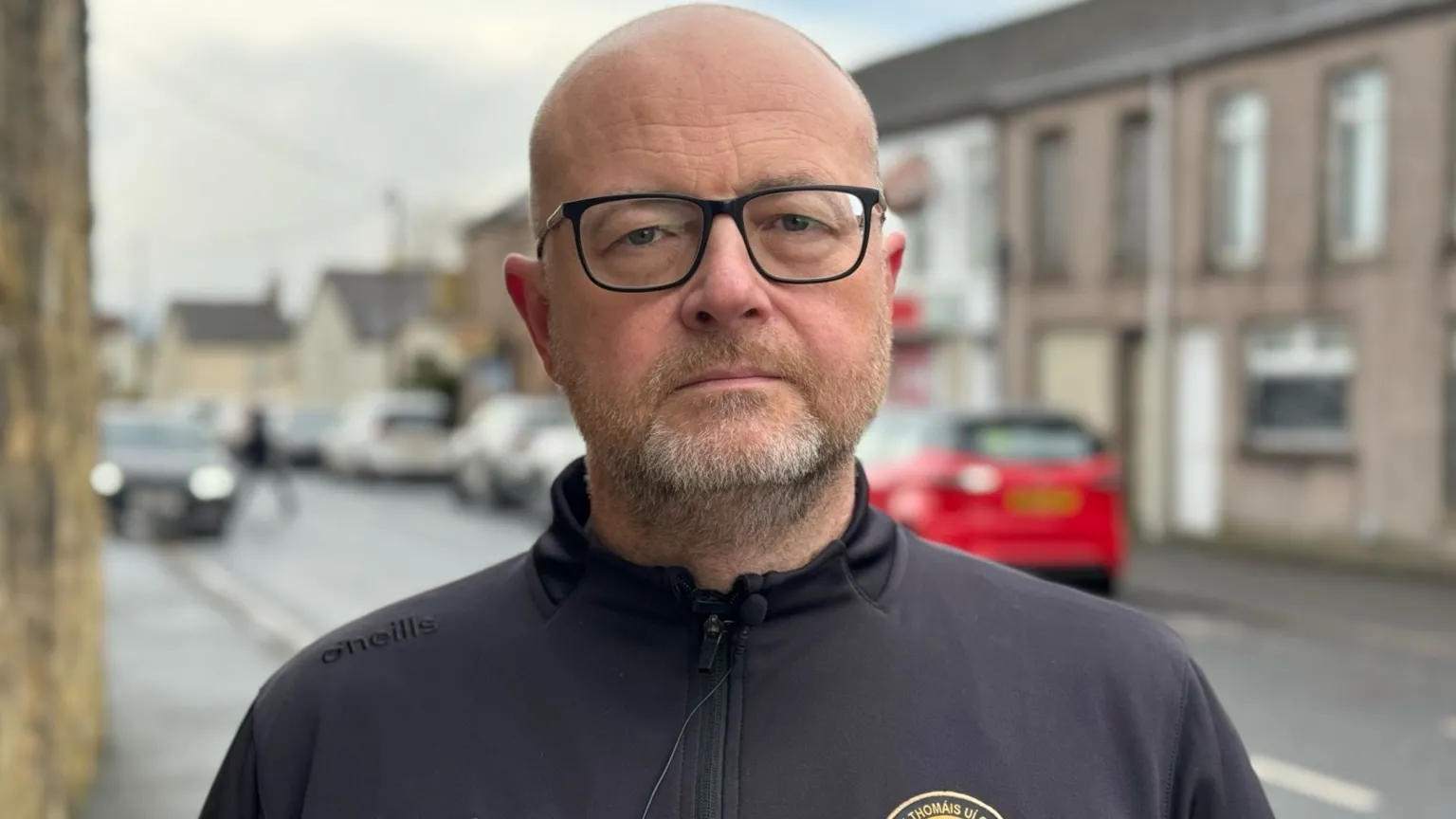
Fifty years ago, James Kane was about to have his dinner when he heard a massive explosion and felt the ground shake beneath him.
He immediately recognized it as a bomb.
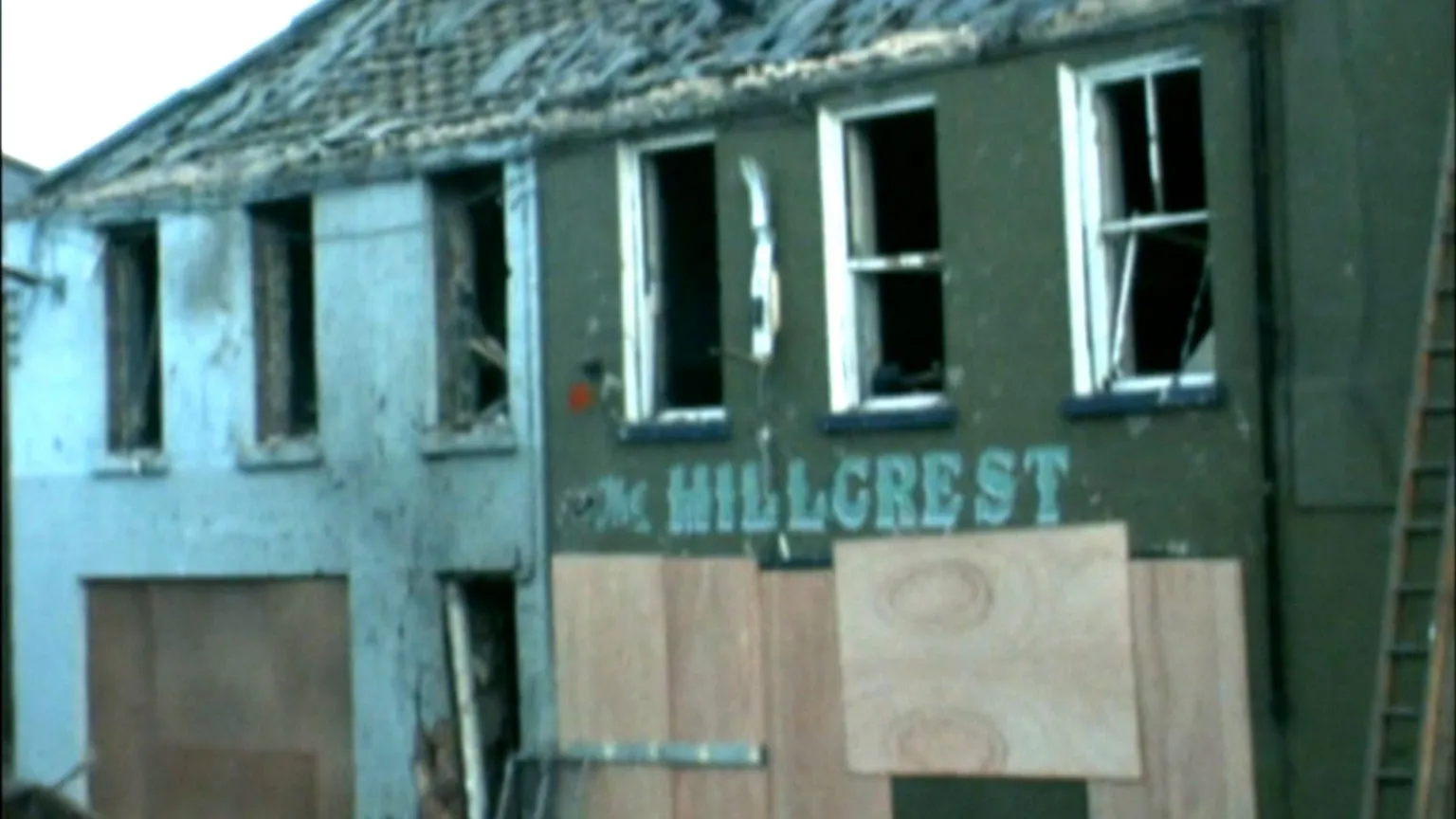
Upon arriving at the site of the Hillcrest Bar bombing, Kane described the scene as "a scene of a complete chaos that I'll never forget."
Kane was the owner of the Hillcrest Bar and the adjacent auto-supplies shop at the time of the attack.
Four people lost their lives, including two children, after a bomb planted by the Ulster Volunteer Force (UVF) detonated without warning at the bar in Dungannon on St Patrick's Day, 1976.
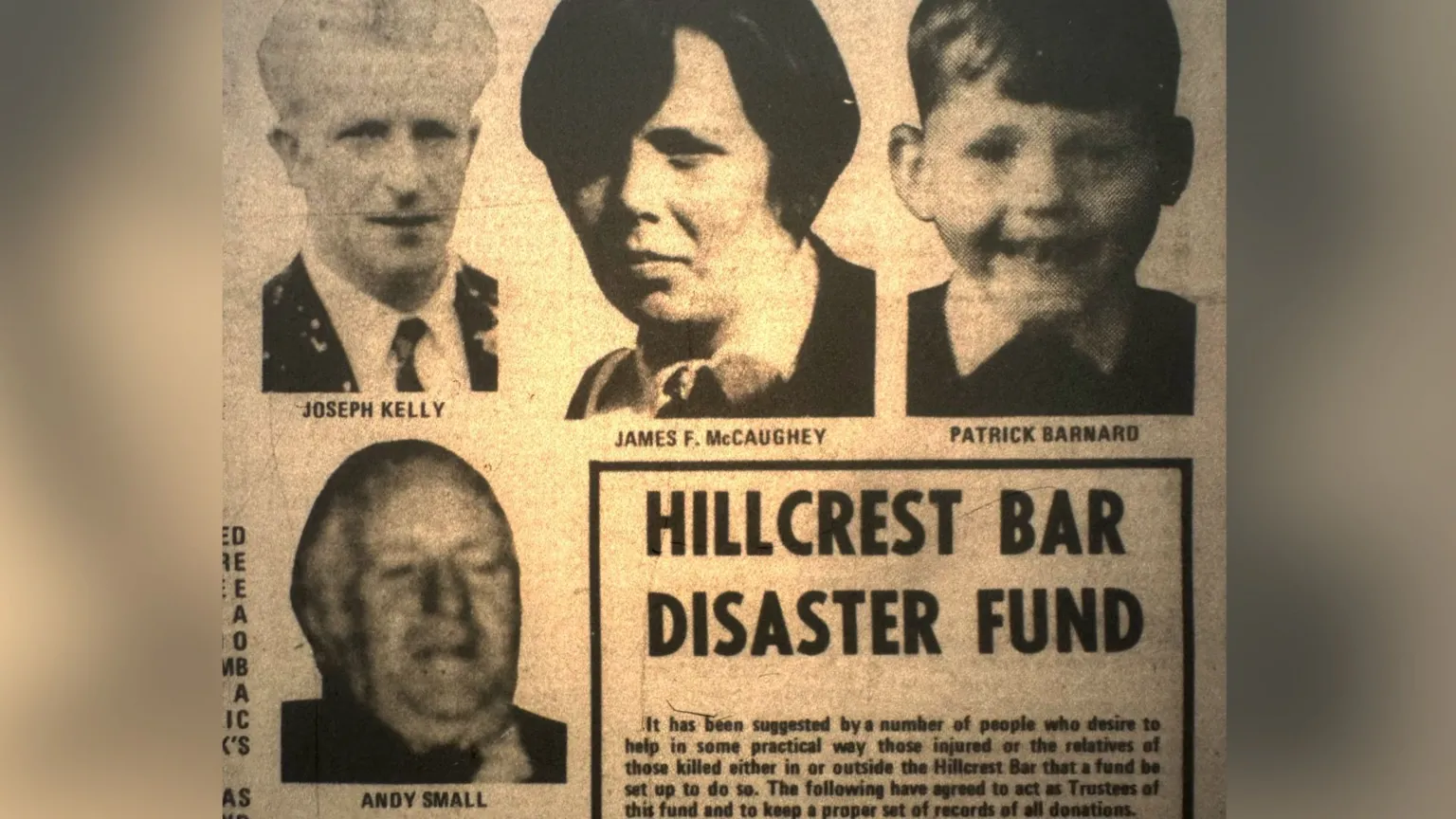
Thirteen-year-olds James McCaughey and Patrick Barnard, who were playing outside when the bomb exploded, were among those killed.
Local men Andrew Small, aged 62, and Joseph Kelly, aged 57, also died in the blast.
Immediately after hearing the explosion, Kane's house phone rang.
"Another local man told me I better get up the town quick because that was my pub that just blew up," he told NI.
When Kane arrived, emergency services were just reaching the scene, and it was "very clear there were serious casualties."
"Inside the pub was pitch dark, it was hard to see because the electric had gone off, there was rubble everywhere and I just remember seeing the bodies," he recalled.
Approximately 40 people were injured in the explosion.
All four victims who died were Catholic.
Five years after the bombing, Garnet James Busby, a Dungannon UVF member, was sentenced to life imprisonment after admitting involvement in the bombing and other terrorist offenses.
He was released on life licence in February 1997.
A new memorial plaque is scheduled to be officially unveiled later on Sunday, ahead of the 50th anniversary of the bombing which occurred on St Patrick's Day, 1976.
The plaque bears the inscription: "In memory of the innocents cruelly killed and injured in a bomb explosion on 17th March 1976."
'I'll never forget it, it never leaves you'
Pat McElhetton was working a late shift as a porter at South Tyrone Hospital on the day of the bombing.

The hospital is located approximately half a mile from the former site of the Hillcrest Bar.
"A nurse came into the ward and said she needed all health staff to go to casualty quickly," he recalled.
"A short time later the dead and injured arrived at the hospital. It was horrific, people were crying and screaming, the injured people covered in glass and shrapnel, it was a horrific scene," he added.
"Part of my job was bringing the deceased to the mortuary, something like that stays with you I'll never forget it, it never leaves you."
Independent Mid Ulster Councillor Barry Monteith has collaborated with some relatives of the victims to arrange the installation of the new plaque near the former Hillcrest Bar location.
Speaking prior to the memorial event, he noted that while St Patrick's Day is a day of celebration for many, it is "also a day of sadness in Dungannon."
He added that for some survivors, their injuries "changed their lives forever."
"This new plaque remembers those who died and is a recognition to those that were left with life-changing injuries," he explained.
'We had no warning at all'
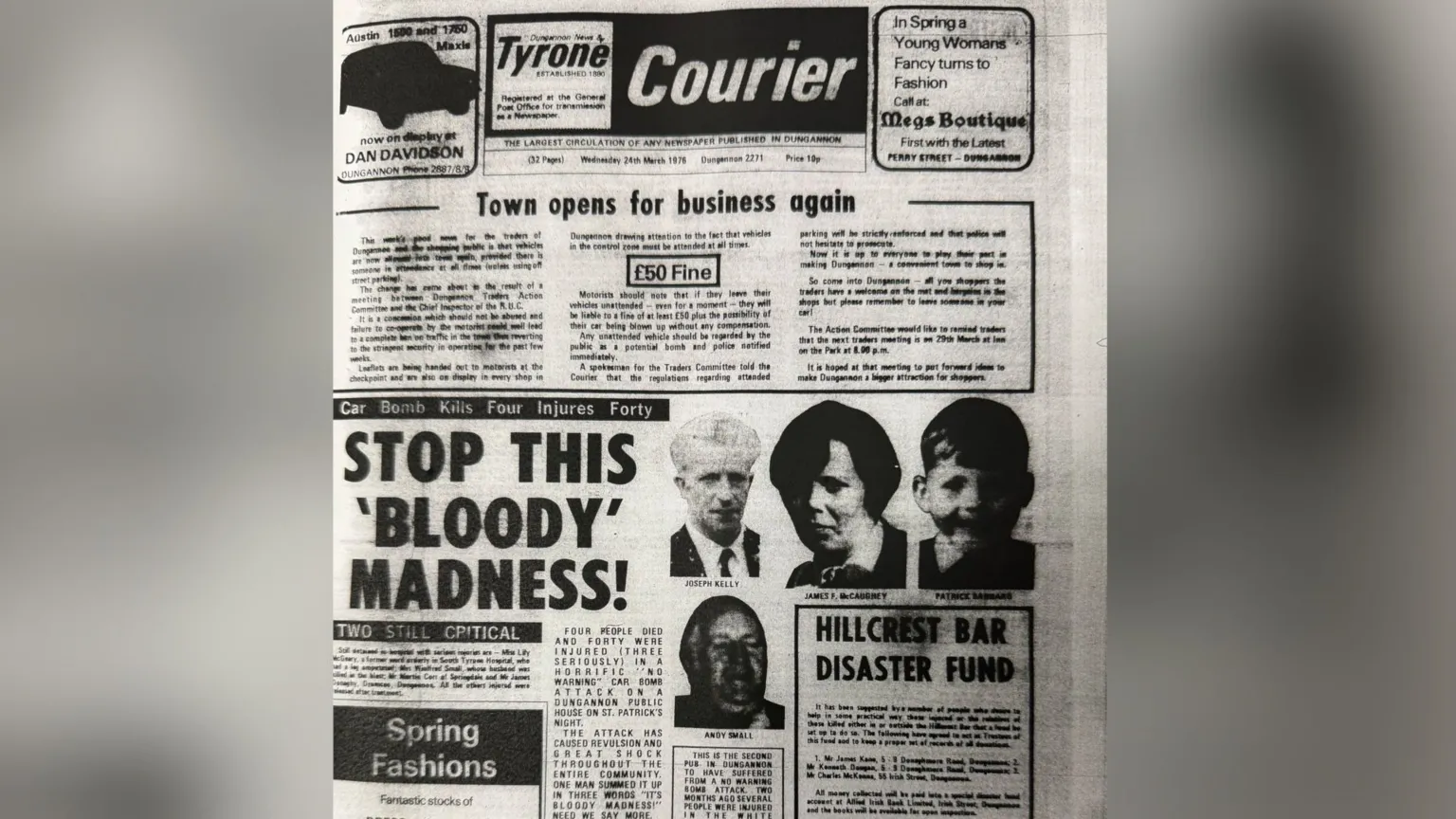
In the archives of Armagh's Cultural Heritage Centre is a microfilm copy of the Tyrone Courier dated 24 March 1976.
Exactly one week after the Hillcrest Bar bombing, the headline reads "Stop this bloody madness!"
The front page features pictures of three of the deceased victims.
The Courier reports that the attack caused "revulsion and great shock throughout the entire community."
It describes the bomb as having caused "extensive havoc and damage" and states that when the paper's reporter arrived, the area was "one of desolation."
Warning: This contains details some readers may find distressing.
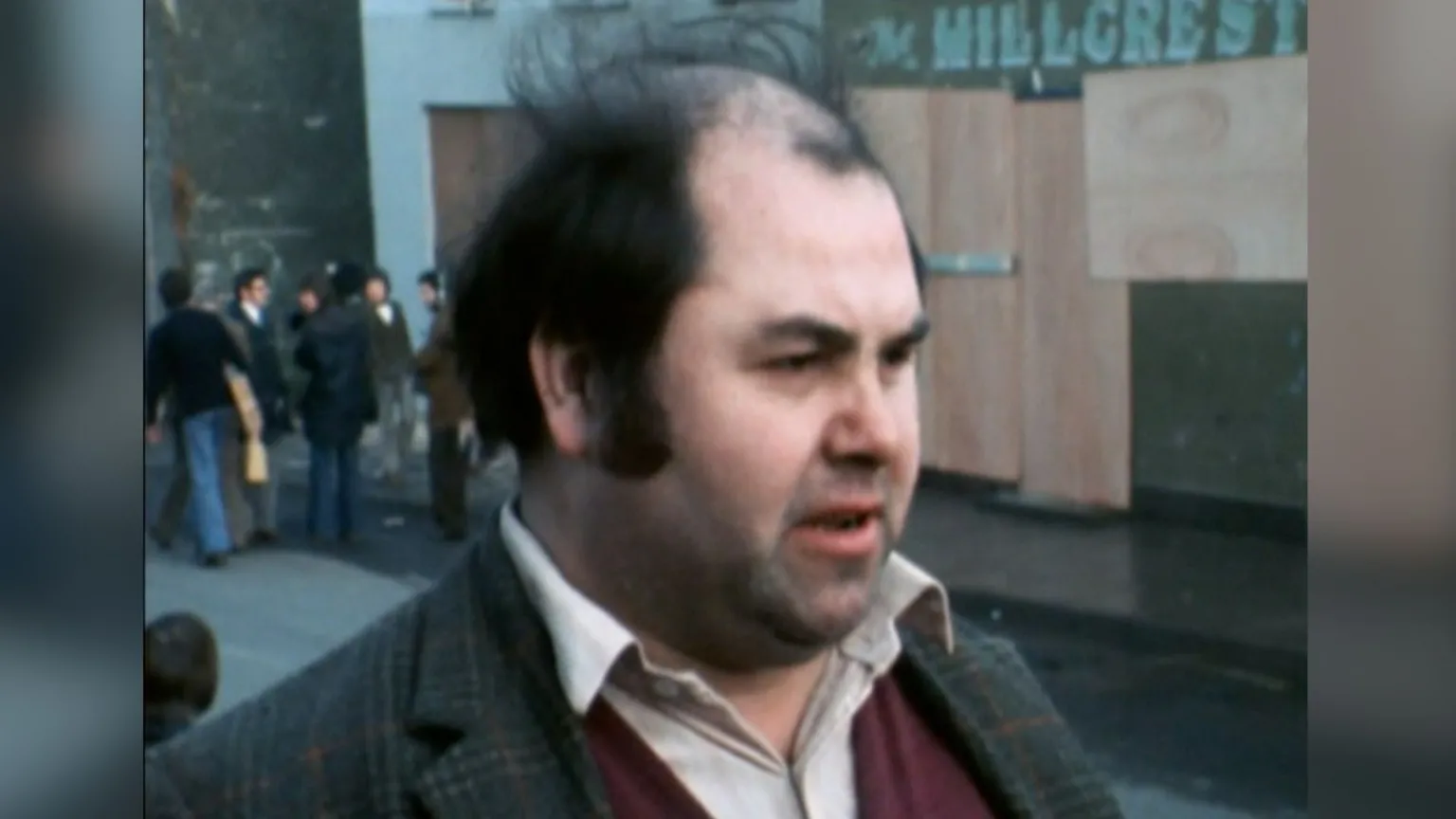
The paper quotes Jackie Fee, the manager of the bar, who was upstairs in the lounge when the bomb detonated.
"Everything simply erupted around us, we had no warning at all," he told the paper.
Mr. Fee also spoke to the BBC the day after the bombing.
In grainy archive footage, he said:
"I was in the bar and I smelt something burning so I went up the stairs to see and next minute the place just landed in round me.
I ran down and there were people lying everywhere. I tried to get as many out as I could and there was one man dead, so I went in for the rest and I went out on the street and there were children lying here and there."
When asked by the BBC reporter why he thought the bar had been targeted and who was responsible, he replied:
"I don't know, I can't figure it out at all, because Protestants and Catholics go to it.
I think the UVF did it, in my opinion, because it's their hall mark, no warning or nothing."
Legal actions and ongoing impact
In 2017, the High Court in Belfast found that police were breaching the human rights of families of victims linked to a UVF murder gang active in the 1970s.
Bereaved families initiated legal action against the Police Service of Northern Ireland (PSNI) for failing to complete a comprehensive review of the activities of the so-called Glenanne gang.
Members of this group are suspected of involvement in approximately 90 attacks during the Troubles, including the Hillcrest Bar bombing.