

Rare Heron Spotted in North Wales
Hundreds of twitchers from across the UK have gathered in a seaside town in north Wales to observe a rare heron species.
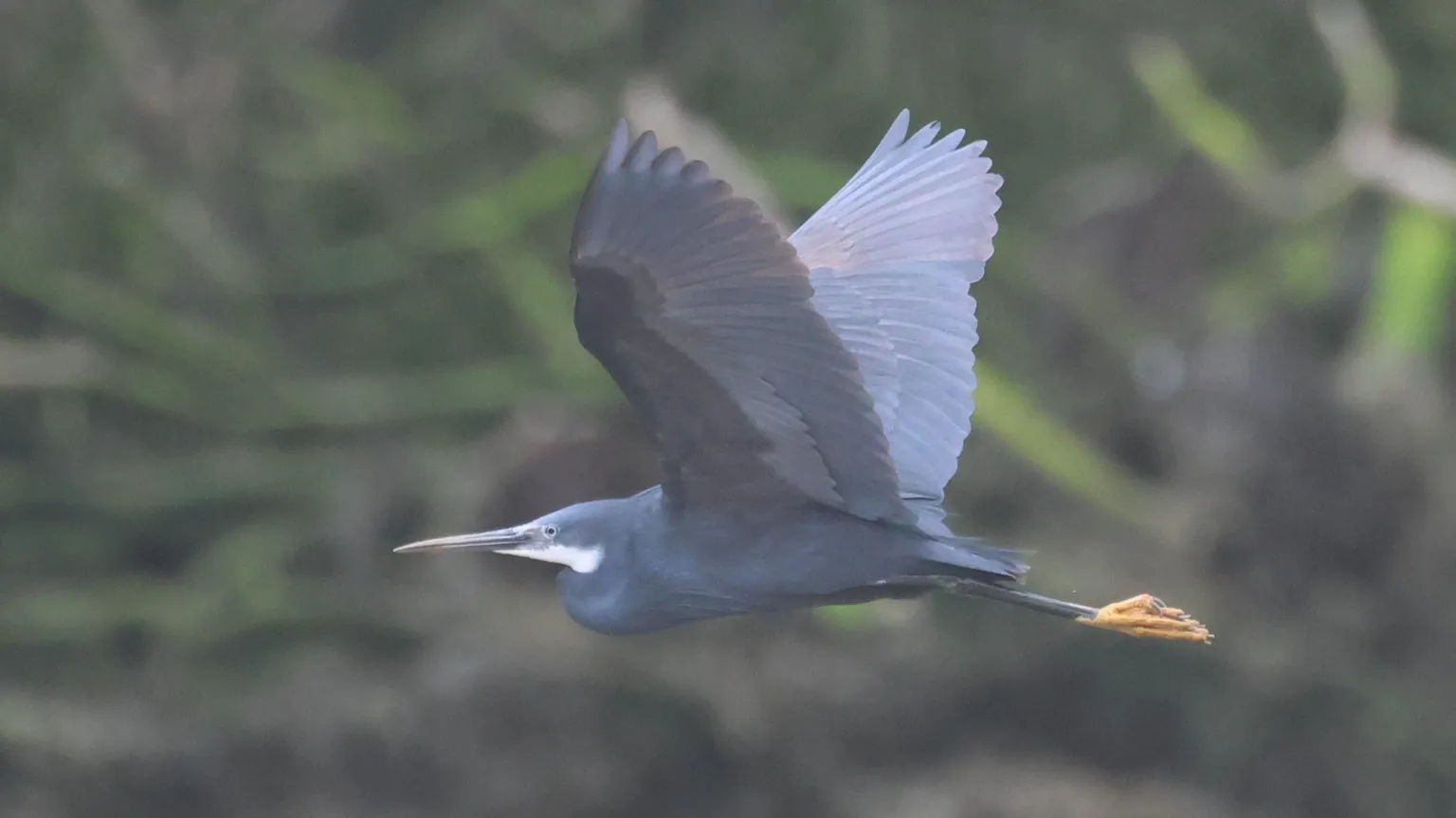
Ornithologist Simon Hugheston-Roberts identified the western reef heron, a species typically found in southern Europe, Africa, and parts of Asia, at Y Foryd in Caernarfon at 10:00 BST on Saturday.
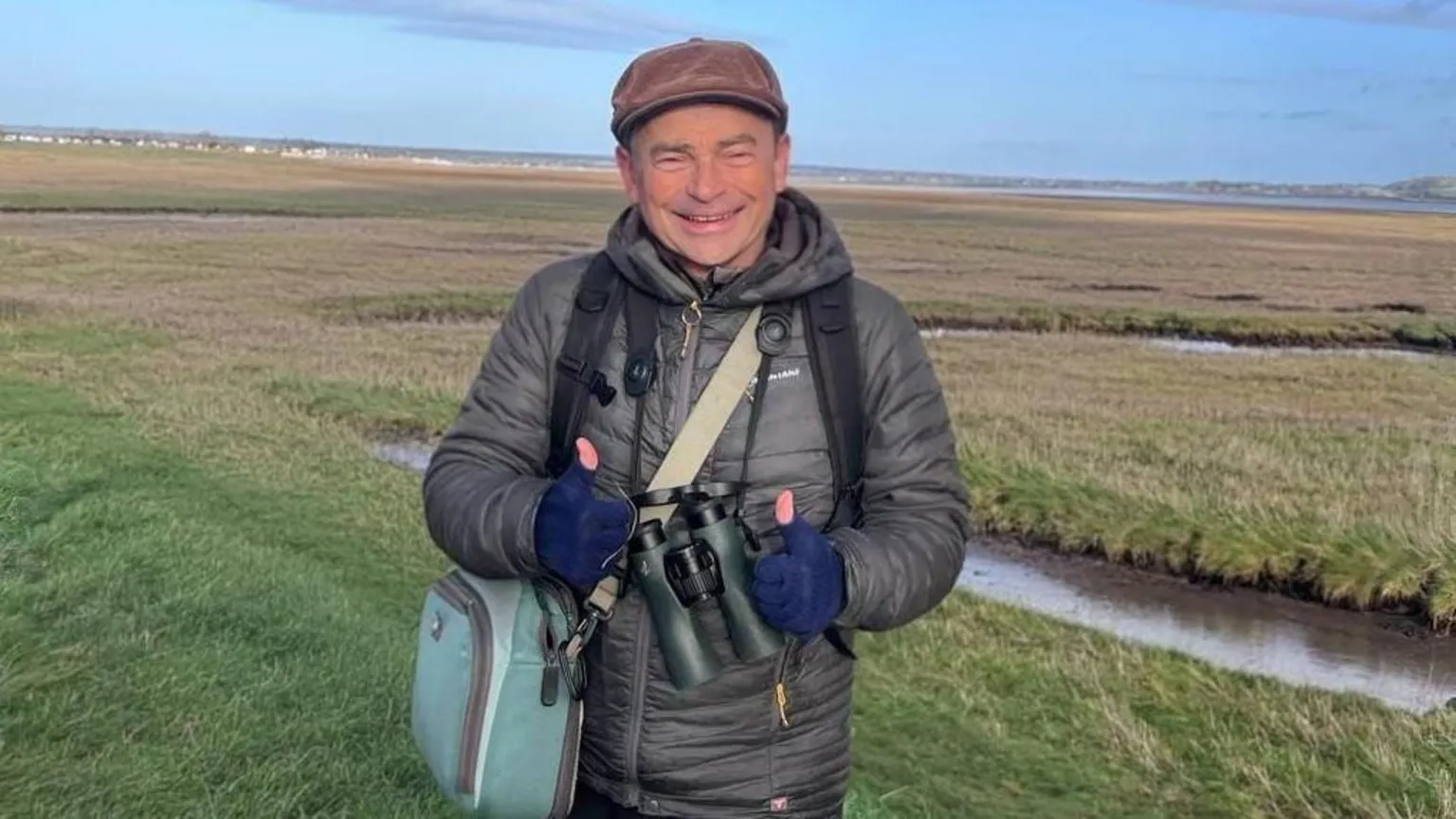
After confirming the presence of the grey-blue bird, Hugheston-Roberts notified a birdwatching WhatsApp group. By the afternoon, approximately 300 ornithologists had arrived in the town hoping to see the egretta gularis.

Expert Commentary and Possible Causes
Naturalist and broadcaster Iolo Williams described the sighting as a UK first. He suggested that warm, fairly strong southern winds may have carried the heron out to sea, where it became disoriented and was blown to the Welsh coast.
"I've seen the bird where it belongs. It's a smart bird, all over its body is a lovely grey-blue."
"You will always have a bird that gets blown out on its way or gets lost for whatever reason. It's happened since records began... this happens from time to time but very rarely is the first record seen in Wales.
"We have had warm, fairly strong winds from the south so I think the heron went out to sea, got lost and was carried here.
"They can fly over quite a distance so I'm sure if someone has recorded it in Spain, France and Portugal, but this is certainly the first time it has been recorded in Britain."
Identification and Experience of the Discoverer
Hugheston-Roberts, who has decades of birdwatching experience and conducts monthly bird counts at Y Foryd, recounted how he spotted the bird during his usual walk.
"I was lucky to see a small dark heron flying over me on the shore."
He explained his identification process, noting his familiarity with the species from birdwatching in West Africa and the Middle East.
"I've spent time birdwatching in West Africa and the Middle East, so I'm familiar with species like this. So I use the information I have in my head and my experience.
"A black face is very rare but there is a heron from North America that is very similar, the little blue heron, but they have different qualities if you look closely."
Hugheston-Roberts described comparing the western reef heron with a little egret that joined it, allowing him to assess size and structure for confirmation.

"A little egret joined the western reef heron so I was able to compare the size and structure of the two herons to confirm.
"Then I was quite sure that my gut feeling was right and that it was a western reef heron in front of me."
Birdwatchers and Artists Drawn to the Sighting
Following Hugheston-Roberts's announcement, word spread quickly. The western reef heron has been observed feeding in the harbour near Cei Llechi, roosting in trees by Aber Bridge, flying over the fields of Morfa Dinlle, returning to the Foryd, and even passing above Caernarfon Castle.
This activity has attracted birdwatchers, photographers, and artists to the town.
Among those observing the bird near the Anglesey Wall on Sunday was ornithologist and artist Richard Partis.
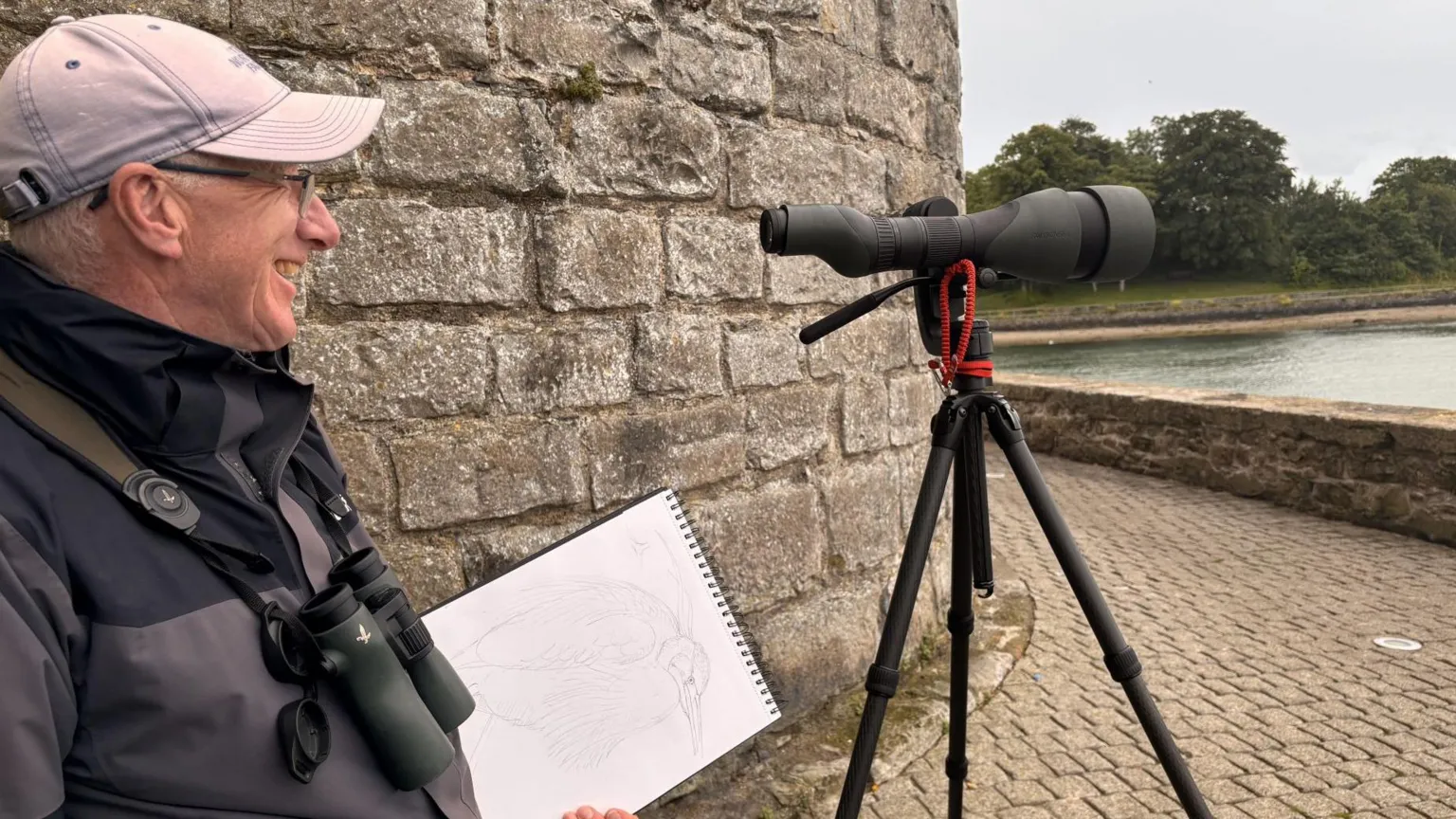
Partis, who had been tracking the heron for nearly 12 hours, said it was his first time seeing a western reef heron.
"I knew people had seen him feeding in the harbour early in the morning, then he went into the woods when the tide came in.
"It's been moving around all day. I've probably seen about 50 birdwatchers here today, including a lot of twitchers from Essex.
"For some people, birdwatching is almost a full-time job. I heard some visitors travelled on to Orkney after hearing about another rare bird there, while others were planning to stay here overnight."
Partis was also sketching the heron as he observed it.
"It has a long neck, but that's difficult to capture when it's tucked into its feathers.
"I'll paint it grey-blue when I get home.
"Everyone has been very respectful and kept their distance so as not to disturb the bird."
Significance and Next Steps
Williams noted the significance of the sighting, emphasizing that it was the first recorded occurrence of the western reef heron in Britain.

He also commented on the suitability of the Y Foryd area and the Afon Seiont estuary for the bird, noting that the heron feeds similarly to a little egret by searching for and consuming small fish.
Hugheston-Roberts stated that his next step is to submit a report to the British Birds Rarities Committee (BBRC) for confirmation of the sighting.
"If confirmed, it will then be added to The British List."


