

Rare Snakefly Observed in Inverness
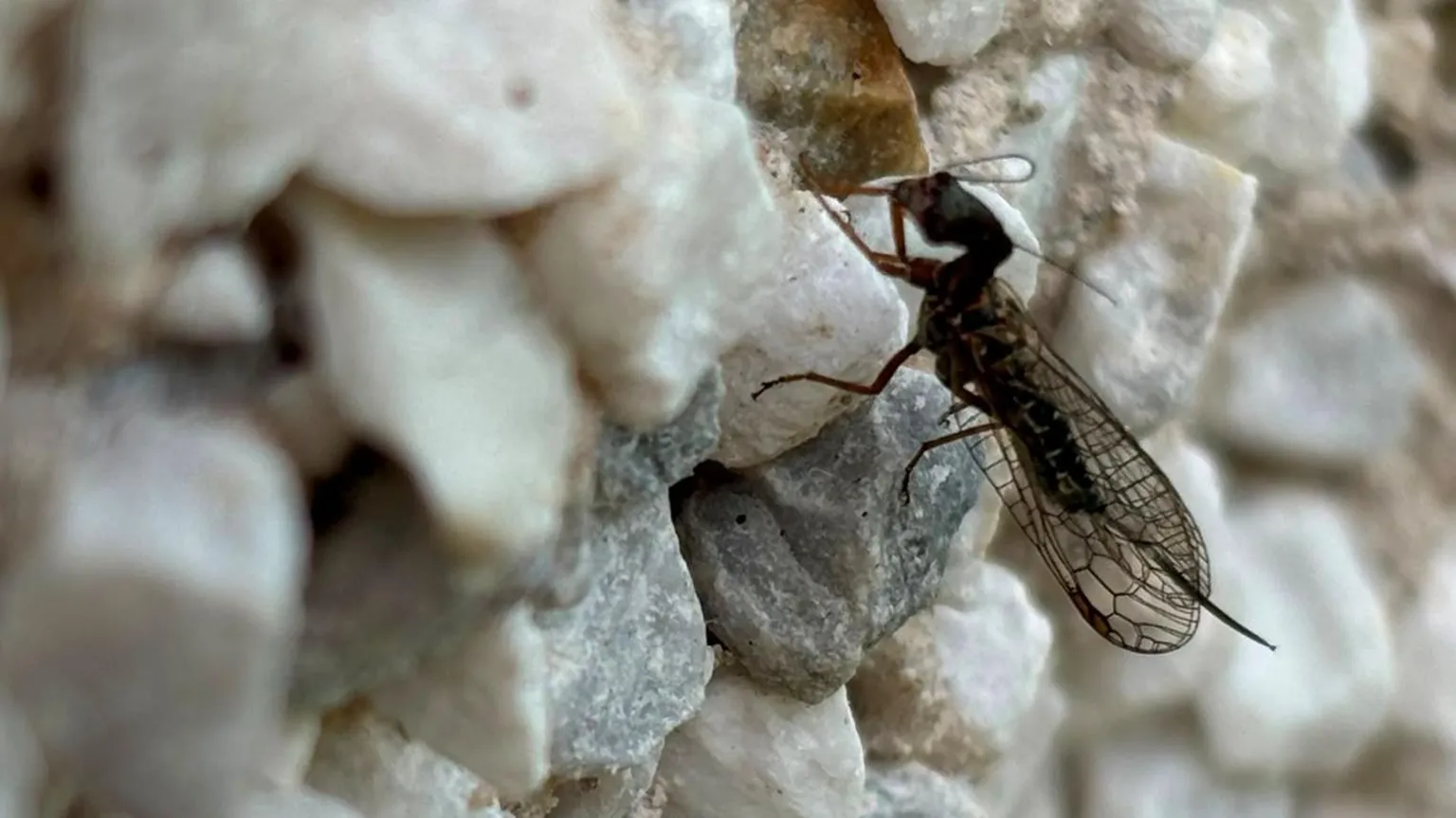
A rarely seen insect capable of moving its head and upper body in a snake-like manner has been observed in a garden in Inverness.
Pine Snakeflies, scientifically named Atlantoraphidia maculicollis, typically inhabit the uppermost parts of trees and are rarely encountered at lower levels.
Habitat and Behavior
These predatory insects feed on aphids and other small insects. Female Pine Snakeflies possess a long, needle-like ovipositor used to lay eggs within tiny cracks in tree bark.

Species Distribution
Worldwide, there are more than 200 known species of snakefly, but only four species have been recorded in the United Kingdom.
Buglife Scotland, an invertebrates charity, stated that only one of these four species, Atlantoraphidia maculicollis, has been documented in Scotland.
"It is associated with pine trees where it lives right up in the top of the canopy,"
"It's the only species of snakefly that has been found in Scotland and is probably under-recorded due to its tree-topping habit."
Occasionally, these insects may be blown down to lower levels by strong winds.
In Germany, Pine Snakeflies are commonly referred to as camel-neck flies.


