
Budget Cuts Impact PSNI Operational Capacity
His Majesty's Inspectorate of Constabulary and Fire and Rescue Service (HMICFRS) has reported that long-term budget reductions and ongoing uncertainty regarding funding are adversely affecting the operational capacity of the Police Service of Northern Ireland (PSNI).
The inspection highlighted that reductions in budget and intermittent recruitment freezes have contributed to a decline in officer numbers. This situation is exacerbated by elevated sickness rates and changes in duty allocations.
HMICFRS emphasized that the PSNI often does not receive confirmation of its operating budget until midway through the financial year, creating significant uncertainty.
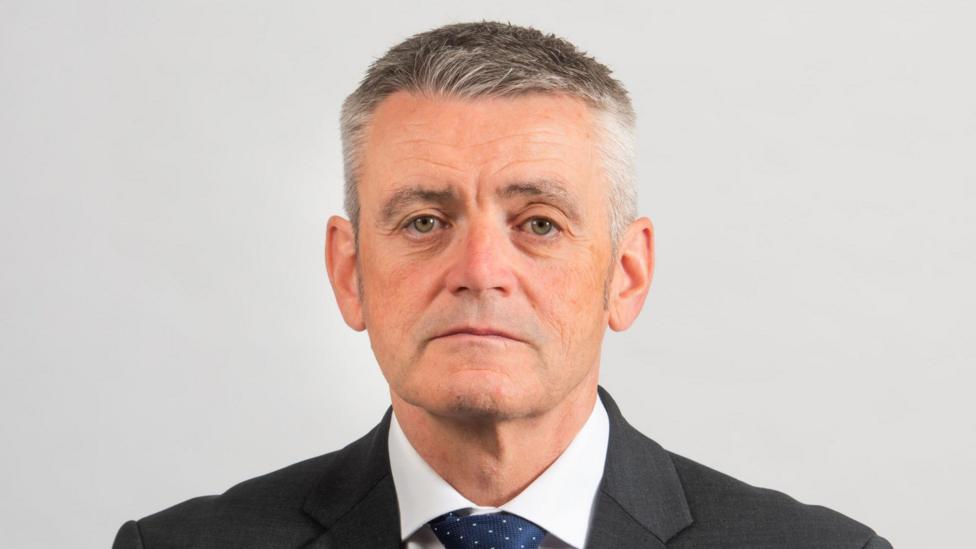
Lee Freeman, from HMICFRS, noted that this uncertainty also impacts "the timeliness of inflation-related pay awards".
Freeman further stated, "Such delays continue to have an impact on workforce morale."
Since April, Stormont ministers have been unable to agree on a budget for the current financial year, resulting in departments functioning on contingency budgets.
The PSNI currently operates with approximately 6,300 officers and aims to increase this number to 7,000 by 2028 under its workforce recovery plan.
Amid financial uncertainty, the government recently allocated a one-off emergency funding package of £4 million to the PSNI following a series of public disorder incidents last month.
Staffing Shortages and Operational Pressures
The PSNI is currently at an all-time low with 6,300 officers.
Inspectors found that the service frequently relies on overtime and cancels officers' rest days to meet operational demands.
Neighbourhood policing teams reported being short-staffed and often reassigned at short notice to support local policing efforts.
The report states that these practices "continue to contribute to high levels of fatigue and burnout."
"Short-notice changes of duty and a requirement to work overtime often had negative effects on officers' work-life balance and contributed to stress and anxiety," the report said.
Although the PSNI has resumed recruitment of officers and staff, Freeman indicated that "the service predicts it will take several years before it can restore enough capacity in specialist areas."
He added that, in the interim, the PSNI will not "have enough detectives to meet demand" and warned that ongoing workload pressures may affect officers' willingness to remain in service.
Mental Health-Related Absences
The report expressed serious concerns regarding the high levels of mental health-related absences and the significant proportion of officers applying for ill-health retirement.
While the PSNI is "committed to supporting workforce health and well-being and offers an extensive range of psychological well-being resources," the report recommends that the service should evaluate the psychological risks associated with its roles and implement a structured screening programme.
Between 2020 and 2025, the average officer sickness absence increased from approximately 11 to 21 days per year, with about 52% of these absences linked to psychological factors.
At the time of the inspection, officers and staff referred for mental health support faced a waiting period of four months before receiving assistance.
Use of Stop and Search Powers
The report also assessed the PSNI's use of force and stop and search powers, concluding that their application was reasonable and proportionate. However, it identified deficiencies in record keeping and supervision standards.
The PSNI's policy mandates that supervisors review all stop and search cases involving individuals under 18 years of age.
"In four out of five searches of children that we reviewed, no supervisor's review was evident," the report stated.
"This is concerning and doesn't maximise safeguarding opportunities for young people who come into contact with the service."
PSNI Welcomes HMICFRS Findings
The PSNI has issued a statement welcoming the HMICFRS report.
The report rated the PSNI as "adequate" in the two areas inspected: attracting, developing and retaining the workforce and creating a diverse and inclusive workplace, and using powers fairly, appropriately and with justification.
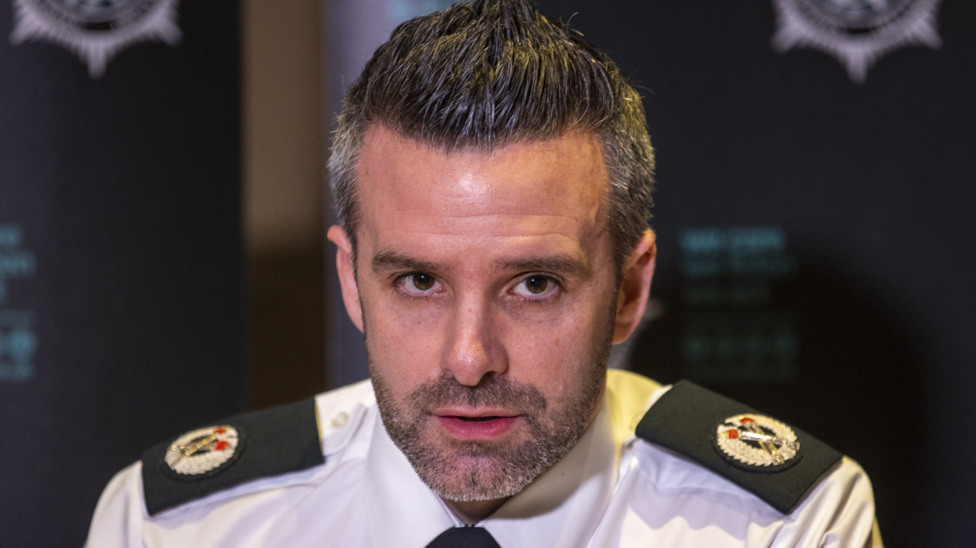
Deputy Chief Constable Bobby Singleton, who has served in the PSNI since 2001, acknowledged that while an "adequate" grade might seem modest, it is significant given the context of prolonged budget reductions and funding uncertainty.
Singleton said HMICFRS have recognised that underfunding has resulted in record low officer numbers and high levels of fatigue and burnout.
He described the PSNI's performance under these circumstances as "remarkable."
"I was particularly pleased to read the independent Inspectorate's finding that PSNI's use of force and stop and search powers was reasonable and proportionate and that our officers were found to have been professional and courteous while using these powers."
Singleton expressed hope that the public can "take some confidence" from the report's findings.
"The Inspectors have acknowledged our continuing ambition to becoming fully representative of the community we serve as well as the innovative work ongoing to help families and loved ones support officers health and well-being," he added.
He affirmed the PSNI's commitment to enhancing health and wellbeing services and support, stating: "We value our people. They are our greatest resource."
"I want to thank His Majesty's Inspector of Constabulary, Lee Freeman KPM and his team for their work and we will now consider how we take forward each the areas for improvement they have highlighted," Singleton said.
Concerns Over Service Sustainability
Liam Kelly, chair of the Police Federation of Northern Ireland, described the report as a "clear, unmistakable and appalling indictment" of governmental failure to adequately fund and support the PSNI.
He criticized both Stormont and Westminster, stating they should "hang their heads in shame."
"Our colleagues are plugging gaps, doing the impossible, working too many hours to back-fill, are experiencing burnout and ill health and have their private lives upended," Mr Kelly said.
"We're not scare-mongering when we say the service is close to tipping point.
"On the evidence presented so far, you could be forgiven for thinking this was a deliberate run-down of policing services in Northern Ireland."
Mr Kelly warned that the PSNI is entering "unchartered waters" and expressed concern that without urgent government intervention, "we will witness further marked deterioration and decline."
Justice Minister Responds
Justice Minister Naomi Long also welcomed the report, acknowledging the significant operational pressures related to funding, workforce capacity, wellbeing, and supervision.
"But despite these ongoing challenges it is pleasing to note that the report recognises the continued professionalism and commitment of PSNI officers and staff," Long said.
She reiterated that the PSNI continues to face severe resource challenges due to years of budget constraints.
"I have consistently and repeatedly highlighted the funding deficit faced by the PSNI and the Department of Justice. We simply cannot address these shortcomings without the appropriate funding."


