

Prince William's Commitment to the Church of England
The Prince of Wales is "keen to build a strong and meaningful bond" with the Church of England, a royal aide has stated, ahead of the future monarch's attendance at the new Archbishop of Canterbury's official installation this week.
The aide explained that Prince William's "commitment to the Church of England is sometimes quieter than people expect, and for that reason it is not always fully understood".
However, they added,
"those who know him well recognise that his connection to the Church, and to the sense of duty that comes with it, runs deep and is grounded in something personal and sincere".
British monarchs serve as the Supreme Governor of the Church of England and hold the title Defender of the Faith.
In this role, monarchs are responsible for approving the appointment of archbishops, bishops, and deans based on recommendations from the prime minister.
Installation of the First Female Archbishop of Canterbury
On Wednesday, Dame Sarah Mullally will be installed as the first female Archbishop of Canterbury.
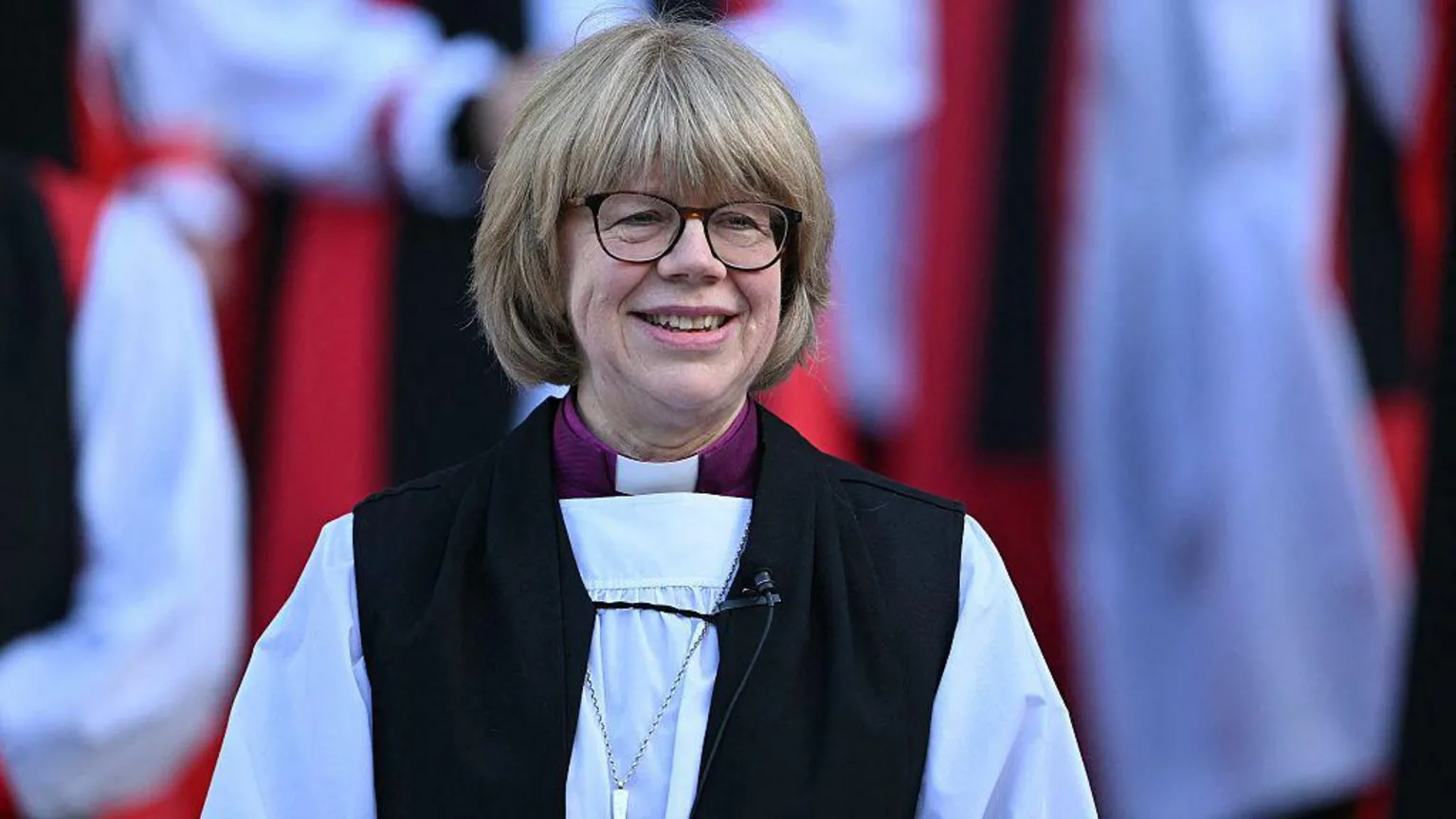
The royal aide noted that the prince recently had a "warm and substantive" conversation with the incoming archbishop, reflecting his "genuine interest not only in the Church's work, but in its role as a of a distinctive and ancient English spiritual tradition that remains relevant in contemporary life".
"Faith, service and responsibility are themes that have long shaped the role he will one day inherit, and they are things he approaches in his own thoughtful way,"the aide added.
Prince William's Approach to Sovereignty and Faith
Prince William has expressed his desire to approach his future role as sovereign in his own manner.
His personal relationship with the new Archbishop of Canterbury may play a crucial role in how he perceives the place of faith in his life.

Dame Sarah Mullally will lead the nation during significant moments in national life in the coming years.
Establishing a bond of trust with William, as a future king, will provide her with a powerful voice and influence.
Prince William's attendance at this week's ceremony marks the beginning of an important relationship between the head of the Church of England and its future Supreme Governor.
Historical Context of Royal Religious Commitment
Prince William's approach to religion and church attendance is expected to differ. He descends from a line of monarchs who publicly displayed their faith and frequently discussed its significance.
His father, the King, attends church most Sundays and has a profound interest in theology and the beliefs of other faiths.
The King's coronation was a public demonstration of his commitment to the Church of England and was a service deeply immersed in Christian ritual.
Prince William's grandmother, Queen Elizabeth II, was a devoted Christian who found great comfort in her personal faith, which she expressed more openly during the latter part of her life.
"Christ's example has taught me to seek to respect and value all people of whatever faith or none,"the Queen stated in one Christmas message.
During the Covid pandemic, while residing at Windsor Castle, she often prayed at the small private chapel within the Castle — a religious commitment that persisted throughout her 70-year reign.
Looking Ahead to Future Responsibilities
The royal aide remarked about Prince William,
"As he looks ahead to the responsibilities he will one day assume as Supreme Governor, he is keen to build a strong and meaningful bond with the Church and its leadership, one that respects tradition while speaking to a modern Britain, and reflects his broader belief that institutions must continue to remain relevant and connected to the people they serve.
He understands the importance of the role he will inherit and is committed to carrying it forward with sincerity, authenticity and a clear sense of purpose."


